Whether a Havanese Reverse Sneezes
It's incredibly alarming when your sweet Havanese suddenly starts making those strange, honking, gasping noises, almost like they can't breathe. Many Havanese parents have rushed their beloved furballs to the vet, heart pounding, convinced something is terribly wrong, only to learn it’s a phenomenon called reverse sneezing. This comprehensive guide will walk you through what reverse sneezing is, why your Havanese might be doing it, and how you can help them through it and even reduce its occurrence.
Understanding the Phenomenon of Reverse Sneezing in Havanese
Witnessing a reverse sneeze for the first time can be genuinely terrifying. Your little Havanese might suddenly stiffen, extend their neck, pull their lips back, and start making loud, snorting, gagging sounds. It truly looks and sounds like they are choking or having an asthma attack, which is enough to send any loving pet owner into a panic.
What Exactly is a Reverse Sneeze?
Unlike a regular sneeze, where air is forcefully expelled through the nose, a reverse sneeze (medically known as paroxysmal respiration) involves air being rapidly and repeatedly inhaled inward through the nose. Imagine your dog trying to vacuum something up their nostrils repeatedly, very quickly and loudly. The sound can range from a soft snort to a loud honking or gagging noise. It’s caused by a spasm of the soft palate and throat, usually in response to an irritant. The dog is essentially trying to clear something from their nasopharyngeal area, which is the part of the throat behind the nose. While it’s distressing to watch, it’s almost always harmless and passes within a minute or two. The good news is that they are still getting oxygen during these episodes, even if it doesn't look like it. Your dog will typically recover quickly, acting as if nothing happened once the episode passes.
Why Havanese Are Prone to Reverse Sneezing
The adorable Havanese, with their charming personalities and flowing coats, often share a common anatomical trait with many other toy breeds: a slightly elongated soft palate. While not considered a true brachycephalic breed like pugs or bulldogs, their smaller skull structure and sometimes slightly compressed airways can predispose them to reverse sneezing. Think of it like a delicate instrument; any little irritation can cause a more pronounced reaction. The shape of their muzzle and throat can make them more susceptible to this reflex.
Additionally, Havanese tend to have more sensitive respiratory systems. Their playful nature means they're often nose-down, sniffing everything on walks or in the house, which can expose their delicate airways to a myriad of airborne irritants. It’s not a sign of a serious underlying condition in most cases, but rather a characteristic of their unique physiology. Understanding this can help alleviate some of the initial panic you might feel when you first encounter these episodes.
Common Triggers and Identifying a Reverse Sneeze Episode
Knowing what might set off a reverse sneeze can help you both anticipate and potentially prevent these startling events. It's often a combination of environmental factors and your Havanese's sensitive system.
Environmental and Allergenic Triggers
Our homes and outdoor environments are full of potential irritants that can tickle a Havanese's sensitive throat and soft palate. Common culprits include household cleaning products, air fresheners, perfumes, and even certain types of carpet deodorizers. Dust mites, pollen from seasonal allergies, and mold spores are also frequent triggers. Imagine a tiny speck of dust or pollen getting stuck in that delicate area of their throat – their body's immediate, albeit dramatic, response is to try and suck it out with a reverse sneeze.
Sudden changes in temperature, like going from a warm house to a chilly outdoors, or even just excitement during playtime or when greeting a favorite person, can also trigger an episode. Sometimes, a Havanese might inhale too quickly while eating or drinking, leading to a reverse sneeze. Even a collar that's too tight can put pressure on the throat, making an episode more likely. For Havanese prone to skin issues, often linked to environmental allergies, these same allergens can irritate their respiratory system. Regularly cleaning your home, using hypoallergenic products, and keeping an eye on pollen counts can make a big difference.
Distinguishing Reverse Sneezing from Other Respiratory Issues
While reverse sneezing is usually benign, it's crucial to be able to differentiate it from more serious respiratory or cardiac concerns. The distinctive sound and posture of a reverse sneeze—snorting, gagging, with an extended neck and often standing still—are key identifiers. The episode is typically short, lasting from a few seconds to a minute or two, and your dog will return to normal immediately afterward.
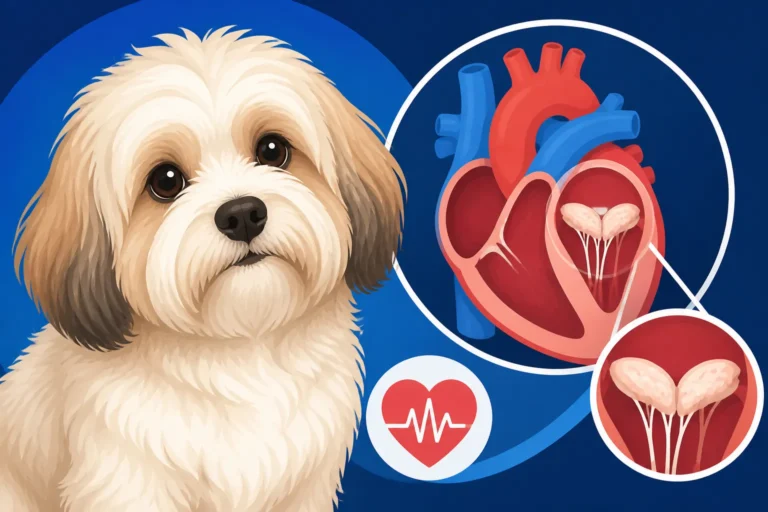
However, other conditions can present with similar alarming symptoms. A true cough, for instance, is an outward expulsion of air, often accompanied by a hacking sound, and can be a sign of anything from kennel cough to more serious issues like bronchitis or even heart disease. If your Havanese is coughing persistently, especially if it's accompanied by lethargy or loss of appetite, it warrants a vet visit. It's important to know Whether a Havanese Coughs From Its Heart, as this can sometimes be confused with respiratory issues. Similarly, actual choking involves persistent, ineffective attempts to clear an airway obstruction, often with pawing at the mouth and genuine signs of distress and lack of oxygen. If your Havanese shows signs of struggling for air that doesn't resolve in a minute or two, or if they turn blue, it's an emergency.
Another condition sometimes confused with reverse sneezing is a collapsing trachea. While more common in very tiny toy breeds, Havanese can experience this, particularly if they have a history of respiratory issues or are excited. A collapsing trachea often presents as a harsh, dry, "goose-honk" cough, especially when excited or pulling on a leash. This is why it's recommended to use a harness instead of a collar for walks, to avoid pressure on the trachea. If you're concerned about this, you can learn more about Whether a Havanese Gets a Collapsing Trachea and how to manage it. If your Havanese has frequent episodes, or if they appear to be in genuine pain or discomfort, it’s always best to consult your veterinarian to rule out any underlying medical conditions, such as a foreign body in the throat, nasal mites, or polyps. Regular check-ups are key, and discussing these observations with your vet can provide peace of mind.
How to Help Your Havanese During a Reverse Sneeze
When your Havanese is in the throes of a reverse sneeze, your first instinct might be to panic. But staying calm yourself is the best first step, as dogs can pick up on our anxiety.
Calming Your Dog and Shortening an Episode
While reverse sneezing is usually self-limiting, there are a few gentle techniques you can try to help your Havanese recover more quickly. The goal is to interrupt the spasm by encouraging them to swallow or breathe through their mouth.
One common method is to gently massage their throat or under their chin. This can help to relax the muscles in the throat and stimulate a swallow reflex, which often ends the episode. Another trick is to lightly pinch their nostrils closed for a second or two, or briefly cover their entire face with your hand (or a soft cloth) to make them swallow or breathe through their mouth. This slightly restricts airflow through the nose, causing them to automatically open their mouth to breathe, which can break the spasm. Just be gentle and quick; you don’t want to cause more distress. Offering a small treat or a sip of water immediately after the episode can also help them swallow and reset their breathing. Most importantly, speak to them in a calm, reassuring voice. Your soothing presence alone can do wonders to ease their anxiety during what can be a disorienting experience for them. It’s always good practice to have your Havanese accustomed to gentle handling, which can make these moments easier.
When to Be Concerned and Seek Veterinary Advice
While the vast majority of reverse sneezing episodes are harmless, there are specific situations where a veterinary visit is absolutely warranted. If your Havanese experiences reverse sneezing very frequently – multiple times a day or several days a week – it might indicate a more persistent irritant or an underlying issue that needs addressing. Also, be attentive if the episodes become longer, lasting more than a few minutes, or if they seem more severe, causing your Havanese significant distress or weakness.
Any change in your dog's behavior or health accompanying the reverse sneezing is a red flag. This includes persistent coughing, difficulty breathing even between episodes, nasal discharge (especially if it's discolored or bloody), lethargy, loss of appetite, or other signs of illness. These symptoms could point to more serious conditions such as nasal mites, foreign objects lodged in the nasal passages or throat, nasal polyps or tumors, or even dental problems that are creating an inflammatory response. Considering The Age a Havanese Needs Its First Dental and routine dental care is important for overall health, which can sometimes indirectly affect respiratory comfort. If your Havanese has a known history of other respiratory conditions or heart issues like The Heart Murmur an Older Havanese Develops, it's even more critical to consult your vet if reverse sneezing increases in frequency or severity. When in doubt, a quick call to your veterinarian is always the safest course of action. They can help you determine if an office visit is necessary, especially if you have pet insurance like Healthy Paws, which can help cover unexpected vet bills.
Long-Term Management and Prevention Strategies
While you can't eliminate reverse sneezing entirely, especially if your Havanese is predisposed to it, there are many proactive steps you can take to reduce the frequency and intensity of episodes. A little prevention goes a long way in keeping your furry friend comfortable.
Reducing Exposure to Common Irritants
Creating a clean, allergen-reduced environment is paramount for a Havanese prone to reverse sneezing. Start by evaluating your household products. Opt for unscented, natural cleaning sprays and avoid strong air fresheners, plug-ins, or scented candles, as these can easily irritate delicate airways. Regular vacuuming with a HEPA filter can significantly reduce dust, dander, and pollen indoors. Consider dust mite covers for pet beds and frequently wash their bedding in hot water.
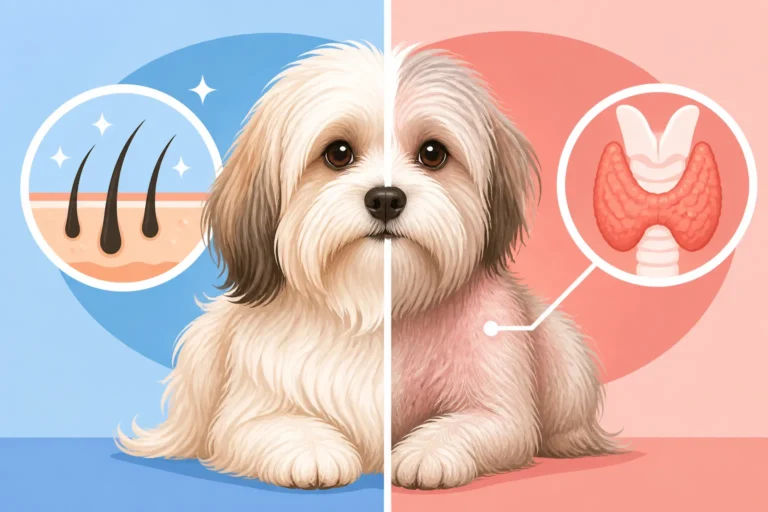
During high pollen seasons, try to limit outdoor walks during peak pollen times and wipe your Havanese's face and paws when they come inside. Using a humidifier in dry climates can also help keep their nasal passages moist, which can prevent irritation. Keep your Havanese’s living areas smoke-free, and if you have other pets, ensure their dander is also managed through regular grooming. If you suspect specific food allergies might be contributing to general inflammation, leading to sensitivity in their respiratory system, discuss this with your vet. Sometimes, what causes Skin Trouble Under a Havanese Coat could also be contributing to internal irritations.
Discussing with Your Veterinarian and Potential Treatments
Your veterinarian is your best partner in managing your Havanese's health, including episodes of reverse sneezing. During your regular check-ups, like What a Havanese's Yearly Checkup Costs, bring up any concerns about reverse sneezing, detailing how often it occurs and what triggers you've observed. Your vet can confirm the diagnosis, ensuring it's indeed reverse sneezing and not something more serious, potentially ruling out conditions like nasal polyps or foreign objects through a thorough examination. They might even suggest diagnostic tests if they suspect an underlying cause, though these are often not necessary for typical reverse sneezing.
In rare cases, if environmental management isn isn't enough, or if allergies are a significant contributing factor, your vet might recommend treatments. This could include antihistamines for seasonal allergies or anti-inflammatory medications to soothe irritated airways. For persistent or severe cases, a very short course of corticosteroids might be considered, but this is usually a last resort due to potential side effects. It’s comforting to know that pet insurance, such as a plan from Healthy Paws, can be incredibly helpful for covering unexpected diagnostics or medications should your Havanese need them. Understanding What Havanese Are Most Often Treated For can also give you insight into common health issues and how pet insurance might provide financial support. They might also discuss dietary supplements that support overall respiratory health. Open communication with your vet ensures your Havanese receives the best possible care and enjoys a happy, healthy life, largely free from the distress of frequent reverse sneezing.
Comparing Common Havanese Respiratory & Breathing Incidents
To help you distinguish between various breathing-related events your Havanese might experience, here's a quick comparison:
| Characteristic | Reverse Sneeze | Regular Sneeze | Cough | Choking (Partial Obstruction) | Collapsing Trachea |
|---|---|---|---|---|---|
| Sound | Snorting, gagging, honking, "inward gasp" | "Achoo!" (outward expulsion) | Hacking, deep chesty, "goose-honk" | Gagging, struggling, silent (if severe) | Dry, harsh "goose-honk" |
| Breathing Direction | Inward (rapid inhalations) | Outward (rapid expulsion) | Outward (forceful expulsion) | Ineffective breathing, gasping | Inward (spasms during excitement) |
| Posture/Behavior | Neck extended, standing still, often panicked look | Head down, quick jerk of head, normal | Head extended, may hunch over, distressed | Pawing at mouth, frantic, bluish gums (severe) | Excitement, pulling on leash, often normal otherwise |
| Duration | Seconds to 1-2 minutes | Very brief | Variable, can be persistent | Persistent, worsening if unresolved | Intermittent, especially with excitement |
| Cause | Irritation in nasopharynx, excitement | Irritation in nasal passages | Throat/lung irritation, infection, heart | Foreign object in airway | Weak tracheal rings, excitement |
| When to Worry | Very frequent, prolonged, other symptoms | Persistent, discharge, other symptoms | Persistent, severe, lethargy, fever | Any signs of true difficulty breathing, blue gums | Persistent, severe, constant honking, distress |
Disclaimer
This article is intended for informational purposes only and does not constitute medical advice. Always consult with a qualified veterinarian for any health concerns or before making any decisions about your pet's health or treatment.