How Often a Havanese’s Teeth Need Scaling
One of the most common worries for Havanese parents, myself included, is that tell-tale, not-so-sweet breath. It’s more than just a minor inconvenience; it's often the first whisper of dental disease brewing beneath those adorable lips. Knowing exactly when and how often your beloved Havanese needs a professional dental scaling can feel like a guessing game, leaving many of us feeling a bit lost. This comprehensive guide is here to shed light on how often a Havanese's teeth truly need scaling, helping you keep their pearly whites healthy and their breath fresh.
The Unique Dental Challenges Havanese Face
It’s easy to look at our Havanese and think they're just tiny bundles of joy, but their small size often comes with specific anatomical quirks that make them more susceptible to dental problems. Their mouths are designed for a much smaller scale, yet they still pack in the same number of teeth as much larger breeds. This leads to crowding and other issues that can accelerate dental disease.
Why Small Breeds Are Prone to Dental Disease
Imagine fitting a full set of adult furniture into a dollhouse. That's essentially what happens in a Havanese's mouth. Their jaws are petite, but their teeth are proportionally larger than you might expect, leading to significant overcrowding. When teeth are crammed together, food particles and bacteria have more nooks and crannies to hide in, creating perfect breeding grounds for plaque and tartar. This isn't just a Havanese thing, but it's particularly pronounced in toy breeds. Moreover, some smaller breeds, including our Havanese, have a genetic predisposition to develop plaque and tartar more rapidly than their larger canine counterparts. It’s just one of those things we have to be extra vigilant about.
The Role of Retained Puppy Teeth
Another common issue we often see in Havanese puppies is retained deciduous (or "baby") teeth. Ideally, as the permanent teeth erupt, they push out the puppy teeth. But sometimes, those stubborn little puppy teeth don’t budge, especially the canines and incisors. When this happens, you end up with two teeth trying to occupy the space meant for one – a "double row" of teeth. This traps even more food and debris, accelerating plaque and tartar buildup dramatically. If you’ve ever wondered whether a Havanese's baby teeth need pulling, the answer is often a resounding yes, because leaving them in can cause significant long-term dental and even bite issues. A good vet will usually check for this during puppy visits and recommend extraction during the spay or neuter procedure.
The Impact of Diet and Chewing Habits
While not unique to Havanese, what your dog eats and how they chew plays a massive role in their dental health. Soft, wet food tends to stick to teeth more readily than crunchy kibble, contributing to faster plaque formation. However, even kibble doesn't replace the mechanical cleaning action of proper chewing. Many Havanese aren't aggressive chewers, and even if they are, the toys or treats they choose might not be effective at removing plaque from all tooth surfaces. This is why discussing whether a Havanese needs dental chews with your vet is a great idea, as some specific formulations can help, but they are never a substitute for professional care or daily brushing.
Factors Influencing Professional Dental Scaling Frequency
So, how often should your Havanese really go in for a professional dental cleaning? There's no single "one-size-fits-all" answer, unfortunately. It truly depends on a mix of individual factors that make each Havanese unique.
Age and Genetics
Just like us, older dogs tend to accumulate more wear and tear, and in the case of Havanese, more plaque and tartar. As our Havanese age, their dental health needs more frequent attention. While a young Havanese might be able to go two or three years between cleanings, an older Havanese, especially those over the age of eight, might need annual or even bi-annual cleanings. Some Havanese also have a genetic predisposition to worse dental health, irrespective of age or home care. It’s frustrating when you do everything right, but sometimes genetics just play a strong hand. This is also why understanding the lineage and discussing dental history with your breeder can be insightful.
Home Dental Care Routine
This is where you, the devoted Havanese parent, come in. The single biggest factor in extending the time between professional cleanings is a consistent and effective home dental care routine. If you're brushing your Havanese's teeth daily, or at least every other day, with a pet-specific toothbrush and toothpaste, you're doing wonders. This mechanical action removes the soft plaque before it hardens into tartar, which can only be removed by professional scaling. If you're only brushing once a week or less, or not at all, you'll likely find your Havanese needs professional cleanings much more frequently – perhaps even annually from a young age. Learning to properly brush your Havanese's teeth can feel like a chore at first, but with patience and positive reinforcement, most Havanese can adapt quite well.
Overall Health and Other Medical Conditions
A Havanese's general health can also impact their dental needs. Dogs with certain medical conditions, such as diabetes or kidney disease, can be more prone to developing dental problems. Additionally, some medications might reduce saliva production, which naturally helps wash away food particles. Conversely, poor dental health can exacerbate other health issues, as bacteria from severe gum disease can enter the bloodstream and affect vital organs like the heart, kidneys, and liver. For instance, an older Havanese with a heart murmur might have additional considerations when it comes to anesthesia for a dental procedure, making preventative care even more critical to reduce the need for frequent deep cleanings. This is where pet insurance, like a plan from Healthy Paws, can be a real lifesaver, helping manage unexpected costs associated with both dental disease and other health issues that might arise.
Here's a quick overview of factors affecting scaling frequency:
| Factor | Impact on Scaling Frequency | Typical Recommendation (with good home care) |
|---|---|---|
| Age (Young Havanese) | Less frequent | Every 2-3 years |
| Age (Senior Havanese) | More frequent | Annually, sometimes every 6-9 months |
| Genetics/Predisposition | Can increase frequency | More vigilance needed, potentially annual |
| Daily Brushing | Significantly reduces frequency | Every 2-3 years or more |
| Infrequent Brushing | Significantly increases frequency | Annually, possibly more often |
| Retained Puppy Teeth | Requires early intervention | Addressing during spay/neuter |
| Diet (Soft Food) | Can increase plaque buildup | More frequent cleanings if not brushed daily |
| Medical Conditions | May require more frequent cleanings | Tailored to specific health needs |
What Professional Dental Scaling Involves for Your Havanese
When your vet recommends a professional dental scaling for your Havanese, it’s not just a quick brush and polish. It’s a comprehensive medical procedure performed under general anesthesia, and understanding why that’s necessary can alleviate some of the natural anxieties we feel as pet parents.
The Necessity of Anesthesia
Many owners wonder why a Havanese can't just have their teeth cleaned while awake. The truth is, a thorough dental cleaning, which includes scaling under the gum line, probing for pockets, and potentially even X-rays, simply isn't possible on a conscious animal. Imagine trying to get your Havanese to sit perfectly still, open their mouth wide, and tolerate sharp instruments scraping at their sensitive gums! Anesthesia ensures their safety, comfort, and allows the veterinary team to do a complete and meticulous job. While anesthesia always carries some risk, especially for small dogs, modern veterinary practices use advanced monitoring equipment and protocols to minimize these risks. Before any procedure, your vet should conduct pre-anesthetic blood work and a thorough physical exam to ensure your Havanese is as healthy as possible for the procedure. You might want to ask about whether Anesthesia is riskier on a small Havanese, and your vet can explain the precautions they take.
The Scaling and Polishing Process
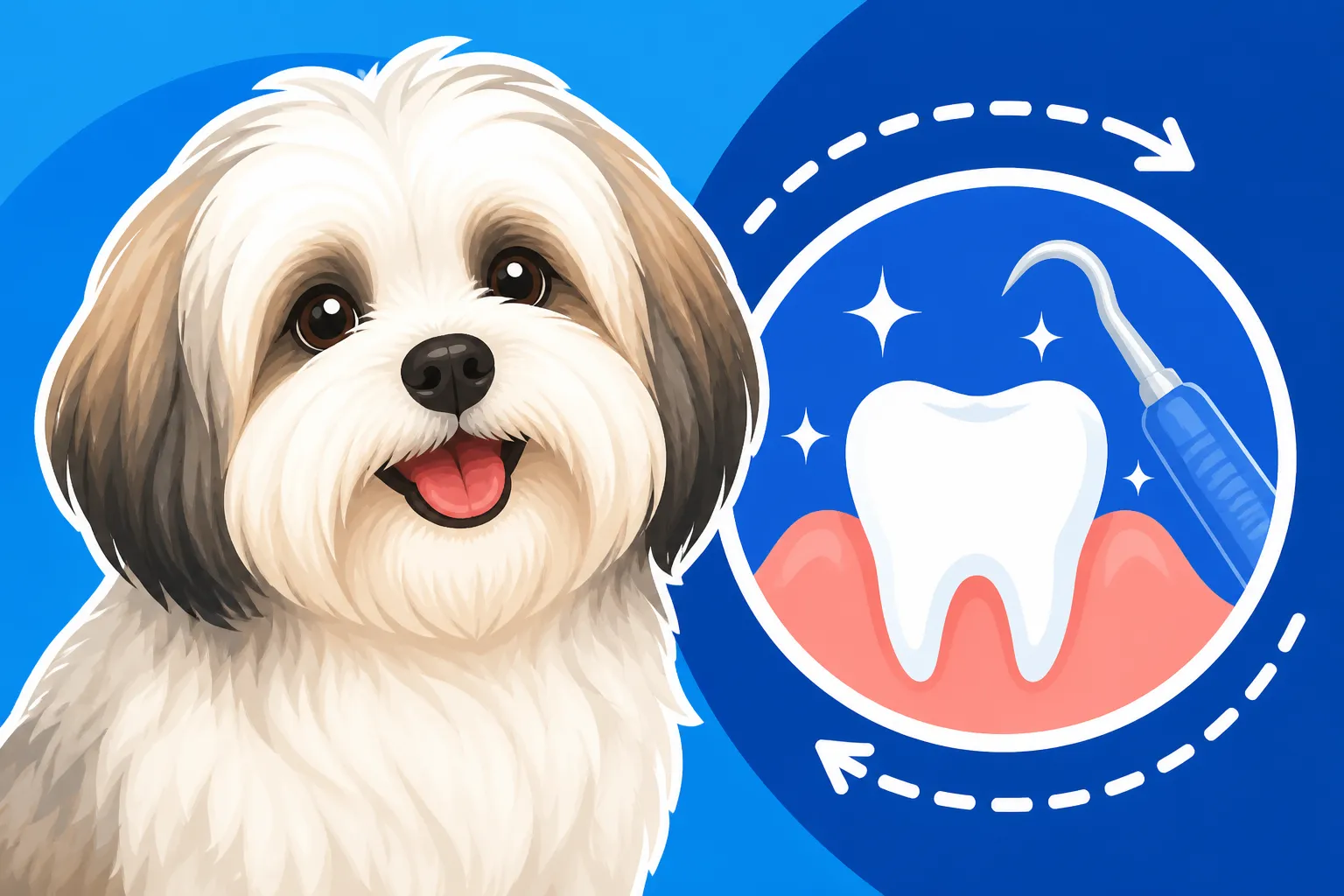
Once under anesthesia, the real work begins. The veterinary technician or veterinarian will use an ultrasonic scaler to remove plaque and tartar from the tooth surfaces, both above and, crucially, below the gum line. This subgingival cleaning is vital because that's where periodontal disease often starts, hidden from plain sight. They’ll also meticulously hand-scale to get into those tight spots that an ultrasonic scaler might miss.
After scaling, the teeth are polished. Polishing smooths out any microscopic scratches created by the scaling process, making it harder for new plaque to adhere to the tooth surface. Think of it like a freshly waxed car – much harder for dirt to stick! During this process, the vet will also perform a thorough oral exam, looking for any signs of disease, such as gum recession, tooth mobility, or lesions. They might also take dental X-rays, which are incredibly important for assessing the health of the tooth roots and the bone structure beneath the gums, where a lot of disease can lurk unseen.
Potential Extractions and Follow-Up Care
During the professional dental cleaning, it's not uncommon for the vet to discover teeth that are too diseased to save. This could be due to severe periodontal disease, fractures, or persistent retained puppy teeth. If extractions are necessary, they will usually be performed during the same anesthetic procedure. Your vet should discuss any findings and recommendations with you before proceeding with extractions, especially if extensive work is needed. The cost of a Havanese dental cleaning can increase significantly if extractions are required, so it’s always good to be prepared for that possibility. After the procedure, your Havanese might be sent home with pain medication or antibiotics, and you’ll receive instructions for post-operative care. This is another area where having pet insurance like Healthy Paws can truly help offset the financial burden of necessary dental procedures, especially if multiple extractions or advanced care are needed.
Beyond Scaling: Daily Home Dental Care and Prevention
While professional dental scaling is absolutely critical for your Havanese’s long-term health, it’s only one piece of the puzzle. What you do at home every single day is arguably even more important in preventing dental disease and extending the time between those necessary vet visits.
Establishing a Brushing Routine
Seriously, daily brushing is your Havanese’s best friend when it comes to dental health. It’s the gold standard. Aim for at least every other day, but daily is ideal. Start slowly, make it a positive experience, and use dog-specific toothpaste (never human toothpaste, as it contains xylitol which is toxic to dogs). You can begin by simply letting your Havanese lick a small amount of toothpaste off your finger, then gradually introduce a finger brush, and eventually a small, soft-bristled dog toothbrush. Focus on the outside surfaces of the teeth, as these are most prone to plaque buildup. Consistency is key, even if you can only manage a minute or two. This proactive step can dramatically reduce how often a Havanese's teeth need scaling.
Dental Chews and Water Additives
While brushing is king, certain dental chews and water additives can be helpful辅助. Look for dental chews that are specifically designed to reduce plaque and tartar, and ideally, those with the Veterinary Oral Health Council (VOHC) seal of acceptance. This seal means the product has met standards for effectiveness. However, remember that no chew can reach all surfaces of every tooth, and some Havanese might not chew them effectively enough. Avoid anything too hard, like antlers or bones, as these can easily fracture your Havanese’s small teeth. Water additives, on the other hand, can help reduce bacteria in the mouth and slow plaque formation. While they don't clean teeth, they can contribute to overall oral hygiene. Always choose products specifically formulated for pets and discuss them with your vet.
Regular Vet Check-ups and Monitoring
Even with excellent home care, regular veterinary check-ups are essential. Your vet will perform an oral exam during your Havanese’s annual wellness visit. They can spot early signs of dental disease that you might miss and recommend when it’s time for a professional cleaning. They can also offer advice on the best home care products for your specific Havanese. It’s also important to be mindful of signs that your Havanese needs dental attention between visits. Keep an eye out for bad breath, reluctance to eat, pawing at the mouth, drooling, or red and swollen gums. These are all indicators that it's time for a visit to the vet to address potential issues. Early intervention is always better than waiting until the problem becomes severe.
Recognizing the Signs Your Havanese Needs a Dental Check-up
As much as we try to prevent issues, our Havanese can't tell us when their teeth hurt. It's up to us to be diligent and spot the subtle (and sometimes not-so-subtle) signs that something might be amiss in their adorable little mouths. Don't wait for their annual vet check if you notice any of these indicators.
Bad Breath That Won't Go Away
The most obvious sign, and usually the one that prompts owners to investigate, is persistent bad breath. Now, I'm not talking about that charming "dog breath" after they've had a snack. I mean genuinely foul, rotten-smelling breath. This odor is almost always a result of bacteria thriving in plaque and tartar buildup, signaling that periodontal disease is likely underway. It's a huge red flag that your Havanese needs a professional assessment. Ignoring it won't make it go away; it will only allow the underlying problem to worsen.
Changes in Eating Habits or Mouth Sensitivity
If your Havanese suddenly becomes a picky eater, starts dropping food, or seems hesitant to chew on their favorite toys, it could be a sign of dental pain. They might start favoring one side of their mouth or making unusual chewing motions. Some Havanese might even show sensitivity when you try to touch their face or mouth, perhaps flinching or pulling away. These behavioral changes are often subtle but are crucial clues. Nobody wants their precious companion to be in pain, so a quick vet visit to check those teeth is definitely in order if you see these signs. This is particularly important for seniors, as it can be difficult to tell if a slowing appetite is due to age or discomfort, making it crucial to rule out dental pain. Caring for a Havanese past twelve often involves more vigilant monitoring of their oral health.
Visible Signs of Dental Disease
Sometimes, the signs are right there for us to see. Take a peek inside your Havanese's mouth when they're relaxed. Look for yellow or brown accumulation (tartar) on the teeth, especially along the gum line. Their gums should be a healthy pink; if they appear red, swollen, or are bleeding, that’s a clear indication of gingivitis, an early stage of periodontal disease. You might also notice loose or missing teeth, or even bumps or growths on the gums. Another common issue is excessive drooling, which isn't typical for Havanese and can be a sign of oral discomfort. These visual cues are your Havanese's way of telling you they need help, so don’t hesitate to schedule a dental check-up with your veterinarian. They’ll be able to properly assess the situation and recommend the best course of action, which will likely include professional scaling.
No matter how diligent you are with home care, your Havanese will likely need professional dental scaling at some point in their lives. Think of it like our own dental hygiene: brushing and flossing daily is essential, but we still need those regular deep cleanings at the dentist. By understanding their unique predispositions, committing to daily home care, and knowing what to look for, you can ensure your Havanese maintains a healthy, happy smile for years to come.
Disclaimer
This article is intended for informational purposes only and does not constitute medical advice. Always consult with a qualified veterinarian for any health concerns or before making any decisions about your Havanese's medical care.