Whether a Havanese Loses Hair in Patches
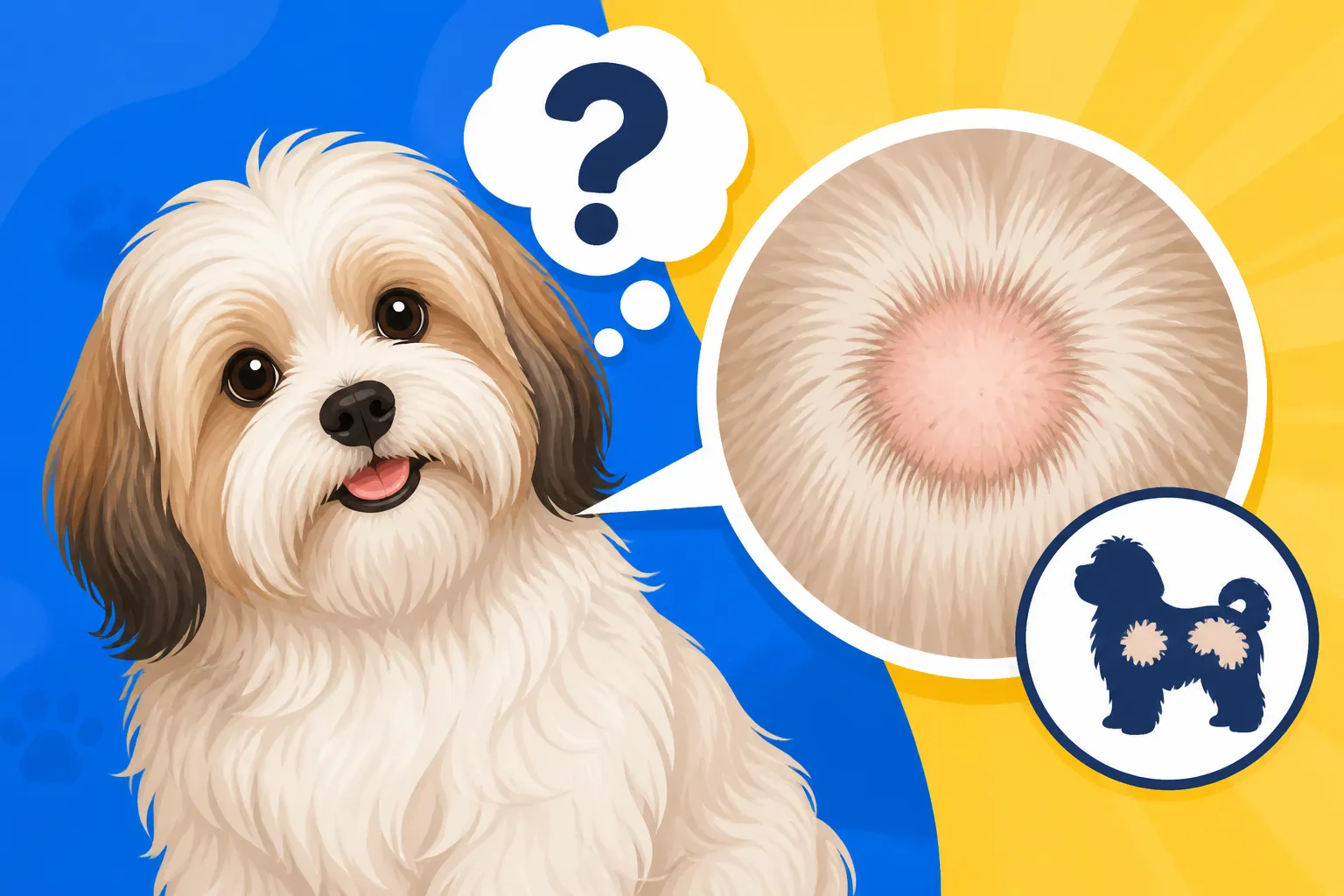
There's nothing quite as alarming for a Havanese parent as spotting a bald patch on their beloved furry friend. One day their beautiful, flowing coat is perfect, and the next, you notice a distinct area where the hair is thinning or completely gone. It’s a common worry, and it leaves many of us wondering, "What on earth is causing this?" This comprehensive guide will walk you through the various reasons your Havanese might be losing hair in patches, from the common culprits to more serious underlying health concerns, and what steps you can take to help your companion.
Understanding Normal Havanese Coat Changes Versus Actual Hair Loss
Before we dive into the reasons for patchy hair loss, it’s helpful to understand the Havanese coat itself. These charming little dogs are renowned for their luxurious, often floor-length coats, but even they have their unique coat quirks. Distinguishing between a normal coat cycle and genuine hair loss is the first step in addressing your concerns.
The Havanese Double Coat and Shedding
The Havanese boasts a distinctive double coat, composed of a soft undercoat and a longer, silky topcoat. This combination is what gives them their characteristic feel and flow. While many people believe Havanese don't shed, that's not entirely accurate. They are considered low-shedding, which is a big part of their appeal, especially for those with allergies. Instead of shedding hair all over your furniture, their loose hairs tend to get caught within their longer coat. This is precisely why regular brushing is so crucial for a Havanese; it helps remove these trapped hairs and prevents matting. If you want to know more about this, you can check out Whether a Havanese Sheds.
However, this low-shedding characteristic means that when you do notice actual hair loss, particularly in patches, it's often a sign that something is amiss. Normal shedding on a Havanese typically involves individual hairs coming out during brushing, not sudden bald spots or thinning areas that appear out of nowhere. If you're consistently finding clumps of hair coming out, or if areas of their coat are visibly sparse, that's a different situation than merely brushing out some loose hairs. The difference is critical, as true patchy hair loss points towards a health issue rather than just routine maintenance.
Puppy Coat Change and Temporary Thinning
Ah, the "puppy uglies"—a term many Havanese owners are familiar with, even if it sounds a bit harsh! This phase, typically occurring between 8 to 18 months of age, is when your adorable Havanese puppy sheds its soft puppy coat to make way for its adult coat. This transition can be quite dramatic, and it often leads to temporary thinning or even what might appear to be patchy hair loss. The adult coat comes in thicker and often with a different texture or color, pushing out the finer puppy fur.
During this time, the coat can become incredibly prone to matting because the two different textures of hair are trying to grow out simultaneously. If these mats aren't meticulously brushed out, they can literally pull on the skin, leading to areas of irritation and localized hair loss. What looks like a bald patch might simply be an area where a mat has formed close to the skin and either pulled the hair out or been removed, revealing the sparse skin underneath. Consistent and thorough line brushing is paramount during this stage to help the adult coat grow in beautifully and prevent unnecessary hair loss due to matting. Understanding this transitional period helps differentiate a normal, albeit challenging, coat development from a more concerning health problem causing actual hair loss.
Common Causes of Patchy Hair Loss in Havanese
When your Havanese starts losing hair in patches, it's usually a clear sign that something is irritating their skin. These causes are often quite common and, thankfully, many are treatable once identified.
Allergies and Skin Irritations
Allergies are a huge culprit for patchy hair loss in Havanese, and really, in many dog breeds. It's a frustrating cycle: something makes them itchy, they scratch or lick incessantly, and that self-trauma leads to hair loss, inflammation, and often secondary infections.
- Food Allergies: These can develop at any age and often manifest as persistent itching, especially around the face, paws, and rear. Common allergens include proteins like chicken, beef, dairy, wheat, or soy. Your Havanese might lick their paws relentlessly, rub their face on the carpet, or scratch behind their ears. Over time, this constant irritation, rubbing, and licking can wear away the hair in specific areas, creating noticeable bald spots. You might see red, inflamed skin underneath these patches.
- Environmental Allergies (Atopy): Just like us, dogs can be allergic to things in their environment such as pollen, dust mites, and molds. These allergies tend to be seasonal or year-round depending on the allergen. The itching often affects the paws, ears, belly, and armpits. Again, the hair loss isn't directly from the allergen itself but from the persistent scratching, chewing, and rubbing that your Havanese does to relieve the intense itch. This can quickly lead to irritated, red skin and subsequently, patchy hair loss in those targeted areas.
- Contact Dermatitis: This occurs when your Havanese's skin comes into direct contact with an irritating substance. Think new shampoos, household cleaning products, certain fabrics in bedding, or even plants in the yard. The reaction is usually localized to the area of contact. For example, if they lie on a rug treated with a harsh cleaner, they might develop red, itchy, bald patches on their belly or flanks. Identifying and removing the irritant is key here.
No matter the type of allergy, the underlying mechanism for patchy hair loss is often the same: intense itching leads to self-trauma, which then causes the hair to break or fall out. For more on skin issues, you might find Skin Trouble Under a Havanese Coat helpful.
Parasites and Fungal Infections
Parasites and fungal infections are another common cause of localized hair loss. These little invaders can make your Havanese miserable and often create very distinct patterns of hair loss.
- Fleas: Even a few fleas can cause intense itching, especially in sensitive dogs. Flea bites often cause irritation around the base of the tail, hindquarters, and belly. If your Havanese is constantly scratching and biting these areas, you'll start to see patchy hair loss and red, inflamed skin. You might even spot "flea dirt" (tiny black specks, which are flea feces) on their skin if you part the fur. Regular flea prevention is essential, even for indoor dogs.
- Mites: There are several types of mites that can cause problems:
- Sarcoptic Mites (Scabies): These highly contagious mites burrow into the skin, causing incredibly intense itching. Hair loss usually occurs on the ears, elbows, hocks, and chest, often accompanied by crusty, red lesions. The itching is so severe that dogs will scratch themselves raw, leading to significant patchy hair loss.
- Demodex Mites: These mites live naturally in hair follicles, but in puppies or dogs with compromised immune systems, they can proliferate and cause demodectic mange. Localized demodex often presents as small, non-itchy bald patches, particularly around the face, eyes, and forelegs. The skin might look red and scaly. While less itchy than sarcoptic mange, it still results in clear patches of hair loss.
- Ringworm (Dermatophytosis): Despite its name, ringworm isn't a worm but a fungal infection. It typically causes circular or irregular patches of hair loss, often with a reddish, scaly, or crusty appearance in the center. The hair might look broken at the edges of the lesion. These patches are often found on the face, ears, paws, and forelegs, but can appear anywhere. Ringworm is contagious to other pets and humans, so prompt treatment is important.
If you suspect any of these parasites or fungi, a visit to the vet is crucial. They can perform simple tests like skin scrapes or fungal cultures to get a definitive diagnosis and prescribe the right treatment.
Bacterial Skin Infections (Pyoderma)
Bacterial skin infections, known as pyoderma, frequently develop as a secondary issue when the skin's natural defenses are compromised. Think of it as an opportunistic infection that takes advantage of skin that's already irritated or damaged by something else. Often, pyoderma arises from unchecked allergies or parasites. When a Havanese constantly scratches, licks, or chews an area due to intense itching, they break the skin barrier. This creates an open invitation for bacteria (which are always present on the skin) to overgrow and cause an infection.
Pyoderma can manifest in various ways, but when it leads to patchy hair loss, you'll typically see distinct characteristics. The affected areas might be red, inflamed, and sometimes covered in pustules (small pus-filled bumps) or crusts. The hair in these areas will be sparse or completely gone because the infection damages the hair follicles. Sometimes, the skin underneath will be moist and smelly, indicating a "hot spot" – a rapidly developing, painful bacterial infection that can cause localized, acute hair loss. These patches can appear anywhere the dog is excessively licking or scratching, such as the flanks, belly, tail base, or paws. Treating the underlying cause, whether it's allergies or parasites, is essential, alongside antibiotics or medicated shampoos to clear up the bacterial infection.
Hormonal and Systemic Issues Leading to Hair Loss
Sometimes, patchy hair loss isn't just a surface-level skin issue. It can be a red flag pointing to deeper, systemic health problems, often involving hormones. These conditions usually result in hair loss that is more symmetrical or widespread, but can certainly manifest in noticeable patches, especially as the condition progresses.
Hypothyroidism
Hypothyroidism is a condition where the thyroid gland doesn't produce enough thyroid hormone. This hormone is vital for regulating metabolism and overall body function, including skin and coat health. It's a relatively common endocrine disorder in dogs, and Havanese can be affected. When a dog is hypothyroid, their metabolic rate slows down, impacting hair growth cycles.
The hair loss associated with hypothyroidism is typically symmetrical, meaning it affects both sides of the body in a similar pattern. You might notice thinning or complete hair loss on the flanks, chest, and tail (often called a "rat tail"). The coat often becomes dull, dry, and brittle, and the remaining hair might be easily plucked out. The skin itself can become thickened, dry, and flaky. While it might start as more generalized thinning, it can certainly evolve into distinct bald patches as the condition worsens. Other signs of hypothyroidism can include lethargy, weight gain (despite no change in diet), cold intolerance, and a dull facial expression. A vet can diagnose this with a simple blood test, and it's managed with daily medication, often for the rest of the dog's life. If you notice Signs a Havanese's Thyroid Has Failed, it's definitely time for a vet visit.
Cushing's Disease (Hyperadrenocorticism)
Cushing's disease occurs when a dog's body produces too much cortisol, a stress hormone. This excess cortisol can have wide-ranging effects on the body, including significant impacts on skin and coat health. The hair loss seen with Cushing's is often symmetrical and typically affects the trunk of the body, sparing the head and legs. The hair thins out gradually, often leading to large bald patches on the flanks, belly, and back. The skin itself becomes noticeably thin, almost transparent, and can be prone to bruising.
Beyond hair loss, other tell-tale signs of Cushing's include a pot-bellied appearance, increased thirst and urination, increased appetite, panting, and muscle weakness. Like hypothyroidism, the hair loss isn't due to itching or scratching but rather a disruption in the hair growth cycle caused by the hormonal imbalance. Diagnosis involves specific blood tests and imaging, and treatment varies depending on the cause (e.g., medication or surgery for a tumor). Knowing Whether a Havanese Gets Cushing's is important for recognizing these symptoms early.
Alopecia X (Black Skin Disease)
Alopecia X, sometimes referred to as Black Skin Disease or BSD, is a fascinating and often frustrating condition that causes progressive hair loss and hyperpigmentation (darkening) of the skin. While it's primarily associated with "plush-coated" breeds like Pomeranians and Keeshonds, it can sometimes affect other breeds, including Havanese, though less commonly. The "X" in Alopecia X signifies that the exact cause isn't fully understood, but it's believed to be a hormonal imbalance, possibly related to sex hormones, though not always.
The hair loss with Alopecia X typically begins subtly with thinning, often starting on the flanks, tail, and hindquarters. It then progresses to complete baldness in these areas, forming distinct, often symmetrical, patches. As the hair disappears, the exposed skin gradually darkens, turning black or very dark grey, hence the "Black Skin Disease" moniker. The skin texture can also change, becoming dry and scaly. Importantly, this condition is usually not itchy, distinguishing it from allergy-related hair loss. It’s more of a cosmetic issue, but it can sometimes be a symptom of a deeper endocrine problem. Treatment often involves neutering or spaying (if intact), melatonins, or specialized shampoos, though results can vary. It’s important to rule out other hormonal causes before settling on an Alopecia X diagnosis.
What to Do When Your Havanese Has Bald Patches
Discovering bald patches on your Havanese can be distressing, but the good news is that most causes are treatable. The most crucial step is to seek professional veterinary help rather than trying to self-diagnose or treat at home.
Immediate Steps and Veterinary Consultation
As soon as you notice any unusual hair loss in patches, especially if accompanied by itching, redness, or skin irritation, schedule an appointment with your veterinarian. Do not wait to see if it clears up on its own, as early diagnosis can make treatment much more effective and prevent the condition from worsening.
Before your appointment, take a moment to gather some helpful information for your vet. This includes:
- When did you first notice the hair loss? Was it sudden or gradual?
- Where are the patches located? Are they symmetrical? Are they spreading?
- Is your Havanese itchy, licking, or chewing the areas? How often?
- Have there been any recent changes to their diet, environment, or grooming products? New treats, food, shampoo, or even a new cleaning product in the house can be relevant.
- Any other symptoms? Changes in appetite, thirst, energy levels, or bathroom habits?
- What flea and tick prevention are you using, and when was the last dose?
Providing these details will give your vet a comprehensive picture and help them narrow down potential causes more quickly. Remember, your vet is your best resource. If you're concerned about the potential costs of diagnostics and treatment, which can sometimes be extensive, having a reliable pet insurance plan from providers like Healthy Paws can be a tremendous help, allowing you to prioritize your Havanese's health without financial worry.
Diagnostic Process and Treatment Options
Once at the vet, they will likely start with a thorough physical examination, paying close attention to the affected skin and coat. Depending on their initial findings, they may recommend a variety of diagnostic tests to pinpoint the exact cause of the hair loss:
- Skin Scrapes: This involves gently scraping the surface of the skin with a blade to collect samples that are then examined under a microscope for mites (like Demodex or Sarcoptes).
- Fungal Cultures: Hair and skin samples are cultured in a lab to check for ringworm. This can take a couple of weeks for results.
- Cytology: This is a microscopic examination of cells collected from the skin (via impression smears or tape strips) to identify bacterial or yeast infections.
- Blood Tests: A comprehensive blood panel can help rule out systemic issues like hypothyroidism or Cushing's disease. These tests measure hormone levels and can give insight into overall organ function.
- Allergy Testing: If allergies are suspected, your vet might discuss options for diet trials (for food allergies) or environmental allergy testing (like intradermal skin testing or blood tests).
- Biopsies: In some complex cases, a small piece of skin might be surgically removed and sent to a veterinary pathologist for microscopic examination.
Once a diagnosis is made, your vet will tailor a treatment plan. This could involve:
- Medication: Antibiotics for bacterial infections, antifungals for ringworm, antiparasitics for mites, or hormone replacement therapy for hypothyroidism.
- Dietary Changes: A prescription hypoallergenic diet for food allergies.
- Topical Treatments: Medicated shampoos, conditioners, or sprays to soothe irritated skin, kill parasites, or address fungal/bacterial growth.
- Environmental Management: Identifying and removing environmental allergens or irritants.
- Anti-itch Medication: Steroids or other medications to control severe itching and provide immediate relief while the underlying cause is being addressed.
Many of these treatments are long-term, and consistent follow-up with your vet will be crucial to ensure your Havanese makes a full recovery and stays healthy.
Supporting Your Havanese's Coat Health
Beyond specific treatments for underlying conditions, there are several things you can do at home to support your Havanese's overall skin and coat health, which can help prevent future issues and promote healthy hair regrowth.
- Proper Nutrition: A high-quality diet is the foundation of good health, including a healthy coat. Ensure your Havanese is eating a balanced diet appropriate for their age and activity level. Some dogs benefit from foods formulated for sensitive skin. You might also want to explore Whether a Havanese Needs Fish Oil for Its Coat, as Omega-3 fatty acids are known to reduce inflammation and promote skin and coat health.
- Regular Grooming: This is non-negotiable for a Havanese. Their long, silky coats are prone to matting, which can lead to skin irritation and hair loss if left unchecked. Daily brushing, especially thorough line brushing, helps remove loose hair, distribute natural oils, and prevent mats. Regular baths with appropriate shampoo also keep the skin clean and healthy. Refer to How Often a Havanese Must Be Brushed for detailed guidance.
- Environmental Control: If environmental allergies are a factor, try to minimize exposure to allergens. This might mean frequent vacuuming, using air purifiers, washing bedding regularly, and limiting outdoor time during peak pollen seasons.
- Stress Reduction: Believe it or not, stress can impact a dog's immune system and overall health, sometimes even affecting their coat. Ensure your Havanese has a consistent routine, plenty of mental and physical stimulation, and a calm home environment. A happy, well-adjusted Havanese is often a healthier Havanese.
- Preventive Care: Stay on top of your Havanese's routine veterinary check-ups and maintain year-round flea, tick, and heartworm prevention. These simple steps can prevent many of the common causes of skin and coat problems.
By being proactive and observant, you can often catch issues early and work with your veterinarian to keep your Havanese's coat luxurious and their skin healthy for their whole life.
Here’s a quick overview of some common causes of patchy hair loss in Havanese:
| Cause | Key Symptoms (Patchy Hair Loss Focus) | Common Locations |
|---|---|---|
| Allergies | Intense itching, redness, inflammation, self-trauma leading to bald spots, often moist. | Paws, face, ears, belly, armpits, tail base. |
| Fleas | Intense itching, red bumps, small scabs, "flea dirt," self-trauma induced hair loss. | Tail base, hindquarters, belly. |
| Mites (Scabies) | Extreme itching, crusty red lesions, widespread patchy hair loss. | Ears, elbows, hocks, chest. |
| Mites (Demodex) | Non-itchy bald patches, sometimes red and scaly skin. | Face (around eyes/mouth), forelegs, trunk. |
| Ringworm | Circular or irregular bald patches with scaly, red, or crusty centers, broken hairs at edges. | Face, ears, paws, forelegs, trunk. |
| Bacterial Infection | Red, inflamed skin, pustules, crusts, moist "hot spots," localized hair loss from infection and trauma. | Areas of excessive licking/scratching (flanks, belly). |
| Hypothyroidism | Symmetrical hair thinning or loss (non-itchy), dull/brittle coat, sometimes thickened skin. | Flanks, chest, tail, neck. |
| Cushing's Disease | Symmetrical hair thinning/loss (non-itchy), thin skin, pot-belly appearance. | Trunk, flanks, belly, back (spares head/legs). |
| Alopecia X | Gradual, progressive hair loss (non-itchy), skin darkens to black/grey in affected areas. | Flanks, tail, hindquarters. |
Disclaimer
This article is intended for informational purposes only and does not constitute medical advice. Always consult with a qualified veterinarian for any health concerns or before making any decisions about your Havanese's health or treatment plan.