Whether a Havanese Gets Hip Dysplasia
It’s a natural worry for any dog parent, seeing their beloved Havanese skip or limp and immediately fearing the worst, especially conditions like hip dysplasia that we often hear so much about in larger breeds. This guide is here to shed light on whether hip dysplasia is a genuine concern for your small, spirited Havanese and what other joint health considerations you truly need to keep in mind for their long, happy life.
Understanding Hip Dysplasia in Dogs
Hip dysplasia is one of those scary terms that many dog owners, particularly those with larger breeds, are intimately familiar with. It sounds daunting, and the reality can be challenging, but understanding what it truly is can help alleviate some anxieties, especially when considering a breed like the Havanese.
What Exactly is Hip Dysplasia?
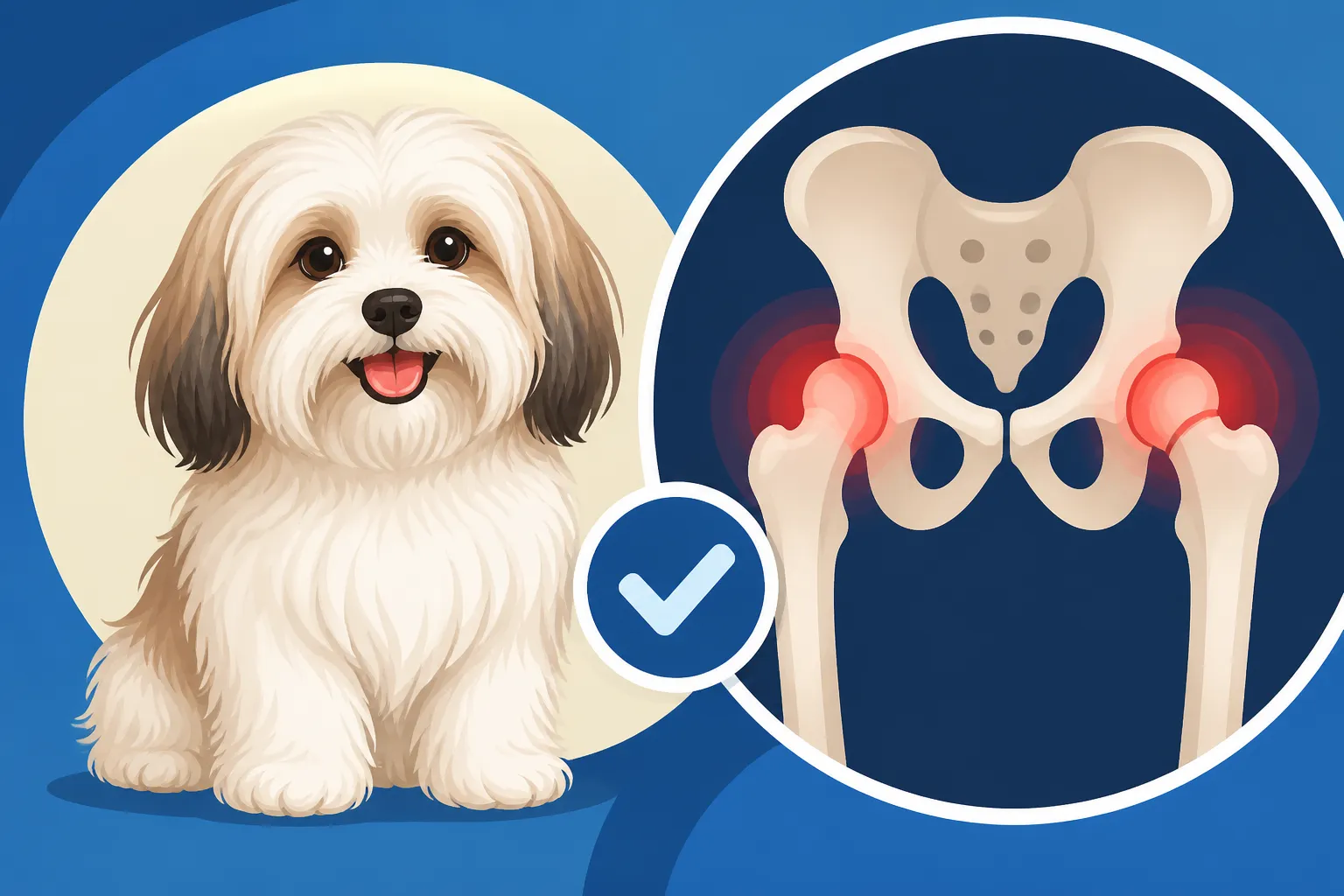
At its heart, hip dysplasia is a malformation of the hip joint. Think of your dog's hip as a ball-and-socket joint, much like our own. The "ball" is the head of the femur (thigh bone), and the "socket" is part of the pelvis called the acetabulum. In a healthy hip, these two fit together snugly, allowing for smooth, pain-free movement. However, with hip dysplasia, this fit isn't quite right. The socket might be too shallow, or the head of the femur might be flattened, or both. This poor fit means the joint surfaces don't glide smoothly; instead, they grind and rub.
Over time, this abnormal wear and tear leads to degeneration of the joint, causing inflammation, pain, and eventually, crippling arthritis. The body tries to compensate by laying down new bone, but this often makes the problem worse, further restricting movement and increasing discomfort. It's a progressive condition, meaning it tends to worsen over time, and its severity can range from mild laxity that barely affects a dog to severe deformity that causes chronic, debilitating pain. Genetics play a huge role, but environmental factors like rapid growth, excessive weight gain, and strenuous exercise during puppyhood can also influence its development and severity.
Why Small Breeds are Often Thought Immune
It's a common misconception that hip dysplasia is exclusively a "big dog problem." We hear about it frequently in breeds like German Shepherds, Labradors, Golden Retrievers, and Rottweilers, and it’s true that these larger, heavier breeds are statistically more predisposed due to their rapid growth rates and the sheer stress their weight puts on developing joints. This often leads smaller dog owners to breathe a sigh of relief, thinking their tiny companions are somehow immune to such a debilitating condition.
However, while the incidence rate is significantly lower in toy breeds, it's not entirely impossible for a small dog, including a Havanese, to be affected. The physics are different; less weight means less force on the developing joint. But genetic predispositions don't discriminate solely based on size. A smaller dog might carry the genes for hip dysplasia, and if the joint forms incorrectly, they can still experience the symptoms, albeit sometimes less severely or with a delayed onset compared to a giant breed. The real distinction often lies in the clinical signs – a Havanese might show subtle lameness, a reluctance to jump, or a change in gait, rather than the dramatic limping or "bunny hopping" more commonly observed in larger, more obviously affected dogs. This subtlety can sometimes make diagnosis a bit trickier, as owners might attribute mild symptoms to other, more common small-breed joint issues.
Hip Dysplasia and the Havanese Breed
Now, let's get to the heart of the matter for our charming Havanese companions. While no dog is truly immune to any health condition, some breeds definitely have higher risks for certain ailments.
Is Hip Dysplasia Common in Havanese?
Here’s the good news: hip dysplasia is not common in Havanese. In fact, compared to many other breeds, especially the larger ones, the Havanese is considered to have a relatively low incidence of this particular joint disorder. This is largely due to their compact size and lighter body weight, which reduces the mechanical stress on their hip joints during development and throughout their lives. When organizations like the Orthopedic Foundation for Animals (OFA) evaluate hip health across various breeds, Havanese typically show a much lower percentage of dysplastic hips than breeds traditionally known for the condition.
That being said, "not common" doesn't mean "never." A Havanese can still be born with hip dysplasia, particularly if there's a genetic predisposition in their lineage that wasn't properly screened for. It's rare enough that if your Havanese is limping or showing signs of discomfort in their hind end, your veterinarian will likely investigate other, more prevalent Havanese-specific joint issues first before jumping to a hip dysplasia diagnosis. This is why thorough health testing by reputable breeders is so important, even for breeds with low incidence rates, to minimize the chances of passing on any genetic vulnerabilities. For instance, knowing The Health Tests Both Havanese Parents Should Have is crucial for prospective puppy owners.
Other Joint Issues Havanese Are Prone To
While hip dysplasia is generally a rare concern for Havanese, these little dogs aren't entirely off the hook when it comes to joint health. They have their own set of predispositions, and knowing about these is much more pertinent for a Havanese owner.
One of the most common orthopedic issues in Havanese, and indeed many small breeds, is The Kneecaps a Havanese Slips, medically known as patellar luxation. This is where the kneecap (patella) dislocates or slips out of its normal groove in the thigh bone. You might see your Havanese suddenly skip a step, hold a back leg up for a moment, and then continue as if nothing happened. It can range from mild, intermittent slipping to severe cases that require surgical correction. Many small dogs live with a low grade of luxation their entire lives without significant pain, but more severe cases can lead to arthritis and require intervention.
Another, though less common than patellar luxation but still more prevalent than hip dysplasia in Havanese, is Legg Calve Perthes and the Limping Havanese Puppy. This is a degenerative disease of the hip joint that affects the head of the femur. For reasons not fully understood, the blood supply to the femoral head is interrupted, causing the bone to die and collapse. This leads to pain, limping, and muscle atrophy, usually presenting in puppies between 6 and 12 months of age. While it affects the hip, it's a very different condition from hip dysplasia. If your Havanese is diagnosed with this, the typical treatment is femoral head ostectomy (FHO) surgery, which can be very effective, as detailed in articles like Whether a Havanese Needs Femoral Head Surgery and Whether a Havanese Recovers Fully From Hip Surgery.
Given these more common issues, if your Havanese shows signs of hind leg lameness, your vet will undoubtedly consider patellar luxation and Legg-Calve-Perthes disease as primary suspects, long before extensively investigating hip dysplasia.
Recognizing Symptoms and Seeking Diagnosis
Even though hip dysplasia is uncommon in Havanese, knowing what to look for and how a diagnosis is made can still provide valuable peace of mind. After all, any limping or discomfort in your furry friend is cause for concern.
What to Look For if You Suspect Hip Trouble
Catching any health issue early is always beneficial, and joint problems are no exception. Even if hip dysplasia is rare, the symptoms it presents can overlap with other conditions like patellar luxation or Legg-Calve-Perthes, so it's wise to be vigilant. For a Havanese, signs of hip discomfort might be subtle, especially in the early stages.
Keep an eye out for changes in their movement or behavior. You might notice a slight lameness or limping, particularly after exercise or after they've been resting. This might initially manifest as a reluctance to use one or both back legs fully. They might be slower to rise from a lying position or hesitant to jump onto furniture – which, let's be honest, Havanese usually adore doing! If you're used to your Havanese being a little agile jumper, a sudden aversion to leaping from the couch or bed could be a red flag. This also ties into the general advice about Keeping a Havanese Off Furniture It Should Not Jump From to protect their joints.
Other signs can include a decreased range of motion in their hips, a noticeable decrease in their overall activity level, or a change in their gait, sometimes described as a "bunny hop" when they run, where both back legs move together. They might also show pain when you touch their hip area, or even display aggression if they're usually gentle, due to discomfort. Muscle atrophy in the hind limbs can develop over time as they try to avoid putting weight on the painful joint. Remember, these are general signs of hip pain, and they could point to any number of conditions, but they always warrant a vet visit. Understanding The Age a Havanese Shows Hip Pain can also help you recognize potential issues within appropriate developmental windows.
The Diagnostic Process
If you notice any of these symptoms, your first step should always be a trip to your veterinarian. Don't try to diagnose it yourself or wait it out. Your vet will begin with a thorough physical examination. They’ll carefully manipulate your Havanese’s legs and hips, checking for pain, grinding, or looseness in the joint. They'll also assess their gait and observe how they move.
If the physical exam raises suspicions of a hip or joint issue, the next crucial step is usually X-rays. For proper diagnosis of hip dysplasia, specific radiographic views are needed. Your Havanese might need to be sedated or anesthetized for these X-rays to ensure they are perfectly positioned, which is essential for accurate evaluation of the hip joint's structure and conformity. These images will show the vet the shape of the femoral head and the acetabulum, the depth of the socket, and any signs of arthritic changes or bone remodeling. In some cases, your vet might recommend specialized X-ray techniques, like PennHIP evaluations, which are designed to measure hip laxity and can detect a predisposition to hip dysplasia even in young puppies.
A definitive diagnosis relies heavily on these radiographic findings, combined with the clinical signs observed. Once a diagnosis is made, your vet can discuss the various management and treatment options available, tailoring a plan specifically for your Havanese. The potential costs for these diagnostics and any subsequent treatment can be substantial, which is why some owners consider pet insurance. Providers like Healthy Paws can offer plans that cover these unexpected veterinary expenses, providing peace of mind during a stressful time.
Managing and Preventing Hip Health in Havanese
While the thought of hip dysplasia can be frightening, especially for a beloved Havanese, there's a lot you can do as an owner to support their joint health, both preventatively and if an issue does arise.
Lifestyle Adjustments and Supportive Care
Even if hip dysplasia is rare, good joint care is essential for preventing other common issues, like patellar luxation, or for managing any orthopedic problems that do develop. The cornerstone of joint health management often starts at home with smart lifestyle choices.
Weight Management: This is perhaps one of the most critical factors for any dog's joint health. Carrying extra weight puts enormous strain on all joints, including the hips and knees. Even a few extra pounds on a small Havanese can make a significant difference. Keeping your Havanese at a lean, healthy weight can dramatically reduce the progression of arthritis and alleviate pain. If you're wondering Whether a Havanese Should Be Kept Slim for Its Joints, the answer is a resounding yes! A balanced diet and appropriate portion sizes are key.
Controlled Exercise: Regular, moderate exercise helps strengthen the muscles supporting the joints, providing better stability. However, avoid high-impact activities, excessive jumping, or long periods of intense running, especially on hard surfaces, which can be detrimental. Short, frequent walks and gentle play sessions are ideal for a Havanese. For older dogs or those with known joint issues, swimming can be an excellent low-impact exercise option.
Joint Supplements: Many Havanese owners consider giving joint supplements, especially as their dogs age or if they show early signs of joint stiffness. Ingredients like glucosamine, chondroitin, and MSM are popular for their potential to support cartilage health and reduce inflammation. Omega-3 fatty acids, often found in fish oil, are also beneficial for their anti-inflammatory properties. While not a cure, these can certainly help improve comfort and mobility. If you're curious Whether Joint Supplements Help a Havanese, talk to your vet about appropriate options and dosages. When dealing with ongoing health needs, having good pet insurance like Healthy Paws can really ease the financial burden of managing long-term conditions and supportive care.
Comfort and Environment: Providing soft, orthopedic beds can make a big difference for dogs with joint pain. Using ramps or pet stairs to allow your Havanese to safely get on and off furniture can also reduce strain on their hips and knees. Keeping floors carpeted or using non-slip mats can prevent slips and falls that might exacerbate joint issues.
The Importance of Responsible Breeding
When it comes to preventing genetic conditions like hip dysplasia or other inherited joint problems, responsible breeding practices are paramount. This is where you, as a prospective puppy owner, have a powerful role to play.
Health Screening: Reputable Havanese breeders diligently screen their breeding stock for a range of inherited health conditions that can affect the breed. For hips, while hip dysplasia is rare, good breeders will still often perform OFA (Orthopedic Foundation for Animals) or PennHIP evaluations on their breeding dogs. These certifications provide an objective assessment of hip joint conformation and laxity, allowing breeders to make informed decisions about which dogs to breed. They also typically screen for patellar luxation, elbow dysplasia (though less common in Havanese), and other genetic conditions specific to the breed. Don't be shy about asking your breeder about Whether a Havanese Breeder Should Show CHIC Numbers—this is an excellent way to verify comprehensive health testing.
Transparency and Pedigrees: A responsible breeder will be completely transparent about the health history of their breeding dogs and their puppies. They should be able to provide you with copies of health certifications, often accessible through public databases like the OFA. They should also openly discuss any health issues that have appeared in their lines, however rare. Looking at the pedigree and researching the health of ancestors can also provide valuable insight into potential genetic predispositions.
By choosing a puppy from a breeder who prioritizes health screening and ethical breeding practices, you significantly increase the chances of bringing home a healthy Havanese who is less likely to suffer from inherited orthopedic problems. While no guarantee exists in biology, this proactive approach is the best defense against many preventable health issues.
Comparison of Common Havanese Hind Leg Issues
To help clarify the differences between hip dysplasia and other more common hind leg issues in Havanese, here's a quick comparison:
| Feature | Hip Dysplasia (Rare in Havanese) | Patellar Luxation (Common in Havanese) | Legg-Calve-Perthes Disease (Less Common, but more than HD) |
|---|---|---|---|
| Affected Joint | Hip joint (ball and socket) | Knee joint (kneecap slipping out of groove) | Hip joint (femoral head) |
| Core Problem | Malformed joint, laxity, abnormal wear | Kneecap slides out of position | Blood supply loss to femoral head, bone death |
| Typical Onset | Puppyhood to adulthood (can be progressive) | Puppyhood or young adult | Puppies, usually 6-12 months |
| Common Signs | Limping, "bunny hopping," reluctance to jump/rise, pain on hip palpation, muscle atrophy | Intermittent skipping/holding up leg, "kick-starting" leg, mild to severe lameness | Sudden lameness, pain, muscle atrophy in one hind leg |
| Genetics | Strong genetic component | Strong genetic component | Genetic predisposition |
| Diagnosis | Physical exam, specific hip X-rays (OFA, PennHIP) | Physical exam, palpation of knee | Physical exam, X-rays of the hip |
| Treatment | Weight management, pain meds, supplements, surgery (e.g., FHO, THR) in severe cases | Weight management, pain meds, surgery in moderate to severe cases | Femoral Head Ostectomy (FHO) surgery is common |
| Prognosis | Variable, depends on severity and treatment | Good with proper management/surgery | Good with successful surgery and rehab |
This table highlights why it's so important not to jump to conclusions when your Havanese shows a limp. Each condition has distinct characteristics, and your vet's expertise is invaluable in discerning the true cause of any discomfort.
Disclaimer
Please remember that this article is intended for informational purposes only and should not replace professional veterinary advice. Always consult with your veterinarian regarding any health concerns or before making any decisions about your Havanese's care.