Whether a Havanese’s Baby Teeth Need Pulling
One of the most common worries for new Havanese puppy parents is what's happening inside that adorable little mouth. You've probably noticed those tiny, needle-sharp puppy teeth, but what happens when they don't seem to fall out when they should, or you see two teeth in the same spot? It's a surprisingly frequent issue in toy breeds like our beloved Havanese, and it can lead to bigger problems if not addressed. This guide will walk you through the ins and outs of retained baby teeth in Havanese puppies, why it happens, and what steps you might need to take, including whether those stubborn baby teeth need pulling.
Understanding Normal Tooth Development in Havanese Puppies
Just like human babies, Havanese puppies are born without teeth. Those pearly whites, or rather, pearly sharps, begin to emerge pretty quickly, usually by about three to four weeks of age. These are their deciduous teeth, more commonly known as "baby teeth" or "milk teeth." They're incredibly important for helping puppies learn to eat solid food and interact with their littermates, even if those sharp nips can be a bit startling during playtime!
By the time your Havanese puppy is around eight weeks old, they should have a full set of 28 baby teeth: 14 in the upper jaw and 14 in the lower. These include incisors at the front, canines (the long, pointy ones), and premolars. There are no molars in a puppy's baby tooth set.
The Natural Process of Puppy Tooth Loss
Around three to four months of age, your Havanese puppy enters the exciting (and sometimes chew-heavy) phase of teething. This is when their permanent adult teeth start to push through, naturally reabsorbing the roots of the baby teeth and causing them to loosen and fall out. Most Havanese will have lost all their baby teeth and grown a full set of 42 adult teeth by six to seven months old. It's a pretty remarkable process, and often, you won't even notice the baby teeth falling out because puppies tend to swallow them during mealtime or play.
However, sometimes this natural process doesn't go quite as planned, especially in smaller breeds like the Havanese. Their mouths are tiny, and sometimes there just isn't enough space, or the baby tooth root doesn't reabsorb properly. This is where "retained deciduous teeth" come into play, and it's something every Havanese owner needs to be aware of.
Identifying Retained Baby Teeth in Your Havanese
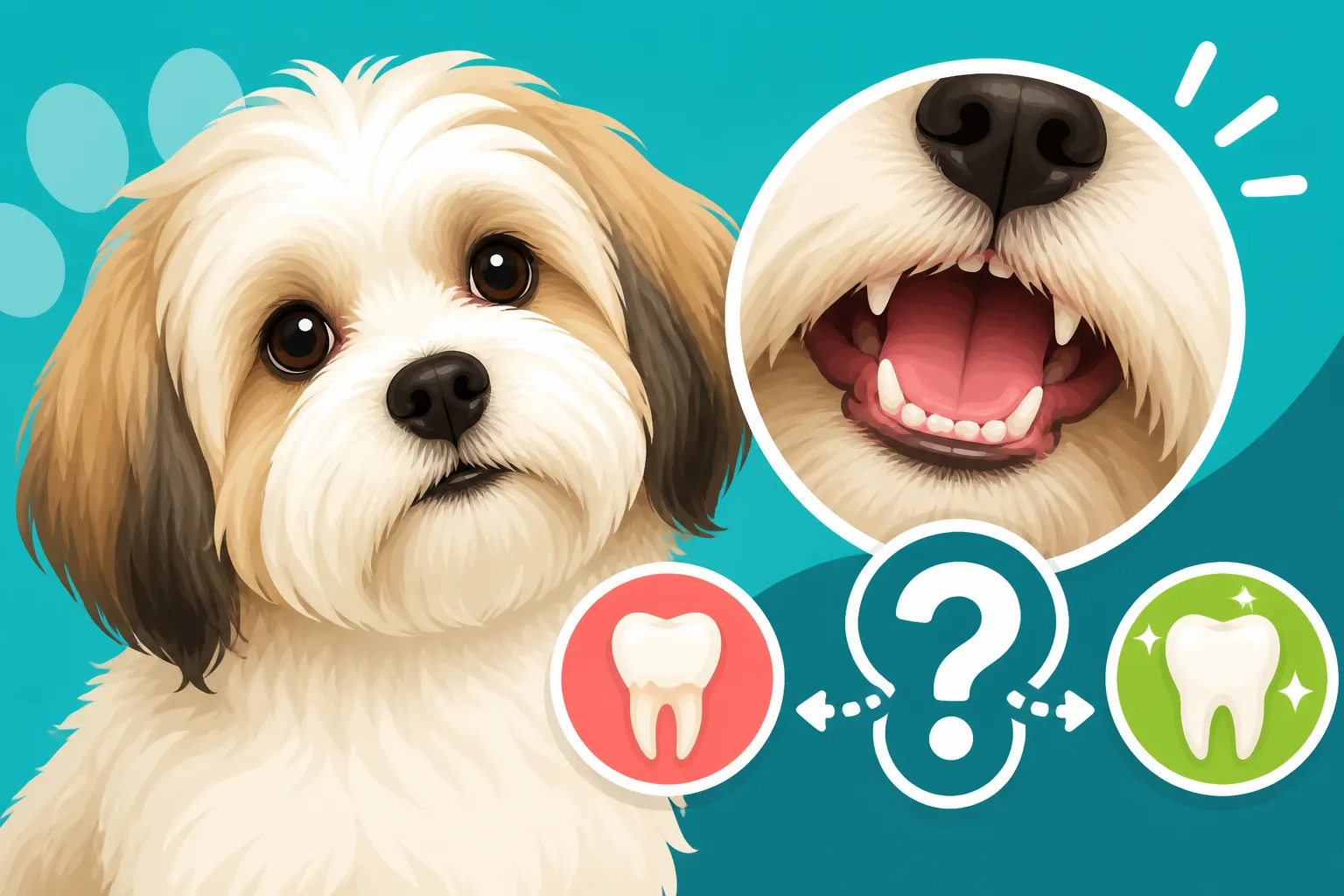
Spotting a retained baby tooth isn't always obvious, but it’s crucial for your Havanese's long-term dental health. The most common sign is seeing two teeth occupying the same space – the baby tooth stubbornly holding its ground right next to the emerging adult tooth. This is most frequently observed with the canine teeth, both upper and lower, but can happen with incisors and premolars too.
It’s a good idea to get into the habit of gently checking your Havanese puppy’s mouth regularly, especially between four and seven months of age. You're looking for any baby teeth that seem to be lingering after the adult tooth has already erupted. If you run your finger along their gum line and feel a double set of teeth, or if a baby tooth simply isn't gone by around six months when the adult tooth is clearly there, it's definitely time to bring it up with your veterinarian. During your Havanese's yearly checkup, your vet will always perform a thorough dental examination, but it’s helpful for you to be aware of the signs.
The Dangers of "Double Dentition"
When a baby tooth doesn't fall out, it creates what's often called "double dentition." This might look harmless, but it sets the stage for a host of potential problems. Think about it: two teeth trying to exist in the space meant for one. This immediately leads to crowding, which can force the adult teeth into incorrect positions. An adult canine tooth might erupt on the inside of the jaw, for instance, or other teeth might be pushed out of alignment. This kind of Dental Crowding in a Havanese Mouth isn't just an aesthetic issue; it's a health concern.
Furthermore, the tight space created by retained baby teeth and their adult counterparts makes a perfect trap for food particles and debris. This creates an environment where bacteria can flourish, leading to a much higher risk of plaque buildup, tartar, gingivitis, and eventually, periodontal disease. For a breed already prone to dental issues, this can accelerate the process, meaning your Havanese might need professional dental cleanings much earlier than otherwise anticipated, and potentially more often over their lifespan. Neglecting these issues can cause pain, infection, and even premature tooth loss in adulthood. This is part of the broader discussion of The Dental Work Every Havanese Needs by Six, where prevention is key.
When Pulling Baby Teeth Becomes Necessary
The short answer to "Whether a Havanese's Baby Teeth Need Pulling" is often, yes, they do. If a baby tooth is retained and the adult tooth has already started to erupt or is clearly visible next to it, then that baby tooth needs to be extracted. Waiting it out is rarely a good strategy because the longer the baby tooth remains, the more likely it is to cause permanent malocclusion (improper bite) and accelerate periodontal disease in the adult tooth.
Your veterinarian is the best person to assess the situation. They will examine your Havanese's mouth, noting which teeth are retained and whether they are interfering with the adult teeth. Generally, if an adult tooth has emerged more than 50% of its length and the baby tooth is still present, extraction is recommended. This usually happens between 5 to 8 months of age, often coinciding with their spay or neuter surgery, as it minimizes the need for an additional anesthetic procedure.
The Extraction Procedure and Recovery
Extracting retained baby teeth in Havanese puppies is a veterinary procedure that requires general anesthesia. This allows the vet to perform the extraction safely, precisely, and pain-free for your puppy. Before any anesthetic procedure, your vet will typically recommend pre-anesthetic blood work to ensure your Havanese is healthy enough for anesthesia. This is a vital step, especially since concerns about Whether Anesthesia Is Riskier on a Small Havanese are common among pet parents. Most reputable vets take every precaution to make anesthesia as safe as possible for small breeds.
The extraction itself involves carefully loosening the baby tooth from its socket and removing it, ensuring that the entire tooth, including the root, is extracted. In some cases, tiny incisions may be needed to facilitate removal, which are then closed with dissolvable sutures. Your puppy will usually go home the same day with pain medication and potentially antibiotics. Recovery is generally quick and uneventful. For a few days, your Havanese might be a little quiet and may prefer softer food. You'll need to monitor the extraction sites for any signs of infection or excessive bleeding.
Long-Term Dental Health After Extraction
Once those stubborn baby teeth are gone, it gives the adult teeth the best possible chance to settle into their correct positions. However, having retained baby teeth often means your Havanese may have been predisposed to dental crowding from the start. This means ongoing vigilance and excellent home dental care become even more important throughout their life.
Preventive care is truly the foundation of a healthy mouth for your Havanese. This includes daily tooth brushing, using dental chews or water additives approved by your vet, and regular professional dental cleanings as recommended. Many owners ask How Often a Havanese's Teeth Need Scaling, and while it varies, those with previous crowding might need more frequent attention. Establishing a good routine right from puppyhood is key to keeping those pearly whites healthy.
The Role of Diet and Chew Toys
While diet won't prevent retained baby teeth, feeding a high-quality kibble designed for small breeds can sometimes help reduce plaque and tartar buildup. Some dental-specific diets are also available that have a unique kibble design to gently scrub teeth as your Havanese chews. Always discuss dietary changes with your vet to ensure it's appropriate for your individual Havanese.
Chew toys can also be beneficial, but choose wisely. Look for durable, vet-approved chew toys that are flexible enough not to damage teeth but firm enough to provide a good chewing surface. Avoid extremely hard chews like antlers or bones, as these can cause fractures to adult teeth, which is a whole other painful and expensive problem. Appropriate chewing can help keep teeth clean and gums healthy, contributing to overall dental wellness as your Havanese grows from a puppy into an adult. This is part of What a Havanese Needs Every Day – not just food and cuddles, but also opportunities for appropriate dental health.
Comprehensive Dental Care Beyond Puppyhood
Dental health isn't a "one-and-done" deal after baby teeth are addressed; it's a lifelong commitment. Your Havanese will benefit immensely from consistent dental hygiene. Regular professional dental cleanings, much like our own visits to the dentist, are crucial. During these cleanings, your vet will perform a thorough examination, including dental X-rays to check for issues beneath the gumline, and scale away plaque and tartar. This helps prevent the progression of periodontal disease, which can lead to serious health problems if left untreated. Many pet insurance providers, like Healthy Paws, recognize the importance of proactive dental care in preventing more severe conditions and may offer coverage for certain dental procedures due to accidents or illness, though routine cleanings are typically excluded.
As your Havanese ages, dental health becomes even more critical. Older dogs are more susceptible to advanced periodontal disease. Caring for a Havanese Past Twelve often means a heightened focus on their oral health, as teeth can become loose, infected, or simply worn down. Keep an eye out for signs like bad breath, difficulty eating, pawing at the mouth, or changes in behavior, which can all indicate dental pain.
Partnering with Your Veterinarian
Your veterinarian is your most important partner in managing your Havanese's dental health. From the first puppy visits, where they'll check for issues like retained baby teeth and discuss The Age a Havanese Needs Its First Dental, to routine senior check-ups, their expertise is invaluable. They can advise you on the best brushing techniques, recommend specific dental products, and determine the appropriate schedule for professional cleanings.
Don't hesitate to ask questions about your Havanese's oral health at every vet visit. Even a quick visual inspection at home can catch early signs of trouble, but only a vet can properly diagnose and treat dental issues. Regular check-ups are essential not just for teeth but for overall health, including things like What a Cardiac Exam Costs on a Havanese, which might be a pre-anesthesia requirement. Many pet parents find the consistent support from their vet, combined with pet insurance like Healthy Paws, provides peace of mind for their Havanese's health journey. Ensuring your vet is familiar with the common health quirks of toy breeds can make all the difference, especially in a Havanese's The First Year With a Havanese Puppy when so much development is happening.
Regular veterinary visits also help monitor other aspects of their health, providing a holistic view of their well-being. For instance, sometimes a persistent cough might point to a dental issue causing inflammation or infection in nearby structures, rather than just a respiratory problem. This comprehensive approach ensures that any health concern, big or small, is addressed promptly, maintaining the joyful spirit and long life our Havanese companions deserve. Investing in good health from the beginning, and considering pet insurance such as Healthy Paws, can certainly help manage the financial aspects of maintaining a healthy pet.
| Retained Baby Teeth: Key Information for Havanese Owners |
|---|
Remember that with pet insurance, while it might not cover all pre-existing conditions if you were already aware of a problem before getting coverage, for sudden, unexpected illnesses or injuries that happen after your policy is active, having a plan like Healthy Paws can be a huge comfort. They focus on covering unexpected illnesses and accidents, which is where those big, sudden vet bills often come from. While routine care is generally something pet insurance doesn't cover, for an unexpected illness or injury to your Havanese, it can really help.
Disclaimer
This article is for informational purposes only and is not a substitute for professional veterinary advice. Always consult with your veterinarian for any health concerns or before making any decisions related to your pet's care, diet, or treatment.