Whether Indoor Pads Suit a Havanese
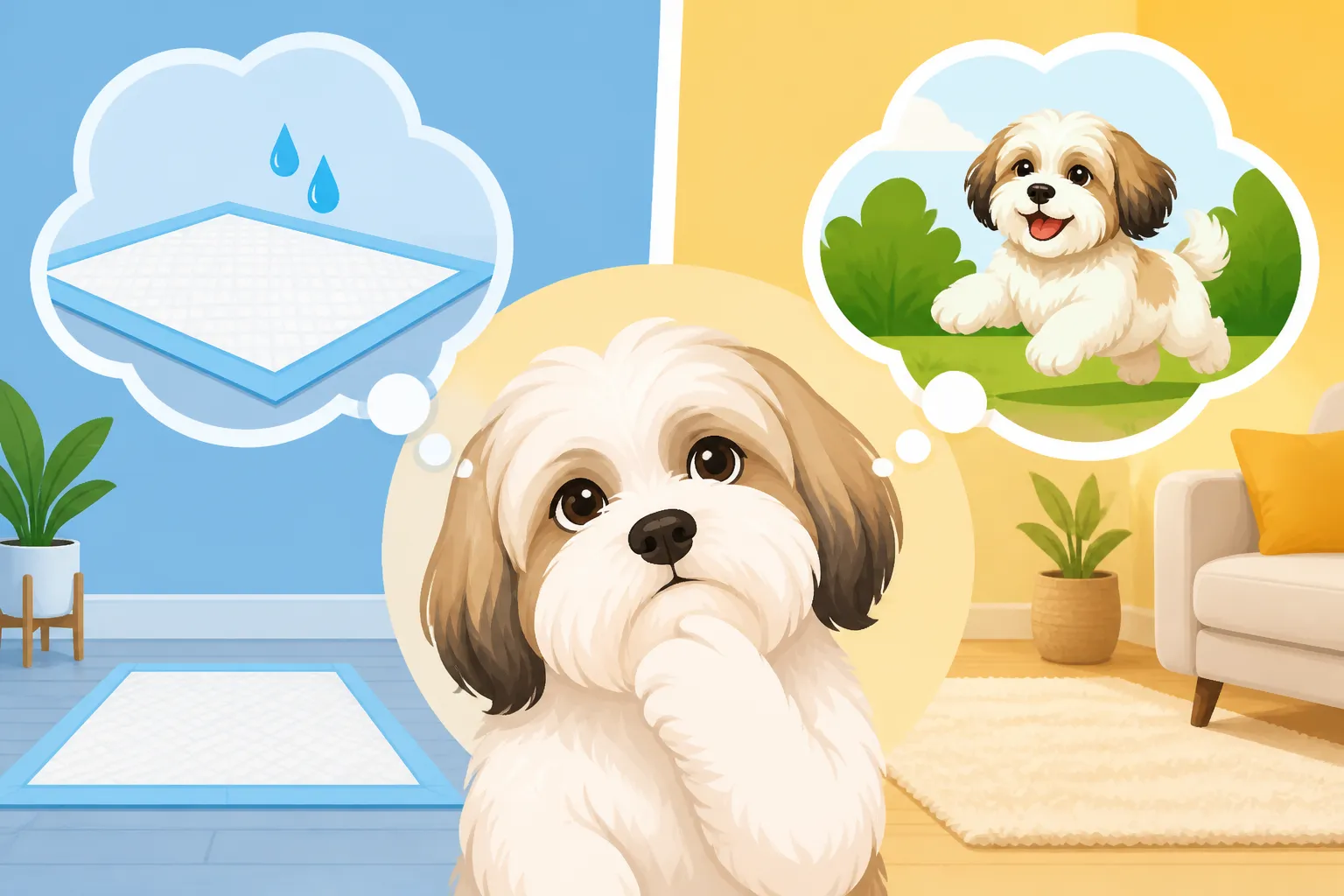
Ah, the eternal question for many Havanese owners, especially those living in apartments or facing challenging weather: "Can my precious Havanese really be trained to use indoor potty pads, and is it a good idea in the long run?" It’s a completely understandable thought, often born out of love and a desire to make life easier for both you and your little companion. We’ve all been there, staring out at a blizzard or a torrential downpour, wondering how we’re going to get our fluffy friend to do their business without turning into a soggy mess. This guide will dive deep into the world of indoor potty pads for Havanese, exploring their practicalities, potential pitfalls, and how to make them work if they're truly the best option for your unique situation.
The Appeal and Pitfalls of Indoor Potty Pads for Havanese
There’s a powerful draw to the idea of indoor potty pads, especially with a small breed like the Havanese. They offer what seems like an elegant solution to several common challenges, yet, like most things in life, they come with their own set of considerations that aren't always immediately obvious.
Why Indoor Pads Seem Like a Good Idea for Havanese Owners
Let's be honest, the convenience factor is huge. Imagine a snowy morning where you don't have to bundle up, leash up, and brave the elements. Or, if you live in a high-rise apartment in a bustling city, the thought of avoiding multiple elevator rides and dodging urban hazards just to let your Havanese relieve themselves is incredibly appealing. For many, indoor pads represent freedom and ease.
This is particularly true for Havanese puppies. They have tiny bladders and need to go constantly. It feels like every ten minutes they’re squatting! Setting up a designated indoor spot can significantly reduce accidents on your pristine rugs and hardwood floors during those initial, intensive house-training weeks. It’s a controlled environment, offering predictability for both you and your little floof. This setup can be especially helpful during the critical early weeks when a Havanese puppy should be crated at night or when they are still too young to have received all their vaccinations and are not yet safe to explore public outdoor spaces where other dogs might have left germs.
Another scenario where pads might seem like a lifesaver is for owners with mobility issues. If you struggle to get around easily or can't manage multiple trips outside each day, providing an indoor option ensures your Havanese isn't forced to "hold it" for uncomfortable lengths of time, which can lead to stress and even health issues. Similarly, for those who work long hours and worry about their Havanese being home alone, a pad offers peace of mind, knowing they have an acceptable place to go if nature calls unexpectedly. It's about minimizing stress and maximizing comfort for your beloved pet, even if it introduces its own set of challenges down the line.
The Hidden Downsides You Might Not Consider
While the convenience of indoor pads is undeniable, they do come with some significant caveats that Havanese owners need to be aware of. The biggest one is often the confusion it creates for your Havanese about where they should relieve themselves. We want our dogs to understand that going potty is an outdoor activity, separate from their living space. Pads, by their very nature, blur this line. A Havanese might learn, "It's okay to pee on this soft, absorbent thing in the house," and then generalize that to other soft, absorbent things – like your bath mats, the laundry pile, or that lovely rug in the living room. It’s a slippery slope! This can be a major headache for owners trying to housetrain, and sometimes it can feel like your Havanese is slower to house train than other breeds because of this mixed messaging.
Another common issue is the lingering smell. Even with the most absorbent pads and diligent cleaning, there can be a subtle odor, especially in smaller living spaces. This isn't just unpleasant for humans; it can also reinforce the idea for your Havanese that "this area is for potty," making it harder to break the habit later. Plus, the constant purchasing of pads can add up. While a single pad might seem inexpensive, over weeks, months, and years, the cost can become quite significant, making you wonder what a Havanese costs a year to keep.
There's also the question of hygiene and tracking. A Havanese, with their long, flowing coat and fluffy feet, can easily track urine or feces from the pad onto your floors and furniture. Imagine those adorable little paws stepping in a bit of wetness and then traipsing across your freshly cleaned house. Not ideal, right? This means constant vigilance and cleaning on your part, potentially negating some of the "convenience" you were hoping for. And let's not forget that pads don't offer the mental stimulation and physical exercise that comes from a good outdoor walk. Havanese are bright, curious dogs, and missing out on sniffing, exploring, and engaging with the outside world just to use a pad indoors can lead to boredom and other behavioral issues.
Training Your Havanese to Use Potty Pads Effectively
If you've decided that indoor potty pads are a necessary part of your Havanese's routine, for whatever reason, then proper training is absolutely crucial. It's not as simple as just putting a pad down and hoping for the best; you need a strategic approach to minimize confusion and maximize success.
Starting Potty Pad Training with Your Havanese Puppy
When you bring home a new Havanese puppy, their world is entirely new, and everything is a learning opportunity. The key to successful potty pad training is consistency, positive reinforcement, and understanding your puppy's natural rhythms. Start by confining your puppy to a small, safe area where the pad is easily accessible and the designated "potty spot." This could be a playpen or a gated-off section of a room. The idea is to limit their options, so they naturally gravitate towards the pad when they need to go. You can find excellent playpens on Amazon that provide a secure space.
Whenever your Havanese puppy wakes up, after they eat or drink, and after playing, immediately take them to the pad. Use a consistent phrase, like "go potty," to associate the action with the command. When they successfully use the pad, praise them enthusiastically and offer a tiny, high-value treat. This immediate reward is vital for them to understand what they did right. If you catch them sniffing or circling before an accident, gently scoop them up and place them on the pad. The goal is to make using the pad the most rewarding experience possible. Remember that positive reinforcement is always more effective than punishment, especially with a sensitive breed like the Havanese. A program like BAXTER & Bella can offer detailed guidance on positive reinforcement methods for puppies, regardless of whether you’re focusing on pads or outdoor training.
It's also important to understand that puppies have very little bladder control. Expect frequent trips to the pad. A good rule of thumb is that a puppy can typically hold their bladder for about one hour per month of age, plus one. So, a three-month-old Havanese might be able to hold it for around four hours at most. Setting a timer and taking them to the pad regularly, even if you think they don't need to go, can prevent many accidents. Keep their food and water on a consistent schedule, as this will also help regulate their potty times.
Strategies for Success and Consistency
Consistency is truly the secret sauce when it comes to any form of potty training, and pads are no exception. Place the potty pads in the same spot every single time. Moving them around will only confuse your Havanese. If you need to have pads in multiple rooms, ensure they are in consistent, predictable locations. Regularly replace soiled pads to keep the area clean and inviting for your Havanese to use. Dogs generally prefer a clean spot for their business, and a dirty pad might deter them or encourage them to seek out other "clean" spots in your home.
Consider the type of pad you’re using. Some Havanese prefer different textures. There are traditional disposable pads, washable fabric pads, and even "grass patch" systems that mimic the feel of real turf. Experiment to see what your Havanese takes to most readily. For example, a "real grass" potty system might be a great way to bridge the gap if your ultimate goal is outdoor training. When your Havanese consistently uses the pad, you can start to gradually expand their unsupervised access to other areas of the home, always keeping a close eye and reverting to confinement if accidents increase.
It's also helpful to teach a "potty cue." This could be a specific word like "go potty" or "do your business." Use this cue every time you take your Havanese to the pad, and praise them lavishly when they perform. Over time, this command can prompt them to go, which is incredibly useful. Avoid punishing accidents. If you find a mess, simply clean it up thoroughly with an enzymatic cleaner (to eliminate the scent that might attract them back to the same spot) and make a mental note to increase your supervision or frequency of pad trips. Yelling or scolding will only make your Havanese fearful of you and potentially more secretive about their potty habits.
When Potty Pads Become a Crutch, Not a Solution
While pads can be incredibly useful, there's a fine line between using them as a training tool and inadvertently creating a long-term problem. The biggest issue often arises when owners rely on pads for too long, especially if the ultimate goal is for the Havanese to be reliably potty trained outdoors. Your Havanese can become too accustomed to using pads, seeing indoor elimination as the norm. This can make the transition to outdoor potty training incredibly difficult, as they may actively resist going outside, preferring the familiar texture and location of their pad. You might find yourself asking whether a Havanese refuses to toilet in snow or rain, precisely because they’ve learned the convenience of indoor relief.
Another concern is that pads can sometimes mask underlying issues. For example, if your Havanese is having frequent accidents despite consistent pad training, it could be a sign of a urinary tract infection, diabetes, or even stress. If you’re constantly cleaning up messes, it’s worth a trip to the vet to rule out any medical conditions. A Havanese that’s well-trained on pads but still has "accidents" could also be suffering from separation anxiety if the messes occur when you're away. Signs a Havanese has separation anxiety often include destructive chewing, excessive barking, and inappropriate urination or defecation.
Finally, while pads offer convenience, they can also lead to a less enriched life for your Havanese. Regular outdoor walks aren't just for potty breaks; they're crucial for physical exercise, mental stimulation, and socialization. A Havanese that primarily potties indoors might miss out on these vital experiences, potentially leading to boredom, weight gain, or behavioral problems. It's a delicate balance to strike, ensuring pads serve as a practical aid without hindering their overall well-being and development as a happy, well-adjusted companion.
The Transition: Moving from Pads to Outdoor Potty Training
If you've started your Havanese on indoor potty pads, perhaps out of necessity, but now wish for them to be reliably outdoor-trained, you're looking at a transition period. This isn't always easy, as you're essentially retraining a learned behavior, but it's absolutely achievable with patience and consistency.
Why a Gradual Approach is Key for Havanese
Trying to abruptly stop pad use and demand outdoor-only potty breaks can be incredibly confusing and stressful for your Havanese. They’ve learned that the pad is the acceptable place, and suddenly that rule is gone. This is where a gradual, thoughtful approach becomes your best friend. Start by slowly moving the pad closer to the door you'll be using for outdoor potty breaks. Move it just a few inches or a foot each day, allowing your Havanese to adjust to its new location. If they stop using the pad, you’ve moved it too quickly; slide it back a bit and proceed more slowly.
Once the pad is right next to the door, begin the process of taking your Havanese outside immediately when you see them heading for the pad, or when it's their usual potty time. Carry the soiled pad outside with you, or place a clean pad directly on the ground outside initially, to help them make the association. The scent can guide them. Reward them lavishly with praise and a high-value treat the moment they eliminate outside. This needs to be a much bigger, more exciting celebration than any pad success ever was. You want to make outdoor pottying the absolute best thing ever. This consistent, positive reinforcement for outdoor success while gradually phasing out the indoor option is what makes the difference. You're effectively making the outdoor experience more rewarding than the indoor one.
Consider timing your outdoor trips with natural triggers, like waking up, after meals, and after playtime. These are prime potty times for any Havanese, and hitting these windows will increase your chances of outdoor success. As they start consistently going outside, you can reduce the size of the pads, or eventually remove them completely, once you're confident they understand the new routine. Remember that your Havanese is smart and adaptable, but they need clear, consistent guidance from you. This is also where continued training and good habits, like those taught in a puppy class, can really solidify their understanding of appropriate behaviors.
Overcoming Common Challenges in the Transition
You're bound to hit a few bumps in the road during the transition, and that's perfectly normal. One common challenge is that your Havanese might resist going potty outside, especially if they are accustomed to the comfort and familiarity of the indoor pad. They might wander around, sniff, and then try to hold it until they get back inside. This is where immense patience is required. Stay outside longer than you think you need to, and resist the urge to go back inside immediately. Give them ample opportunity to do their business. If they still don't go, take them back inside, confine them (crate or small playpen) for 10-15 minutes, and then try again. Repeat this cycle until success.
Weather can also be a major obstacle. Havanese, with their lovely coats, might not be thrilled about rain, snow, or extreme cold. Whether a Havanese hates getting its feet wet is a legitimate concern for many owners. If your Havanese refuses to go outside in bad weather, consider investing in a little raincoat or boots to make the experience more comfortable for them. Create a small, sheltered outdoor potty area if possible. The goal is to make the outdoor experience as positive as possible, even when Mother Nature isn't cooperating.
Another challenge can be regression. Just when you think you've cracked it, your Havanese might have an accident inside. Don't despair! This is often a sign that you moved too fast, or that there was a lapse in supervision. Go back to basics: increase supervision, more frequent outdoor trips, and reinforce successful outdoor potty breaks. Always clean indoor accidents thoroughly with an enzymatic cleaner to remove any lingering scent that might draw them back. Avoid punishment, as it can create anxiety and make your Havanese afraid to go potty in front of you, even outside. The most important thing is to remain calm, consistent, and positive. Remember, your Havanese wants to please you, but they need clear communication to understand what you expect.
Alternative and Complementary Solutions for Havanese Potty Needs
While potty pads are one option, they are certainly not the only way to manage your Havanese's elimination needs, especially if you're looking for long-term solutions that promote overall health and good behavior.
Exploring Other Indoor Potty Options
If outdoor potty breaks are truly not feasible for a sustained period, or if you need a reliable backup for emergencies, there are other indoor options beyond traditional disposable pads. One popular choice is the "real grass" potty system. These systems come with trays that hold actual patches of sod. Many dogs, including Havanese, instinctively prefer to eliminate on real grass, making the transition easier and reducing confusion. The natural scent of grass also acts as a powerful attractant. Brands like Fresh Patch or DoggieLawn offer subscription services that deliver fresh grass patches to your door, making maintenance relatively easy.
Another alternative is a reusable, washable potty pad. These are often made of multiple absorbent layers and can be a more environmentally friendly and cost-effective option in the long run. While they still require washing, they eliminate the constant waste of disposable pads. Some owners also explore litter box training for their Havanese, much like one would train a cat. This involves using a large, shallow litter box with dog-specific litter (which often comes in pellet form) or even a small patch of artificial turf. The downside here can be tracking of litter, and some dogs just don't take to it naturally.
No matter the indoor alternative, the principles of training remain the same: consistency, positive reinforcement, and placing the designated potty area in a consistent, easy-to-access location. For Havanese, keeping these areas clean is especially important to prevent them from seeking out other "clean" spots in your home. The key is to find what works best for your specific living situation and your Havanese's preferences, ensuring they always have an appropriate place to relieve themselves.
The Importance of a Consistent Outdoor Routine
Even if you rely on indoor pads, it's really important to establish a consistent outdoor potty routine whenever possible. Havanese are relatively small dogs, but they still benefit immensely from being outside. Outdoor trips aren't just for emptying the bladder; they're vital for physical exercise, mental enrichment, and sensory stimulation. Imagine all the interesting smells, sounds, and sights they encounter! This contributes greatly to their overall happiness and well-being. Even short, frequent walks can do wonders for a Havanese, helping them expend energy and engage their intelligent minds. For ideas on how much activity your Havanese needs, you might want to read what a Havanese needs beyond a walk.
A consistent outdoor schedule helps regulate their digestive system and strengthens their natural instinct to eliminate away from their den (your home). For puppies, aim for trips every few hours. For adult Havanese, a minimum of three to four trips a day (morning, midday, evening, and before bed) is usually a good starting point, adjusting based on their individual needs. Always take them to the same general area outside, if possible, as familiar scents can encourage them to go. Make these outdoor excursions positive experiences – a chance for some fresh air, a bit of exploring, and quality time with you. This regular routine also makes it easier to spot any changes in their potty habits, which could be an early indicator of a health issue like a urinary tract infection or digestive upset.
Think of outdoor time as more than just a convenience; it's a fundamental part of responsible Havanese ownership. It strengthens your bond, provides essential enrichment, and helps prevent behavioral problems that can arise from boredom or lack of stimulation. Even a quick five-minute sniffari around the block can be incredibly stimulating for a Havanese, and it reinforces the idea that outside is the place for business.
Addressing Behavioral Reasons for Indoor Accidents
Sometimes, indoor accidents aren't just about training methods; they can be rooted in underlying behavioral or emotional issues that need to be addressed. If your Havanese is perfectly trained on pads, or even outdoors, but suddenly starts having accidents, it’s always best to rule out medical causes first with a vet visit. Once the vet gives a clean bill of health, then it's time to consider behavioral factors.
Stress and anxiety are common culprits. A Havanese might have accidents if they're experiencing separation anxiety when left alone, fear of loud noises (like thunderstorms or fireworks), or changes in their environment. A new baby, a move to a different home, or even a change in your work schedule can trigger anxiety. For example, whether a Havanese cries when you leave is a strong indicator of separation distress, which can manifest as indoor urination. Addressing the root cause of the anxiety through training, environmental changes, or even consulting with a professional behaviorist can help resolve the potty issues.
Submissive urination or excitement urination can also occur, especially in young Havanese. A small trickle of urine might happen when they greet you enthusiastically, or if they feel intimidated. This isn't a deliberate act but an involuntary response. In these cases, greeting your Havanese calmly, avoiding overly exciting interactions, and having them go potty outside immediately upon waking or arrival can help manage the behavior. Marking behavior, particularly in intact male Havanese, is another behavioral reason for indoor peeing. Neutering can often resolve this, but not always if the behavior has become deeply ingrained. Sometimes, using belly bands (for males) or doggy diapers (for females) can help manage marking while you work on retraining.
Understanding why your Havanese is having accidents is key to finding the right solution. It requires you to be a detective, observing their patterns, triggers, and emotional state. By being attentive and patient, you can help your Havanese feel secure and understand the expectations for their potty habits, leading to a happier, cleaner home for everyone.
Comparison of Potty Training Methods for Havanese
| Feature | Traditional Outdoor Training | Indoor Potty Pads | Real Grass Indoor Systems |
|---|---|---|---|
| Primary Location | Outdoor environment | Designated indoor pad area | Designated indoor grass area |
| Initial Learning | Focus on outdoor elimination, weather challenges | Easy access, quick initial success indoors | Mimics outdoor, often faster for dogs to grasp |
| Scent/Odor | Minimal indoor odor (if successful) | Can have lingering odor, requires frequent changes | Natural odor, decomposition helps |
| Hygiene/Tracking | Generally clean indoors | Risk of tracking urine/feces | Minimal tracking if well-maintained |
| Cost | Low initial cost (leash, bags), ongoing vet care | Ongoing cost of disposable pads (can be high) | Subscription fees, higher initial investment |
| Environmental Impact | Low (if waste is managed) | High with disposable pads | Variable depending on disposal/composting |
| Long-Term Goal | Preferred for most dogs, provides enrichment | Can hinder outdoor training, limited enrichment | Good bridge to outdoor, some enrichment |
| Convenience | Requires regular outdoor trips (weather, time) | High for owner, especially in bad weather/apartments | High, similar to pads but often preferred by dogs |
| Havanese Suitability | Ideal for physical/mental health and socialization | Practical for puppies/emergencies, difficult to transition | Excellent compromise for indoor needs |
Disclaimer
This article is for general informational purposes only and does not constitute professional advice. Laws, prices and regulations vary by location and change over time. Consult a qualified professional for guidance on your specific situation.