The Age a Havanese Puppy Stops Biting
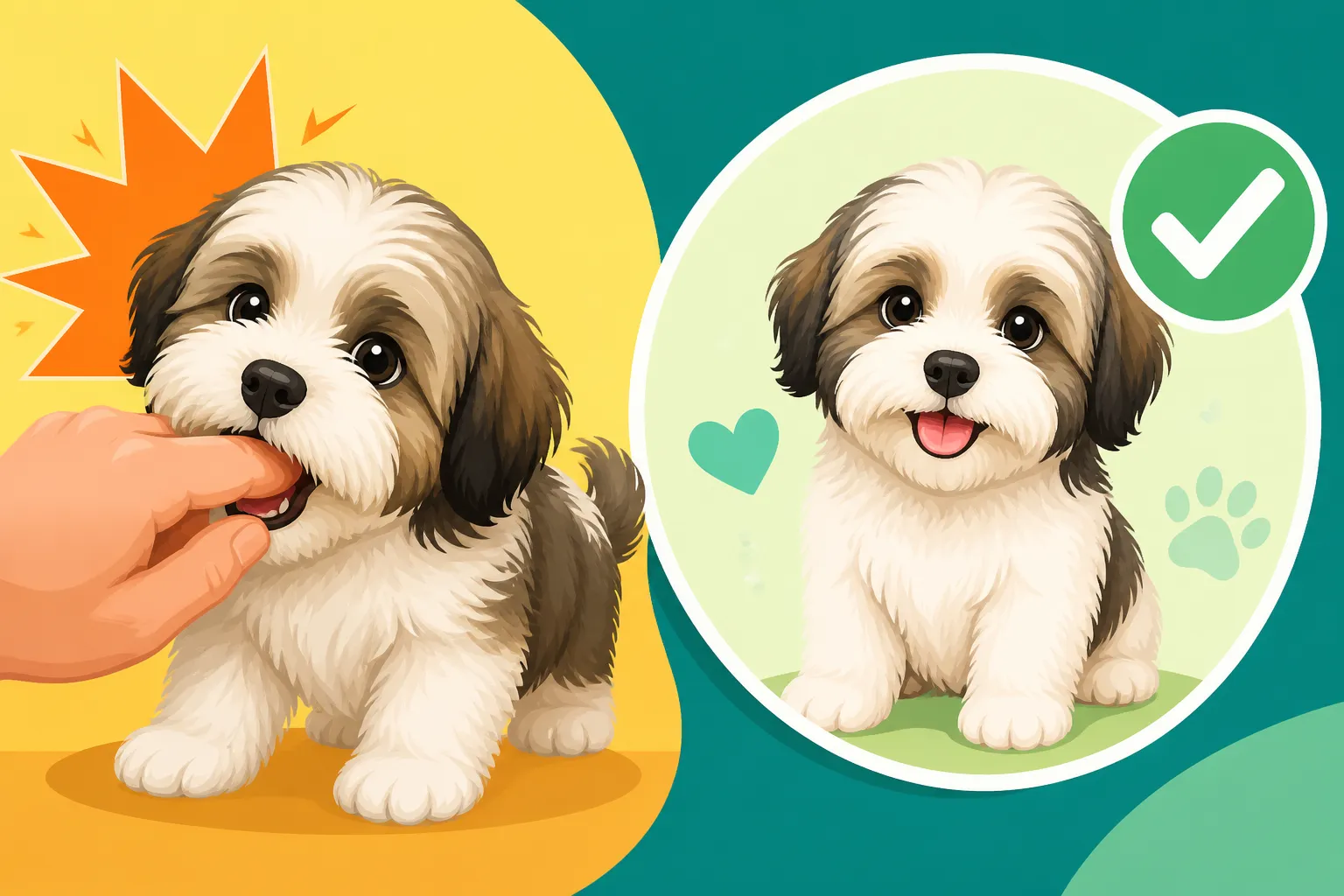
Those tiny, needle-sharp puppy teeth can really catch you off guard, can't they? One minute you're enjoying sweet puppy cuddles with your new Havanese, and the next, you feel a painful nip that leaves you wondering if you've adopted a miniature piranha. It's a common frustration, but rest assured, this guide is here to help you understand the natural progression of puppy biting in Havanese and equip you with practical strategies to navigate this often-challenging phase, so you can enjoy those cuddles without the surprise bites.
Understanding the Natural Arc of Havanese Puppy Biting
It’s completely normal for a Havanese puppy to explore the world with its mouth. They don't have hands, after all! But there's a definite progression to this behavior, and understanding it can really help you manage your expectations and responses. Knowing what to expect means you won't be as discouraged when the biting seems to intensify before it gets better.
The Early Exploration and Nipping Stage (8-12 Weeks)
When your Havanese puppy first comes home, usually around eight to twelve weeks old, they are in a crucial developmental stage where they learn about their environment and how to interact with others. This often involves a lot of mouthing and nipping. In their litter, puppies learn "bite inhibition" from their siblings and mother. If a puppy bites too hard, a littermate will yelp and stop playing, teaching the offender that painful bites end the fun. Their mother might also give a gentle but firm correction.
When they come to your home, you become their new "littermate." Your Havanese is testing boundaries and learning the consequences of their bite force. At this stage, their teeth are incredibly sharp, even though their jaws aren't very strong. This is why those little nips can feel like daggers! It's a period of intense learning, and your consistent reactions are absolutely vital for teaching them appropriate behavior. This stage is less about aggression and more about discovery and communication.
The Teething Frenzy and Intensified Chewing (12-20 Weeks)
Ah, the teething phase! This is often when Havanese owners really feel like they're battling a tiny, furry shark. Starting around three to five months of age, your Havanese puppy will begin to lose their baby teeth and grow in their adult teeth. This process can be quite uncomfortable and even painful for them. Just like human babies, puppies feel a strong urge to chew to relieve the pressure and discomfort in their gums.
During this time, the biting might seem to intensify because your puppy is actively seeking relief. They’ll chew on anything and everything they can get their mouths on – furniture, shoes, hands, even your hair! Their gums are sore, and chewing provides a counter-pressure that helps soothe them. It's not malicious; it's instinctual. This phase can last for several weeks, and it requires immense patience and a strategic approach to redirection, ensuring they learn to chew on appropriate items.
Maturing Out of "Sharky" Behavior (5-7 Months and Beyond)
As your Havanese puppy approaches five to seven months of age, most of their adult teeth will have erupted. With the worst of the teething behind them, you should start to see a noticeable decrease in the intense, exploratory biting. The urgent need to chew for relief diminishes, and if you've been consistent with your training, your Havanese will have a much better understanding of what is and isn't acceptable to mouth.
However, "stopping biting" isn't usually an overnight event; it's a gradual fading. You might still get an occasional playful nip, especially when your puppy is overstimulated or excited. The key is that these nips should be much softer, and your puppy should respond quickly to your "ouch!" or redirection cues. By this age, their bite inhibition should be well-established, meaning they know how much pressure they can exert without causing pain. This period also marks a general maturation, where they gain better impulse control, especially if you've been consistent with their early training like crate training. Learning to settle and self-regulate is a big part of growing up! You can find more insights into this critical period in The First Year With a Havanese Puppy.
Why Your Havanese Puppy Nips and Gnaws Everything
It's easy to take puppy biting personally, especially when those sharp little teeth connect with your skin. But understanding the root causes of the behavior can help you approach it with more empathy and less frustration. Havanese puppies aren't trying to be naughty; they're simply acting on instinct and learning about their world.
Natural Exploration and Play
From the moment they're born, puppies use their mouths to interact with the world around them. It's how they explore new objects, how they play with their littermates, and how they communicate. For a Havanese puppy, whose ancestry includes a playful and engaging nature, using their mouth is a primary mode of interaction. When they nip at your fingers or tug on your clothes, they're often inviting you to play or trying to understand what something is. They don't inherently know that human skin is sensitive and not a chew toy designed for puppy teeth.
This is where early lessons in bite inhibition are so critical. You're teaching them the rules of engagement with humans, which are different from playing with another dog. It’s a foundational part of their socialization and how they learn to live safely and happily in your home. It’s important to remember that this isn't aggression; it's simply a natural, albeit sometimes painful, part of being a puppy.
Teething Discomfort
As mentioned earlier, teething is a huge factor in intensified biting. Imagine having itchy, sore gums for weeks on end, with new teeth pushing through. It’s no wonder puppies want to chew! The act of gnawing applies pressure to their gums, which helps to alleviate the discomfort. This is why you'll find them latching onto anything firm, cool, or textured.
Having a variety of appropriate chew toys on hand is paramount during this phase. If you don't provide suitable outlets for their chewing needs, your Havanese puppy will inevitably turn to your hands, clothes, or furniture. This isn't defiance; it's a desperate attempt to find relief. Investing in a range of textures, from soft rubber to harder nylabone-type chews, and even freezable options, can make a significant difference in managing this challenging period. Many reputable online retailers, such as Amazon, offer a fantastic selection of puppy-safe chew toys that can be a real lifesaver.
Seeking Attention or Engagement
Sometimes, your Havanese puppy might nip or mouth at you because they're simply trying to get your attention. Havanese are incredibly social and thrive on interaction with their human families. If they're feeling ignored, bored, or just want to initiate play, a quick nip might have been a successful strategy to get you to respond in the past, even if that response was "ouch!" and pulling your hand away.
They quickly learn that biting, even if it's negative attention, is still attention. This creates a cycle where the puppy inadvertently learns that biting is an effective way to engage with you. Therefore, it's essential to ensure you're giving your Havanese plenty of positive attention for appropriate behaviors and ignoring or redirecting unwanted attention-seeking behaviors like biting, once you've established they aren't in pain or genuinely exploring. Providing adequate mental stimulation and exercise can also help reduce attention-seeking behaviors, as discussed in How Much Exercise a Havanese Needs.
Practical Strategies to Gently Stop Havanese Puppy Biting
Dealing with puppy biting requires consistency, patience, and a positive reinforcement approach. It’s about teaching your Havanese puppy what to do, rather than just punishing what not to do. Remember, these little guys are eager to please and incredibly smart, as highlighted in The Circus Dog Brain Inside a Havanese.
Teaching Bite Inhibition with "Ouch!"
One of the most effective ways to teach bite inhibition is to mimic how puppies learn from their littermates. When your Havanese puppy nips too hard:
- Yelp or say "Ouch!": Use a high-pitched yelp or a sharp, clear "Ouch!" immediately after they make contact with your skin. This mimics the sound a littermate would make.
- Withdraw attention: Instantly remove your hand, turn away, or even get up and walk out of the room for 10-20 seconds. This teaches your puppy that biting too hard makes the fun stop.
- Return and redirect: After a brief moment, return to your puppy. If they attempt to nip again, repeat the process. If they offer a lick or gentle mouth, reward that calm interaction with praise or a treat, and then immediately offer an appropriate chew toy.
Consistency is absolutely crucial here. Every member of the household needs to use the same technique. If one person allows harder bites, the puppy will get mixed signals and the learning process will be much slower. Over time, your Havanese will learn to modulate their bite pressure, realizing that gentle mouthing is okay, but hard bites lead to the loss of your attention.
Redirection to Appropriate Chews
This strategy goes hand-in-hand with teaching bite inhibition. Your Havanese puppy has a natural urge to chew, especially during teething. Instead of trying to stop the chewing entirely (which isn't realistic), you need to redirect that natural behavior to acceptable items.
Keep a variety of appropriate chew toys readily available in every room your puppy spends time in. When you see your puppy about to mouth something inappropriate (like your hand or a table leg), or immediately after you've yelped due to a hard bite, gently interrupt and offer them a chew toy instead. Praise them enthusiastically when they take the toy and start chewing on it. The more often you successfully redirect, the faster they'll learn what's okay to chew and what isn't. Remember, variety is key; some puppies prefer soft, rubbery toys, others like harder, textured bones, and some love frozen carrots or teething rings. You can easily find a vast selection of durable and safe puppy chews on marketplaces like Amazon.
Managing Overstimulation and Naps
An overtired Havanese puppy can quickly turn into a nipping monster, often dubbed a "land shark." Just like human toddlers, puppies can get cranky and lose their impulse control when they're exhausted but fighting sleep. If your Havanese puppy is getting overly mouthy, zoomy, or seems unable to settle, it's often a sign that they need a nap.
Implement a regular schedule that includes plenty of supervised play, training sessions, and mandatory downtime in their crate or a designated quiet space. A young Havanese puppy needs a lot of sleep – sometimes 18-20 hours a day. If your puppy starts to get mouthy or agitated, try guiding them to their crate for a quiet rest. Sometimes, all it takes is a good nap for them to wake up refreshed and much less prone to nipping. This also ties into overall good puppy management, including crate training for successful toileting and downtime, as explored in Whether a Havanese Should Be Crate Trained for Toileting.
Consistency and Positive Reinforcement
The success of any training, especially something as persistent as puppy biting, hinges on unwavering consistency. Every family member must be on the same page regarding how to respond to nips. Inconsistent responses confuse your puppy and prolong the biting phase.
Focus heavily on positive reinforcement. Reward your Havanese puppy generously with praise, gentle petting, or small treats when they are playing gently, chewing on an appropriate toy, or offering licks instead of nips. Catch them doing something good and let them know it! This helps them associate calm, appropriate behavior with positive outcomes. Consider enrolling in an online puppy training program, such as those offered by BAXTER & Bella, which can provide a structured curriculum and consistent methods for all family members to follow. This type of program often includes guidance on bite inhibition, socialization, and general obedience, which are all interconnected. Don't forget that training also includes getting them used to handling for grooming, which means gentle mouth work, as discussed in Teaching a Havanese to Lie Still for Grooming.
| Puppy Age (Approx.) | Biting Behavior | Owner Actions |
|---|---|---|
| 8-12 Weeks | Exploratory nipping, sharp baby teeth, learning bite inhibition. | Yelp "Ouch!", withdraw attention immediately. Redirect to appropriate chew toys. Start basic obedience. |
| 12-20 Weeks | Teething frenzy, increased chewing due to discomfort, urgent need for relief. | Provide varied, safe chew toys (frozen options are great). Continue "Ouch!" and redirection. Ensure plenty of naps. |
| 5-7 Months | Gradual reduction in hard biting as adult teeth settle, occasional playful nips. | Reinforce gentle mouthing. Continue redirection. Focus on consistent positive reinforcement. Engage in more structured play. |
| 7+ Months | Nipping should be rare and soft, typically only when overstimulated or seeking play. | Continue to reinforce good manners. Address any remaining persistent nipping with consistent redirection and attention withdrawal. |
When to Seek Professional Help for Persistent Biting
While puppy biting is normal, there are instances when it can escalate beyond typical puppy behavior. Knowing when to recognize these red flags and seek professional guidance is crucial for both your Havanese's well-being and your peace of mind.
Recognizing Red Flags
Most Havanese puppies will naturally lessen their biting as they mature and learn bite inhibition. However, if your puppy's biting seems to be getting worse rather than better, or exhibits certain concerning characteristics, it might be time to get some expert eyes on the situation.
Some red flags include:
- Drawing blood frequently: While accidental nips can sometimes break the skin, if your puppy is consistently biting hard enough to draw blood, especially after 5-6 months of age, it's a sign that their bite inhibition isn't developing properly.
- Persistent growling or snapping: If your Havanese puppy growls or snaps aggressively when approached while eating, guarding a toy, or when being handled, this indicates a deeper behavioral issue beyond normal puppy play.
- Lack of response to "Ouch!": If your puppy completely ignores your yelp or withdrawal of attention, and continues to bite just as hard or harder, they might not be understanding the social cues or could be excessively frustrated.
- Lunging or chasing to bite: If your puppy actively pursues you or others with the intent to bite, rather than just mouthing during play, it suggests a more intense behavioral pattern that needs intervention.
- Biting strangers or children aggressively: While some caution around new people is normal, aggressive biting towards non-family members, especially children, is a serious concern that should be addressed immediately. This also relates to broader considerations of A Havanese in a House With Children.
These behaviors are not typical for a Havanese and suggest that the issue goes beyond standard puppy play and teething.
Consulting a Certified Professional
If you notice any of the red flags mentioned above, or if you simply feel overwhelmed and unsure how to handle your Havanese puppy's biting, don't hesitate to reach out for professional help. The sooner you address these issues, the easier they are to modify.
Start by consulting your veterinarian to rule out any underlying medical conditions that might be contributing to the behavior. Pain or discomfort can sometimes manifest as increased irritability and biting. Once health issues are excluded, your vet can often recommend a certified professional dog trainer or a veterinary behaviorist.
A certified professional dog trainer, especially one who specializes in positive reinforcement methods, can provide a personalized assessment of your puppy's behavior, identify triggers, and develop a tailored training plan. They can observe your interactions with your Havanese and offer hands-on guidance to teach you effective communication and management strategies. This direct, individualized support can make all the difference in turning a persistent biter into a well-mannered companion. Sometimes, early group classes are enough, but for persistent issues, one-on-one help is invaluable, as explored in Whether Puppy Class Is Enough for a Havanese.
Disclaimer
This article is for general informational purposes only and does not constitute professional advice. Laws, prices and regulations vary by location and change over time. Consult a qualified professional for guidance on your specific situation.