Whether a Havanese Earns a Canine Good Citizen Title
It’s a common dream for many Havanese owners: a perfectly behaved companion who is confident, well-mannered, and a joy to take anywhere. We all want our furry family members to be comfortable and polite in public, navigating new sights, sounds, and people with grace. But sometimes, teaching those public manners can feel like a daunting task, especially with a breed as lively and sensitive as our Havanese. You might wonder if your little shadow, who thrives on your presence, can truly master the art of being a "good citizen" in a world full of distractions. This guide will explore whether your delightful Havanese can achieve the Canine Good Citizen (CGC) title and how to prepare them for this incredibly rewarding journey.
Understanding the Canine Good Citizen Title
The Canine Good Citizen (CGC) program is more than just a certificate; it's a foundation for responsible pet ownership and a testament to your Havanese's excellent manners. It was developed to recognize dogs who have good behavior at home and in the community, proving they can be relied upon to be calm and respectful in various situations. For a Havanese owner, this means peace of mind, knowing your dog can handle a trip to a dog-friendly cafe, a visit from friends, or a walk through a busy park without causing a fuss. It's about building trust and understanding between you and your cherished companion.
The Ten Test Items
The CGC test consists of ten specific behaviors that demonstrate a dog's reliability and good manners. Each item is designed to simulate real-world scenarios and assess how your Havanese responds. It's not about perfection, but about demonstrating control, willingness to cooperate, and a generally pleasant disposition. Imagine taking your Havanese to the vet or a bustling pet store – these are the kinds of situations the CGC prepares them for.
Here’s a quick overview of what the test entails:
- Accepting a Friendly Stranger: Your Havanese must allow a friendly stranger to approach and speak to you, without shyness or excessive exuberance. This tests their basic social skills and comfort around new people.
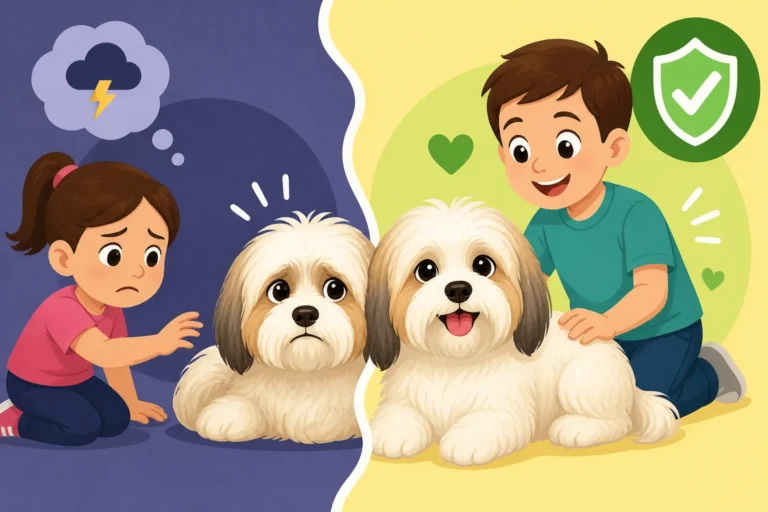
- Sitting Politely for Petting: The dog must allow a stranger to pet them while remaining in a sit position. This is crucial for safely interacting with children and adults who might want to say hello.
- Appearance and Grooming: The evaluator will briefly inspect your Havanese, simulating a vet or groomer's examination. Your dog must allow handling of their ears, feet, and body without resistance. This is vital for their overall health and well-being, as regular grooming and vet checks are a part of life. If you're working on getting your Havanese comfortable with handling, you might find valuable tools on Amazon, like a gentle grooming mitt or a special brush.
- Out for a Walk (Walking on a Loose Leash): Your Havanese must walk calmly beside you on a loose leash, ignoring minor distractions. This is a big one for enjoyable walks in public spaces.
- Walking Through a Crowd: The dog must walk politely through a small group of people, demonstrating that they can navigate a crowded area without getting overly excited or pulling.
- Sit and Down on Command/Staying in Place: Your Havanese needs to be able to perform a sit and down, and then hold a stay, even if you move a short distance away. This shows they understand and respond to basic commands.
- Coming When Called: When you call your Havanese from a short distance, they must come reliably. This is a critical safety command, perhaps the most important one for any dog.
- Reaction to Another Dog: Your Havanese must react politely to another dog and handler passing by, without barking, lunging, or excessive sniffing. This demonstrates their ability to be calm in the presence of other canines.
- Reaction to Distraction: The test involves introducing a couple of mild distractions (like a dropped object or a sudden noise) to see if your Havanese remains relatively calm or quickly recovers.
- Supervised Separation: Your Havanese will be left with the evaluator for a few minutes while you walk out of sight. They must remain calm, without excessive barking, whining, or pacing. This is a short, controlled test of their ability to handle being briefly alone. For a deeper dive into this, you might explore The Havanese That Cannot Be Left Alone.
Beyond Basic Obedience: What CGC Really Means
Earning a CGC title is truly a significant milestone in your Havanese's training journey. It signifies that your dog isn't just obedient in your living room, but that they can generalize their good manners to new environments and unexpected situations. It tells the world that your Havanese is a well-adjusted, confident, and respectful member of both your family and the wider community. It also opens doors for other activities, like therapy dog work or advanced obedience titles, because it demonstrates a solid foundation of reliable behavior. It's about proving that your Havanese can be a calm, happy, and polite companion wherever life takes you both.
Why a Havanese is a Great Candidate for CGC
Many Havanese owners wonder if their spirited, often sensitive little dogs are truly suited for formal titles like Canine Good Citizen. The wonderful news is that Havanese, with their unique blend of intelligence, eagerness to please, and innate sociability, are often exceptional candidates for achieving this recognition. They thrive on interaction and love having a "job" to do, which makes the structured training involved in CGC both enjoyable and rewarding for them.
Their Eagerness to Please and Intelligence
One of the most endearing qualities of the Havanese is their incredible desire to please their people. They are incredibly attentive and love to make you happy, which translates beautifully into a willingness to learn and respond to commands. This isn't a breed that's easily bored or stubbornly independent; they genuinely enjoy the mental stimulation that training provides. Coupled with their sharp intelligence, this means they pick up new concepts and cues quite rapidly. You'll often find your Havanese watching your every move, eager to figure out what you want next. This inherent cleverness and willingness to engage makes them fantastic students for all the behaviors required for the CGC test. They love to learn new things and truly soak up every lesson. In fact, many Havanese excel in various forms of dog sports precisely because of this trait. If you want to explore more about their innate abilities, take a look at The Circus Dog Brain Inside a Havanese.
The "Circus Dog" Legacy
The Havanese history as performers in Cuban circuses isn't just a charming anecdote; it's a testament to their innate intelligence, agility, and joy in performing. This "circus dog brain" means they are naturally predisposed to learning tricks and routines, often with a delightful flair for showing off! While the CGC test isn't about jumping through hoops, this heritage means your Havanese likely enjoys the process of structured learning and thrives on positive reinforcement. They enjoy figuring out puzzles and mastering new skills, which makes the repetition required for CGC training much less tedious for both of you. They're wired to entertain and engage, and channeling that energy into something productive like good manners can be incredibly fulfilling for them. You'll often find that once they grasp a concept, they'll perform it with enthusiasm, making the training journey a joyful dance. Want to try some fun tricks? You might enjoy Teaching a Havanese Tricks It Will Perform All Day.
Natural Sociability and Adaptability
Havanese were bred to be companion dogs, living closely with their human families, and this has fostered a natural sociability and adaptability within the breed. They generally love people and often adapt well to new environments, provided they've been properly socialized from a young age. This natural inclination to be friendly and comfortable in diverse settings is a huge asset for the CGC test. They're less likely to be overly fearful or aggressive towards strangers or new places, which are common hurdles for other breeds. While every Havanese is an individual, their breed standard encourages a cheerful, outgoing disposition. This means that with consistent positive exposure, your Havanese is likely to approach the various test items involving strangers, other dogs, and novel environments with curiosity rather than trepidation, making the "friendly stranger" and "walking through a crowd" items much more attainable.
Common Challenges and How to Overcome Them
While Havanese possess many wonderful traits that make them excellent CGC candidates, like any breed, they also come with their own set of endearing quirks that can present slight challenges during training. Recognizing these common Havanese tendencies and proactively addressing them is key to a smooth and successful CGC journey. It’s not about changing who your Havanese is, but rather guiding their natural instincts towards polite behavior.
Barking at Strangers or New Sounds
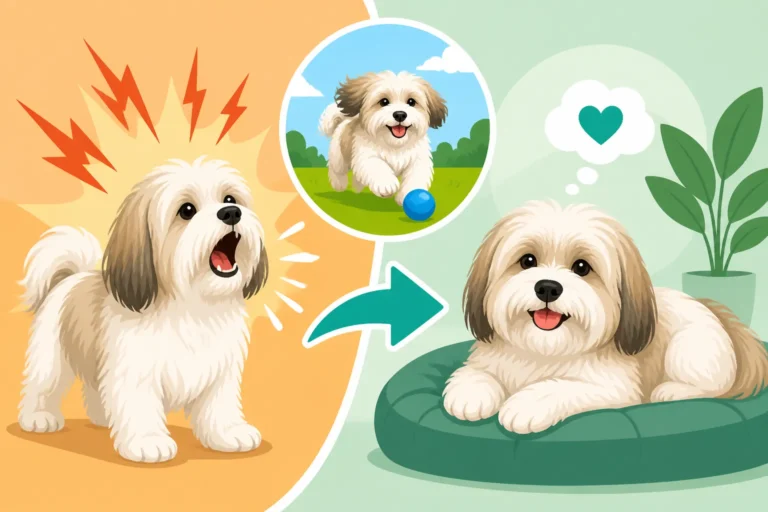
Havanese are often fantastic little alarm bells, quick to alert their families to anything new or unusual. This can manifest as barking at strangers approaching the door, the mail carrier, or even a leaf blowing past the window. While this alert barking is a useful trait at home, it can be a hurdle during the "Accepting a Friendly Stranger" or "Reaction to Distraction" portions of the CGC test. The key here is not to eliminate their voice entirely, but to teach them a "quiet" cue and to differentiate between necessary alerts and unnecessary noise.
Start by identifying their triggers. When a stranger approaches your home, ask them to wait a moment while you get your Havanese settled. Reward calm behavior immediately after the initial alert. You can use high-value treats to redirect their attention from the trigger to you. Gradually increase the exposure to strangers and new sounds in controlled settings, always rewarding quiet, calm responses. Practice in different locations, like a quiet park or outside a pet supply store, always focusing on redirecting their attention to you with a treat or a favorite toy before the barking escalates. For more strategies on managing this, you might find The Barking a Havanese Does at Every Sound helpful.
Polite Greetings: Jumping and Excitement
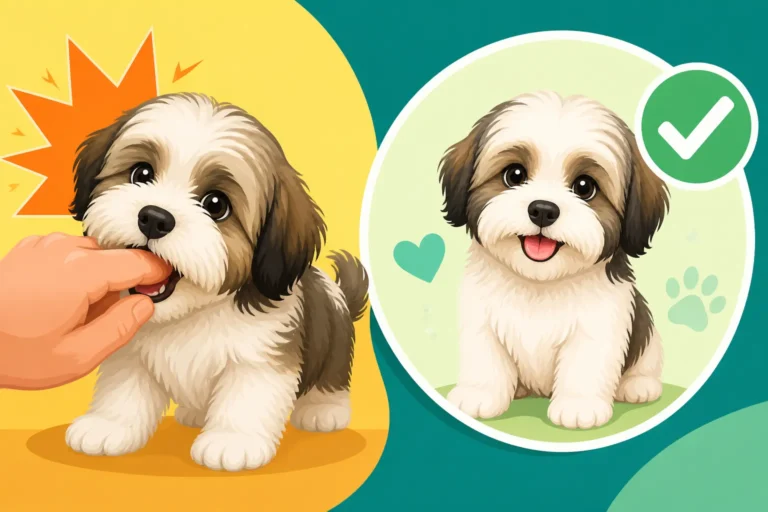
Our Havanese are overflowing with joy and affection, and sometimes that love translates into enthusiastic jumping when greeting people. While adorable to us, a jumping dog can be unsettling for strangers, especially children or the elderly. The CGC test requires your Havanese to sit politely for petting, so curbing this jumping habit is crucial. This is a common issue for many small dogs, whose exuberance can sometimes be mistaken for aggression or naughtiness, when it's just pure joy.
The most effective way to teach polite greetings is to remove the reward for jumping. If your Havanese jumps, turn your back, cross your arms, and completely ignore them until all four paws are on the floor. The moment they settle, even for a split second, turn around and calmly reward them with praise and a treat. Consistently practice this with family members and friends who are willing to cooperate. When a new person approaches, ask your Havanese for a "sit" command before they even have a chance to jump. Reward heavily for holding the sit while the person approaches and pets them. This teaches them that calm, four-on-the-floor greetings get them what they want – attention and affection. You can also equip yourself with a variety of engaging treats from a retailer like Amazon to ensure your Havanese stays focused on you during these critical learning moments.
Staying Calm and Alone (Briefly)
The supervised separation component of the CGC test asks your Havanese to remain calm for three minutes while you are out of sight. For a breed that thrives on companionship and often forms deep bonds with their owners, this can be a particular challenge. Havanese are often referred to as "Velcro dogs" for a reason – they love to be close! A little bit of separation anxiety is not uncommon for the breed, and it’s something you’ll want to work on carefully and patiently.
Start with very short periods of separation at home. Practice leaving the room for just a few seconds, then returning before your Havanese becomes distressed. Gradually increase the duration. Provide a high-value chew toy or a puzzle filled with treats to occupy them when you leave. Make your departures and arrivals low-key, without a big fuss. Never punish them for showing distress. The goal is to build their confidence that you will always return. You might consider an online training program like BAXTER & Bella, which often provides structured guidance on building independence and managing mild separation anxiety, which can be invaluable for the supervised separation component of the CGC test. This slow, steady desensitization will help them understand that being alone for a short time is nothing to fear. For more in-depth advice, refer to The Havanese That Cannot Be Left Alone.
Getting Ready for the CGC Test with Your Havanese
Preparing your Havanese for the Canine Good Citizen test is a journey that can be incredibly bonding and fun for both of you. It's not just about memorizing behaviors; it's about building confidence, reinforcing good habits, and learning to communicate effectively. With the right approach and a little patience, your Havanese can absolutely shine on test day!
Finding the Right Training Resources
While a Havanese is intelligent and eager to please, having a structured approach to training makes all the difference. You have several options, and the best fit often depends on your learning style and your Havanese's personality.
- Group Classes: Many local dog training facilities offer specific CGC preparation classes. These are fantastic because they provide a controlled environment with distractions, simulating the actual test conditions. Your Havanese will learn to focus around other dogs and people, which is invaluable. Plus, an experienced instructor can offer immediate feedback and help you troubleshoot any specific challenges you're facing. Look for classes that use positive reinforcement methods, as Havanese respond best to encouragement and rewards, not harsh corrections.
- Private Coaching: If group classes feel too overwhelming, or if your Havanese has very specific behaviors to work on, a private trainer can tailor sessions to your needs. This individualized attention can be highly effective, especially for overcoming unique quirks or anxieties. A good trainer can help you refine your handling skills and create a personalized practice plan. You might be interested in exploring Whether a Havanese Needs a Professional Trainer for more insights into this option.
- Online Programs & Resources: For those who prefer to learn at their own pace or have limited access to in-person classes, online training platforms like BAXTER & Bella offer comprehensive programs, often including modules specifically for CGC preparation. These can provide video tutorials, written guides, and sometimes even virtual coaching. They're a great way to access expert advice from the comfort of your home. You can also find a wealth of training aids, like different types of leashes, clickers, and high-value training treats, on Amazon to support your at-home practice.
Practice Makes Perfect (Everywhere!)
The secret to success in the CGC test is not just practicing the ten items, but practicing them in a variety of real-world settings. Your Havanese might be perfect at "sit" in your quiet living room, but can they do it at a bustling park or a noisy pet store? The more diverse your practice environments, the more confident and reliable your Havanese will become.
Take your Havanese to dog-friendly stores, quiet parks, and even just outside busy areas. Expose them to different types of people, sounds, and sights. Practice those "loose leash walking" skills on different surfaces and with varying levels of foot traffic. Work on "stays" while people walk by at a distance. Always keep sessions short, positive, and fun, ending on a high note. Bring plenty of high-value treats and praise. The goal is to generalize their understanding that commands apply everywhere, not just at home. Remember that even brief, five-minute practice sessions throughout the day add up significantly. Consistency and variety are your best friends in CGC preparation.
Test Day: What to Expect
When test day arrives, it’s natural to feel a little nervous, but remember that your Havanese will pick up on your emotions. The best thing you can do is stay calm, confident, and positive. The test environment will typically be a quiet, designated area, often indoors, with an official AKC-approved Canine Good Citizen evaluator. They are there to assess your dog's behavior fairly and are generally very encouraging.
Bring your Havanese on a regular buckle or slip collar (no harnesses unless specifically allowed for medical reasons) and a six-foot leash. Make sure you have plenty of their favorite high-value treats to reward them for good effort. The evaluator will go through each of the ten items in a systematic way. Listen carefully to their instructions, and respond promptly with your Havanese. Don't worry if your Havanese isn't perfect; minor mistakes are often forgiven as long as the overall picture is one of a well-mannered dog. It's about demonstrating control and willingness, not robotic precision. Enjoy the experience, celebrate your Havanese's hard work, and remember what an incredible journey you've both been on! Earning this title is a wonderful way to showcase the amazing potential of your Havanese.
Here's a quick reference table for the CGC test items and what they assess for your Havanese:
| CGC Test Item | What it Assesses for Your Havanese | Havanese Training Focus |
|---|---|---|
| Accepting a Friendly Stranger | Comfort and politeness around new people. | Gentle introduction to many different people; rewarding calm greetings. |
| Sitting Politely for Petting | Ability to remain seated calmly while being petted by a stranger. | Teaching "sit" and "stay"; ignoring jumping; rewarding all-four-paws-on-the-floor greetings. |
| Appearance & Grooming | Tolerance for handling and examination. | Daily brushing, ear checks, paw handling from puppyhood; making these positive experiences. |
| Out for a Walk (Loose Leash) | Walking without pulling on the leash. | Leash manners in varied environments; reward-based training for walking beside you. |
| Walking Through a Crowd | Ability to navigate people politely. | Practicing loose-leash walking in mildly busy areas; maintaining focus on you. |
| Sit & Down on Command/Stay | Responsiveness to basic commands and ability to hold a position. | Consistent "sit," "down," and "stay" practice with increasing duration and distance. |
| Coming When Called | Reliability of recall. | High-value rewards for immediate recall; practicing in progressively distracting environments. |
| Reaction to Another Dog | Calmness and politeness when passing another dog. | Controlled introductions to other calm dogs; focus on "watch me" and walking past without interaction. |
| Reaction to Distraction | Ability to recover from minor environmental surprises. | Exposure to everyday noises and sights; rewarding quick recovery and focus on handler. |
| Supervised Separation | Ability to remain calm when the owner is briefly out of sight. | Gradually increasing periods of alone time; providing enrichment toys; making departures low-key. |
Disclaimer
This article is for general informational purposes only and does not constitute professional advice. Laws, prices and regulations vary by location and change over time. Consult a qualified professional for guidance on your specific situation.