Whether Exercise Reduces a Havanese’s Barking
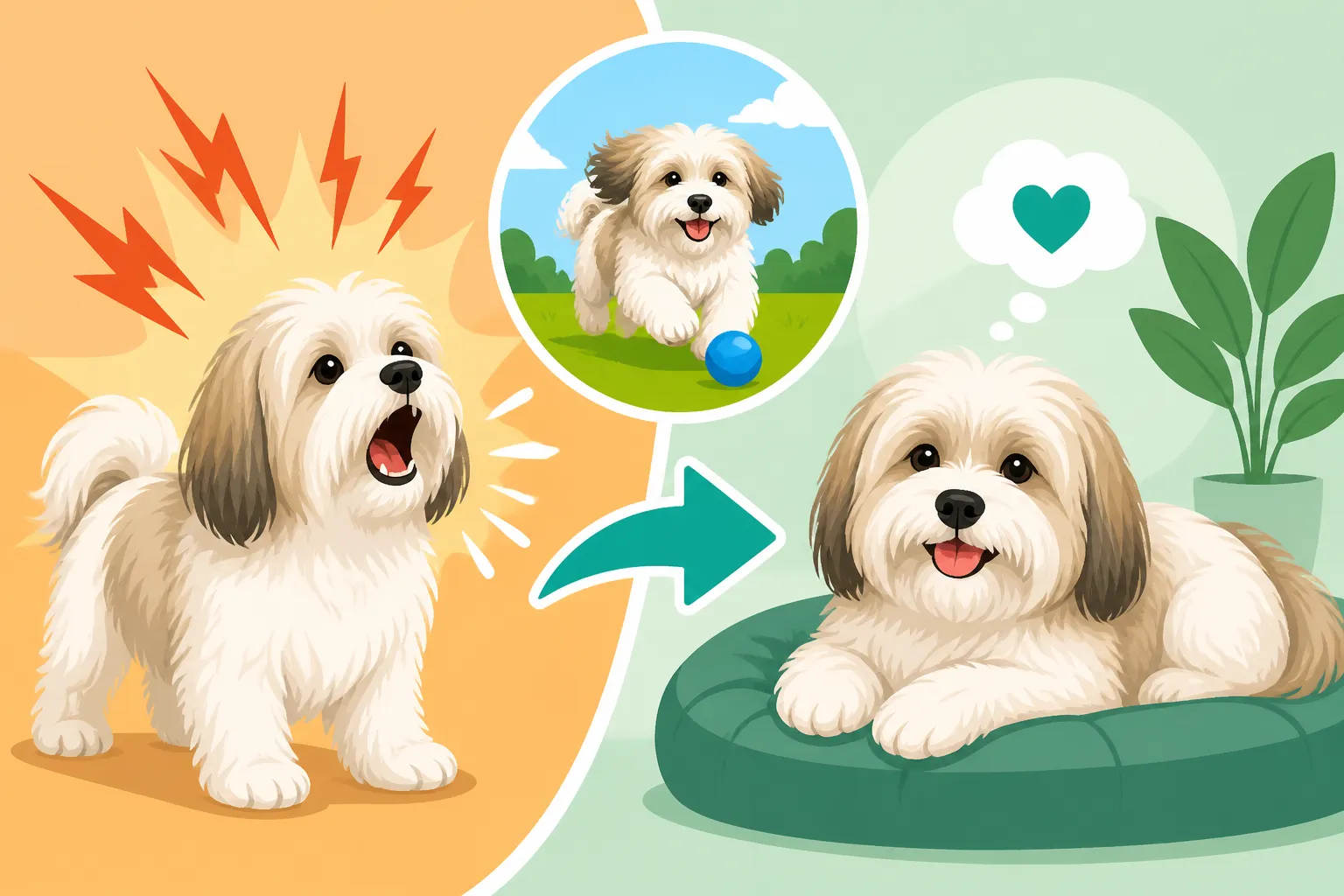
That incessant barking can really grate on your nerves, can't it? Whether it's at the mail carrier, a leaf blowing by, or seemingly nothing at all, a noisy Havanese can test the patience of even the most devoted owner. Many of us wonder if our little fluffball just has too much pent-up energy, and if a good run or long walk might just be the magic bullet to quiet them down. This guide is here to explore exactly that: whether increasing your Havanese's exercise routine can actually reduce their barking, and how to approach it effectively.
The Link Between Physical Activity and Barking in Havanese
It's a common belief that a tired dog is a good dog, and there's certainly truth to that, especially when it comes to managing unwanted behaviors like excessive barking. However, it's not always as simple as just adding another walk to their day. For a Havanese, understanding the nuances of their energy and how it translates into behavior is key.
The Energy Equation: Why a Tired Dog is a Quiet Dog (or Not Always)
A Havanese, despite its small size, is a robust and lively little dog. They were historically companions, but also performers, and they carry that spark of energy and intelligence. When a Havanese has pent-up physical energy, it has to go somewhere. This can manifest in a variety of ways: destructive chewing, restless pacing, or, yes, barking. Imagine a child who has been cooped up indoors all day; they might get fidgety, loud, and generally disruptive. It's much the same for our Havanese companions.
For many dogs, a lack of adequate physical exercise means they have a reserve of energy that makes them more reactive to stimuli. That means the doorbell might get a louder, longer bark, or the squirrel in the yard might trigger a relentless serenade. They're already "primed" with energy, so it's easier for them to escalate to barking. A good, satisfying walk or play session can help drain some of that physical reservoir, leaving them more relaxed and less inclined to explode into barks at every minor provocation. However, it's vital to remember that some Havanese are simply more vocal by nature, and while exercise can help manage it, it might not eliminate all barking. It's about finding that sweet spot where their physical needs are met, reducing the need for barking as an outlet.
Mental Stimulation: The Often-Overlooked Factor
Here's where many well-meaning Havanese owners miss a piece of the puzzle. We often focus solely on physical exertion, thinking that a long walk is the be-all and end-all. But for an intelligent breed like the Havanese, mental stimulation is just as, if not more, important than physical exercise for managing behavior, including barking. Their brains are wired to learn and engage, and if they're not given appropriate outlets for that mental energy, boredom sets in.
Boredom in a Havanese can be a huge driver of nuisance barking. They might bark simply because there's nothing else to do, or because they're trying to get your attention, or even just to entertain themselves. A Havanese that has walked three miles but hasn't had its mind challenged might still come home and bark at shadows, because its mental batteries are still fully charged. Think of it like this: you could run a marathon, but if you then had to sit in a quiet room with nothing to read, no music, no phone, you'd probably start humming, talking to yourself, or generally finding ways to occupy your mind, right? Our Havanese are no different. They need challenges that make them think, problem-solve, and use their inherent cleverness. This kind of mental "work" can be incredibly tiring for a dog, leading to a much more settled and quiet companion.
Tailoring Exercise for Your Havanese to Maximize Quiet
Since we know both physical and mental exercise are important, let's look at how to tailor a routine that truly benefits your Havanese and helps reduce those unwanted barks. It's not about forcing them into activities they hate, but finding engaging ways to spend their energy.
Types of Physical Exercise That Make a Difference
For a Havanese, physical exercise doesn't necessarily mean marathon runs. It's more about consistent, engaging activity that suits their small stature and build.
- Daily Walks: These are the backbone of any good exercise routine. For most Havanese, two brisk walks a day are a great starting point. One in the morning and one in the evening can help burn off energy and provide valuable sniffing opportunities, which is a form of mental enrichment in itself. How long should these walks be? It varies by the individual dog, but aim for at least 20-30 minutes per walk. If your Havanese is still pulling on the leash or seems antsy after, you might need to extend the duration or increase the intensity slightly. Remember, consistency is key. Even on rainy days, a shorter indoor game or a quick dash outside is better than nothing. For more guidance, you might find How Far a Havanese Should Walk Daily helpful.
- Structured Playtime: Instead of just letting your Havanese randomly chase a toy, make playtime structured. Games of fetch in a fenced yard, or even in a long hallway, can be great. Tug-of-war is fantastic for building confidence and burning energy, as long as you set clear rules (e.g., the game stops if their teeth touch your hand). Hide-and-seek, where you hide and call them to find you, combines physical movement with mental engagement.
- Dog Sports and Activities: While they are small, Havanese are surprisingly agile and clever. Many excel in dog sports. Consider enrolling in a beginner's agility class – it's a fantastic way to burn physical energy while also challenging their minds to learn courses and obstacles. Rally obedience or even just working on trick titles can also be highly beneficial. These activities require focus, coordination, and problem-solving, leading to a truly satisfied and tired Havanese. You might be surprised to learn Whether a Havanese Competes in Agility and how much they enjoy it! Always consider your Havanese's age and physical condition before starting any strenuous activity. For senior Havanese, exercise might look different; for tips on adapting routines, see The Age a Havanese Counts as Senior.
Incorporating Brain Games and Enrichment
This is where you really tap into your Havanese's intelligence and help prevent boredom-induced barking.
- Puzzle Toys: These are gold for mental stimulation. Fill a treat-dispensing puzzle toy with a portion of their meal or some high-value treats and let them figure out how to get the goodies. There are countless options available on platforms like Amazon, from simple snuffle mats to complex interactive feeders. Rotate them regularly to keep things fresh and engaging. This gives them a "job" to do, focusing their energy productively.
- Training Sessions: Even if your Havanese knows all the basic cues, short, frequent training sessions are excellent mental workouts. Teach them new tricks – Havanese absolutely love to learn! Five to ten minutes, two or three times a day, is more effective than one long, boring session. They thrive on positive reinforcement and the opportunity to use their brains. It's amazing how fast a Havanese learns tricks and how quickly they pick up new commands.
- Scent Work: Dogs experience the world through their noses. Scent work, even at a beginner level, is incredibly tiring. Start by hiding treats in a room and encouraging your Havanese to find them. As they get better, you can make it more challenging by hiding them under cups, in boxes, or in more obscure locations. This engages their natural instincts and provides a deeply satisfying mental workout.
- Chew Toys and Lick Mats: High-quality chew toys (appropriate for their size) and lick mats spread with peanut butter or plain yogurt can provide long-lasting, calming mental engagement. The act of licking and chewing is naturally stress-relieving for dogs, which can help reduce overall anxiety that might contribute to barking.
Beyond Just Exercise: Other Barking Triggers and Holistic Approaches
While adequate exercise and mental stimulation are powerful tools, they're not a magic wand for all barking issues. It's crucial to understand that barking is a form of communication, and your Havanese might be trying to tell you something else entirely.
Identifying the Root Cause of the Bark
Before you can effectively address barking, you need to play detective and figure out why your Havanese is barking. The solutions will differ greatly depending on the cause.
- Alert Barking: This is often the most common type for Havanese. They're bred to be vigilant companions, so they're often the first to let you know if someone is at the door, if a delivery truck goes by, or even if a leaf dares to skitter across the patio. They're telling you, "Hey, something's happening!" This isn't necessarily a bad thing, but it can become excessive. If your Havanese barks at every sound, you might find more in-depth solutions in Whether a Havanese Barks at Every Noise.
- Boredom/Attention-Seeking Barking: As we've discussed, a Havanese with unmet mental or physical needs might bark out of sheer boredom or to get your attention. They learn that barking gets a reaction from you, whether it's looking at them, talking to them, or even scolding them. Any attention is still attention. This often happens when they're left alone or when you're busy with other things. For a deeper dive, consider reading about Signs a Havanese Has Separation Anxiety if you suspect that's part of the issue.
- Fear/Anxiety Barking: Sometimes, barking isn't about aggression, but fear. A Havanese might bark at strangers, new objects, or loud noises because they are genuinely scared. This barking is often accompanied by other signs of anxiety, like tail tucked, ears back, or trying to hide.
- Frustration Barking: This occurs when your Havanese wants something it can't have – like chasing a squirrel behind a fence, getting a treat from a closed jar, or greeting another dog that's too far away. They bark out of frustration that their desires are thwarted.
A Multi-Pronged Approach to Quieter Living
Once you've identified the primary reason for the barking, you can implement targeted strategies. A holistic approach that combines exercise, training, and environmental management is usually the most effective.
- Targeted Training: Teaching a "quiet" cue is invaluable. When your Havanese starts barking, let them bark a few times, then gently interrupt them with a treat and praise when they stop. The goal is to reward silence. Over time, you can introduce the "quiet" cue. Desensitization and counter-conditioning can also work for alert barkers. This involves gradually exposing them to triggers (like the doorbell sound at a very low volume) while giving them treats, so they associate the trigger with positive things instead of barking. Many excellent online training programs, such as those offered by BAXTER & Bella, provide step-by-step guidance on these techniques. For more on this, check out Teaching a Havanese a Quiet Cue.
- Environmental Management: Sometimes, the easiest solution is to remove or reduce the stimuli. If your Havanese barks at everything outside the window, use privacy film, close blinds, or put up a baby gate to block their view. White noise machines or a radio playing soft music can help mask outdoor sounds that trigger alert barking. When you leave the house, consider leaving them with a puzzle toy or a long-lasting chew to keep them occupied and less focused on external sounds.
- Consistency is Crucial: Everyone in the household needs to be on the same page regarding barking. If one person ignores the barking, and another gives attention, your Havanese will quickly learn that barking sometimes works. Establish clear rules and stick to them. This consistent approach reinforces what you want them to do (be quiet) and what you don't (bark excessively).
- Rule Out Health Issues: Very rarely, excessive barking can be a sign of pain, discomfort, or an underlying medical condition. If your Havanese's barking is a new behavior, sudden, or accompanied by other symptoms, a visit to the vet is a good idea to rule out any physical causes. While rare, it's always best to be safe and ensure there are no Lumps Worth Checking on a Havanese or other health concerns causing their distress.
Implementing an Effective Exercise and Enrichment Routine
Putting all these pieces together into a practical daily routine might seem daunting, but it's entirely achievable and incredibly rewarding. The goal is to create a predictable yet engaging schedule that meets your Havanese's needs.
Crafting a Daily Schedule
A structured day helps your Havanese know what to expect, reducing anxiety and boredom, which in turn can reduce barking.
- Morning Routine: Start the day with a good, brisk walk. This isn't just a potty break; it's an opportunity for them to stretch their legs, sniff around, and burn off some initial energy. Follow this with breakfast. After breakfast, a short training session or a puzzle toy can engage their mind before you get on with your day.
- Mid-Day Engagement: If you're home, a quick play session or a new puzzle toy (perhaps a different one than the morning) can break up the day. If you work away from home, consider a dog walker or a friend to pop in for a quick potty break and some interaction. Even 15 minutes of dedicated play can make a huge difference.
- Evening Wind-Down: A longer walk in the evening can be a great way to explore new scents and tire them out before bedtime. Follow this with dinner, and then perhaps a more relaxed training session focusing on calm cues or cuddles on the couch. This helps them wind down and signals that the day's active period is over.
Here’s a sample schedule, but remember to adapt it to your Havanese’s specific energy levels and your own daily routine:
| Time Slot | Activity Type | Example Activities | Barking Impact |
|---|---|---|---|
| 7:00 AM | Physical/Mental | 20-30 min brisk walk, sniffari | Reduces pent-up energy, provides mental enrichment |
| 7:45 AM | Mental/Calming | Breakfast in a puzzle feeder | Engages mind, slows eating, prevents boredom |
| 8:30 AM | Relax/Crate Time | Quiet chew toy or nap | Promotes calm, prevents attention-seeking barking |
| 12:00 PM | Physical/Mental | 15-20 min quick walk/potty, short play session | Breaks up the day, prevents mid-day boredom |
| 4:00 PM | Mental | 10 min trick training or scent game (e.g., hide treats) | Mental fatigue, builds bond, reduces frustration |
| 5:00 PM | Physical/Mental | 30-45 min longer walk, exploring new routes | Deep energy drain, varied stimulation |
| 6:00 PM | Calming | Dinner, then a long-lasting chew or lick mat | Satisfies chewing instinct, promotes calm |
| 8:00 PM | Connection/Review | Gentle petting, review "quiet" cue | Reinforces calm behavior, strengthens bond |
| 10:00 PM | Potty/Bedtime | Last quick potty break, then to bed | Final relief, signals end of day |
Remember, What a Havanese Needs Every Day goes beyond just food and water; it includes consistent physical and mental engagement.
Tools and Resources to Help You Succeed
Don't feel like you have to do it all alone. There are many tools and resources that can make implementing this routine easier and more effective.
- Proper Walking Gear: A comfortable, well-fitting harness is essential for walks, especially if your Havanese tends to pull. It distributes pressure evenly across their chest rather than their delicate neck. For ideas, check out Whether a Havanese Should Wear a Harness.
- Long Lines: If you have access to a safe, open area, a long line (a 15-30 foot leash) can allow your Havanese to explore and run safely while still giving you control. This is fantastic for sniffing and burning energy in a more natural way than just a structured heel walk.
- Online Training Platforms: For structured guidance on training cues like "quiet," desensitization, or even just teaching fun new tricks, online programs can be incredibly valuable. Many Havanese owners have found resources like BAXTER & Bella's online puppy school and continued training programs to be very helpful for consistent, positive reinforcement training. They offer a wealth of knowledge and support to help you teach your Havanese appropriate responses. It can be surprising to learn what a Havanese will work for and how much they enjoy these structured learning experiences.
- Variety of Toys: Don't get stuck with just one type of toy. Rotate puzzle toys, chew toys, and interactive toys to keep your Havanese engaged. You can find an endless array of options on Amazon to suit every need and personality.
- Professional Help: If you've tried everything and are still struggling with excessive barking, don't hesitate to consult a certified professional dog trainer or a veterinary behaviorist. They can provide personalized advice and identify specific underlying issues you might be missing. Sometimes, just one session can give you the breakthroughs you need. For situations where you're feeling overwhelmed, exploring Whether a Havanese Needs a Professional Trainer might be your next best step.
Ultimately, reducing your Havanese's barking through exercise and enrichment is about understanding their needs as a lively, intelligent companion dog. It's about providing outlets for their energy, both physical and mental, and teaching them appropriate ways to communicate. With patience, consistency, and a little creativity, you can enjoy a much quieter, happier life together.
Disclaimer
This article is for general informational purposes only and does not constitute professional advice. Laws, prices and regulations vary by location and change over time. Consult a qualified professional for guidance on your specific situation.