Whether a Havanese Follows You to the Bathroom
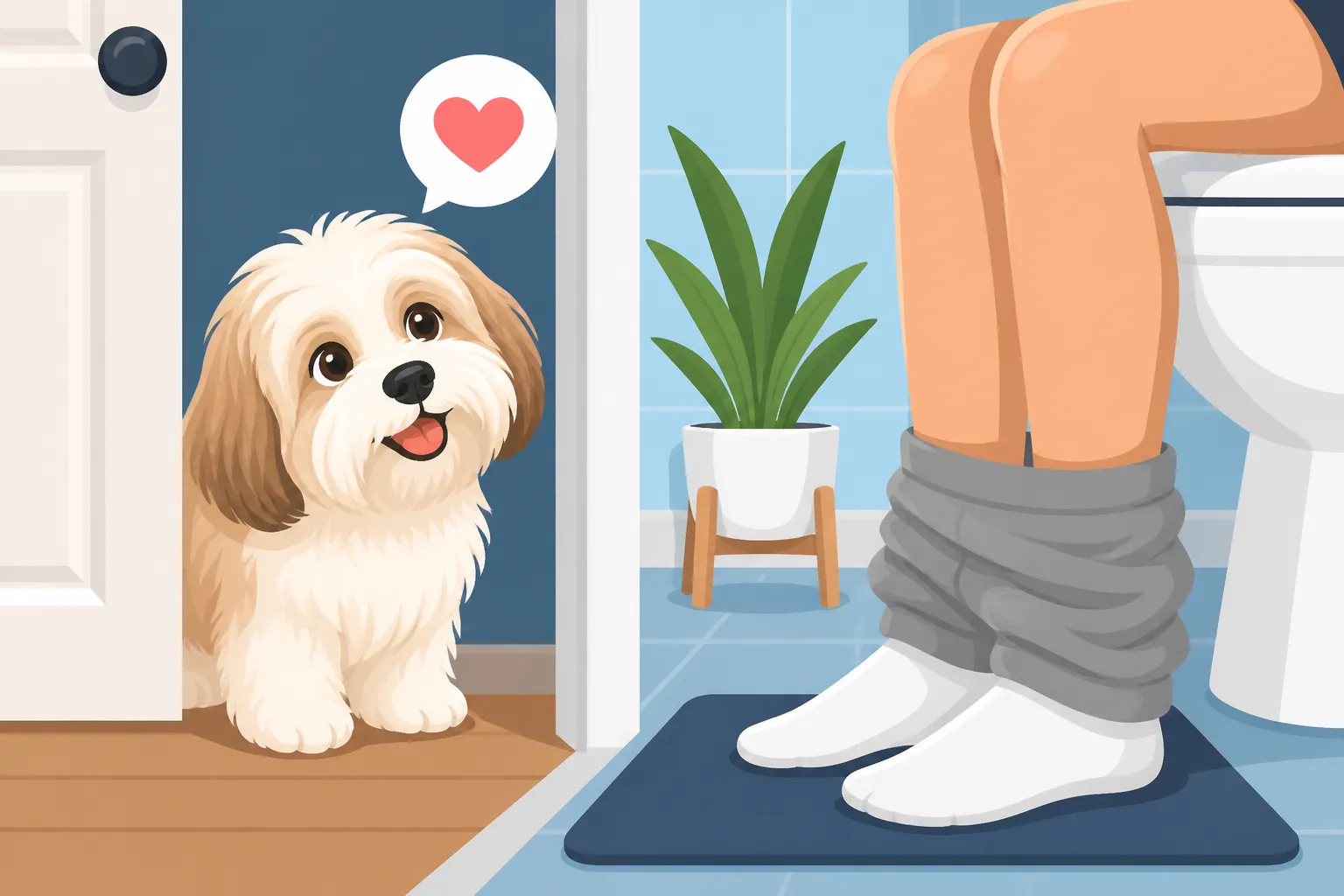
Ah, the delightful dilemma of the Havanese bathroom escort service! If you've found yourself navigating the shortest trip in your home with a fluffy shadow consistently glued to your heels, wondering if this level of devotion is normal, you are absolutely not alone. Many Havanese owners experience this charming, if sometimes slightly inconvenient, display of affection, and it's a topic that brings both smiles and occasional head-scratching. This guide will help you understand the deep-rooted reasons behind your Havanese's personal space invasion and provide practical, empathetic advice on how to manage it, should you ever desire a moment of privacy.
The Heart of a Havanese: Why They're Your Little Shadow
It’s easy to feel a little overwhelmed by constant companionship, but to truly understand why your Havanese follows you everywhere, even to the bathroom, you need to delve into their unique history and intrinsic nature. These aren't just pets; they're bona fide "Velcro dogs," bred for centuries to be exactly that: stuck to their human.
A History of Companionship: Bred for Your Side
The Havanese breed originated in Cuba, a true product of the island's unique culture and needs. Unlike many breeds developed for hunting, guarding, or herding, the Havanese was primarily bred to be a companion animal. They spent their days as lapdogs and entertainers for the Cuban aristocracy, living in close quarters with their families. Their entire purpose revolved around human interaction, presence, and affection. This isn't a recent development; it's hardwired into their DNA.
Think about it: a dog bred to be perpetually at its owner's side naturally develops a profound need for proximity. They thrive on being involved in whatever you're doing, simply because that's what they were created to do. This history of intimate companionship means that to a Havanese, "alone time" for you often translates into "missed opportunity for bonding" for them. If you're curious about their origins, you might enjoy reading The Havanese Is the Only Breed Cuba Ever Produced.
The Velcro Dog Phenomenon
The term "Velcro dog" wasn't coined for nothing, and it perfectly encapsulates the Havanese temperament. They're called this because they literally stick to you like Velcro. This manifests in many ways: always wanting to be in the same room, often preferring physical contact like leaning against your leg or sleeping at your feet, and generally just needing to know where you are at all times.
For a Havanese, their human is their world. They draw immense comfort, security, and happiness from your presence. When you move from the living room to the kitchen, they often follow. When you go from the kitchen to the bedroom, there they are again. It's not a demand for attention in an aggressive sense; it's a gentle, persistent need for connection. This unwavering loyalty is one of the most beloved traits of the breed, even if it means you sometimes trip over them.
Natural Instincts and Pack Mentality
Beyond their specific breeding history, dogs, by nature, are social animals with a strong pack mentality. Even the most pampered Havanese retains some of these primal instincts. In their eyes, you are the most important member of their "pack," and staying close to you ensures their safety and belonging. Being separated, even by a closed door, can feel unnatural to them.
This instinct isn't necessarily about fear, but about social cohesion. They want to know what their pack leader is doing, where they are going, and when they will return. Your bathroom trip might seem trivial to you, but to your Havanese, it's a moment of temporary separation from the core of their world, and they'll naturally seek to bridge that gap. This is why you often see them following you into every room, as detailed in Why a Havanese Follows You Into Every Room.
Decoding the Bathroom Escort Service
So, why the bathroom specifically? It's more than just general clinginess. There are specific nuances to why this particular room often becomes a Havanese hotspot. Understanding these reasons can help you distinguish between normal, endearing behavior and something that might need a little gentle redirection.
Curiosity, Not Control
Most often, your Havanese's bathroom following comes down to simple, adorable curiosity. Think about it from their perspective: you disappear into a small room, a strange mechanical noise (toilet flushing!) sometimes occurs, and then you reappear. What secrets does this magical chamber hold? They don't want to miss anything.
They're naturally inquisitive creatures. They love to observe, learn, and be part of the action. When you shut them out, they might feel like they're missing out on an adventure, or at the very least, a moment of interaction with you. Their little brains are simply trying to piece together your daily routine and remain an active participant.
Seeking Proximity and Security
Your presence is your Havanese's ultimate comfort zone. For many Havanese, the bathroom is just another space in the house where their beloved human is, and therefore, it's where they want to be too. They might not understand the function of the room, but they certainly understand that you're in there, and that's enough for them to want to join you.
This behavior is rooted in their profound bond with you. They feel safe, loved, and secure when they are close. A closed door, even for a minute or two, represents a brief moment of isolation, and their instinct is to mitigate that by sticking close. This is especially true if your Havanese tends to bond very strongly with one person, a trait explored further in Whether a Havanese Bonds to One Person Only.
The Habit Loop
Dogs are creatures of habit, and they learn quickly what actions lead to what outcomes. If you've always allowed your Havanese to follow you into the bathroom, even casually, you've inadvertently established a routine. Every time you head that way, they've learned that they can join you, and they'll continue to do so because it's now part of their expected daily rhythm.
Breaking a habit, even a cute one, can take a little effort because it disrupts their learned pattern. They aren't doing it out of malice or disobedience; they're simply responding to the routine you've both established, however unconsciously. This goes for any area of their training, from potty breaks to grooming; consistency is key.
A Sign of Connection, Not Always Anxiety
It's important to remember that for the vast majority of Havanese, following you to the bathroom is a sweet sign of their deep affection and connection, not necessarily an indication of severe anxiety. They love you, they want to be near you, and they enjoy your company above all else. This behavior is often just an extension of their general "Velcro" nature.
While some clinginess can escalate into genuine separation anxiety, simply following you from room to room, including the bathroom, usually falls under the umbrella of normal, breed-typical behavior. It's part of the charm of owning a Havanese, a testament to the strong bond you share. You know you have a loyal companion when they're willing to witness even your most private moments!
Encouraging a Little Personal Space (If You Want To)
While the constant companionship of a Havanese is one of their most endearing qualities, there might come a time when you yearn for just a few moments of solitude. The good news is that you can gently encourage a bit more independence without making your Havanese feel rejected. It's all about positive reinforcement and clear boundaries.
Setting Boundaries Gently
You don't have to tolerate constant bathroom shadowing if it genuinely bothers you, and setting a boundary doesn't mean you love your dog any less. The key is consistency and a calm, positive approach. You can teach your Havanese a simple "wait" or "stay" command right outside the bathroom door.
When you approach the bathroom, tell them "wait" or "stay" in a calm voice. If they remain, reward them immediately with a small, high-value treat and praise. If they try to dart in, gently block them with your foot or leg, say "oops!" and try again. Don't scold them; just redirect. Repeat this every single time, and they'll start to understand. It's a gradual process, but Havanese are smart and eager to please.
Creating an Alternative Comfort Zone
Sometimes, the best way to keep your Havanese out of the bathroom is to make the area outside the bathroom more appealing. Place a soft, comfortable dog bed or a cozy mat just outside the door. When you're about to go in, direct them to their bed and reward them for settling there.
You can even put a special toy or a long-lasting chew on their mat to make it extra enticing. The goal is to create a positive association with that spot, making it a desirable place to be while you're temporarily out of sight. Over time, they'll learn that their "waiting spot" is a nice place to chill, and they'll be more inclined to head there when you disappear.
Gradual Desensitization to Closed Doors
For some Havanese, the closed door itself can be a source of mild distress, not true separation anxiety, but just a feeling of being cut off. You can desensitize them to this by making closed doors a non-event. Start by closing the bathroom door for just a second or two while you're standing right there, then immediately opening it and praising your dog.
Gradually increase the time the door is closed. Go in, close the door, count to five, open it, and reward. The key is to keep the periods short enough that your dog doesn't become anxious, and always return before they start to vocalize or scratch. This teaches them that a closed door isn't a permanent barrier, and you will always come back.
Using Enrichment to Occupy Them
A distracted Havanese is a less clingy Havanese! Before you head into the bathroom, offer them a mentally stimulating toy or a treat puzzle. A classic KONG filled with peanut butter, yogurt, or frozen wet food can keep them happily occupied for several minutes, often longer than your bathroom break.
You can find a wide variety of excellent puzzle toys on platforms like Amazon that are perfect for engaging your Havanese's intelligent mind. This provides a positive outlet for their energy and makes your temporary absence less noticeable. Whether a Havanese Enjoys Puzzle Toys delves into some great options that can help keep their brains busy.
When Bathroom Following Might Signal More
While most Havanese bathroom escorts are benign, delightful displays of affection, there are instances where persistent clinginess, or a sudden change in behavior, could indicate a deeper issue. It's important to know the difference so you can provide your furry friend with the right support.
Differentiating Normal Clinginess from Separation Anxiety
This is perhaps the most crucial distinction. Normal clinginess means your Havanese wants to be with you, prefers your company, and might whine a little or wait patiently at the door when you leave. True separation anxiety, however, is a much more intense and distressing condition for a dog.
Signs of genuine separation anxiety typically include:
- Destructive behavior: Chewing at door frames, windowsills, or personal items only when you're gone.
- Inappropriate urination/defecation: Having accidents in the house only when left alone, even if fully housetrained.
- Excessive vocalization: Persistent barking, howling, or whining that starts as soon as you leave and continues for extended periods.
- Pacing and drooling: Restlessness, panting, and excessive drooling.
- Escape attempts: Trying to get out of crates or rooms, often causing self-injury.
If your Havanese is only following you to the bathroom and not exhibiting these more extreme behaviors when left completely alone (e.g., when you go to work), it's likely just normal, loving clinginess. If you're seeing some of these red flags, especially related to extended absences, then you might want to look into Signs a Havanese Has Separation Anxiety. The article The Havanese That Cannot Be Left Alone also offers valuable insights into this topic.
Health Concerns Masking as Clinginess
Sometimes, a sudden increase in clinginess, even for a dog already prone to it, can be a subtle sign that something is medically amiss. Dogs can't tell us they're in pain, but changes in behavior are often their only way of communicating distress.
Consider if your Havanese might be experiencing:
- Pain or discomfort: An underlying injury, arthritis, or other physical ailment might make them seek more comfort and reassurance from you.
- Vision or hearing loss: As dogs age, their senses can decline. A dog with impaired sight or hearing might stick closer to their human for guidance and security, especially in unfamiliar or slightly disorienting situations. You might want to explore Early Deafness in a Havanese or The Eye Diseases a Havanese Inherits for more information on these conditions.
- Cognitive decline: Older Havanese can experience canine cognitive dysfunction, similar to dementia in humans. This can cause confusion, disorientation, and an increased need for proximity to their trusted person.
If your Havanese's clinginess has changed suddenly or become more intense, especially if accompanied by other subtle behavioral shifts (eating less, being more lethargic), a vet visit is always a good idea to rule out any medical causes.
Seeking Professional Guidance
If you suspect your Havanese is experiencing true separation anxiety, or if their clinginess is so severe it's impacting their quality of life (or yours!), seeking help from a qualified professional dog trainer or a veterinary behaviorist is a wise step. These professionals can accurately diagnose the issue and develop a tailored plan to help your Havanese build confidence and cope better when alone.
There are many fantastic resources available, including online training programs that focus on building a strong foundation of skills and confidence, which can indirectly help with clinginess and separation issues. Programs like those offered by BAXTER & Bella can be invaluable for owners looking to enhance their dog's training from puppyhood onward, laying the groundwork for a well-adjusted companion. For more general advice on professional help, refer to Whether a Havanese Needs a Professional Trainer. Remember, addressing these issues takes patience and consistent effort, but the payoff is a happier, more independent Havanese. It is also important to consider How Many Hours a Havanese Can Be Left Alone as a baseline for your Havanese's tolerance for solitude.
Understanding Havanese Clinginess: A Quick Comparison
To help you distinguish between normal Havanese clinginess and potential separation anxiety, here's a quick table outlining key differences.
| Feature | Normal Havanese Clinginess (Bathroom Following) | Potential Separation Anxiety |
|---|---|---|
| Motivation | Affection, curiosity, desire for proximity, habit | Distress, panic, fear of abandonment |
| Behavior When Alone | Waits patiently at door, sleeps, plays with toys | Destructive chewing, frantic barking/howling, pacing |
| Vocalization | Mild whine at door, happy greeting when you reappear | Persistent, high-pitched barking/howling, often non-stop |
| Accidents (Potty) | Rare, usually due to training gaps, not anxiety-related | Frequent indoor accidents only when left alone |
| Greeting | Happy, excited to see you | Frantic, overwhelming, often unable to calm down |
| Response to Exit Cues | Watches you, may follow quietly | Panics at keys, coat, shoes; tries to block your exit |
| Self-Harm Risk | Very low | Moderate to high (e.g., trying to escape crate/house) |
| Change in Behavior | Consistent over time, endearing | Sudden increase in intensity or new, destructive behaviors |
Ultimately, your Havanese following you to the bathroom is a sweet, often amusing, manifestation of their breed's deep-seated need for companionship. It's a reminder of the incredible bond you share with these intelligent, affectionate little dogs. Whether you choose to embrace their "Velcro" nature or gently encourage a little more independence, understanding the "why" behind their behavior is the first step to a harmonious home.
Disclaimer
This article is for general informational purposes only and does not constitute professional advice. Laws, prices and regulations vary by location and change over time. Consult a qualified professional for guidance on your specific situation.