Whether a Havanese Growls at Bigger Dogs
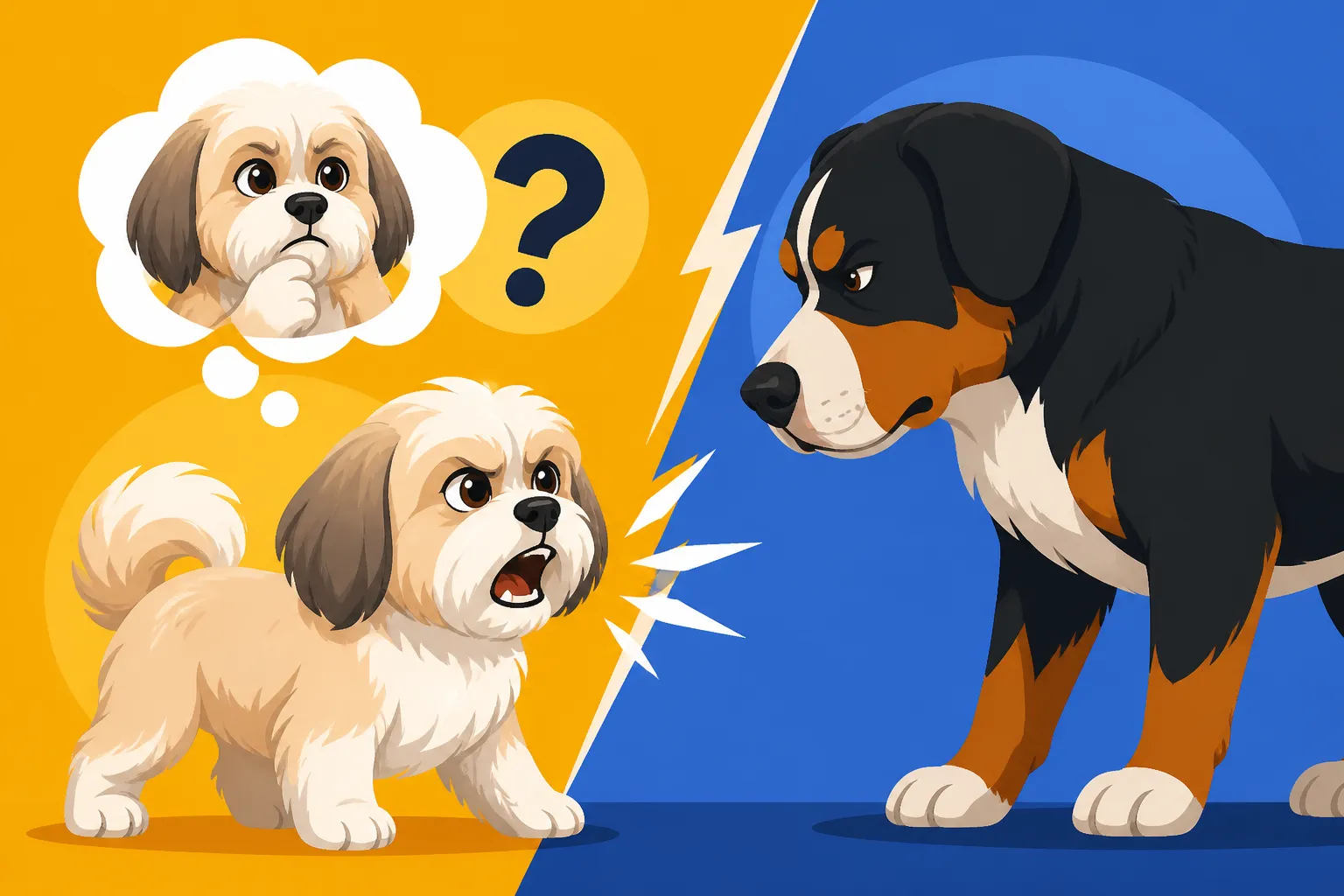
It can be incredibly disheartening, and frankly, a bit embarrassing, when your adorable, fluffy Havanese suddenly transforms into a tiny, growling dynamo at the sight of a much larger dog. You just want your little companion to be friendly, or at least polite, but sometimes they act like they're ready to take on a wolf! This guide will delve into why your Havanese might be growling at bigger dogs, what those growls actually mean, and practical steps you can take to help them feel more secure and respond more appropriately in these situations.
Understanding Why a Havanese Might Growl at Larger Dogs
Many Havanese owners experience this, and it's not always a sign of inherent aggression. Often, it's a complex mix of fear, instinct, and learned behavior. Let's break down some of the common reasons.
The Little Dog Syndrome: Is It Real?
Ah, "little dog syndrome." It's a term often thrown around, and while it might sound dismissive, there's a kernel of truth to the behavior it describes. Smaller dogs, like our beloved Havanese, are physically vulnerable in a world dominated by larger creatures, both human and canine. When a big, boisterous Labrador bounds over, intent on a friendly sniff, your Havanese might perceive it as an overwhelming threat, a giant shadow looming. Their natural response in such a situation can be to make themselves seem larger, scarier, and more formidable. Growling, barking, and lunging are often desperate attempts to create distance and say, "Back off! I'm not to be trifled with!"
It's not about them being inherently mean; it's often a manifestation of insecurity. They lack the physical size to genuinely defend themselves, so they resort to vocal displays. This isn't unique to Havanese, of course, but their smaller stature certainly amplifies the perceived need for a strong deterrent. They learn that a big, loud display often gets the bigger dog (and sometimes, the bigger dog's owner) to back away, reinforcing the behavior.
Fear-Based Aggression and Self-Preservation
At its core, much of the growling you hear is rooted in fear. Imagine you're walking down the street, and a person twice your size suddenly approaches you, making loud noises and erratic movements. Your first instinct might not be to offer a friendly greeting. Your Havanese feels similarly when confronted with a large, unfamiliar dog, especially if that dog isn't exhibiting polite body language.
This fear can stem from a variety of experiences. Perhaps they had a negative encounter as a puppy, where a larger dog was too rough or overbearing. Maybe they're naturally more timid or sensitive. Whatever the cause, their brain quickly goes into self-preservation mode. Growling is their way of communicating, "I'm scared, please don't come closer!" If the larger dog doesn't respect that boundary, the growling can escalate to snapping or even a bite, purely out of desperation. It’s crucial to understand that a fear-based growl isn't a challenge; it's a plea for space and safety. Your Havanese is effectively saying, "I'm worried this encounter could hurt me, so I need you to leave."
Resource Guarding, Even When It's You
Sometimes, the "resource" your Havanese is guarding isn't a toy or a food bowl, but you. This is a very common scenario for small dogs who are deeply bonded with their owners. They see you as their protector, their safe haven, and an incredibly valuable resource. When a larger dog approaches, your Havanese might perceive it as a threat to that bond or as an attempt to "take" you away.
This type of guarding can manifest as growling, stiffening, or even placing themselves between you and the other dog. They're essentially saying, "This is my person, and I'm not letting anyone else near them." This behavior can be particularly tricky because it often feels personal, as if your dog is being possessive of you. However, viewed through their lens, it's another form of self-preservation – protecting their primary source of security and comfort. If your Havanese tends to Whether a Havanese Guards Its Owner's Lap or other items, this behavior towards other dogs might be an extension of that protective instinct.
Lack of Early Socialization and Its Consequences
One of the biggest contributors to growling behavior is insufficient or poor early socialization. A Havanese puppy needs to be exposed to a wide variety of sights, sounds, people, and well-mannered dogs during their critical socialization period, which generally runs from 3 to 16 weeks of age. If they miss out on these positive experiences, the world can seem like a very scary place.
Imagine if you'd never met anyone outside your immediate family. How would you react when suddenly dropped into a bustling crowd? You'd likely be overwhelmed and anxious. Similarly, a Havanese who hasn't learned how to appropriately interact with other dogs, especially larger ones, will often default to fear and defensive growling. They simply don't have the social skills or confidence to navigate these interactions smoothly. This isn't to blame the owner, as sometimes circumstances prevent ideal socialization, but it's a key factor to consider. If your Havanese feels generally wary of strangers, this lack of confidence can easily extend to other dogs.
Recognizing the Early Signs and Body Language
Before your Havanese lets out a full-on growl, they're usually sending out a whole host of subtle signals. Learning to read these cues is absolutely vital for intervening early and preventing an escalation. Your Havanese is talking to you, and it's our job to listen.
Subtle Cues Before the Growl
Long before any sound escapes their mouth, your Havanese will likely be communicating their discomfort through their body. Look for these early warning signs:
- Stiffening: Their body might become rigid, their tail might stop wagging or tuck slightly, and their ears might pin back or be held low. They're no longer loose and relaxed.
- "Whale Eye": You'll see the whites of their eyes, especially when they turn their head away slightly but keep their gaze fixed on the approaching dog. This is a clear sign of stress.
- Lip Licking or Yawning (when not tired): These are common "calming signals" dogs use when they're feeling anxious or trying to de-escalate a tense situation. They're signs of internal conflict and stress.
- Head Turn/Body Turn: Your Havanese might try to look away from the other dog, or even physically turn their body sideways, presenting a less confrontational stance. They're trying to disengage.
- Raised Hackles: The hair along their spine (especially over their shoulders) might stand up. This isn't always aggression; it's an involuntary response to arousal, whether fear or excitement.
Catching these subtle cues allows you to create distance or redirect your Havanese before they feel the need to growl. It's about respecting their communication and giving them the space they need.
Escalation: From Stiff to Snapping
If the early warning signals are ignored, either by the approaching dog or the human handlers, your Havanese will likely escalate their communication. They feel their boundaries are being crossed and need to try harder to convey their discomfort:
- The Growl: This is the obvious one. It's a vocal "back off" signal. A low rumble is often a warning; a higher-pitched, more frantic growl might indicate higher levels of fear or anxiety.
- Hard Stare: Their eyes will lock onto the other dog, unblinking, with a tense face.
- Mouth Closed Tightly or Lips Curled: A tightly closed mouth shows tension, while curled lips, often revealing teeth, are an advanced warning.
- Snapping or Air Snaps: If the growling isn't effective, they might snap in the air, or even make contact without intending to cause harm. This is a desperate attempt to create distance.
- Lunging: They might lunge forward, often at the end of their leash, trying to scare the other dog away.
It's important to understand that each of these is a step up on the communication ladder. Our goal as owners is to prevent them from feeling they need to climb to the top. By understanding Whether a Havanese Is Reactive on the Leash, you can anticipate and manage these situations more effectively.
The Importance of Context
While body language is universal, the context of the interaction is everything. A growl during a rough play session might be very different from a growl when cornered.
Consider:
- The Environment: Is it a crowded dog park or a quiet street? Is your Havanese on a leash or off-leash? Leash frustration can often exacerbate growling, as they feel trapped. Whether a Havanese Belongs at a Dog Park is a valid question if your dog struggles with large-dog interactions.
- The Other Dog: Is the larger dog calm and respectful, or is it boisterous, pushy, and ignoring your Havanese's signals? Some larger dogs are great at reading small dog cues, others, not so much.
- Your Presence: Are you a calm, reassuring presence, or are you inadvertently tensing up, which your Havanese will pick up on?
- Past Experiences: Has your Havanese had positive or negative interactions with large dogs in the past? These memories heavily influence their current reactions.
By analyzing the context, you can better understand why your Havanese is reacting and tailor your response.
Practical Strategies to Manage and Prevent Growling
Managing growling behavior isn't about punishing the growl, but about addressing the underlying emotions – usually fear or anxiety – and teaching your Havanese more appropriate ways to cope.
Controlled Introductions and Positive Reinforcement
The key to helping your Havanese feel more comfortable around larger dogs is through positive, controlled exposures. This means no surprise encounters where they feel overwhelmed.
- Start Small, Stay Safe: Begin with brief, controlled interactions with one known, calm, and respectful large dog. Choose a friend's dog or a dog from a trusted training class. Make sure the larger dog has good social skills and isn't overly boisterous.
- Distance is Your Friend: Don't force proximity. Start at a distance where your Havanese notices the other dog but doesn't react with growling or tension. This might be across a park or even just across the street.
- Positive Associations: As soon as your Havanese looks at the larger dog without growling, immediately reward them with a high-value treat (something they absolutely love, like chicken or cheese). The goal is to create the association: "Big dog appears = delicious treat appears."
- Gradual Reduction of Distance: Over many sessions, slowly decrease the distance between your Havanese and the calm large dog, always staying below your Havanese's "threshold" for growling. If they start to get tense, you've gone too far too fast.
- Parallel Walks: Walking parallel to a calm large dog, at a comfortable distance, can be very beneficial. It allows them to be in the same environment without direct pressure to interact. A Havanese Meeting the Dog You Already Have can be managed with similar, careful introduction strategies.
Training and Desensitization
Training plays a huge role in building your Havanese's confidence and giving them tools to cope.
- "Look at That" Game: This is a fantastic desensitization exercise. When you see a large dog at a distance, say "Look at that!" and immediately give your Havanese a treat. Repeat this many times. The goal is to change their emotional response from fear/anxiety to "Oh, a big dog! Where's my treat?" Over time, the sight of a large dog becomes a predictor of something good.
- Basic Obedience for Confidence: Solid obedience commands like "sit," "stay," "come," and "leave it" build confidence and give you tools to manage situations. If your Havanese is focused on you, they're less likely to be focused on growling at another dog. Online training platforms, like those offered by BAXTER & Bella, can provide structured programs to help with these foundational skills from the comfort of your home. You can also find a wide range of training treats and harnesses on Amazon to support your efforts.
- "Touch" Command: Teach your Havanese to touch their nose to your hand for a treat. This can be a great way to redirect their attention when a large dog is approaching.
- Avoid Punishment: Never punish your Havanese for growling. Growling is communication. If you punish the growl, you remove their warning system, and they might go straight to a bite next time. Instead, thank them for communicating and then create distance or redirect.
Managing the Environment
Sometimes, the best strategy is simply to avoid situations that trigger growling.
- Leash Management: Always keep your Havanese on a leash in public areas. A well-fitting harness (many excellent options are available on Amazon) is often better than a collar for small breeds, reducing pressure on their delicate neck.
- Avoid Dog Parks (Initially): If your Havanese struggles with large dogs, a dog park is probably not the place to start. It's often too chaotic and unpredictable for a dog with fear-based reactions.
- Advocate for Your Dog: Don't be afraid to tell other owners, "My dog needs space," or "Please keep your dog on its leash." It's your responsibility to protect your Havanese.
- Scout Ahead: When on walks, constantly scan your surroundings. If you see a large dog approaching, cross the street, turn around, or step behind a car to create distance before your Havanese becomes reactive.
When to Seek Professional Help
If your Havanese's growling is severe, escalating to snapping, or you feel overwhelmed, don't hesitate to reach out to a certified professional.
- Certified Professional Dog Trainer (CPDT-KA): A good trainer can observe your Havanese's body language and help you implement a tailored training plan.
- Veterinary Behaviorist (Dip ACVB): For more severe cases of fear or aggression, a veterinary behaviorist (a vet with specialized training in behavior) can offer insights, behavioral modification plans, and sometimes medication to help reduce anxiety and make training more effective. They can help determine if there are underlying medical conditions contributing to the behavior. Whether a Havanese Needs a Professional Trainer is a question many owners face, and often, it's the best path to success.
Living Harmoniously: Long-Term Solutions and Prevention
Helping your Havanese overcome their fear or reactivity towards larger dogs is a journey, not a sprint. Consistency, patience, and a deep understanding of your dog are your most valuable tools.
Continuing Socialization Responsibly
Socialization isn't a one-and-done event for puppies; it's an ongoing process throughout a dog's life. Even after initial positive introductions, it's important to continue responsible exposure.
- Quality Over Quantity: Focus on high-quality, positive interactions rather than simply exposing your Havanese to as many dogs as possible. A few good experiences are far more valuable than many overwhelming ones.
- Diverse Doggy Friendships: If possible, cultivate friendships with owners of calm, polite large dogs who can be your Havanese's "ambassadors." These repeated, positive encounters can slowly chip away at their anxieties.
- Supervised Playdates: Arrange one-on-one playdates in a neutral, secure area with dogs you trust. Always supervise closely and be ready to intervene if your Havanese shows signs of stress.
- Variety of Environments: Continue to expose your Havanese to different environments – parks, pet stores, walking trails – where they can observe other dogs from a safe distance, reinforcing their comfort in the world. This is especially important if you're trying to help an undersocialized Havanese recover.
Building Confidence in Your Havanese
A confident dog is generally a less reactive dog. When your Havanese feels secure in themselves and in your leadership, they're less likely to resort to growling out of fear.
- Consistent Training: Keep up with short, fun training sessions daily. Mastering new skills, even simple ones, boosts their self-esteem and strengthens your bond. Platforms like BAXTER & Bella offer excellent guidance for ongoing training.
- Enrichment Activities: Provide plenty of mental stimulation with puzzle toys, scent games, and short training exercises. A mentally tired Havanese is often a calmer Havanese.
- Safe Spaces: Ensure your Havanese has a designated "safe space" in your home – a crate, a cozy bed, or a quiet room – where they can retreat and feel secure. This is their sanctuary.
- Your Calm Demeanor: Dogs are experts at reading our emotions. If you're stressed or anxious when you see a large dog, your Havanese will pick up on it and feel more anxious themselves. Strive to remain calm, confident, and reassuring.
Advocating for Your Small Dog
As owners of small dogs, we often need to be their voice and their shield. It’s not about being rude, but about setting clear boundaries for their safety and well-being.
- Visible Cues: Consider using a "Do Not Pet" vest or a yellow ribbon on their leash if you find people and their dogs are constantly approaching. This is a polite visual cue that your Havanese needs space.
- Direct Communication: Don't hesitate to say, firmly but kindly, "Please keep your dog on its leash," or "We're in training, could you give us some room?" Most responsible dog owners will understand and respect your request.
- Prioritize Their Comfort: Remember that not every dog needs to be friends with every other dog. It's perfectly okay for your Havanese to simply co-exist peacefully, observing from a distance, rather than engaging in direct interaction. Their comfort and safety should always be your top priority. By being a strong advocate, you reinforce their sense of security with you, which can significantly reduce their need to growl defensively.
Growling at bigger dogs is a common challenge for Havanese owners, but with understanding, consistent training, and proactive management, you can help your furry friend navigate the world more confidently and peacefully.
Disclaimer
This article is for general informational purposes only and does not constitute professional advice. Laws, prices and regulations vary by location and change over time. Consult a qualified professional for guidance on your specific situation.