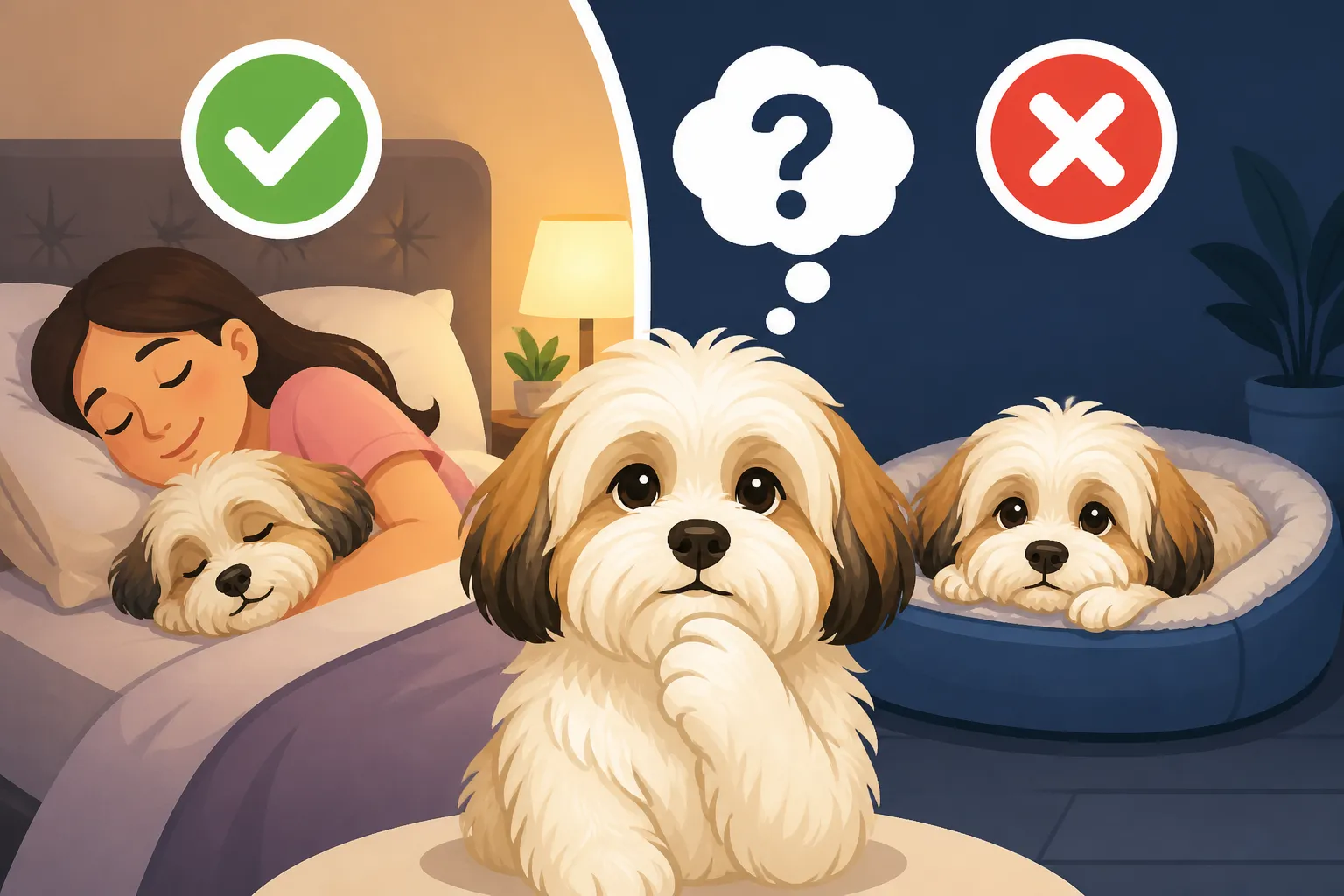
Whether a Havanese Should Sleep in the Bedroom
The question of where your Havanese sleeps at night isn't just about finding a comfy spot; it's often tied to deeper emotional connections, house rules, and even your own sleep quality. Many Havanese owners wrestle with whether to let their fluffy companion share their bedroom, torn between the joy of closeness and concerns about creating a dependent pup or disrupting sleep. This guide will help you navigate this decision, exploring the benefits, challenges, and practical tips for ensuring a peaceful night for everyone involved.
The Comfort and Security of Co-Sleeping for Your Havanese
Havanese are famously affectionate dogs, bred over centuries to be companion animals. It's in their very nature to want to be near their people, and this desire doesn't magically disappear when the lights go out. Allowing your Havanese to sleep in your bedroom can tap into this intrinsic need for closeness, offering them a sense of security and strengthening your bond.
Why Your Havanese Craves Proximity
Imagine being a Havanese. Your entire world revolves around your family. You're a social creature, and the thought of being utterly alone in a dark house might feel unsettling. For many Havanese, especially puppies, the quiet of night can amplify feelings of vulnerability. They've spent their day following you from room to room, often literally right at your heels. This breed is known for wanting to be involved in everything you do, and that includes your wind-down routine. Sleeping in the same room, even if not in the same bed, provides them with the reassurance that they are still part of the pack, safe and sound. It's not just about warmth; it's about the subtle sounds of your breathing, the familiar scent, and the comforting knowledge that you're right there. This can significantly reduce anxiety, especially for younger dogs or those prone to The Havanese That Cannot Be Left Alone.
Establishing a Safe and Cozy Sleep Space
Even if your Havanese is in your bedroom, it's crucial that they have their own designated sleep spot. This isn't just about boundaries for you, but also about creating a secure den for them. A comfortable dog bed, a soft mat, or even a small crate can be perfect. Place it close enough to your bed so they can see and hear you, but far enough away that they understand it's their space.
When choosing a bed, think about what makes a Havanese comfortable. They love to burrow, so a bed with raised sides or one that allows them to nestle in can be ideal. You might find great options on sites like Amazon, with various sizes and materials to suit your Havanese's preferences. Make sure the bed is clean, has soft bedding that can be washed regularly, and is free from drafts. Some owners even use a small blanket that smells like them to further enhance their Havanese's sense of security. This dedicated space helps prevent resource guarding of your bed and also ensures they have a consistent place to retreat to, promoting good sleep habits. It also teaches them that they don't have to be on your bed to be close and safe, offering a healthy balance.
Addressing Potential Behavioral Downsides
While the idea of your Havanese snuggled up nearby sounds delightful, there can be some behavioral considerations. One common concern is fostering over-attachment or separation anxiety. If the only time your Havanese is apart from you is when you leave the house, they might struggle with being alone. However, allowing them in your bedroom doesn't automatically lead to this. It's about balance. Ensure your Havanese also has plenty of independent time during the day, with puzzle toys or simply napping in a different room.
Another potential issue is creating a dog that constantly seeks attention at night, whining to be let onto the bed or nudging you for pets. This can be managed through consistent training and clear rules from the start. Decide if your Havanese is allowed on the bed or not, and stick to it. If not, gently but firmly redirect them to their own bed every time they try to jump up. The key is consistency, patience, and ensuring their physical and mental needs are met during the day so they're genuinely tired at night. This also ties into establishing good habits during The First Year With a Havanese Puppy.
Practical Considerations for Sharing Your Sleep Space
Sharing your bedroom with your Havanese isn't just about their comfort; it also involves practical adjustments for you and your living space. From managing allergens to ensuring undisturbed sleep, a few considerations can make all the difference.
Allergy Management and Hygiene
Let's be real: no matter how hypoallergenic a Havanese is claimed to be, they're still animals that can carry dander, shed a little, and track in dirt. For those with allergies or sensitivities, having a dog in the bedroom can exacerbate symptoms. Even if you don't have allergies, the idea of dog hair and potential outside grime on your bedsheets might not appeal.
Regular grooming is your first line of defense. Consistent brushing and bathing can significantly reduce dander and loose hair. How Often a Havanese Must Be Brushed is a crucial piece of this puzzle. Consider investing in a good quality air purifier for the bedroom to help filter out allergens. Frequent washing of your dog's bedding and your own linens is also vital. If your Havanese sleeps in their own bed on the floor, it's easier to keep your actual bed an allergen-free zone. Regular vacuuming and wiping down surfaces will also contribute to a cleaner environment. Some owners use special mattress and pillow covers designed to be allergen-proof, creating an extra barrier.
Ensuring Everyone Gets a Good Night's Rest
The primary goal of sleep is rest, and if your Havanese is disrupting yours, it might be time to reconsider the bedroom arrangement. Common disruptions include:
- Restlessness: Some Havanese might shift, sigh, or even snore (yes, they do!).
- Early morning wake-up calls: Your Havanese might decide 5 AM is prime playtime, nudging you or barking to go outside.
- Noises: Barking at outside sounds, the house settling, or even just dreaming loudly can interrupt your sleep. Whether a Havanese Gets Its Owner a Noise Complaint can sometimes start with night barking.
- Hogging the bed: If your Havanese is on your bed, their small size can belie their ability to take up a disproportionate amount of space!
To minimize disruptions, establish a consistent bedtime routine. A final potty break, a quiet play session, and a calming treat can signal that it's time to wind down. Ensure they are getting enough exercise and mental stimulation during the day so they are genuinely tired by nightfall. Whether a Havanese Settles After Exercise is a key indicator of whether their daytime needs are being met. If your Havanese is waking you up early for potty breaks, gradually shift their morning schedule later by 15-minute increments each day. If barking is an issue, you may need to implement specific training to teach a "quiet" cue or address underlying anxieties that lead to alert barking.
The Importance of Independent Play and Training
Having your Havanese sleep in your bedroom doesn't mean they should be attached to your hip 24/7. It's vital for their emotional well-being that they learn independence. This means having times during the day when they are happily occupied in another room or relaxing on their own.
- Designated "Alone Time": Even if you're home, encourage your Havanese to spend short periods in a different room with a chew toy or a puzzle feeder.
- Mental Stimulation: Engaging their minds with training sessions, interactive toys from Amazon, or scent games can tire them out more effectively than just physical exercise. This helps build confidence and reduces reliance on constant human interaction.
- Boundary Training: Teach your Havanese cues like "place" or "bed" so they understand when to go to their own designated spot, whether it's for an afternoon nap or bedtime. A solid foundation in obedience training from resources like BAXTER & Bella can be incredibly helpful here. This teaches them that while they are loved and cherished, there are also times and places where independent behavior is expected.
Training Your Havanese for Bedroom Manners
Bringing your Havanese into the bedroom successfully often hinges on good training. It's not just about allowing them; it's about teaching them how to behave respectfully and sleep soundly through the night.
Crate Training as a Foundation
For many Havanese owners, a crate is an invaluable tool for establishing good sleep habits, especially during puppyhood. A crate provides a safe, den-like space where your Havanese can feel secure. If you're wondering Whether Crate Training Suits a Havanese, the answer is often a resounding yes, as long as it's introduced positively.
Start by making the crate a pleasant place, with soft bedding and treats. Feed meals inside, and leave the door open while you're around. Gradually increase the time they spend in it, always ending on a positive note. When it comes to nighttime, placing the crate in your bedroom allows your puppy to be near you while still having their own defined space. This is particularly helpful for potty training, as most puppies won't soil their sleeping area, prompting them to alert you if they need to go out. Over time, your Havanese will associate the crate with comfort and sleep, making transitions easier if you ever decide they should sleep elsewhere. For young puppies, this can be crucial for understanding Whether a Havanese Puppy Should Be Crated at Night.
Teaching Boundary Cues
Whether your Havanese sleeps on the floor in their own bed or on your bed, establishing clear boundaries is paramount. This helps prevent them from becoming overly demanding or developing habits that disrupt your sleep.
- "Off" or "Out": If your Havanese is allowed on the bed sometimes but not always, teach a clear "off" command. Reward them for moving to their own bed. Practice this during the day, not just at night, so it's not associated with punishment.
- "Place" or "Bed": This cue directs them to their designated sleeping spot. Use positive reinforcement (treats, praise) when they go to their bed and settle. This helps them understand that their spot is a good place to be.
- Consistency is Key: Every family member needs to be on the same page. If one person allows the Havanese on the bed and another doesn't, it will only confuse your dog and make training much harder. Decide on the rules and stick to them, every single night. Even if they whine or try to sneak up, gently redirect them. They will learn over time.
Dealing with Nighttime Disruptions
Even with the best training, some Havanese might still experience nighttime jitters or simply need to potty. How you handle these moments can reinforce good habits or inadvertently teach them that disruptions get attention.
- Potty Breaks: If your Havanese wakes you up, assume it's for a potty break, especially if they are young or prone to Whether a Havanese Gets Bladder Stones. Take them out quickly, with minimal fanfare. No playing, no lengthy cuddles. They go, they come back in, and they go directly back to their sleep spot. This teaches them that nighttime potty breaks are purely functional.
- Whining/Attention Seeking: If you've ruled out a potty need and your Havanese is whining for attention, it's tough, but you'll need to ignore it. Any attention, positive or negative, can reinforce the behavior. Ensure they're safe and comfortable in their space, then return to bed. This is where crate training can be particularly helpful, as it provides a contained space. If the whining persists and seems genuinely distressed, it might indicate separation anxiety or an underlying medical issue, which would warrant a vet visit. However, for typical attention-seeking, ignoring is the most effective strategy.
| Scenario | Recommended Action | Potential Downsides |
|---|---|---|
| Havanese on Your Bed | Designate a clear "their side," establish "off" command. | Can lead to sleep disruption, allergy issues, bed hogging. |
| Havanese in Bed (Own Bed) | Place a cozy bed near yours, use "place" command. | Less direct contact, but still close. Need to clean bedding. |
| Havanese in Crate (Bedroom) | Crate is a den, positive association. Minimal interaction at night. | Some dogs dislike crates; requires consistent training. |
| Nighttime Potty Need | Quick, quiet trip outside, immediately back to bed/crate. | Reinforces wake-ups if not handled efficiently. |
| Attention Seeking Whining | Ignore if non-urgent, ensure needs met. | Can be difficult for owners to ignore. |
When the Bedroom Isn't the Best Option
While co-sleeping with your Havanese can be a lovely experience, it's simply not the right fit for everyone or every dog. Recognizing when the bedroom isn't working is important for both your well-being and your Havanese's.
Identifying When Co-Sleeping Isn't Working
Sometimes, despite your best efforts, having your Havanese in the bedroom just doesn't work out. Here are some signs it might be time to find an alternative sleep arrangement:
- Chronic Sleep Deprivation: If you or other family members are consistently losing sleep due to your Havanese's restlessness, noises, or early wake-up calls, it's a problem. Sleep is essential for human health and patience!
- Escalating Behavioral Issues: If your Havanese is becoming possessive of the bed, showing signs of aggression when moved, or if separation anxiety is worsening (instead of improving) by being in the bedroom, it indicates a deeper issue that proximity isn't solving. You might need professional help if your Havanese constantly Cries When You Leave even for short periods.
- Severe Allergies: For individuals with significant dog allergies, even a well-groomed Havanese in the bedroom can trigger uncomfortable symptoms, making sleep impossible. Your health must come first.
- Hygiene Concerns: If maintaining cleanliness becomes a constant battle, or if your Havanese frequently has accidents in the bedroom (and this isn't due to a medical issue), it might be time for a different sleeping arrangement.
- New Family Members: The arrival of a baby or another pet might necessitate a change in your Havanese's sleeping habits for safety or harmony reasons.
Transitioning to an Alternative Sleep Location
If you decide the bedroom isn't the best place for your Havanese to sleep, don't just banish them suddenly. This can be traumatic and confusing for an animal that loves routine and closeness. A gradual transition is key.
Start by moving their bed or crate closer to the bedroom door, then just outside the door, and eventually to its new permanent location, such as the living room or a quiet den. Maintain consistency with their bedtime routine, ensuring they still get a final potty break and a quiet wind-down period. You can spend some extra time cuddling or playing with them in their new sleep area before you retire to your bedroom. A special, long-lasting chew toy can also help them settle in their new spot.
Using a dog gate to block access to your bedroom can be helpful during this transition. You might experience some whining or barking initially; remember, this is normal and part of their adjustment. If you know your Havanese has historically struggled with being alone, you might want to look at resources from BAXTER & Bella for guidance on managing this transition or consult a professional trainer. Offering a shirt or blanket with your scent can also provide comfort in their new space.
Long-Term Considerations for Your Havanese's Well-being
Ultimately, the goal is for your Havanese to be a happy, well-adjusted member of your family, and that includes their sleep habits. Whether they sleep in your bedroom or not, consistency, security, and meeting their needs are paramount.
Consider your Havanese's individual personality. Some are naturally more independent, while others are truly velcro dogs. Whether a Havanese Bonds to One Person Only can also influence their reaction to changes in sleep arrangements. As they age, their needs might change too. An older Havanese with arthritis might struggle to jump on and off your bed, or they might need more frequent potty breaks, making a floor-level bed or a spot closer to an exit more practical. Your Havanese might also spend a fair amount of time napping during the day, as covered in Whether a Havanese Sleeps Most of the Day, so ensuring their main night sleep is truly restful for everyone is critical.
The most important thing is that your Havanese feels loved, safe, and secure, regardless of where they snooze. A well-exercised, well-fed, and well-trained Havanese will adapt to their sleeping arrangements as long as they feel connected to their family.
Disclaimer
This article is for general informational purposes only and does not constitute professional advice. Laws, prices and regulations vary by location and change over time. Consult a qualified professional for guidance on your specific situation.