Whether a Havanese Suits an Apartment Building
The thought of bringing a fluffy, spirited Havanese into an apartment might fill some prospective owners with worry. You might picture endless barking echoing down hallways, a constant need for a yard your building doesn't have, or a little dog feeling utterly cooped up. It’s a very real concern for anyone living in a smaller space who wants to give their beloved companion the best life possible, but the good news is, a Havanese can absolutely thrive in an apartment setting, provided you understand their unique needs and make some thoughtful adjustments to your routine. This guide will walk you through everything you need to know about making apartment life a joy for both you and your Havanese.
Understanding the Havanese Temperament in Small Spaces
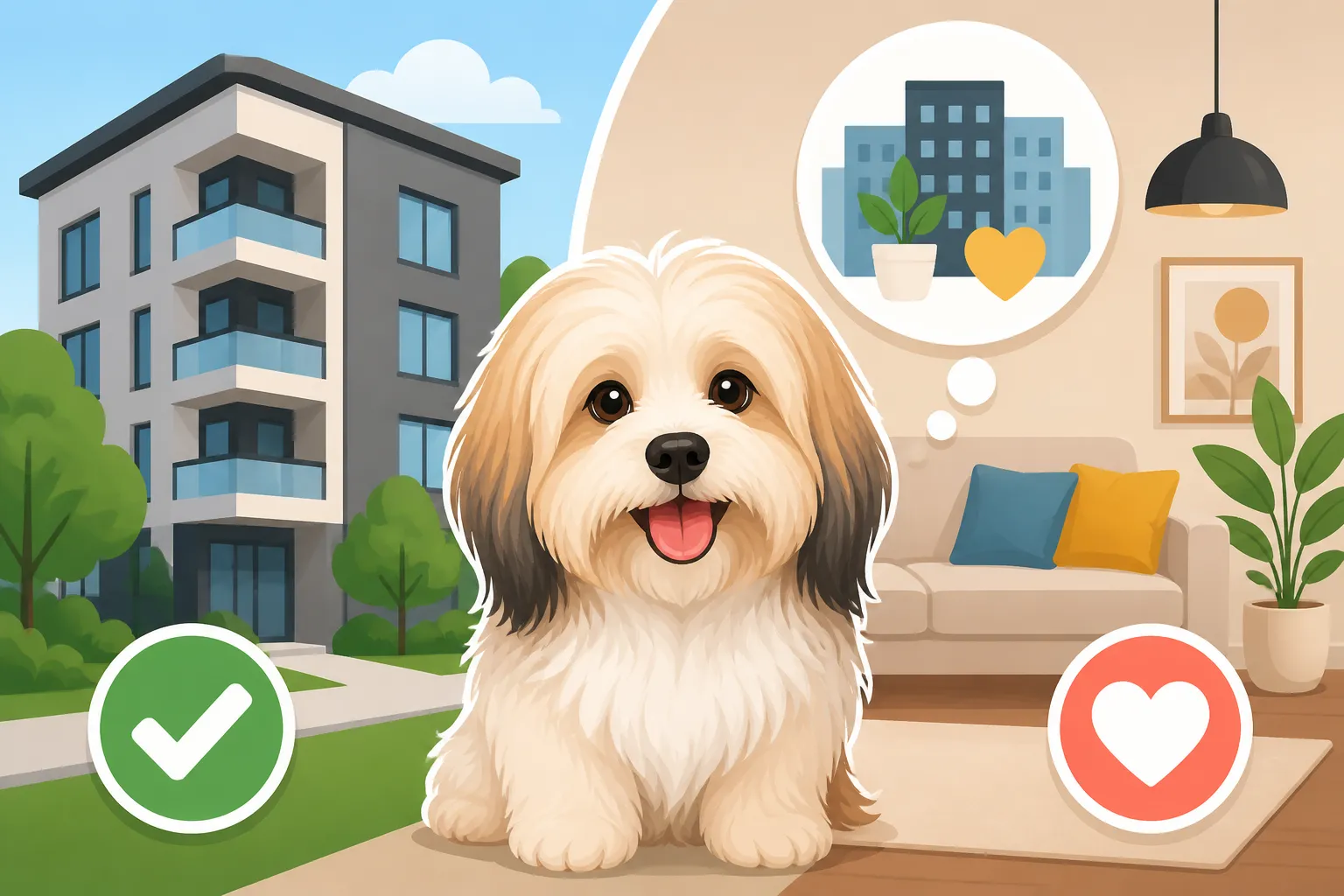
The Havanese, with their charming personalities and affectionate nature, are often touted as ideal apartment dwellers. This isn't just a marketing slogan; it's rooted deeply in their breed characteristics and historical role. They were bred to be companion dogs, always by their human's side, which translates beautifully to a life lived in close quarters. Their size, energy levels, and inherent desire for companionship make them surprisingly well-suited to apartment living, perhaps even more so than some larger, seemingly calmer breeds.
Their Innate Desire for Proximity
One of the most defining traits of the Havanese is their profound desire to be close to their people. These little "Velcro dogs" genuinely want to be where you are, doing what you're doing, whether that's lounging on the couch, following you from room to room, or even just watching you cook dinner. This isn't a breed that's content to be left alone in a large backyard for hours on end; they crave interaction and companionship above all else. In an apartment, this trait works to your advantage. There's less distance between you, and they can easily stay within eyesight, fulfilling their need for connection. You'll find your Havanese content to nap at your feet while you work, or curl up on your lap during an evening of reading, rather than demanding vast amounts of space. This natural tendency means that even a small living area feels perfectly adequate to them, as long as it includes you. This desire for constant companionship is a big part of Why a Havanese Follows You Into Every Room.
When you live in an apartment, your Havanese doesn't perceive the lack of a sprawling lawn as a deprivation. Instead, they appreciate the constant proximity and the feeling of being an integral part of your daily life. They become your shadow, and honestly, most Havanese owners wouldn't have it any other way. This isn't to say they don't enjoy venturing outside, but their primary happiness comes from being with their family. This deep bond means that if you're a homebody or work from home, your Havanese will be in heaven. They adapt remarkably well to the rhythm of your indoor life, making them incredibly low-maintenance in terms of space requirements, if high-maintenance in terms of attention.
Adaptability to Indoor Living
Havanese are famously adaptable. They are not high-strung dogs that require constant outdoor stimulation to prevent destructive behaviors. While they certainly have bursts of playful energy, they are generally content with indoor games, short training sessions, and cuddles. Their small stature means that even a game of fetch down a hallway or a romp with a favorite toy in the living room can provide a good outlet for their energy. They don't need acres to run; they need engagement and interaction.
Think about the life of a typical apartment dweller: walks around the block, visits to dog-friendly parks, maybe a quick trip to a pet supply store. These activities perfectly align with a Havanese's needs. Their moderate energy levels mean they’re happy with a couple of daily walks and some indoor playtime, rather than demanding miles of off-leash running. This adaptability extends to changes in routine or environment, too. A Havanese generally settles well into new spaces as long as their human companions are present and provide a sense of security. This makes them excellent travel companions and able to handle apartment moves with relative ease, much better than breeds that might become stressed by a shift in their established outdoor territory. They truly make the most of whatever indoor space they're given, transforming it into their cozy kingdom.
Managing Common Havanese Behaviors in an Apartment Setting
While Havanese are excellent apartment candidates, it’s not entirely without considerations. Like any breed, they have certain predispositions that need to be managed, especially when sharing walls and common areas with neighbors. The two biggest concerns for apartment dwellers are often barking and housetraining, and thankfully, both can be successfully addressed with consistent training and proactive management.
Addressing the Barking Tendency
Let's be real: Havanese can be alert barkers. They love to announce visitors, suspicious hallway noises, or even the rustle of leaves outside the window. This isn't aggression; it's just their way of saying, "Hey, something's happening!" or "I hear that!" In an apartment building, where sounds travel easily and you have neighbors right on the other side of the wall, this can quickly become a nuisance. The good news is that their barking is usually manageable and can be shaped with proper training.
The key to managing apartment barking is to be proactive and consistent. Firstly, understand what triggers your Havanese. Is it every knock on a neighbor's door? The sound of the elevator? People walking past your window? Once you identify the triggers, you can start to address them. Desensitization and counter-conditioning are your best friends here. For example, if your Havanese barks at hallway noises, start by playing a recording of similar sounds at a low volume. Reward them for staying quiet. Gradually increase the volume over days or weeks, always rewarding calmness. When a real noise happens, immediately redirect their attention with a treat or a favorite toy. Teach a "quiet" cue by saying "quiet" as soon as they stop barking, and then rewarding them. Repeat this consistently, and they'll start to associate the cue with ceasing their vocalizations. It’s also important to manage their environment; if they bark at everything outside the window, consider privacy film or curtains. For hallway sounds, a white noise machine or even classical music can help muffle the triggers. For a deeper dive into this, you might find The Barking a Havanese Does at Every Sound incredibly helpful.
Housetraining Challenges in High-Rise Living
Housetraining a Havanese, especially in a high-rise apartment, can sometimes feel like a marathon rather than a sprint. Small dogs, in general, can be a bit trickier to housetrain because their bladders are smaller, and they often give less obvious cues that they need to go. In an apartment, the added logistical challenge of getting them outside quickly can exacerbate the situation. You can't just open a back door and let them out; there's an elevator ride, hallways, and possibly inclement weather to contend with. This journey from the 10th floor to the patch of grass outside can sometimes feel like an eternity, especially for a puppy with a tiny bladder or an older dog with an urgent need.
The cornerstone of successful apartment housetraining is a strict, consistent schedule. Take your Havanese out frequently – every hour or two for a young puppy, first thing in the morning, last thing at night, and after every meal, nap, and play session. Always go to the same designated potty spot and reward lavishly with praise and a high-value treat the instant they finish their business. Avoid scolding for accidents; instead, clean them thoroughly with an enzymatic cleaner to eliminate odors that might attract them back to the same spot. For those times when getting outside isn't feasible or fast enough, such as during extreme weather or late at night, consider using indoor potty pads or an artificial grass patch. While not a substitute for outdoor potty breaks, they can be a lifesaver in an apartment, especially for puppies. Brands like Amazon offer a wide variety of these products that can make apartment living much easier during the housetraining phase. Remember, patience and consistency are key. Even if it feels like forever, your Havanese will eventually get it.
Exercise and Mental Stimulation Without a Yard
One of the biggest concerns for apartment dwellers considering a dog is often the lack of a private yard. While it's true that a Havanese won't be able to roam freely in your own green space, they absolutely do not need a yard to thrive. Their exercise needs are moderate, and their intelligent, curious minds can be stimulated in countless ways, both indoors and out, making apartment life perfectly suitable with a bit of creativity on your part.
Daily Walks and Outdoor Adventures
Daily walks are paramount for a Havanese living in an apartment, serving multiple crucial purposes beyond just potty breaks. These walks are their primary source of physical exercise, helping them burn off energy and maintain a healthy weight. Aim for at least two walks a day, ideally longer ones, ranging from 20 to 30 minutes each, depending on your dog's age and stamina. However, walks are also vital for mental stimulation. The sights, sounds, and smells of the outside world provide a rich tapestry of information that keeps their minds engaged and prevents boredom. Let them sniff around, explore new paths, and greet friendly strangers (if they're comfortable and well-socialized). This mental enrichment is just as important as the physical exertion.
Varying your walking routes is a great way to keep things interesting. Explore different blocks in your neighborhood, visit a local park, or even take a short car ride to a new area for a sniffari. These "outdoor adventures" don't have to be epic hikes; simply experiencing a new environment can be incredibly stimulating for your Havanese. Remember to always use a comfortable harness rather than a collar to protect their delicate necks, and be mindful of weather conditions. In very hot or cold weather, short, frequent outings might be better than one long one. For more ideas on how to keep your Havanese engaged, check out What a Havanese Needs Beyond a Walk.
Indoor Activities and Brain Games
Even without a yard, your apartment offers a fantastic playground for your Havanese. Indoor activities are essential, especially on days when the weather is bad or your schedule is tight. Play sessions can involve simple games like fetch down a hallway, tug-of-war with a soft toy, or hide-and-seek. Hide-and-seek is particularly great for mental stimulation; hide yourself or their favorite toy and encourage them to find it, using their excellent sense of smell. These games burn off physical energy and strengthen your bond.
Beyond physical play, mental stimulation is critical for preventing boredom and potential destructive behaviors in an apartment. Havanese are intelligent little dogs and love to use their brains. Incorporate puzzle toys where they have to figure out how to get treats (Amazon has a fantastic selection of these, from basic sniff mats to more complex contraptions). Short, frequent training sessions also serve as excellent mental exercise. Teach them new tricks – Havanese excel at learning and love to show off their skills. Even five to ten minutes of training a couple of times a day can tire them out more effectively than a long, mindless walk. Consider an online training program, like those offered by BAXTER & Bella, which provide structured lessons that are perfect for reinforcing good manners and learning new tricks right in your living room, keeping their minds sharp and engaged. This combination of physical and mental activity will ensure your Havanese remains a happy, well-adjusted apartment dweller.
Socialization and Community Living
Living in an apartment building means sharing spaces with other people and often other pets. For a Havanese, who are generally friendly and outgoing, this can be a wonderful opportunity for socialization. However, it also means you need to be mindful of etiquette and ensure your dog is well-behaved and comfortable in these shared environments. Proper socialization from a young age is key to ensuring your Havanese is a polite and pleasant neighbor.
Interacting with Neighbors and Other Pets
In an apartment complex, you'll inevitably encounter neighbors, whether in the hallway, elevator, or shared outdoor spaces. It’s important for your Havanese to be comfortable and polite in these interactions. Early and positive socialization is crucial. Expose your puppy to a variety of people – men, women, children of different ages, people with hats, people with umbrellas – in a controlled, positive manner. Reward calm behavior. If your Havanese is prone to barking at strangers, work on redirecting their attention with treats before they even start to vocalize. You want them to associate new people with positive experiences, not anxiety or excessive alerts.
When it comes to other pets, particularly other dogs, supervised positive interactions are also important. Many apartment buildings have other dog owners, and respectful greetings can make living together much more pleasant. Ensure your Havanese is comfortable being around other dogs, whether it's a quick sniff-and-greet in the hallway or a more extended play session at a dog park. Always keep them on a leash in common areas, and be ready to advocate for your dog if another dog is overly boisterous or aggressive. Remember that not all dogs or people want to interact, so always gauge the situation and respect others' boundaries. For broader guidance on building a well-adjusted Havanese, topics like Whether a Havanese Suits an Apartment Building (which we're discussing now!) and A Havanese Meeting the Dog You Already Have can provide helpful context.
Handling Elevators, Hallways, and Shared Spaces
Navigating the various shared spaces of an apartment building requires specific training and patience. Elevators, stairwells, and hallways can be challenging for some dogs due to confined spaces, sudden noises, or unexpected encounters. Your Havanese needs to be comfortable and calm in these environments. Start by practicing in quiet times. If your Havanese is nervous about the elevator, stand by it, give treats, and gradually move closer. Step in for a second, then out, rewarding them for their calm. Gradually build up to short rides, always making it a positive experience with treats and praise. The goal is for them to see these transitions as normal and safe.
In hallways, leash manners are paramount. Teach a loose-leash walk so they don't pull or lunge, especially when passing another resident or their pet. Keep walks purposeful during potty breaks, especially during peak hours. Be mindful of noise; if your Havanese is prone to yapping at every sound in the hallway, work on "quiet" cues and distractions. If your building has a designated pet relief area, ensure your Havanese is comfortable using it and always, always clean up after them. Being a considerate pet owner in an apartment community not only makes your life easier but also fosters a positive environment for all residents. This thoughtful approach will ensure your Havanese is a beloved and welcome member of the apartment community, not a source of neighborly friction.
Considering the Practicalities of Apartment Life with a Havanese
Beyond their temperament and training, there are some practical aspects of Havanese ownership in an apartment that are worth considering. These include managing their grooming needs in a smaller space and establishing a consistent routine that fits both your lifestyle and your dog's needs. Being prepared for these day-to-day realities will make apartment living with your Havanese much smoother and more enjoyable.
Grooming Needs and Apartment Cleanliness
The Havanese is renowned for its beautiful, flowing coat, which is low-shedding but high-maintenance. While the low-shedding aspect is a huge plus for apartment dwellers (less fur tumbleweeds!), the grooming itself requires dedication. Regular brushing is essential to prevent mats, which can quickly become painful and necessitate a trip to the groomer for a shave-down. You'll need a designated grooming area in your apartment, perhaps a corner with a grooming table (even a small, portable one) or a comfortable spot where you can easily reach them. Weekly, if not daily, line brushing is a must to keep their silky coat free of tangles. This is especially true as their puppy coat transitions, around the eight-month mark, when they are highly prone to matting.
Keeping a Havanese well-groomed also contributes to apartment cleanliness. A brushed dog is a cleaner dog. You'll need to regularly wipe their face and beard to prevent tear stains and food residue, which can not only look unsightly but also harbor bacteria. Trimming the hair around their paw pads is crucial to prevent slipping on hard apartment floors and to avoid tracking dirt and debris inside. Even though they don't shed much, dust and dirt can still accumulate, so a good vacuum cleaner (perhaps one with a pet hair attachment readily available on Amazon) will be your friend. The good news is that because they are small, the amount of 'mess' they create is also small, making cleanup relatively easy compared to larger breeds. For more specific grooming tips, you might want to read Teaching a Havanese to Lie Still for Grooming.
The Importance of a Reliable Routine
Dogs thrive on routine, and Havanese are no exception. In an apartment, where their world is often confined to specific indoor spaces, a predictable schedule provides a sense of security and helps manage expectations. This includes consistent feeding times, regular potty breaks, scheduled playtime, and designated rest periods. A solid routine helps prevent anxiety and can minimize unwanted behaviors, as your Havanese will learn what to expect throughout the day. For example, if they know they get a walk at 7 AM and 5 PM, they'll be less likely to have accidents indoors or become overly restless at other times.
A reliable routine also benefits you as the apartment owner. It helps you integrate your Havanese's needs seamlessly into your own daily life, making sure their exercise, training, and potty needs are met without feeling chaotic. If you work outside the home, consider how long your Havanese will be alone. While Havanese are generally adaptable, they are deeply social and can be prone to separation anxiety if left for excessively long periods. Arranging for a dog walker, a mid-day check-in, or even doggy daycare can be crucial. Establishing these routines from the moment your Havanese puppy comes home will lay the groundwork for a happy and harmonious life in your apartment, ensuring their physical and emotional needs are consistently met. This consistency is especially vital in their first year. You can learn more about this in The First Year With a Havanese Puppy.
Here's a quick look at the pros and cons of apartment living with a Havanese:
| Aspect | Pros for Havanese in an Apartment | Cons/Considerations for Havanese in an Apartment |
|---|---|---|
| Size & Energy | Small size fits easily in compact spaces; moderate energy needs met by indoor play & walks. | Requires consistent outdoor exercise regardless of apartment size; minimal space for zoomies. |
| Temperament | Loves proximity to owners; adaptable and content indoors; deeply affectionate. | Prone to separation anxiety if left alone too long due to strong bonding; can be alert barkers. |
| Housetraining | Can be trained to use indoor potty pads/grass patches for convenience, especially for emergencies or bad weather. | Logistical challenges of quick potty breaks (elevator rides, hallways); smaller bladder means more frequent outings for puppies. |
| Grooming | Low-shedding coat means less hair around the apartment; easy to bathe in smaller tubs. | High-maintenance grooming requires dedicated space and time; long coat can track in dirt from outside walks. |
| Socialization | Frequent encounters with people and other dogs in common areas provide natural socialization opportunities. | Potential for noise complaints if barking isn't managed; need for polite leash manners in shared spaces (elevators, hallways). |
| Security | Less exposure to outdoor hazards like stray animals or toxins found in yards. | More reliance on leashes and carriers for safety in public areas; limited personal outdoor space for unsupervised play. |
Conclusion
So, does a Havanese suit an apartment building? Absolutely, with a resounding yes! These charming, adaptable, and deeply affectionate dogs are, in many ways, perfectly designed for apartment living. Their small size, moderate exercise requirements, and intense desire for human companionship mean they thrive in close quarters, finding comfort and security in being near their people, regardless of square footage.
Of course, apartment life with any dog comes with its own unique set of responsibilities. You'll need to be dedicated to consistent housetraining, proactively manage their natural tendency to bark at new sounds, and ensure they receive plenty of physical activity and mental stimulation through regular walks and engaging indoor games. You'll also need to be a good neighbor, always cleaning up after your Havanese and ensuring they are well-behaved in shared spaces.
But for all the minor adjustments, the rewards are immense. A Havanese will fill your apartment with joy, laughter, and an unwavering devotion that makes every moment special. They are truly little sunshine dogs, and with your thoughtful care and commitment, your apartment can become their perfect, cozy haven.
Disclaimer
This article is for general informational purposes only and does not constitute professional advice. Laws, prices and regulations vary by location and change over time. Consult a qualified professional for guidance on your specific situation.