Whether a Havanese Has Accidents When Excited
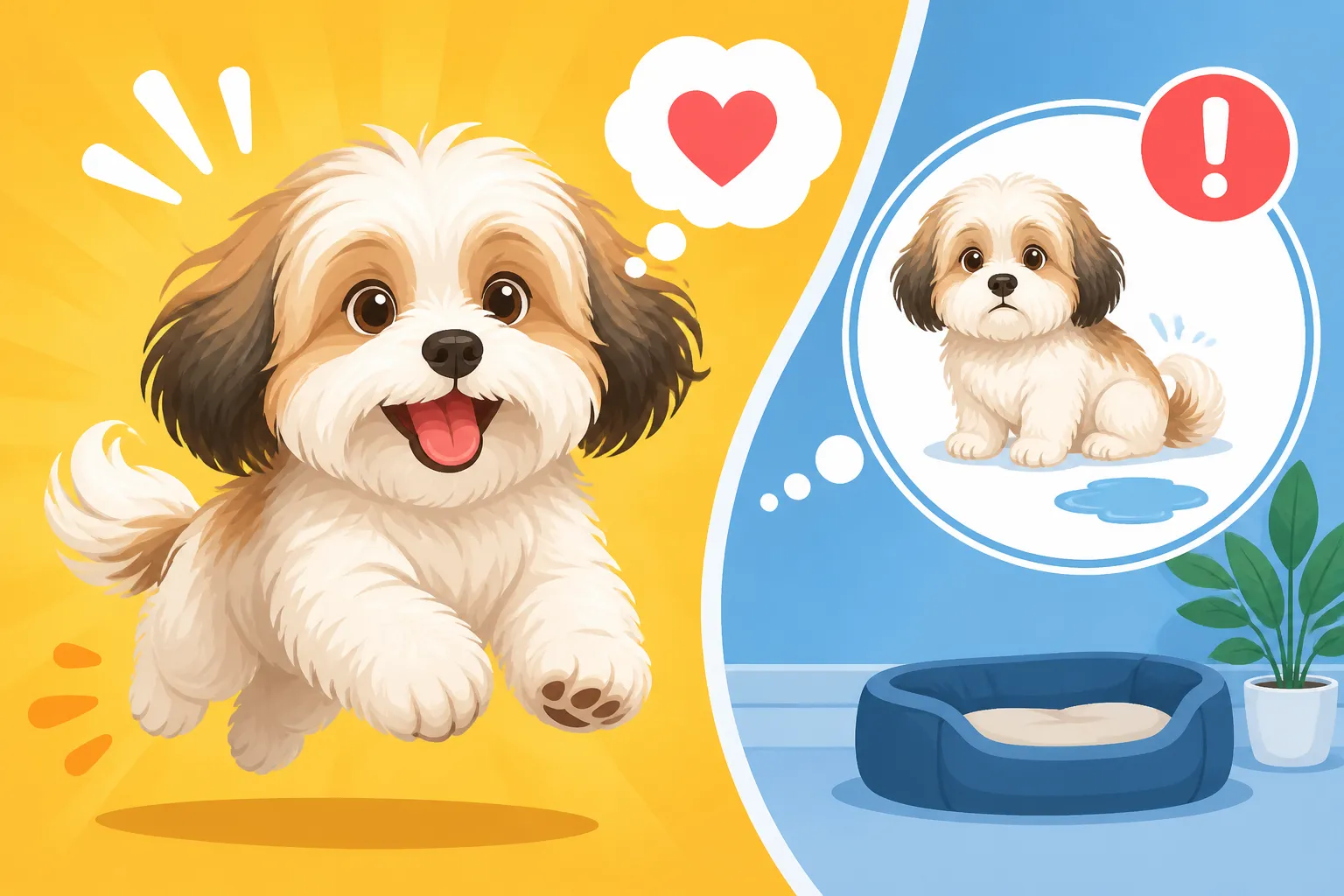
It can be incredibly disheartening and, let's be honest, a little embarrassing when your sweet Havanese, whom you adore, greets you at the door with a puddle of pee. You walk in, they’re wiggling with joy, tail wagging a mile a minute, and then suddenly, there it is – an "excitement pee." It's a common frustration for many Havanese parents, leaving you wondering if they'll ever truly be reliably housetrained. This comprehensive guide will compassionately explore why these accidents happen when your Havanese gets overwhelmed with emotion, and more importantly, equip you with practical, empathetic strategies to understand, manage, and significantly reduce these involuntary piddles.
Understanding the "Excitement Pee" Phenomenon in Havanese
When your Havanese has an excitement pee, it's easy to assume they're just being naughty or haven't quite grasped house training. However, it's rarely about deliberate disobedience. Instead, it's often a completely involuntary physiological response, especially prevalent in sensitive breeds like our Havanese. Understanding this distinction is the first step toward finding effective solutions.
The Physiological Reasons Behind Submissive and Excitement Urination
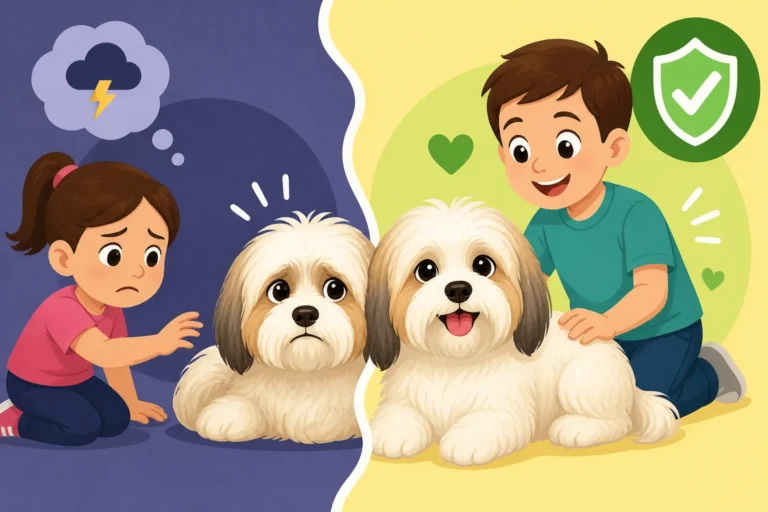
First, let's clear up a common misconception: excitement urination and submissive urination, while both involuntary, stem from slightly different emotional states. Submissive urination usually happens when a dog feels intimidated, fearful, or overly deferential, often characterized by a lowered body posture, averted gaze, and sometimes rolling onto their back. They might pee when a loud voice is used, or when someone looms over them. It's their way of saying, "I'm no threat!"
Excitement urination, on the other hand, comes from an overload of positive emotion. Imagine a child who gets so excited they literally jump for joy – a Havanese's bladder can simply lose control under intense emotional stimulation. Their small bladders, coupled with an immature nervous system (especially in puppies), mean they might not have the muscle control to "hold it" when their system is flooded with adrenaline and happy hormones. It's not a conscious decision; it's an automatic reflex. The muscles that control the bladder relax, and out comes the pee, often before they even realize what's happening. They're literally bursting with joy, and sometimes, that joy spills over in ways we'd rather it didn't!
When Excitement Urination Typically Occurs
Excitement urination tends to manifest in very specific, high-arousal scenarios. If you've got a Havanese, you've probably witnessed it during one of these classic moments. The most common trigger by far is greeting their beloved human after an absence, whether you've been gone five minutes or five hours. The sheer elation of your return can be too much for their tiny bladder to handle. This can also happen when new visitors come to the house, especially if those visitors are enthusiastic and shower the Havanese with immediate attention. The dog might be thrilled to meet someone new, but the rapid increase in stimulation leads to an accident.
Vigorous play is another common culprit. Think about a puppy wrestling with another dog or playing a super-exciting game of fetch. The physical exertion combined with the emotional thrill can lead to a sudden release. Anticipation of highly rewarding events, like getting a favorite treat, dinner time, or going for a walk, can also trigger it. Some Havanese might even have accidents in the car if they associate car rides with incredibly exciting destinations, like the dog park or grandma's house. It's important to remember that while puppies are far more prone to these types of accidents due to their developing bladder control, some Havanese can carry this tendency well into adulthood if not managed properly. The Age a Havanese Finally Calms Down can sometimes be when these issues start to resolve naturally.
Strategies for Managing and Preventing Excitement Urination
The good news is that with patience, consistency, and the right approach, you can significantly reduce or even eliminate excitement urination in your Havanese. It’s all about managing their arousal levels and teaching them alternative, more appropriate responses to excitement.
Creating a Calm Environment and Reducing Triggers
One of the most effective ways to prevent excitement pees is to proactively manage situations that typically trigger them. Think of it as defusing the excitement bomb before it goes off. When you come home, resist the urge to immediately engage in an overly enthusiastic greeting. Instead, try a "calm entry" protocol. Walk in, put your keys down, take off your coat, and ignore your Havanese for the first minute or two. Once they've settled a little and their excitement has peaked and started to subside, then you can offer a quiet, calm greeting. Crouch down to their level, speak in a soft voice, and offer gentle pets. This teaches them that your return isn't a cue for an uncontrolled explosion of joy, but a calm, happy reunion.
Similarly, when guests arrive, have them follow the same protocol. Ask them to ignore your Havanese until the dog has settled. You might even consider having your Havanese in a controlled space, like a crate or a designated "safe" zone, during the initial high-excitement period of guest arrivals. This gives them a chance to observe calmly before being introduced, reducing the sudden rush of stimulation. Using a baby gate, perhaps one you found easily on Amazon, to keep them in a separate room for the first few minutes can work wonders. The goal is to lower the overall intensity of these exciting moments. Remember, these are highly social dogs, but their emotions can easily overwhelm their physical control.
Behavioral Modification Techniques and Training
Alongside managing the environment, we can actively train our Havanese to respond to excitement in a more controlled manner. Positive reinforcement for calm behavior is key. For example, when greeting your Havanese, if they approach you calmly with all four paws on the floor, immediately reward that behavior with quiet praise and a small treat. Over time, they'll learn that calm equals rewards, while frantic excitement doesn't.
Desensitization can also be very helpful. If your Havanese pees every time someone new comes over, start with very controlled, low-intensity exposures. Have a friend come to the door but not enter. Work on getting your Havanese to stay calm with the door opening and closing. Gradually increase the intensity – friend steps inside briefly, then leaves, always rewarding calm. This systematic approach helps them build resilience to these triggers. Many owners find structured online courses, such as those offered by BAXTER & Bella, incredibly useful for implementing these types of behavioral modification plans, as they provide step-by-step guidance and support.
Another powerful technique is teaching a solid "go potty" cue. Before any anticipated exciting event – like you leaving for a few hours, guests arriving, or right before a vigorous play session – take your Havanese outside specifically to relieve themselves. Praise them lavishly when they do. This ensures their bladder is empty before the excitement hits, giving them less "fuel" for an accident. Consistency is paramount here. Even if you think they just went, offer them the chance again. The more opportunities they have to relieve themselves appropriately, the stronger that habit becomes. For Havanese puppies, especially, frequent potty breaks are crucial. You can learn more about managing this in The Weeks a Havanese Puppy Takes to Be Clean. If you're struggling with house training in general, you might find insights in Why a Havanese Is Slow to House Train.
Essential Tools and Practices to Support Your Havanese
Managing excitement urination isn't just about training; it's also about having the right tools and establishing a routine that sets your Havanese up for success. A little preparation can save a lot of clean-up.
Products for Management and Cleanup
Let's face it, accidents will happen, especially in the early stages of training. Having the right cleanup supplies is crucial not just for hygiene, but also for preventing future accidents. Enzymatic cleaners are your best friend here. Unlike regular household cleaners, enzymatic formulas break down the urine at a molecular level, eliminating the odor completely. If the scent of urine lingers, even faintly, your Havanese is more likely to return to that spot to relieve themselves again. Products from brands available on Amazon often receive high marks from pet owners for their effectiveness in tackling these tough odors.
Consider investing in waterproof covers for furniture, dog beds, or even an easily washable mat for the area where your Havanese typically greets you. This protects your home and makes cleanup much less stressful. For dogs prone to excitement peeing, some owners use puppy pads, especially when they know a high-arousal situation is coming up, like a party at home. While they can be a useful tool, be mindful that relying too heavily on them can sometimes confuse house training, making your dog think it's okay to go indoors. A thorough discussion on their pros and cons can be found in Indoor Pads Suit a Havanese. Ultimately, the goal is to prevent accidents, but when they do happen, a quick, thorough cleanup is paramount.
Here's a quick comparison of cleanup approaches:
| Cleanup Method | Pros | Cons |
|---|---|---|
| Enzymatic Cleaner | Eliminates odors completely, preventing re-marking. Safe for most surfaces. | Requires saturation and dwell time; may be more expensive than basic cleaners. |
| Waterproof Covers/Mats | Protects furniture, carpets, and bedding. Easy to wash. | May not be aesthetically pleasing; still requires washing after accidents. |
| Puppy Pads (Temporary) | Offers a designated "safe" spot for accidents during high-risk times. | Can prolong outdoor house training; some dogs chew them. |
| Immediate Blotting | Prevents urine from soaking deeply into surfaces. | Does not remove odor or stain fully; often insufficient alone. |
Routine and Consistency for Havanese Bladder Control
Havanese thrive on routine, and a consistent schedule is your most powerful tool in preventing all types of accidents, including excitement urination. This means regular potty breaks, especially after waking up, after meals, after playing, and right before bedtime. The more frequently you take your Havanese outside to potty, the less chance there is for their bladder to be full when an exciting event occurs. Young puppies will need to go out much more often than adults, sometimes every hour or two.
Sticking to a predictable schedule for feeding and walks also helps regulate their digestive and urinary systems. If they know roughly when their next opportunity to go outside will be, it can help them learn to hold it. Even small changes in your daily routine can sometimes throw off a sensitive Havanese.
It's also vital to rule out any underlying medical conditions. If your Havanese suddenly starts having excitement pees, or if the issue seems to be getting worse, a trip to the veterinarian is always a good idea. Sometimes, a urinary tract infection (UTI), bladder stones, or even a subtle anatomical issue can mimic or exacerbate excitement urination. Your vet can perform a thorough check-up to ensure there are no physical reasons contributing to the accidents. Early detection of issues like Whether a Havanese Gets Bladder Stones can be critical. This proactive approach ensures you're tackling the right problem.
Addressing Persistent Issues and Seeking Professional Help
While many cases of excitement urination can be managed with consistent training and environmental adjustments, there are times when the problem persists or seems deeply ingrained. In these situations, knowing when to seek professional help is vital for both your sanity and your Havanese's well-being.
When to Consult a Veterinarian
As mentioned earlier, a sudden onset or worsening of excitement urination warrants a veterinary visit. Your vet will perform a physical exam and likely recommend a urinalysis to check for urinary tract infections, crystals, or other bladder issues. Sometimes, seemingly behavioral problems have a straightforward medical cause, and it would be unfair to your Havanese to assume it's purely behavioral if there's an underlying health concern. For instance, issues like a weak bladder sphincter, or even certain neurological conditions, could present as increased urination. It's not uncommon for Havanese to be treated for various health concerns throughout their lives, so ruling out medical causes is always the responsible first step. You can often find information on what common ailments Havanese face in articles like What Havanese Are Most Often Treated For.
If your vet rules out medical causes, they might still offer advice on behavioral management or refer you to a veterinary behaviorist. These specialists are veterinarians with advanced training in animal behavior and can prescribe medication if anxiety or extreme arousal is a significant contributing factor to the excitement peeing. They can also differentiate between true excitement urination and other forms of incontinence or submissive urination, helping you tailor the most effective approach.
Working with a Professional Dog Trainer or Behaviorist
If you've tried all the environmental management and basic training techniques, and your Havanese is still frequently having excitement accidents, it might be time to bring in a professional dog trainer or a certified animal behaviorist. These experts can observe your Havanese's behavior in your home environment, identify specific triggers you might have missed, and develop a highly individualized training plan. They can help you refine your greeting protocols, teach your Havanese impulse control exercises, and provide guidance on desensitization techniques.
A good trainer will focus on positive reinforcement methods, ensuring that the training process is stress-free and enjoyable for your Havanese. They can also help you understand if there are any subtle signs of anxiety or fear mixed in with the excitement, which might require a different approach. For instance, if your Havanese also shows signs of Signs a Havanese Has Separation Anxiety, the excitement peeing might be part of a broader anxiety picture. A professional can provide invaluable, tailored guidance that can make all the difference when you've hit a wall with your own efforts. Don't hesitate to seek out a professional if you feel overwhelmed or stuck; you can explore this further in Whether a Havanese Needs a Professional Trainer. It's not a sign of failure, but a commitment to your dog's long-term happiness and your peace of mind.
Disclaimer
This article is for general informational purposes only and does not constitute professional advice. Laws, prices and regulations vary by location and change over time. Consult a qualified professional for guidance on your specific situation.