The Age a Havanese Finally Calms Down
It’s a common scenario for Havanese owners, isn't it? You adore your fluffy, playful companion, but sometimes you wonder if they’ll ever settle down. You watch them tear through the house, invent new games, or bounce off the walls, and you might quietly ask yourself, "When, oh when, will my little bundle of joy transform into a serene, sophisticated lap dog?" This guide is here to shed some light on the Havanese energy timeline and offer realistic expectations for when your beloved Havanese might finally hit their stride of calm maturity.
Understanding the Havanese Energy Timeline
The journey from a boisterous Havanese puppy to a truly calm adult isn't a straight line, and it certainly doesn't happen overnight. It's more like a series of phases, each with its own unique challenges and endearing quirks. Understanding these stages can help you manage your expectations and provide the right support for your furry friend as they grow. It's a process of development, much like raising a child, where you see bursts of energy followed by periods of growth and then, eventually, a more settled demeanor.
The Energetic Puppy Phase (0-6 months)
Oh, the Havanese puppy phase! It's a whirlwind of tiny teeth, boundless curiosity, and seemingly endless zoomies. These little ones are like sponges, soaking up everything in their environment, and their energy levels reflect this intense learning and exploration. They're still developing their physical coordination and learning about the world, which often manifests as short, intense bursts of activity followed by sudden, deep naps. You might feel like you're constantly chasing after them, preventing them from chewing something they shouldn't, or marveling at their ability to find mischief in every corner.
During these first few months, a Havanese puppy's energy is largely undirected. They're not being "bad"; they simply haven't learned impulse control or what the household rules are yet. They rely heavily on play to understand their surroundings, interact with you, and burn off steam. This is the time when they need consistent, gentle guidance and plenty of appropriate outlets for their youthful vigor. Think of it as their primary school years – full of discovery, short attention spans, and a desperate need for consistent routine. It's also when you'll be focusing heavily on foundational behaviors like The First Year With a Havanese Puppy.
The Adolescent Rollercoaster (6-18 months)
Ah, adolescence – the teenage years for a Havanese! Just when you thought you had a handle on things, your sweet, somewhat predictable puppy might suddenly turn into a rebellious, "selective listener." This phase, typically from around 6 months up to 18 months or even two years, is often characterized by a surge in confidence, a testing of boundaries, and a re-emergence of puppy-like energy, sometimes even more intense than before. They might "forget" things they once knew, become more vocal, or develop a sudden urge to chew everything in sight.
This can be a frustrating period for many owners because the dog looks like an adult but still acts like a rambunctious youngster. Hormonal changes play a significant role here, as does their increasing physical capability and mental development. They're exploring their independence and trying to figure out where they stand in the household hierarchy. This is a critical time for continued training, consistency, and patience. Don't assume they're being deliberately difficult; they're simply navigating a complex developmental stage. Reinforcing good habits and providing ample mental and physical engagement will be your best tools.
Reaching True Maturity and Calmness (18 months and beyond)
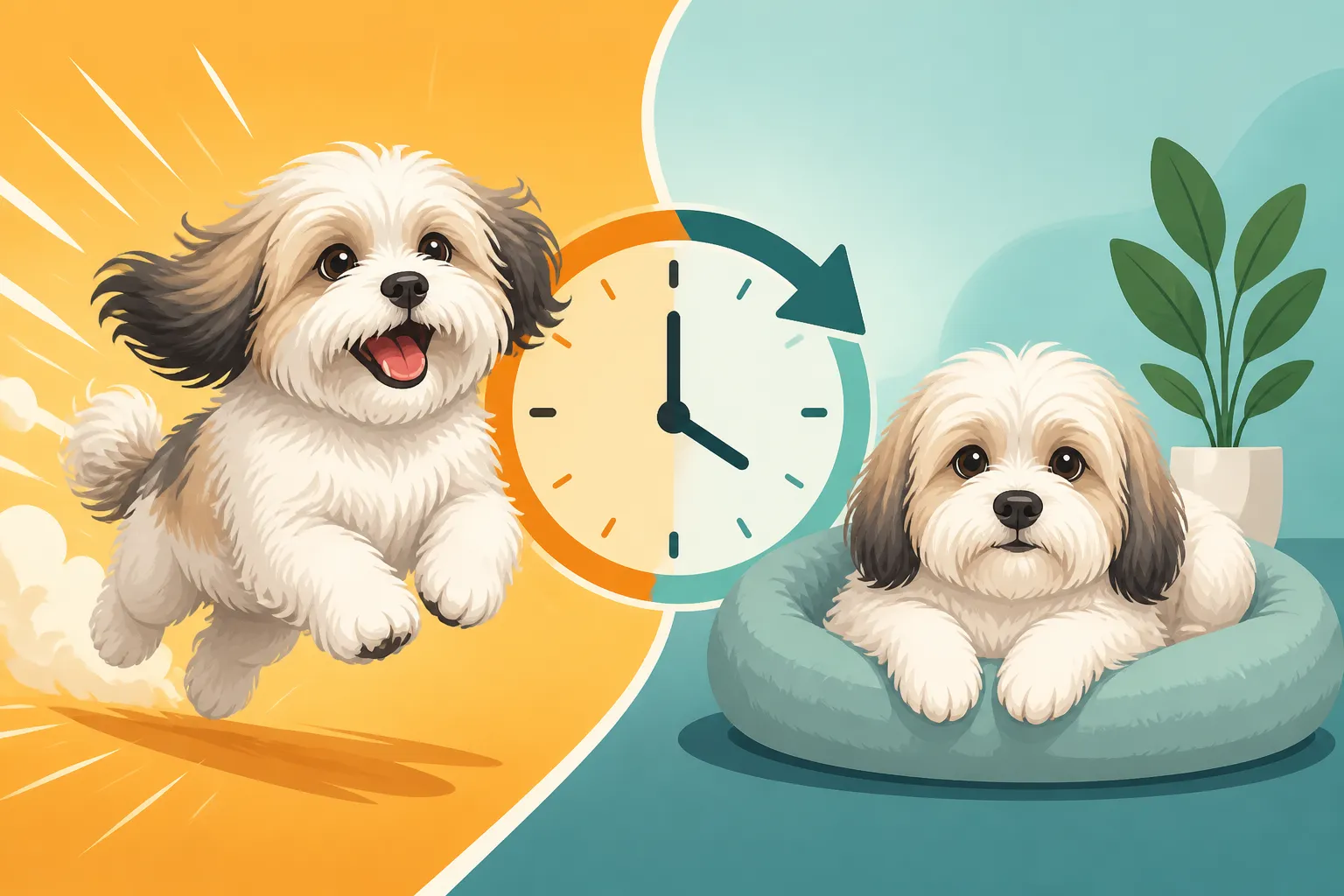
Generally speaking, you can expect your Havanese to begin truly "calming down" and settling into their adult personality somewhere between 18 months and 2 years of age. Some may mature a little earlier, others a bit later, especially larger males or those with particularly high drive. This doesn't mean they'll suddenly become completely sedentary or lose their playful spirit – far from it! A mature Havanese retains its charm, playfulness, and intelligence, but their energy tends to become more directed, manageable, and less frenetic.
You'll notice that they can relax more readily in the house, are less prone to spontaneous zoomies, and are generally more capable of self-settling. They’ve learned the routines, understand the expectations, and have developed better impulse control. Their bursts of energy will still occur, especially during playtime or when greeting you, but they'll be interspersed with longer periods of quiet companionship and cuddles. This is when all that consistent training and socialization from their younger days really pays off, allowing their inherent sweet and adaptable nature to shine through.
Factors That Influence a Havanese's Energy Levels
While there's a general timeline for when a Havanese might calm down, it's not a one-size-fits-all answer. Several factors play a significant role in shaping an individual Havanese's energy levels and how quickly they settle into adulthood. Understanding these influences can help you better tailor your approach to raising your specific dog and set realistic expectations for their behavior.
The Role of Genetics and Breeding
Just like people, dogs inherit certain traits from their parents, and energy level is definitely one of them. Some Havanese lines are simply bred to be more active, agile, and higher-drive, especially those from working or performance backgrounds (think agility or obedience champions). These dogs might retain a higher energy level for longer, or even throughout their entire lives, compared to those bred more specifically for companionship and a calmer household presence.
When you're looking for a Havanese puppy, asking the breeder about the temperament and energy levels of the parents is incredibly insightful. A responsible breeder will be able to tell you not just about the health clearances, but also about the typical personalities of their line. If both parents are perpetually bouncing off the walls, it's a good bet their offspring will inherit some of that zest for life! Conversely, if the parents are known for their laid-back, affectionate nature, your puppy is more likely to follow suit, provided they also receive proper upbringing. This genetic predisposition sets a baseline that you'll work with throughout your dog's life.
The Impact of Training and Socialization
Training and socialization are paramount in shaping a Havanese's behavior, including their perceived "calmness." A well-trained Havanese, even an energetic one, knows appropriate outlets for their energy and understands boundaries. Early and consistent training teaches them impulse control, how to settle on command, and what's expected of them in various situations. Without this foundation, even a genetically calm Havanese might appear chaotic simply because they lack structure and understanding.
Socialization, too, plays a huge role. A Havanese that has been exposed to a variety of sights, sounds, people, and other dogs in a positive way is generally more confident and less prone to anxiety or reactive behaviors, which can often manifest as excess energy or excitability. Enrolling in puppy classes, like those offered through programs such as BAXTER & Bella, can be incredibly beneficial. These structured environments help your Havanese learn good manners, build confidence, and understand how to navigate the world calmly. A well-socialized dog is often a more relaxed dog because they aren't constantly on high alert or overwhelmed by new experiences.
Daily Routine and Enrichment
A consistent daily routine provides security and predictability for your Havanese, which can contribute significantly to their calmness. Dogs thrive on routine; they know when to expect meals, walks, playtime, and quiet time. This predictability reduces anxiety and helps them regulate their energy. An erratic schedule can leave a Havanese feeling unsettled and may contribute to heightened energy levels as they try to anticipate what's next.
Beyond routine, sufficient mental and physical enrichment is crucial. A bored Havanese is often a destructive or over-energetic Havanese. These intelligent little dogs, often called "circus dogs" due to their quick wit and trainability, need more than just physical exercise. They need their brains stimulated! Puzzle toys, training sessions, scent games, and even just novel walks in new environments can provide the mental workout they need to feel satisfied and, consequently, more relaxed. Think about it: a child who's had a full day of school and engaging activities is more likely to wind down peacefully than one who's been cooped up with nothing to do. The same applies to your Havanese.
Practical Strategies for Encouraging Calmness
You might be thinking, "Okay, so my Havanese is still a whirling dervish. What can I do about it?" The good news is there are plenty of practical, positive strategies you can employ to help guide your Havanese toward a more settled, calm demeanor. It's a combination of meeting their needs, providing structure, and reinforcing the behaviors you want to see.
Structured Exercise and Mental Stimulation
While Havanese are small, they are not couch potatoes. They might be a toy breed, but they are surprisingly sturdy and do need regular physical activity to burn off steam. Don't underestimate How Much Exercise a Havanese Needs. Daily walks, supervised playtime in a secure yard, or even indoor games of fetch can make a big difference. The key word here is structured. A free-for-all in the living room might feel like exercise, but a brisk walk where they learn to heel or a game that involves waiting and retrieving offers more mental engagement.
Beyond physical exertion, mental stimulation is absolutely vital for these bright dogs. Remember, they're often dubbed "the circus dog" for a reason – their brains are wired for learning and problem-solving. Incorporate short, fun training sessions throughout the day, teaching them new tricks, practicing obedience commands, or engaging them with interactive puzzle toys. Brands like Amazon offer a vast selection of puzzle toys that can keep your Havanese engrossed and mentally tired. Even ten minutes of focused mental work can be as tiring as a much longer physical walk for a Havanese. A dog whose brain has been engaged is much more likely to settle down afterward. Consider how The Circus Dog Brain Inside a Havanese thrives on such activities.
Consistency in Training and Boundaries
Consistency is the bedrock of successful training and behavior modification. If you want a calm Havanese, you need to consistently reward calm behavior and manage overly excited behavior. This means everyone in the household needs to be on the same page with rules, commands, and expectations. If one person allows jumping and another corrects it, your Havanese will be confused and more likely to escalate their energy to get attention.
Establish clear boundaries early on. Teach your Havanese a "place" command or to go to their bed when visitors arrive or when you need quiet time. Reward them generously for lying calmly. Crate training can also be an invaluable tool for teaching a Havanese to settle and providing them with a safe, quiet den. A well-implemented crate routine, as discussed in Whether Crate Training Suits a Havanese, can truly foster self-settling skills. Remember that positive reinforcement works best; calmly redirecting unwanted behaviors and rewarding desired ones will yield much better long-term results than harsh corrections. Don't forget that even though they are small, Whether a Havanese Is Ever Stubborn when boundaries are inconsistent.
Creating a Relaxing Environment
The environment you provide for your Havanese plays a significant role in their ability to relax. A calm household, free from constant chaos and excessive noise, can help them learn to settle. Provide them with a comfortable, designated "safe space" where they can retreat, such as a soft bed in a quiet corner or their crate covered with a blanket. This isn't just about physical comfort; it's about giving them a secure place where they know they won't be bothered.
Consider the general energy level of your home. If your home is always bustling with loud activities, excited children, or frequent comings and goings, your Havanese might mirror that energy. While they are adaptable, a constantly high-energy environment can make it difficult for any dog to truly relax. Ensuring they have periods of quiet downtime is crucial. Playing soft music, using calming pheromone diffusers, or simply ensuring your Havanese has adequate rest time can all contribute to a more relaxed demeanor. Sometimes, the simplest changes in routine can create the biggest impact on your Havanese's overall state of mind and ability to unwind.
Recognizing True Calmness in Your Havanese
It's easy to misunderstand what "calm" truly means for a Havanese, especially if you're comparing them to breeds with naturally lower energy. It's important to adjust your expectations and appreciate the unique blend of vivacity and tranquility that makes this breed so special.
What "Calm" Actually Looks Like for a Havanese
When a Havanese "calms down," it rarely means they become a perpetually still, silent statue. Instead, true calmness in a Havanese manifests as a dog who can choose to be quiet and settled, rather than being constantly driven by restless energy. This means they are capable of:
- Self-settling: They can lie down and relax on their own without constant prompting, even if there's some activity around them.
- Controlling impulses: They don't immediately jump up, bark excessively, or demand attention every time something happens. They might observe, then decide whether to engage.
- Adjusting to routine: They understand the rhythm of your household – active times for play and walks, and quiet times for relaxing.
- Being content with quiet company: They are happy to just curl up near you, perhaps enjoying a gentle pat, rather than constantly seeking active engagement.
- Focused play: When they do play, it's often more focused and less frantic than a puppy's play. They might engage in a game of fetch or a tug-of-war, but they can transition back to a relaxed state relatively easily.
A calm Havanese will still have bursts of playful energy and will undoubtedly greet you with enthusiasm, but these will be punctuated by longer periods of serene companionship. They still possess that wonderful The Fourteen to Sixteen Years a Havanese Lives of vibrant spirit, but it's channeled in a more mature way.
Adjusting Expectations for a Toy Breed
It’s crucial to remember that the Havanese is a lively, intelligent, and highly social toy breed. They were historically bred to be companions, often entertaining noble families with their antics, as implied by Whether the Havanese Really Performed in Circuses. This means they inherently possess a certain level of effervescence and a desire to be involved. They are not typically a breed that will lie silently at your feet for hours on end without any interaction. Expecting them to be completely devoid of energy is unrealistic and can lead to frustration for both you and your dog.
Their playfulness, intelligence, and affectionate nature are core parts of their charm. A Havanese that can settle calmly but also light up with joy when it's time for a game, a walk, or a cuddle is a truly wonderful companion. Embrace their playful spirit while guiding them toward appropriate ways to express it. They are fantastic companions for those who understand their need for engagement and connection, as What a Havanese Needs Every Day includes consistent interaction.
When to Consult a Professional
If your Havanese seems perpetually agitated, unable to settle even after exercise and mental stimulation, or exhibits excessive destructive behavior despite consistent training and a proper routine, it might be time to consult a professional. Sometimes, what appears to be "too much energy" can actually be a sign of underlying anxiety, boredom, or even a health issue.
A certified professional dog trainer or a veterinary behaviorist can help you assess the situation, identify any contributing factors, and develop a tailored plan. They can observe your dog's behavior, evaluate your training methods, and rule out any medical causes for restlessness. Don't hesitate to seek help if you're struggling; it's a sign of a responsible owner wanting the best for their Havanese. They can provide valuable insights into why Whether a Havanese Gets Bored of Drilling or if their energy is indicative of something more.
Here's a quick overview of the Havanese energy journey:
| Age Range | Typical Energy Level | Key Characteristics | Owner's Role |
|---|---|---|---|
| 0-6 Months | Very High: Short bursts of intense play, then crash. | Curious, mouthy, learning basic rules, short attention span. | Foundational training, supervised play, consistent routines, early socialization (e.g., puppy classes with BAXTER & Bella). |
| 6-18 Months | High/Variable: "Teenage" energy, testing boundaries. | Confident, can "forget" training, seeks independence, increased physical capabilities. | Continued training, firm and consistent boundaries, ample physical exercise, mental challenges (e.g., puzzle toys from Amazon). |
| 18 Months-2 Years | Moderate-High: Beginning to settle, more directed. | Better impulse control, longer attention span, more responsive to commands, retains playfulness. | Reinforce calm behaviors, maintain routine and enrichment, enjoy their growing maturity and companionship. |
| 2+ Years | Moderate: Settled, playful but capable of relaxing. | Mature, self-settling, affectionate, playful on cue, happy to be close companions. | Continue mental and physical engagement, enjoy their balanced temperament, monitor for age-related changes. |
This article is for general informational purposes only and does not constitute professional advice. Laws, prices and regulations vary by location and change over time. Consult a qualified professional for guidance on your specific situation.