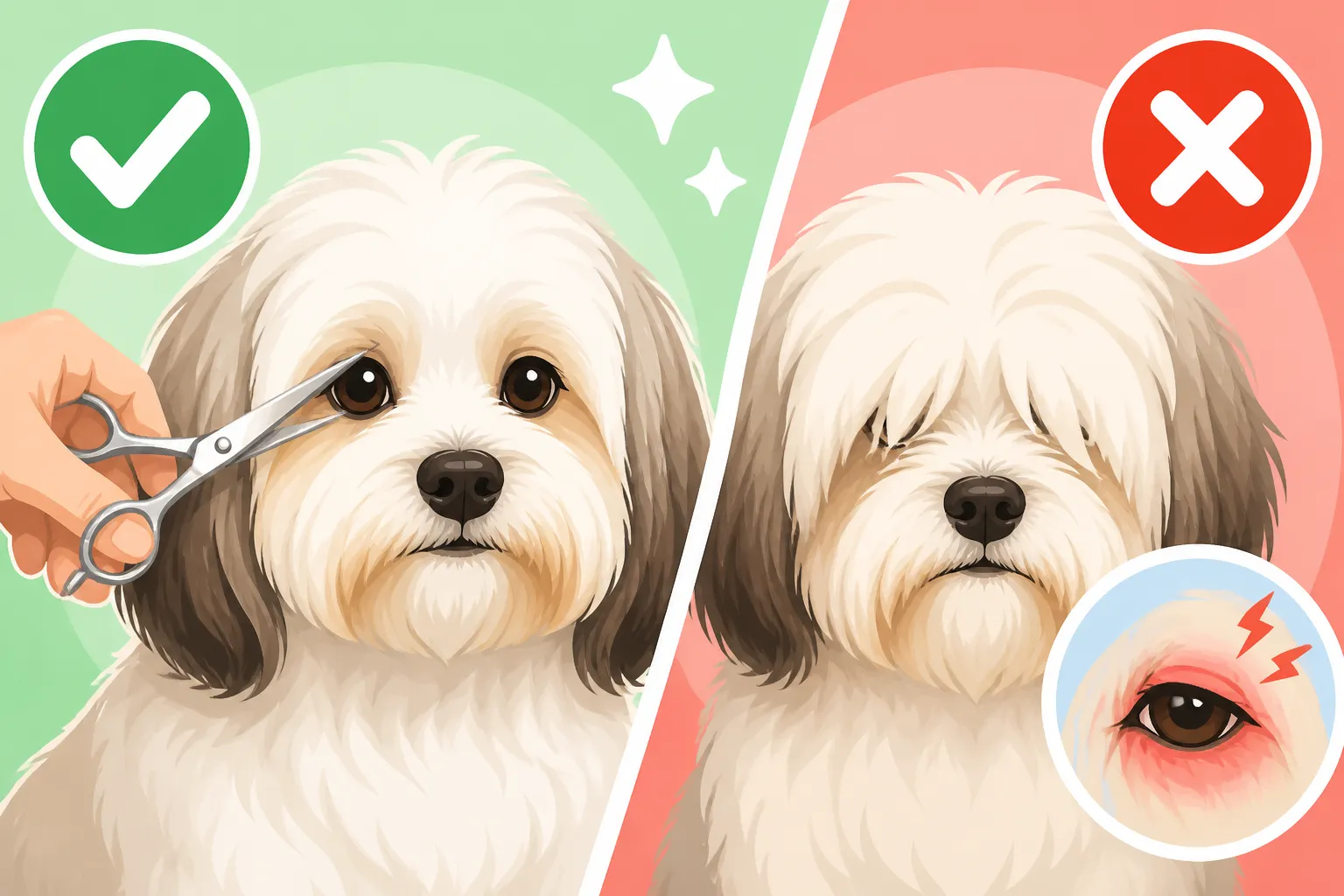
Whether a Havanese Lets You Trim Around Its Eyes
Oh, the Havanese and their adorable, expressive eyes! They truly are one of their most charming features, aren't they? But all that gorgeous hair around those eyes can quickly become a real headache, literally for them, and for us, a source of major grooming frustration. Trying to trim that delicate area without causing stress or, heaven forbid, an injury, is a challenge many Havanese owners face, leaving us wondering if it’s even possible to do it safely at home. This guide is here to walk you through exactly how to approach eye area trimming with confidence and kindness, ensuring your Havanese stays comfortable and their vision remains clear.
Understanding the Challenge of Havanese Eye Trimming
Let's be honest, getting a Havanese to sit still for any kind of grooming can feel like trying to herd cats sometimes, especially when it comes to their face. It’s a delicate dance, full of wiggles, head turns, and the occasional nibble on the scissors if you’re not careful. But understanding why this particular area is such a challenge is the first step toward making it a more peaceful experience for everyone involved.
The Havanese Coat Around the Eyes
The Havanese boasts a magnificent double coat that's renowned for its soft, silky texture. While beautiful, this coat grows continuously, often reaching floor-length if left untrimmed. Around their eyes, this means fine, wispy hairs that grow right into their field of vision, irritating their eyes and collecting debris. This isn't just an aesthetic issue; it's a genuine comfort and health concern. These hairs can harbor dirt, dust, and even contribute to tear staining, creating a breeding ground for bacteria if not kept meticulously clean and trimmed.
Imagine having a constant fringe of hair tickling your eyeballs – not pleasant, right? That's what our Havanese companions experience. On top of that, these fine hairs are also prone to matting. A tiny knot near the eye can quickly tighten, pulling on delicate skin and causing pain, especially during brushing or bathing. It's a tricky situation where regular maintenance is absolutely key to their well-being, even if it feels like a monumental task sometimes. For more on the general grooming needs, you might find The Silky Double Coat a Havanese Grows to the Floor helpful.
Why Some Havanese Resist Face Trims
Many Havanese are naturally a bit sensitive, and the face is, understandably, a very vulnerable area for them. Think about it: a strange, sharp object (the scissors) is coming dangerously close to their eyes, an area they instinctively protect. Past negative experiences, even seemingly minor ones, can solidify their resistance. Maybe a previous attempt was a bit clumsy, they felt uncomfortable, or perhaps they were just in a bad mood that day. Whatever the reason, dogs remember these things.
Their natural curiosity, combined with a touch of anxiety, can also play a role. They might try to sniff the scissors, bat at them with a paw, or suddenly jerk their head away just as you're about to make a snip. This isn't them being "bad"; it's a natural reaction to something they perceive as potentially threatening or just plain annoying. Their instinct is to move away from danger, and sometimes, our well-intentioned grooming tools feel like danger to them. Validating this natural instinct is important for approaching the task with empathy and patience.
The Importance of Early Desensitization
This is where proactive training comes in, and it's truly a game-changer. Starting early, ideally during puppyhood, to gently introduce your Havanese to having their face and eyes handled is paramount. This isn't just about holding them still; it's about creating positive associations with the process. You want them to think, "Oh, this is just another nice thing my human does for me, and maybe I'll get a yummy treat!"
Desensitization involves gradually exposing them to the tools and sensations of grooming in short, positive sessions. It's about building trust, teaching them to tolerate the sights, sounds, and feelings of grooming without fear. If you wait until the hair is painfully long and matted, you're already starting from a deficit. A fearful or resistant dog makes the job infinitely harder and riskier. This early training also builds a foundation for other grooming needs, like brushing their full coat or getting their nails trimmed. Resources like BAXTER & Bella’s online puppy training program can provide excellent structured guidance on how to introduce these experiences positively from a young age, turning potential struggles into cooperative routines. They offer step-by-step videos and support that can be invaluable for making grooming a less stressful event. Many owners wonder Teaching a Havanese to Lie Still for Grooming, and this foundational work starts with early desensitization.
Preparing for a Successful Eye Trim Session
Alright, you've understood the "why," now let's get into the "how" of setting yourself up for success. Preparation is more than half the battle when it comes to delicate grooming tasks, especially around those precious Havanese eyes. Rushing into it without the right tools or a calm environment is a recipe for disaster.
Essential Tools for Safe Eye Trimming
Having the right equipment isn't just about efficiency; it's about safety for both you and your Havanese. You absolutely need sharp, small, blunt-tipped scissors. "Blunt-tipped" is key here – those rounded ends dramatically reduce the risk of accidentally poking an eye if your Havanese makes a sudden move. Don't even think about using regular household scissors or dull grooming shears; they pull and tear at the hair, which is painful and creates more resistance. Many excellent blunt-tipped grooming scissors are readily available on Amazon.
In addition to scissors, you'll want a fine-toothed metal comb, sometimes called a "face comb" or "flea comb." This is crucial for isolating the hair you need to cut and for brushing away loose hairs afterward. A non-slip mat for your grooming surface (whether it's a dedicated grooming table or just a counter), plenty of high-value treats, and a distraction toy can also be incredibly helpful. And, for wiping away tear stains before and after, a soft cloth or dedicated eye wipes are a must. Remember, What a Home Grooming Kit Costs a Havanese Owner often includes these essentials.
Here's a quick checklist of what you'll need:
| Tool | Purpose | Why it's Essential |
|---|---|---|
| Blunt-tipped Scissors | Trimming hair around eyes and muzzle | Prevents accidental pokes and injury to sensitive areas. |
| Fine-toothed Metal Comb | Separating hair, checking for mats, removing debris | Allows precise trimming and ensures no hair is accidentally snipped. |
| High-Value Treats | Rewarding calm behavior, building positive association | Motivates cooperation and makes the experience enjoyable for your Havanese. |
| Non-slip Mat/Surface | Provides stability and comfort for your dog | Prevents slips and falls, making your dog feel secure. |
| Soft Cloth/Eye Wipes | Cleaning tear stains and debris around the eyes | Maintains hygiene and helps clarify the area you're about to trim. |
| Headlamp (optional) | Provides direct, bright light for better visibility | Helps you see those tiny, wispy hairs clearly, especially on darker coats. |
Creating a Calm Environment
Your Havanese picks up on your emotions, so if you're stressed, they'll be stressed. Choose a time when you're feeling relaxed and unhurried. Find a quiet spot in your home with good lighting, free from distractions like other pets, children, or loud noises. Some owners even put on soft, calming music. The idea is to create a spa-like atmosphere, not a wrestling match.
Ensure the surface you're working on is stable and at a comfortable height for you, so you're not bending awkwardly. A wobbly surface will make your Havanese anxious. Lay down that non-slip mat so they feel secure under their paws. Before you even bring out the tools, spend a few minutes gently petting and praising your Havanese, helping them settle into a relaxed state. This pre-grooming ritual signals that something positive is about to happen, rather than something scary.
Building Trust and Positive Associations
This goes hand-in-hand with early desensitization but applies to adult Havanese too. If your Havanese is already wary of grooming, you'll need to work on rebuilding trust. Start with "dry runs." Just bring out the scissors, let your Havanese sniff them (without opening them), and immediately give a treat. Repeat this several times a day for a few days. Then, progress to touching their face briefly with the back of the closed scissors, followed by a treat.
The goal is to break down the scary act of "trimming" into tiny, non-threatening steps, each paired with a positive reward. You can even practice holding their head gently for a few seconds, then releasing and treating. Keep sessions short – just a minute or two – to avoid overwhelming them. The moment they show any tolerance, celebrate it! This positive reinforcement, whether it's lavish praise, a favorite toy, or those irresistible treats, teaches them that cooperating leads to good things. For deeper insights into managing general grooming resistance, you might find Whether a Havanese Fights a Brush to be a helpful read.
Step-by-Step Guide to Trimming Around Your Havanese's Eyes
Now that you're prepared, it's time to tackle the actual trimming. Remember, patience is your most valuable tool here. Take it slow, celebrate small victories, and prioritize your Havanese's comfort and safety above all else.
Gentle Handling and Positioning
The way you hold your Havanese can make all the difference. Never force them into a position they're fighting against. Instead, aim for a calm, comfortable restraint. For many Havanese, having them sit or stand on a non-slip surface at a comfortable height (like a grooming table or a sturdy counter) works well. You might find it easiest to work with them positioned between your legs if you're sitting on the floor, or with a helper gently holding them.
Use one hand to gently but firmly cup their muzzle or the top of their head, keeping their head still. Your thumb can lightly hold their eyelid open, gently pulling the skin taut away from the eye itself. This not only helps you see better but also protects the eye from accidental snips. Speak in a calm, reassuring voice throughout the process, praising them for every moment of stillness. If they become too agitated, stop, comfort them, and try again later or another day. Pushing too hard will only reinforce their aversion.
The Actual Trimming Technique
This is the moment of truth, but it doesn't have to be nerve-wracking. The key is to cut only small amounts of hair at a time, using the blunt-tipped scissors. Think of it as sculpting, not chopping.
- Comb the hair down: First, use your fine-toothed comb to gently comb the hair around the eyes downwards and outwards. This helps you identify the hair that is actually obstructing their vision or growing too close to the eye.
- Isolate and snip: With one hand, gently hold the muzzle and pull the skin taut around the eye, making sure the eyelid is protected. With the other hand, use your blunt-tipped scissors.
- Cut away from the eye: Always point the scissors away from your Havanese's eye. Imagine drawing an invisible line from the corner of the eye outwards. You are trimming the hair that extends beyond this line.
- Small snips only: Take tiny snips, literally one or two hairs at a time if you need to. Avoid making large, sweeping cuts. You're aiming to clear the area so they can see, not give them a radical new haircut. Focus on the hair directly over the eyes and along the bridge of the nose, which often grows upward and inward.
- Be mindful of whiskers: There are delicate whiskers around their muzzle and eyes. While they aren't painful to cut, they serve a sensory purpose. Try to avoid them if possible, focusing strictly on the hair that's obstructing vision.
- Check their vision: Periodically, step back and observe. Does the hair still fall into their eyes? Is it cleared enough? It's better to do several small sessions than one long, stressful one.
If you struggle with the hair over the eyes, sometimes growing a small topknot can help keep it out of the way between trims. You might be interested in Whether a Havanese Needs a Topknot for more ideas on managing that head hair. And always remember the advice in Whether Hair Should Be Kept Out of a Havanese's Eyes – it's crucial for their comfort and health.
Post-Trim Care and Reward
You did it! Even if it was just a few snips, acknowledge the effort. Immediately after each small trimming session (or even after a single snip if that's all your Havanese tolerates), offer praise, a treat, or a favorite toy. This reinforces the positive association.
Use your fine-toothed comb again to gently brush away any loose hairs that might have fallen onto their face or into their eyes. Then, take a soft, damp cloth or an eye wipe to clean around the eye area, removing any lingering debris or tear staining. This also feels good and helps soothe any irritation. Remember, Whether a Havanese's Eye Corners Need Daily Wiping is a good habit to prevent buildup.
Keep an eye on their eyes for the next day or so, just to ensure no irritation developed from a stray hair or sensitive skin. If you notice any redness or excessive rubbing, contact your vet. But generally, a well-executed trim should leave them feeling much more comfortable and able to see the world around them without a hairy curtain.
Troubleshooting Common Issues and Maintaining Eye Hygiene
Even with the best intentions and preparation, you might encounter bumps along the road. Don't get discouraged! Many of us Havanese owners have been there. It's all part of the learning curve with these wonderfully willful little dogs.
Dealing with a Fearful or Squirmy Havanese
If your Havanese is truly fearful or overly squirmy, stop trying to get the whole job done at once. Break it down further. Maybe one session is just about letting them sniff the closed scissors and getting a treat. The next is about touching their head for a second, then another treat. Build up slowly. This might take days, or even weeks, but it's an investment in their comfort and your future sanity.
Consider distraction techniques. Some Havanese will tolerate grooming better if they have a lick mat smeared with peanut butter (xylitol-free, of course!) or a favorite chew toy. This occupies their mouth and mind, diverting attention from the scissors. For more stubborn cases, sometimes an extra pair of hands can be invaluable. A trusted family member can gently hold and reassure your Havanese while you focus on the trimming.
If fear or anxiety around grooming is a consistent problem, a professional trainer specializing in positive reinforcement or behavior modification might be a great resource. They can offer tailored strategies and help you implement them effectively. Similarly, BAXTER & Bella's online program often covers specific modules for cooperative care and desensitization to grooming tools, which can be an excellent supplement if you're facing resistance. Their structured approach helps you gradually introduce new experiences in a way that minimizes stress for your pup.
Preventing Tear Staining and Matting
Keeping the hair around the eyes short is a crucial step in preventing tear staining and matting, but it's not the only one. Havanese are prone to tear stains because their long facial hair acts like a wick, drawing tears down the face and providing a moist environment for yeast and bacteria to grow, leading to the reddish-brown discoloration we often see.
Regular cleaning is vital. Daily wiping with a soft, damp cloth, a specialized dog eye wipe, or even a cotton ball moistened with plain warm water can make a huge difference. Be sure to dry the area thoroughly afterward, as moisture contributes to staining. Some owners find that filtered water in their Havanese's bowl can also help reduce mineral buildup that contributes to stains. Cleaning the Tear Marks Under a Havanese's Eyes delves deeper into managing this common Havanese issue.
To prevent mats, regular, thorough brushing of the entire coat is non-negotiable, especially around the face, behind the ears, and in the armpits. These are "friction areas" where mats form quickly. Use your fine-toothed comb to gently untangle any tiny knots you find before they become serious problems. And, of course, keeping the hair trimmed short around the eyes means there's less hair available to mat in the first place! For a comprehensive approach to coat care, don't forget to check out How Often a Havanese Must Be Brushed.
Knowing When to Seek Professional Help
There's absolutely no shame in admitting you need help with grooming, especially for a delicate task like eye trimming. If you've tried all the tips, created a calm environment, and your Havanese is still severely resisting, becoming aggressive, or you simply don't feel confident doing it yourself, please reach out to a professional groomer.
Experienced groomers have specialized tools, techniques, and often a calming touch that can make a huge difference. They can get the job done quickly and safely, minimizing stress for your dog. They can also offer valuable advice and even demonstrate how to do small maintenance trims between full grooming appointments. Sometimes, seeing a pro work their magic can empower you to tackle smaller tasks more confidently. What a Full Havanese Groom Costs might give you an idea of the investment, but the peace of mind and your Havanese's comfort are truly priceless. Never put your dog at risk or yourself in a frustrating situation if professional help is available and a better solution for both of you.
Disclaimer
This article is for general informational purposes only and does not constitute professional advice. Laws, prices and regulations vary by location and change over time. Consult a qualified professional for guidance on your specific situation.