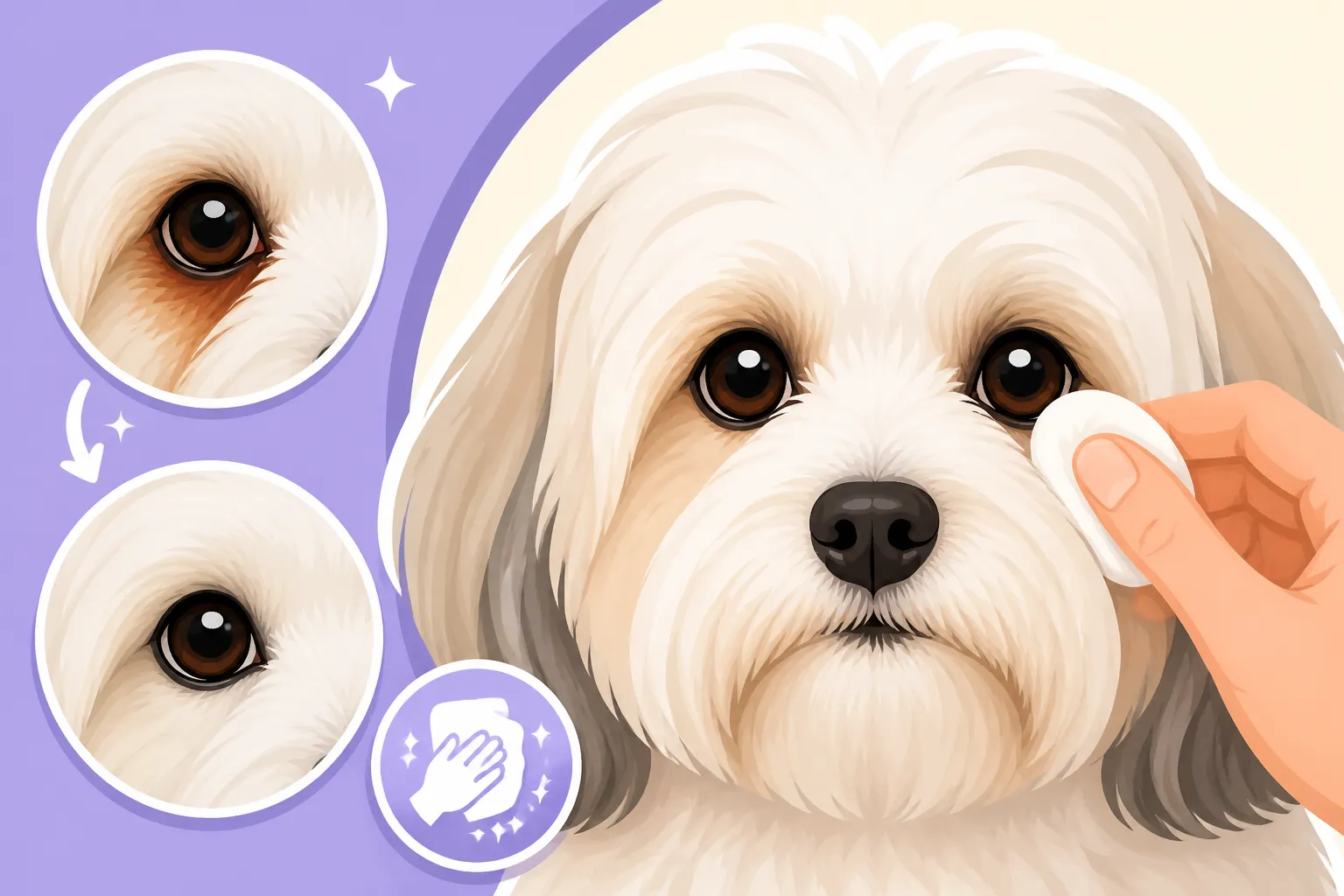
Cleaning the Tear Marks Under a Havanese’s Eyes
If you're a Havanese owner, you're likely familiar with those frustrating reddish-brown streaks that appear under your beloved pup's eyes. It's a common complaint, leaving many of us feeling like we're constantly battling a losing war against unsightly discoloration, and it can be especially disheartening when you're trying to maintain that beautiful Havanese coat. This comprehensive guide will walk you through everything you need to know about understanding, preventing, and effectively cleaning tear marks on your Havanese, helping you achieve a cleaner, brighter-eyed companion.
Understanding Havanese Tear Stains: More Than Just a Cosmetic Issue
Tear staining isn't just about aesthetics; it can often be a window into your Havanese's overall health and comfort. While some degree of moisture around the eyes is normal, persistent, heavy staining often points to underlying factors that need attention. Ignoring it can lead to skin irritation, yeast infections, and even more discomfort for your sweet companion.
Why Some Havanese Get Tear Stains in the First Place
Havanese, like many long-coated breeds, are particularly prone to tear staining. Their expressive eyes are often adorned with long hair that can act like a wick, drawing tears down the face. The primary culprit behind the red-brown discoloration is often a substance called porphyrin, an iron-containing molecule that is excreted in tears, saliva, and urine. When exposed to light, porphyrins oxidize and turn that familiar reddish-brown color we all dread. It's not just porphyrins, though; yeast and bacteria can also thrive in the damp environment created by excessive tearing, contributing to the staining and sometimes an unpleasant odor.
Beyond the genetic predisposition related to coat type, several factors can exacerbate tear staining. Poor diet, allergies, environmental irritants like dust or pollen, and even the quality of your tap water can all play a role. The structure of your Havanese's eyes, even minor conformational quirks, can sometimes lead to tears pooling rather than draining correctly. It's a complex puzzle, and understanding these different pieces is the first step in finding an effective solution for your individual dog.
The Difference Between Normal Moisture and Excessive Tearing
It's important to distinguish between the natural moisture around your Havanese's eyes and truly excessive tearing, medically known as epiphora. A healthy Havanese will have clear, bright eyes with perhaps a tiny bit of moisture in the corner, easily wiped away. This is normal. However, if you notice constant wetness, significant discharge, or tears streaming down the face, staining the fur heavily, then you're likely dealing with epiphora. This continuous dampness provides an ideal breeding ground for bacteria and yeast, intensifying the reddish-brown discoloration and sometimes causing skin irritation or a funky smell.
Excessive tearing isn't just a nuisance; it's a sign that something is amiss. It could be due to blockages in the tear ducts, allergies, ingrown eyelashes (distichiasis or ectopic cilia), eye infections, or even physical irritants. Think of it this way: a perpetually wet faucet under the eye isn't just making a mess; it suggests there's a problem with the plumbing. Your goal isn't just to clean the stain, but to identify and address the root cause of the excessive moisture whenever possible. Regular observation of your dog's eyes can help you catch changes early, making it easier to intervene before the staining becomes severe.
Identifying Potential Underlying Health Concerns
While some tear staining is simply a characteristic of the Havanese breed, a sudden increase or particularly severe staining can be a red flag for underlying health issues. Common culprits include allergies to food or environmental factors, which can cause itchy, watery eyes, leading to increased tearing. Dental problems, surprisingly, can also contribute; if a tooth root infection is present, especially in the upper jaw, it can sometimes affect the tear ducts nearby, causing irritation and blockage. You might not immediately connect a toothache with tear stains, but it's another reason How Often a Havanese's Teeth Need Scaling is so important.
Other concerns include structural issues with the eyelids (like entropion, where the eyelid rolls inward, or ectropion, where it rolls outward), which can prevent tears from draining properly or irritate the eye. Foreign objects, corneal ulcers, or even glaucoma can also cause excessive tearing and discomfort. If your Havanese suddenly develops significant tear staining, or if it's accompanied by squinting, pawing at the face, redness, or thick discharge, it's always best to consult your veterinarian to rule out any serious medical conditions. A vet visit can help determine if the issue is a simple cosmetic one or something that requires medical intervention.
The Daily Battle Against Reddish-Brown Streaks
Successfully managing tear stains requires consistency and a multi-pronged approach. It's not a one-time fix; it's an ongoing commitment, much like maintaining that glorious Havanese coat in general. Daily attention is key to preventing the buildup that leads to those stubborn, deep-set stains.
The Importance of Consistent Daily Cleaning
Think of daily cleaning as your first line of defense against tear stains. Just like you wouldn't let food sit on your counter overnight, you shouldn't let porphyrin-rich tears dry and oxidize on your Havanese's delicate facial hair. This is where the staining becomes entrenched, making it much harder to remove later. A quick, gentle wipe down morning and night can make an incredible difference. This routine prevents bacteria and yeast from flourishing in the damp environment and stops the porphyrins from setting into the fur.
Establishing a consistent routine is crucial, especially when your Havanese is a puppy. Getting them used to having their face touched and cleaned from a young age will make this daily task much easier as they grow. It also allows you to closely inspect their eyes for any signs of irritation, redness, or discharge that might indicate a deeper problem. Even if your Havanese isn't currently staining heavily, keeping the area clean can prevent future issues, especially as their coat changes from puppy fluff to adult silk. Remember, prevention is always easier than cure when it comes to set-in stains.
Gentle Cleaning Solutions for Sensitive Havanese Eyes
When it comes to cleaning solutions, gentleness is the name of the game for your Havanese's sensitive eyes. You want to remove stains without causing irritation. Many owners find success with simple, natural solutions. A warm, damp washcloth or cotton ball can be surprisingly effective for daily wiping, especially if you catch the tears before they dry. For more persistent stains, a mild saline solution (like contact lens saline, not saline nasal spray) can help flush the area and loosen crusts. Some people also use distilled water, as tap water can sometimes contain minerals that contribute to staining.
There are also several commercial eye-cleaning solutions specifically formulated for pets that are generally safe and effective. Look for products that are alcohol-free and fragrance-free, as these can irritate the eyes. Ingredients like boric acid, witch hazel, or colloidal silver are sometimes found in these solutions, known for their mild antiseptic and cleaning properties. Always read the labels carefully and, when introducing a new product, test a small area first to ensure there's no adverse reaction. For example, brands like TropiClean and Petkin offer gentle options readily available at pet supply stores or online retailers like Chewy. Be mindful of any product that claims to "bleach" or lighten the fur, as these can be harsh. Which Shampoo Suits a Havanese can also play a role in overall coat health, influencing the quality of hair around the eyes.
Tools and Techniques for Effective Stain Removal
Having the right tools makes a world of difference. For daily maintenance, soft cotton balls, cotton pads, or clean, lint-free cloths are essential. Avoid using rough tissues or paper towels that can scratch the delicate skin around the eyes. Many owners also find specialized grooming combs, like a flea comb with very fine teeth, invaluable for gently removing dried discharge or crusts from the hair without pulling. Small, rounded-tip scissors (often called blunt-tip scissors) can also be helpful for carefully trimming excessive hair around the eyes, but extreme caution is necessary, or better yet, leave this to a professional groomer.
When cleaning, always approach your Havanese calmly and gently. Start by wiping away any fresh moisture or loose debris with a damp cotton ball. For dried stains, apply your chosen cleaning solution to a fresh cotton ball and gently hold it against the stained area for a few seconds to soften the crusts. Then, gently wipe downwards, away from the eye. Never scrub harshly. Use a new cotton ball for each eye to prevent cross-contamination. Afterward, use your fine-toothed comb to carefully tease out any remaining dried material from the hair. Remember to praise your Havanese throughout the process and offer a treat to make it a positive experience.
Diet and Water: An Internal Approach to Reducing Stains
While external cleaning is crucial, what goes into your Havanese can be just as important for managing tear stains. Many owners find that making adjustments to their dog's diet and water source can significantly reduce staining from the inside out. It's about optimizing their internal environment.
How Food Quality Can Influence Tear Production
The quality of your Havanese's food plays a surprisingly large role in tear staining. Many commercial dog foods contain artificial colors, fillers, and low-quality ingredients that can trigger allergic reactions or sensitivities in some dogs. These reactions often manifest as itchy skin, ear infections, and, you guessed it, watery eyes. When your dog's body is constantly trying to eliminate toxins or respond to allergens, one way it does so is through increased tear production. Switching to a high-quality, limited-ingredient diet can sometimes make a dramatic difference.
Look for foods with identifiable protein sources (like salmon, chicken, or lamb) and wholesome carbohydrates (like sweet potato or brown rice), avoiding corn, wheat, and soy if your dog has sensitivities. Some owners report success with novel protein diets or grain-free options, though "grain-free" isn't a magic bullet for all dogs and should be discussed with your vet. Consider brands that prioritize whole, natural ingredients. Companies like Ollie, for instance, offer fresh, human-grade food that can be tailored to your dog's specific needs, which some owners find helps reduce allergic reactions and subsequent tear staining. Remember, How Much an Adult Havanese Eats Daily is also important; overfeeding can lead to other health issues.
The Role of Water in Tear Staining
It might sound strange, but even the water your Havanese drinks can impact tear staining. Tap water in many areas contains high levels of minerals, such as iron, magnesium, and chlorine. These minerals can accumulate in your dog's system and contribute to the porphyrin load, intensifying the reddish discoloration of tears. Think of it like hard water stains in your bathroom – similar minerals can affect your Havanese.
Many owners report a noticeable reduction in tear staining after switching their Havanese to filtered, distilled, or purified bottled water. If you live in an area with hard water, this simple change can sometimes be remarkably effective. You can use a Brita filter pitcher or install a filter on your tap. Alternatively, offering spring water or specially filtered pet water can also help. Make sure your Havanese always has access to fresh, clean water in a clean bowl. Stainless steel or ceramic bowls are often preferred over plastic, as plastic bowls can harbor bacteria and contribute to skin irritation.
Supplements That Might Offer Support
Beyond diet and water, certain supplements are often used by Havanese owners in their fight against tear stains. Probiotics, for example, support a healthy gut microbiome, which is intrinsically linked to overall immune function and can help reduce inflammatory responses that might contribute to watery eyes. A balanced gut can mean fewer allergies and therefore less tearing. Antioxidants like Vitamin C and E can also support eye health and reduce oxidative stress.
Another popular category of supplements for tear staining often includes ingredients like cranberry extract or apple cider vinegar, which are believed to help acidify the dog's system and reduce the growth of bacteria or yeast that contribute to the stain. However, be cautious and consult your veterinarian before adding any new supplements, especially those containing antibiotics (which some older tear stain remedies did) or unverified ingredients. For chronic issues, Whether a Havanese Needs a Yearly Blood Panel can help identify any underlying deficiencies or imbalances that supplements might address.
Grooming Strategies to Prevent and Manage Stains
Grooming plays a monumental role in both preventing and managing tear stains on your Havanese. Their luxurious, long coat, while beautiful, is also a prime trap for moisture and debris, making specific grooming practices around the eyes absolutely essential.
Keeping Hair Around the Eyes Short and Tidy
The long, silky hair around a Havanese's eyes is both a blessing and a curse. While it frames their expressive faces beautifully, it also acts like a sponge, soaking up tears and holding moisture against the skin. This constant dampness creates the perfect breeding ground for bacteria and yeast, intensifying the staining and sometimes leading to skin irritation. The hair itself also gets stained, making the discoloration more prominent. The solution? Keep it trimmed.
Regularly trimming the hair around the eyes is one of the most effective preventative measures you can take. This means carefully clipping or scissoring the stray hairs that touch the eyeball or fall into the tear path. It's often best to have a professional groomer do this, as they have the right tools and expertise to perform it safely. If you do it yourself, use blunt-nosed scissors and exercise extreme caution, always pointing the scissors away from the eye. A small, neat fringe or a carefully maintained topknot can help keep hair out of the eyes and allow for better air circulation, preventing the excessive dampness that leads to staining. This simple act of keeping the area tidy can significantly reduce both the amount of tearing and the severity of stains. This is why Whether a Havanese Should Have Its Face Trimmed is so often discussed among owners.
The Impact of Regular Full-Body Grooming
While focusing on the eyes is critical, don't underestimate the power of regular, thorough full-body grooming. A clean, healthy coat overall contributes to better skin health and can indirectly help manage tear stains. When your Havanese's coat is regularly brushed and bathed, it helps remove allergens, dirt, and debris that could potentially irritate the eyes or contribute to overall systemic inflammation, which can sometimes lead to increased tearing. A matted or dirty coat can also make your Havanese more prone to skin issues, which can exacerbate any facial irritation.
Regular bathing with a gentle, tearless shampoo can also help keep the entire face clean and fresh, washing away accumulating porphyrins before they have a chance to set deeply into the fur. Just be sure to rinse thoroughly, as shampoo residue can be irritating. After bathing, it's crucial to dry the hair around the eyes completely but gently, as dampness encourages bacterial and yeast growth. A low-heat dryer or even air drying with careful wiping can work. The Silky Double Coat a Havanese Grows to the Floor demands consistent attention, and this includes the delicate areas of the face.
Protecting the Coat While Cleaning
Cleaning tear stains without damaging the delicate Havanese coat can feel like a tightrope walk. Their fine, silky hair is prone to matting and breakage, especially when wet or handled roughly. The key is to be extremely gentle and use the right products. Always pre-moisten dried stains to soften them before attempting to wipe or comb. Trying to scrape dry crusts off can pull out hair and irritate the skin. Use soft cotton pads or special eye wipes rather than rough cloths.
After cleaning, gently pat the area dry. Avoid rubbing, which can cause friction and damage the hair. If you're using a comb, make sure it's a very fine-toothed metal comb, like a flea comb, and work slowly and carefully to separate the hairs without tugging. For Havanese with longer facial hair, some owners use a tiny bit of plain cornstarch or a pet-safe finishing powder after cleaning and drying the area. This can help absorb moisture throughout the day and create a barrier between the tears and the hair, preventing the porphyrins from setting as deeply. This technique should be used sparingly and carefully, ensuring none of the powder gets into the eyes.
When to Seek Veterinary Advice for Persistent Tear Stains
While many tear stain issues are cosmetic or manageable with diligent home care, there are definitely times when those persistent streaks are telling you something more serious is going on. Knowing when to escalate your concerns to a professional is a crucial part of responsible Havanese ownership.
Recognizing Signs That Warrant a Vet Visit
It's tempting to think of tear stains as "just a Havanese thing," but certain signs should prompt a call to your veterinarian. If you notice a sudden onset of heavy tearing and staining, especially if it's much worse than usual, that's a red flag. Any changes in the color or consistency of the eye discharge beyond the typical reddish-brown can also be concerning – look for green, yellow, or thick, gooey discharge, which often indicates an infection. Your Havanese might also show behavioral signs of discomfort, such as pawing at their eyes, squinting, holding one eye closed, or increased blinking.
Other warning signs include redness or inflammation around the eye, swelling, or if the whites of their eyes (sclera) appear bloodshot. An unpleasant odor coming from the stained area, despite regular cleaning, could signal a yeast or bacterial infection in the skin folds. Finally, if one eye is significantly more stained or watery than the other, it often points to a localized issue rather than a systemic one, making a vet check even more imperative. Remember, Whether a Havanese Needs a Yearly Eye Exam is a good baseline, but acute changes need immediate attention.
Common Medical Causes of Excessive Tearing
When your vet investigates excessive tearing, they'll be looking for a range of medical causes. One of the most common is blocked tear ducts (nasolacrimal duct obstruction), which prevents tears from draining normally into the nasal cavity, causing them to spill over onto the face. Allergies, both environmental (pollen, dust mites) and food-related, are also huge contributors, causing irritation and inflammation that lead to watery eyes. Your vet might discuss options like hypoallergenic diets or allergy testing.
Other issues include anatomical abnormalities. Conditions like entropion (eyelid rolling inward) or ectropion (eyelid rolling outward) can directly affect how tears are distributed and drained. Extra eyelashes growing in abnormal places, such as distichiasis (eyelashes growing from the eyelid margin) or ectopic cilia (eyelashes growing through the conjunctiva), can constantly irritate the eyeball, causing tears to flow. Even benign growths around the eye or ingrown hairs can cause chronic irritation. Less common but serious causes include corneal ulcers, conjunctivitis, or even early signs of glaucoma. Your vet will conduct a thorough eye exam to pinpoint the exact problem.
Understanding Diagnostic Tests and Treatment Options
When you visit the vet for persistent tear stains and excessive tearing, they will perform a comprehensive eye examination. This often includes a Schirmer tear test to measure tear production, a fluorescein stain test to check for corneal ulcers or abrasions, and a thorough inspection of the eyelids and eyelashes. They might also flush the tear ducts to check for blockages. In some cases, a bacterial culture of the discharge might be taken to identify any specific infections, or allergy testing could be recommended.
Treatment options will vary widely depending on the diagnosis. For blocked tear ducts, flushing them under sedation might be attempted. Allergies could be managed with dietary changes, antihistamines, or corticosteroids. Eyelid abnormalities or problematic eyelashes might require minor surgical correction. For bacterial or yeast infections, topical antibiotics or antifungals will be prescribed. Your vet might also suggest specific prescription eye drops to reduce inflammation or improve tear film quality. It's a collaborative effort between you and your vet to find the best course of action to alleviate your Havanese's discomfort and reduce those stubborn stains.
Long-Term Management and Lifestyle Adjustments
Tear stain management is rarely a quick fix. It's an ongoing journey that often requires a combination of daily care, dietary considerations, and a bit of patience. Building a sustainable long-term strategy will bring the best results for your Havanese.
Creating a Holistic Plan for Tear Stain Control
The most effective approach to tear stain control for your Havanese is a holistic one, combining several strategies rather than relying on a single magic bullet. Start with a solid foundation of daily cleaning, as outlined earlier, ensuring you're consistently wiping the eye area with gentle solutions. Pair this with diligent grooming, keeping the hair around the eyes trimmed short to prevent wicking and improve air circulation. Consider discussing Whether a Havanese Gets Dry Eye with your vet, as treating that specific condition can alleviate staining.
Next, critically evaluate your Havanese's diet. A high-quality, balanced food free from common allergens can make a world of difference. Switching to filtered water is another simple yet powerful change many owners swear by. Beyond that, consider if environmental factors are playing a role: are there strong cleaning products used in the house? Is your Havanese exposed to excessive dust or smoke? A HEPA air filter in rooms where your dog spends a lot of time can sometimes help. It's about minimizing all potential irritants that might trigger excessive tearing.
The Patience and Persistence Required
Let's be real: tackling tear stains on a Havanese requires a healthy dose of patience and persistence. You won't see results overnight. The hair that is already stained will need to grow out and be trimmed away, which takes time. This means you might continue to see some discoloration even after you've implemented all your new strategies, simply because the old, stained hair is still there. Consistency is your best friend here. Don't get discouraged if a particular method doesn't work immediately or if you have a setback.
It's often a process of trial and error. What works wonders for one Havanese might have no effect on another. You might try one diet, then another, or switch cleaning solutions a few times before finding the perfect combination for your dog. Keep a journal to track what you're doing and the results you're seeing. Over time, with dedicated effort, you will start to notice improvements. The key is to stick with your chosen routine, even when it feels like a chore, because the cumulative effect of consistent care is what truly makes a difference.
Celebrating Your Havanese's Clear, Bright Eyes
There's a special joy in seeing your Havanese's face free of those unsightly tear stains, truly showcasing their beautiful, expressive eyes. Beyond the aesthetic improvement, achieving clear eyes often means your Havanese is more comfortable and healthier overall, which is the most important thing. When you finally get those pearly whites around their eyes sparkling, it's a testament to your dedication and care.
Consider this table as a quick reference for common tear stain management approaches:
| Strategy Category | Specific Action | Why It Helps | Key Considerations |
|---|---|---|---|
| External Cleaning | Daily wiping with gentle solution | Removes porphyrins and prevents bacterial/yeast growth | Use cotton balls or soft cloths, avoid scrubbing, ensure products are pet-safe and non-irritating. Brands like Chewy often carry appropriate wipes or solutions. |
| Trimming hair around eyes | Prevents wicking, improves air circulation, reduces surface area for staining | Use blunt-nosed scissors with extreme caution or rely on a professional groomer. | |
| Internal Factors | High-quality, limited-ingredient diet | Reduces allergens and inflammatory responses, potentially less tearing | Look for whole ingredients, avoid fillers. May require trial and error with different protein sources. Fresh food services like Ollie can be beneficial for some sensitive dogs. |
| Filtered or distilled water | Minimizes mineral and chemical intake that can contribute to porphyrin buildup | Easy, inexpensive change that can yield significant results, especially in areas with hard tap water. | |
| Probiotics/Antioxidant supplements | Supports gut health, immune system, and reduces oxidative stress | Consult vet before introducing. | |
| Veterinary Care | Regular eye exams | Detects underlying medical issues (blocked ducts, allergies, abnormal eyelashes) | Essential for persistent or worsening stains. Your vet can provide a definitive diagnosis and targeted treatment plan. |
| Addressing dental issues | Infections can sometimes impact tear ducts | Don't overlook dental health. | |
| Environment | Minimizing household irritants | Reduces exposure to dust, smoke, strong chemicals that can cause irritation | Use air purifiers, vacuum regularly, avoid harsh sprays near your dog. Many pet-safe cleaning products can be found on Amazon. |
Seeing those bright, healthy eyes looking up at you is its own reward. It shows that you're paying attention to their needs, both big and small, and investing the time and effort into their well-being. It's a continuous journey, but one that strengthens the bond with your happy, healthy Havanese.
Disclaimer
This article is for general informational purposes only and does not constitute professional advice. Laws, prices and regulations vary by location and change over time. Consult a qualified professional for guidance on your specific situation.