Feeding an Old Havanese
Changing dietary needs in senior Havanese dogs require adjusting meal plans for lower energy, appetite shifts, and body condition scores.
The daily stuff, done right.
Feeding amounts by life stage, coat and skin routines, dental and nail care, exercise needs, and what changes as they age.

Changing dietary needs in senior Havanese dogs require adjusting meal plans for lower energy, appetite shifts, and body condition scores.
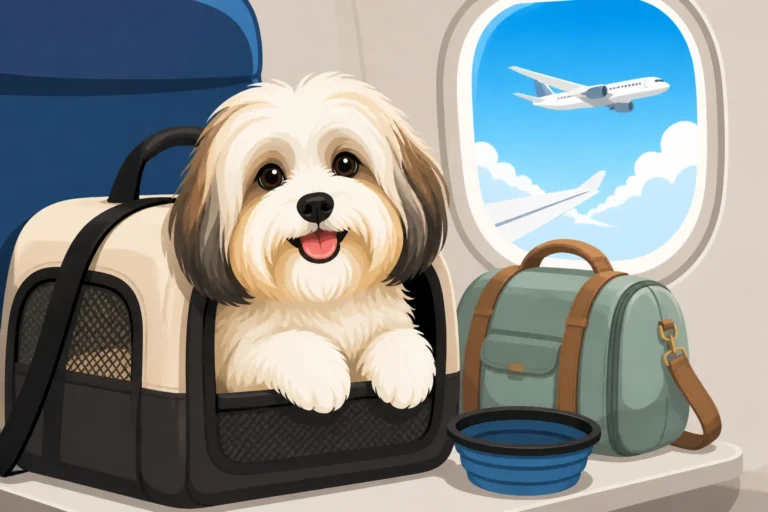
Traveling with a Havanese requires health checks, vaccinations, microchipping, and carrier familiarization to ensure a safe journey.

Havanese anal gland function and common signs of trouble explain when owners must intervene to help dogs with discomfort.
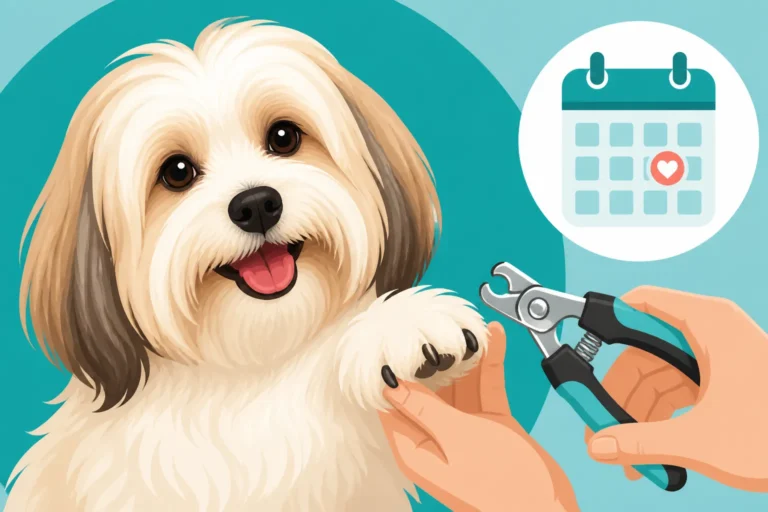
Havanese nail trimming frequency depends on lifestyle and activity, explaining how often to cut nails and avoid hitting the quick.
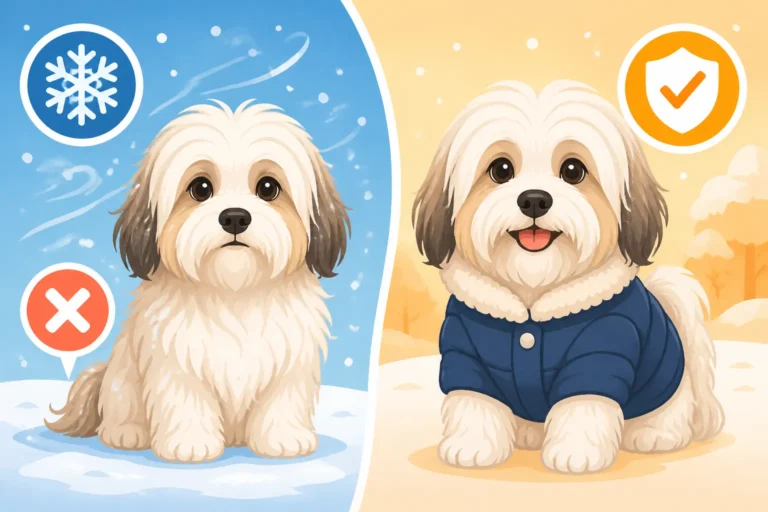
Winter weather protection for a Havanese dog depends on whether the double coat is clipped short or kept in a natural long style.
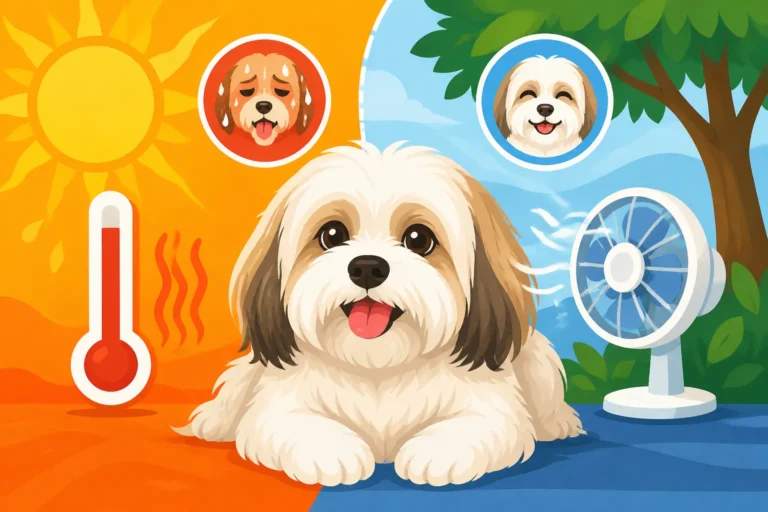
Havanese heat tolerance depends on double coat insulation, high humidity, small body size, and individual health differences.
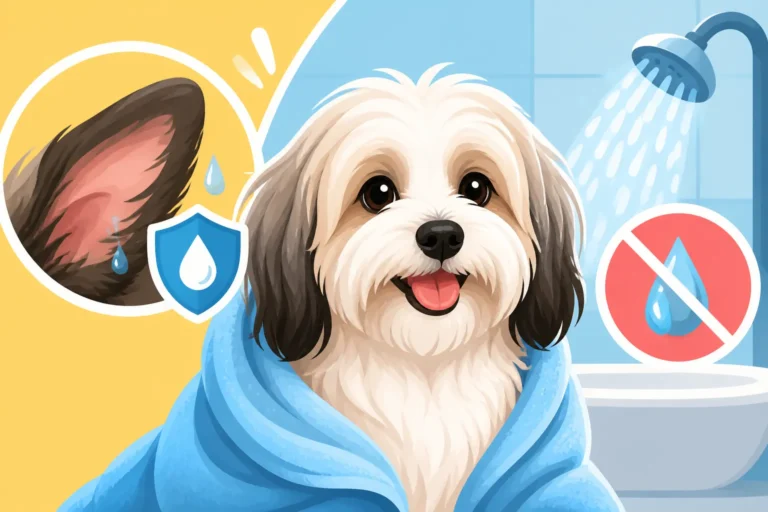
Havanese ear anatomy traps moisture behind drop ears and dense hair, causing infections unless owners proactively keep those floppy ears dry.

Havanese beard stains happen when iron porphyrins from tears and saliva oxidize on light-colored fur to create reddish streaks.

Havanese tear stains caused by porphyrins and bacteria can be managed by identifying root causes and cleaning discoloration.

Havanese eating habits and small stomach capacities explain why these sensitive companion dogs often reject meals and act fussy.