Whether a Havanese Coat Protects It From Sun
Havanese double coat protection explains how fur blocks ultraviolet rays, which areas remain vulnerable, and why dogs still risk sunburn.
The daily stuff, done right.
Feeding amounts by life stage, coat and skin routines, dental and nail care, exercise needs, and what changes as they age.
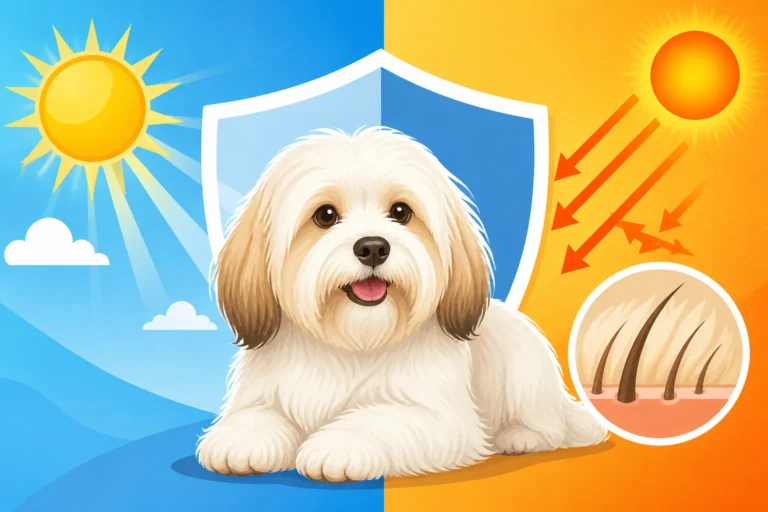
Havanese double coat protection explains how fur blocks ultraviolet rays, which areas remain vulnerable, and why dogs still risk sunburn.
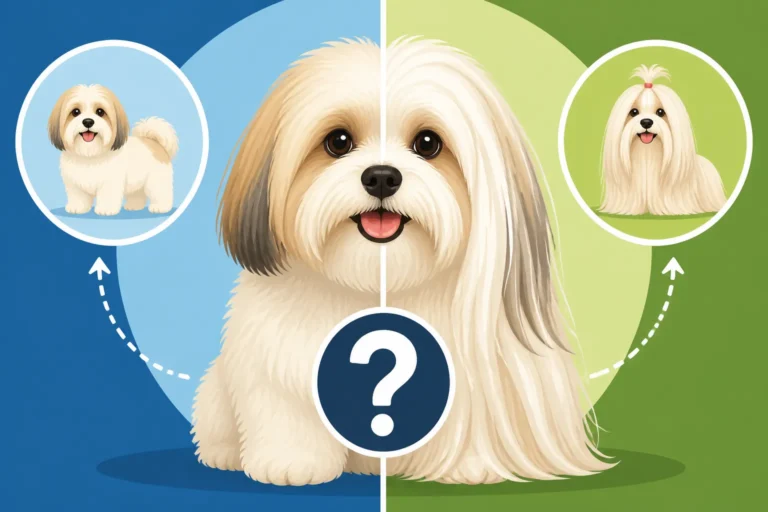
Continuous hair growth in Havanese dogs happens because their long anagen phase prevents standard shedding and requires constant grooming.
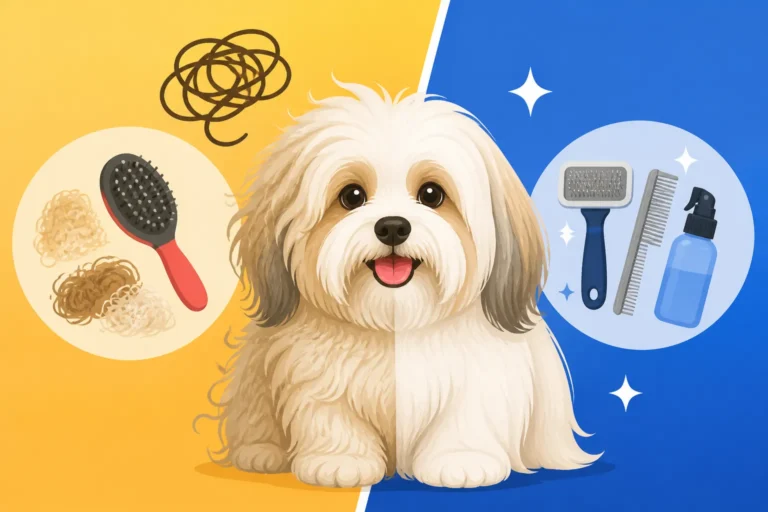
Havanese coat maintenance becomes much more difficult between eight and twelve months when soft puppy fluff develops into a dense adult coat.

Wiry and cottony Havanese coat textures create more friction, causing tangles and mats to form much faster than silky coats.

Havanese coat texture variations and genetic lines explain why puppy fur changes, how ancestry affects density, and why grooming needs differ.
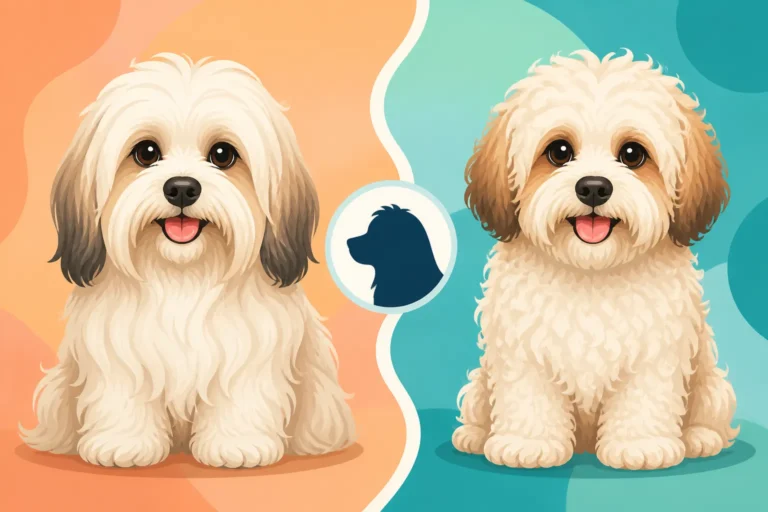
Havanese coat standard details wavy and curly textures, genetics, and grooming needs to prevent tangles in ears and armpits.
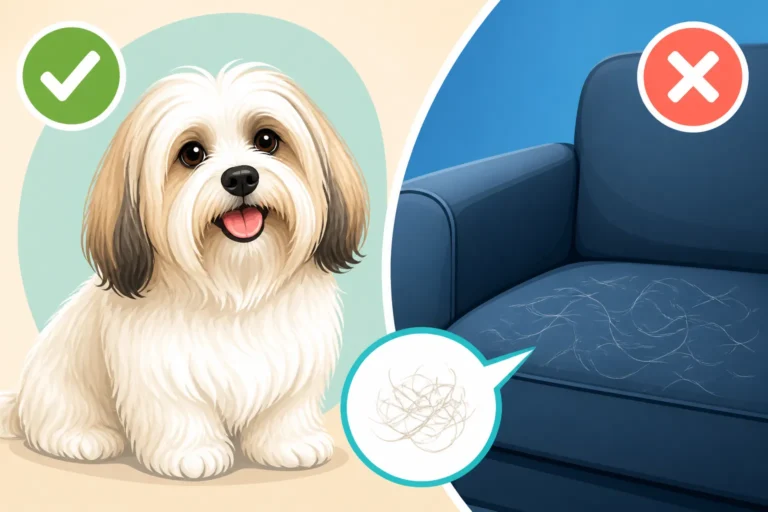
Havanese shedding realities explain whether these minimal shedding dogs leave stray hairs and dander on your furniture.
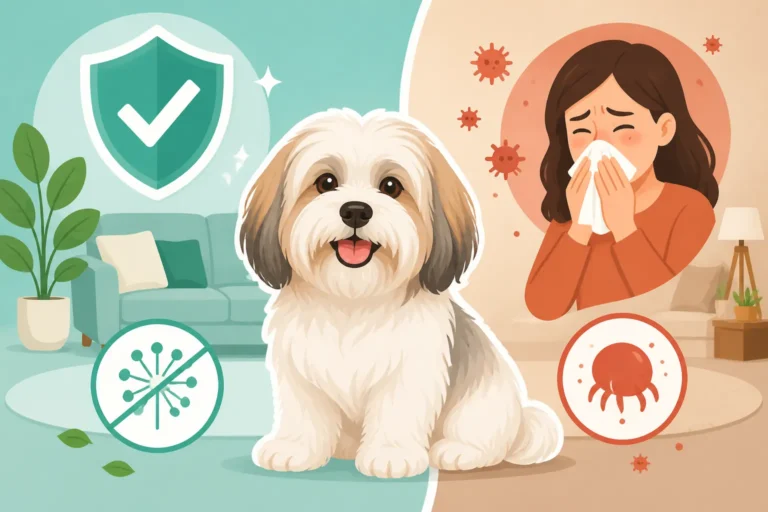
Havanese dogs feature a hair coat that traps dander and sheds minimally, reducing airborne allergens for allergy-sensitive households.
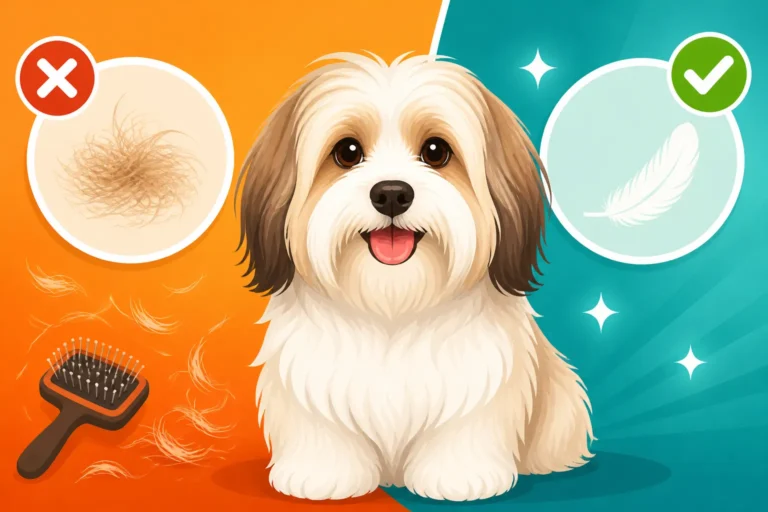
Havanese shedding behavior and double coat structure explained for owners managing allergies and regular grooming needs.

Havanese coat structure analysis explains why dense and silky fur is classified as a single coat rather than a double one.