Whether Both of a Havanese’s Knees Go
Bilateral patellar luxation in Havanese causes both kneecaps to slip due to inherited structural abnormalities affecting hind limbs.
Know what to watch for.
Breed-specific conditions, screening and DNA tests, what surgery actually costs, and the daily habits that stretch a healthy lifespan.
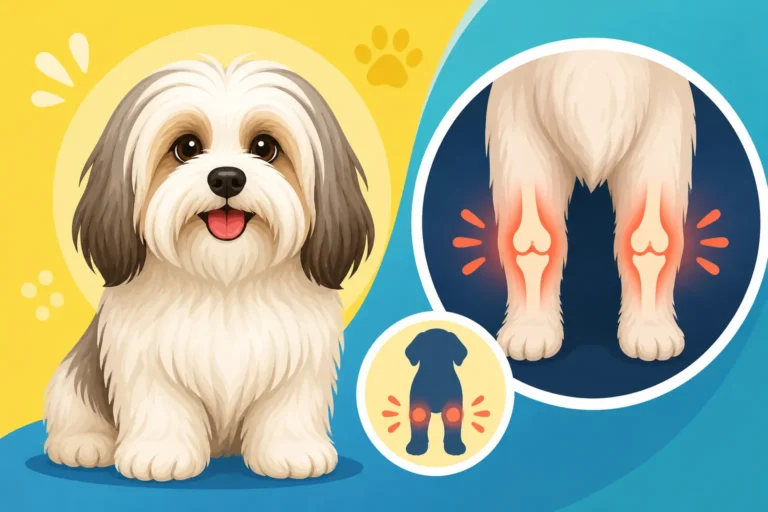
Bilateral patellar luxation in Havanese causes both kneecaps to slip due to inherited structural abnormalities affecting hind limbs.

Knee surgery for a Havanese treats a luxating patella graded from one to four and supports recovery from a slipping kneecap.
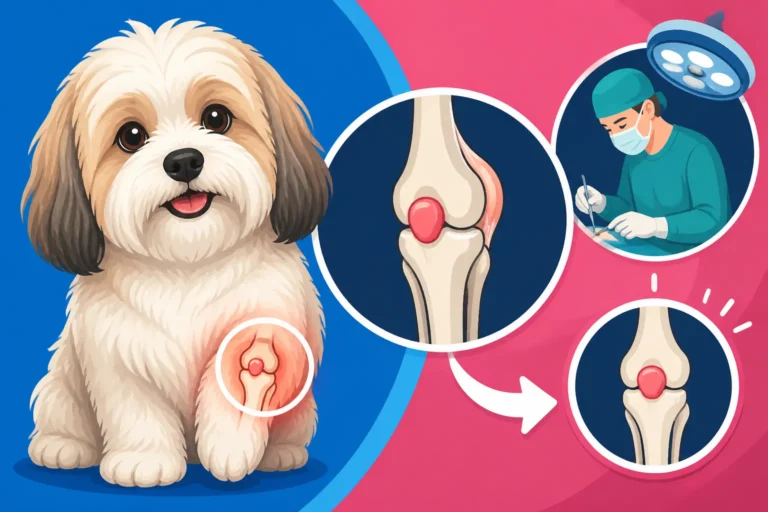
Havanese luxating patella grading system details which severity levels require surgical intervention to restore joint health.
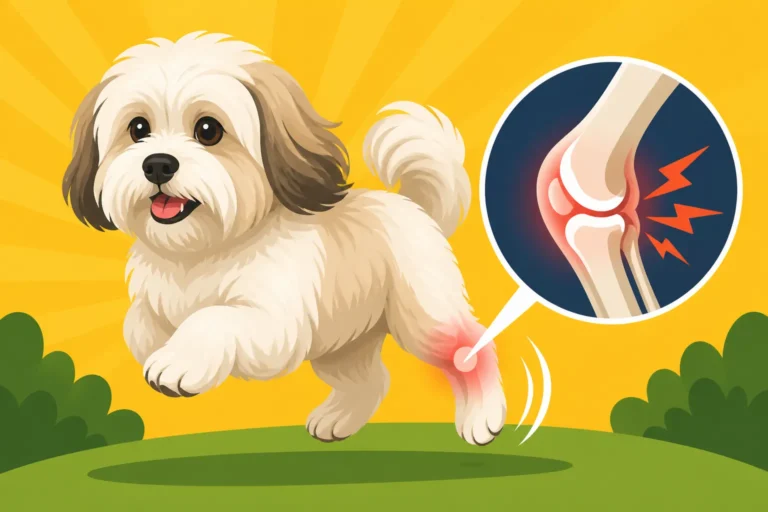
A Havanese dog lifting a back leg and hopping mid stride indicates a luxating patella, meaning the kneecap slips from its groove.
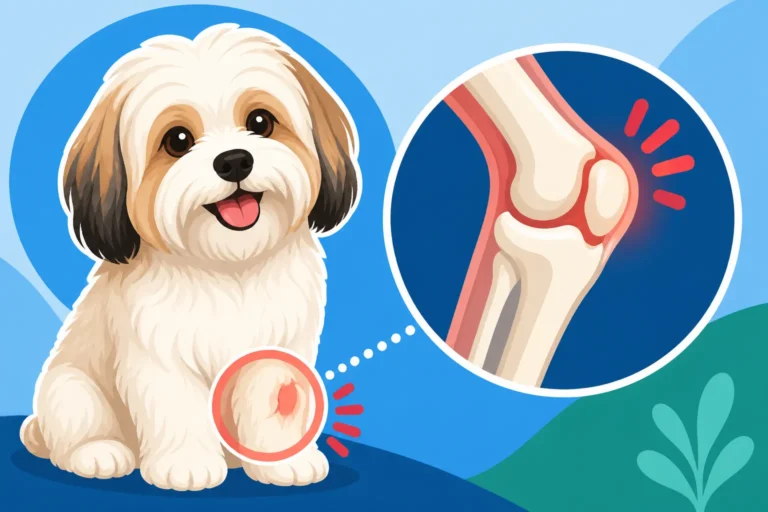
Luxating patella prevalence in Havanese dogs explains why this inherited orthopedic condition frequently affects small breeds.
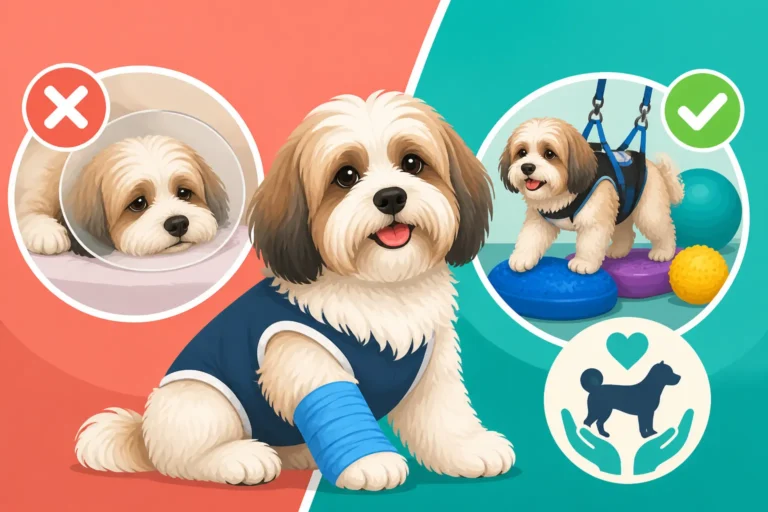
Post-surgical physiotherapy for Havanese dogs helps rebuild muscle strength, restore joint flexibility, and ensure a complete recovery.
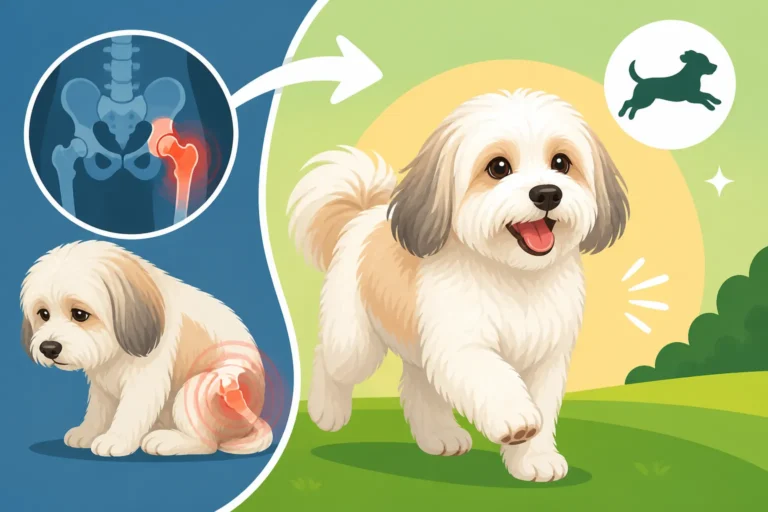
Havanese hip surgery recovery details, including Femoral Head Ostectomy procedures and conditions like Legg-Calve-Perthes disease.

Femoral Head Ostectomy costs for a Havanese cover diagnosis, surgery, and recovery to eliminate bone-on-bone hip friction.
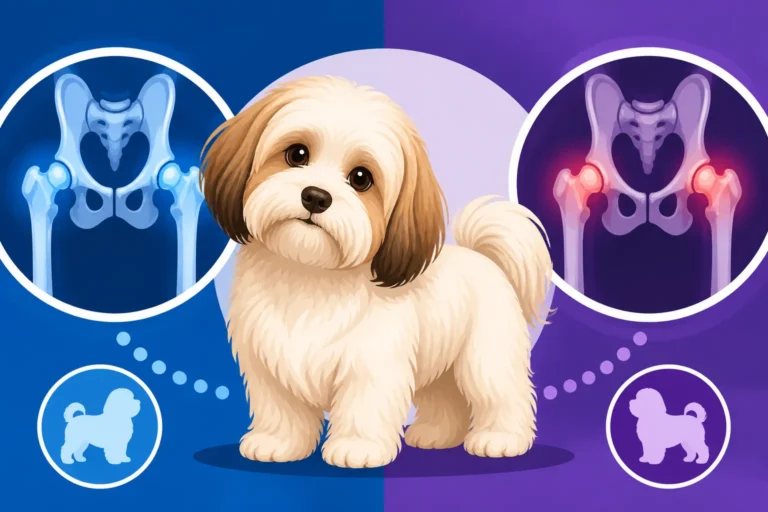
Legg-Calve-Perthes disease in Havanese dogs affects femoral head blood flow, causing hip joint degeneration and limping.
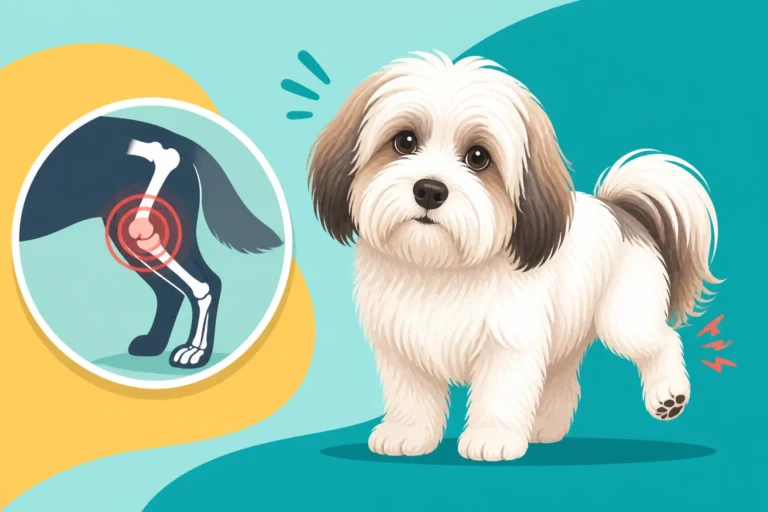
Havanese back leg limping often stems from luxating patella, Legg-Calve-Perthes Disease, sprains, or other orthopedic conditions.