Which Patella Grade Needs Surgery in a Havanese
It can be incredibly disheartening to notice your sweet Havanese occasionally skip or limp, especially when you know their breed is prone to certain joint issues. Luxating patella, or a slipping kneecap, is a common concern for many Havanese parents, and often the biggest question that arises is whether surgery is truly necessary. This guide will walk you through the different grades of luxating patella, helping you understand when surgical intervention becomes a crucial part of your Havanese's journey to a pain-free, active life.
Understanding Luxating Patella in Havanese
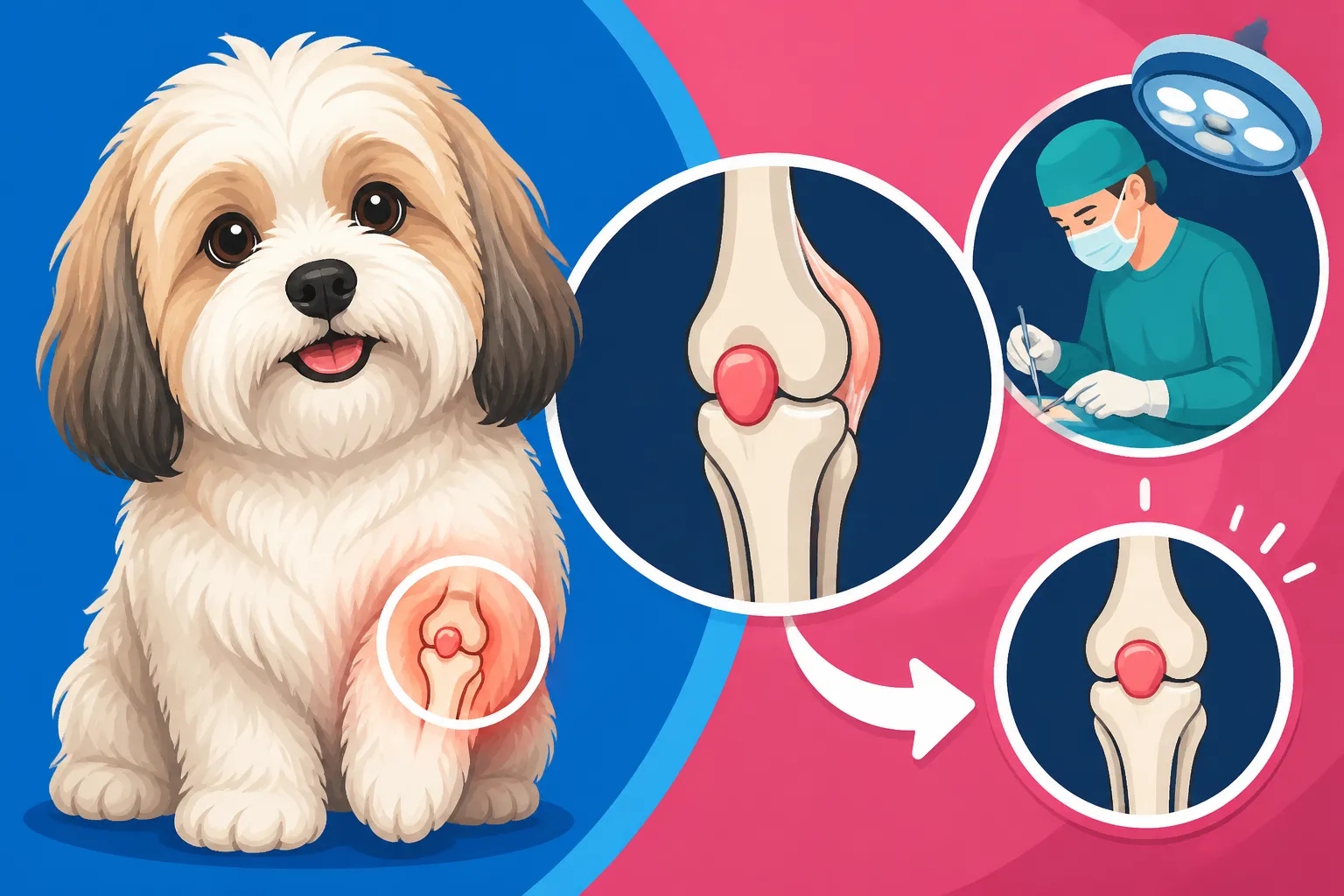
Finding out your beloved Havanese has a luxating patella can be a bit overwhelming, but it's important to remember that it's a relatively common condition, especially in small breeds. It simply means that the kneecap (patella) slips out of its normal groove (the trochlear groove) in the thigh bone (femur). When it slips, it can cause your dog discomfort, pain, and an altered gait.
The Mechanics of a Slipping Kneecap
Imagine your kneecap like a small, smooth stone sitting perfectly in a shallow valley. In a healthy knee, this stone glides smoothly up and down the valley as the leg bends and straightens. For a Havanese with a luxating patella, that valley might be too shallow, or the surrounding ligaments and muscles might be too loose or misaligned, causing the kneecap to pop out of place. This can happen towards the inside of the leg (medial luxation, which is far more common in Havanese and other small breeds) or to the outside (lateral luxation).
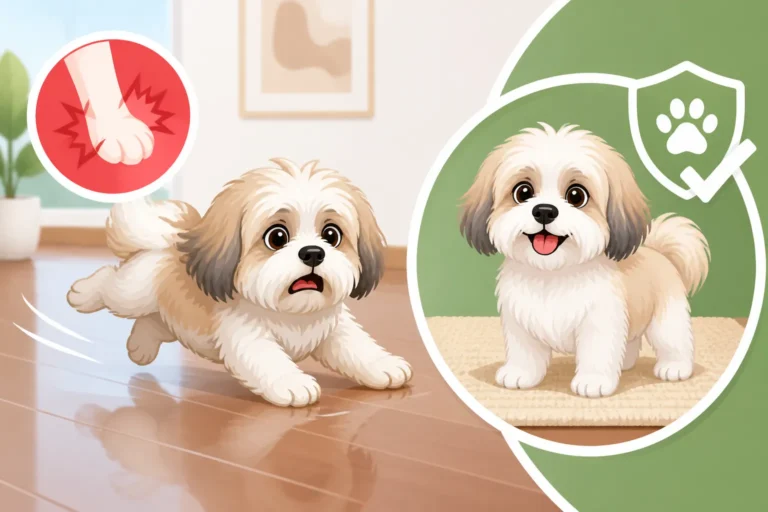
When the patella luxates, it can impede the normal function of the knee joint. Your Havanese might suddenly lift their leg, give a little hop, or skip a few steps as they try to pop the kneecap back into place themselves. This characteristic "skip" is often the first sign owners notice, and it's a classic indicator that The Skip That Means a Havanese's Knee Has Gone If left untreated, chronic luxation can lead to further damage to the joint, including cartilage wear, arthritis, and even tearing of the cruciate ligament, which is a much more serious injury.
Why Havanese Are Prone to This Condition
It's no secret that certain breeds have predispositions to specific health issues, and for our charming Havanese, luxating patella is unfortunately one of them. The primary reason for this heightened risk is genetics. Havanese are a toy breed, and the skeletal structure commonly associated with smaller dogs often includes anatomical irregularities that make them more susceptible.
Breeders, even the most diligent ones, work hard to screen for this condition, and you might find it useful to learn about Whether a Havanese Breeder Should Show CHIC Numbers. These numbers indicate that health tests, including patella evaluations, have been performed. The underlying issue usually stems from a combination of shallow trochlear grooves, malformed thigh bones (femur), or shin bones (tibia), and laxity in the ligaments that support the knee. These structural quirks, passed down through generations, mean that even with the best care, some Havanese are simply born with a higher chance of developing the condition. Understanding How Common Slipping Kneecaps Are in a Havanese helps set realistic expectations for owners.
Grading a Havanese's Luxating Patella
When your vet examines your Havanese and suspects a luxating patella, they'll often "grade" the severity of the condition. This grading system is crucial because it helps determine the best course of action, including whether surgery is needed. It’s not just about how often the kneecap slips, but how easily it slips and how much it impacts the joint.
The Four Grades of Patellar Luxation
The grading system is pretty straightforward, ranging from Grade I (the mildest) to Grade IV (the most severe). Your veterinarian will assess this manually during an orthopedic exam, feeling how the kneecap moves within its groove.
Here’s a breakdown:
- Grade I: This is the mildest form. The patella can be manually luxated (pushed out of the groove) by the vet but will immediately return to its normal position once released. Your Havanese might show no signs of pain or lameness, or perhaps only a very occasional skip. For many dogs, especially those with no symptoms, Grade I might be managed conservatively.
- Grade II: In this grade, the patella luxates more frequently. It might pop out of the groove on its own (not just manually by the vet) but can still return to its normal position spontaneously or with minimal manipulation. This is where symptoms like skipping, intermittent lameness, and occasional pain become more noticeable. This grade is often the tipping point for considering surgical intervention, especially if it affects the dog's quality of life.
- Grade III: This is a more serious form. The patella is luxated most of the time, though it can still be manually put back into the groove. However, it will pop right back out once the pressure is released. Dogs with Grade III luxation often experience persistent lameness, pain, and a more noticeable crouched or bow-legged stance. The consistent instability causes significant discomfort and leads to progressive arthritic changes.
- Grade IV: This is the most severe grade. The patella is permanently luxated and cannot be manually returned to its normal position. The trochlear groove is often completely flat or even convex. Dogs with Grade IV patellar luxation typically have severe, constant lameness, a very abnormal gait, and significant pain. The limb may even appear rotated. Surgery is almost always recommended for this grade to provide any chance of improved mobility and pain relief.
Understanding these grades is the first step in deciding on the best path forward for your furry friend, as each grade carries different implications for treatment. For a more detailed look at the specifics, refer to Grading a Havanese's Luxating Patella.
| Patella Grade | Description | Symptoms Typically Observed | Surgical Recommendation |
|---|---|---|---|
| Grade I | Patella can be manually luxated but returns to normal on release. | Often asymptomatic; occasional skip or hop. | Usually not recommended; conservative. |
| Grade II | Patella luxates spontaneously but can be reduced; more frequent. | Intermittent lameness, skipping, occasional pain. | Often recommended, especially if symptomatic. |
| Grade III | Patella is luxated most of the time but can be reduced manually. | Persistent lameness, pain, crouched/bow-legged stance. | Highly recommended. |
| Grade IV | Patella is permanently luxated and cannot be manually reduced. | Severe, constant lameness, abnormal gait, significant pain. | Almost always recommended. |
Deciding on Surgery: Which Patella Grade Needs Intervention?
The decision to proceed with surgery for a luxating patella in your Havanese is a significant one, and it's something you'll discuss thoroughly with your veterinarian and potentially an orthopedic specialist. While the grading system provides a strong framework, it's not the only factor. Your dog's overall health, age, activity level, and the impact of the condition on their daily life all play a crucial role. This is the heart of the question: Whether a Havanese's Kneecap Needs Operating.
Typical Surgical Candidates: Grade II, III, and IV
Generally speaking, surgery is strongly considered for Havanese with Grade II, Grade III, and Grade IV luxating patellas.
- Grade II: While some Grade II cases might be managed conservatively if the luxation is infrequent and causes minimal discomfort, surgery often becomes the preferred option if your Havanese is showing clear symptoms. This includes noticeable lameness, persistent skipping, or signs of pain during activity. The goal at this stage is to prevent further joint deterioration and the onset of debilitating arthritis. Early intervention can significantly improve their long-term prognosis and maintain their playful nature. If your Havanese is young and active, surgery can give them back their full range of motion and prevent more serious issues down the line.
- Grade III: For Havanese with Grade III luxation, surgery is almost always recommended. At this point, the patella is spending more time out of the groove than in it, leading to chronic pain, significant lameness, and increasing damage to the joint cartilage. Without surgical correction, these dogs will likely face a future of worsening arthritis, discomfort, and severely limited mobility. The surgery aims to stabilize the kneecap, alleviate pain, and restore proper limb function.
- Grade IV: This is the most severe form, and surgery is nearly always necessary. Havanese with Grade IV luxation suffer from constant pain and have a severely compromised gait. Their quality of life is significantly impacted. Surgical procedures for Grade IV can be more complex, sometimes requiring deeper reconstruction of the joint, but they offer the best hope for alleviating pain and improving function, even if a perfectly normal gait isn't always achievable. The sooner surgery can be performed in these cases, the better the chances of a positive outcome.
When Conservative Management is Considered
For Havanese with Grade I luxating patella, and sometimes even very mild, asymptomatic Grade II cases, surgery might not be the immediate or even long-term recommendation. If your Havanese is happy, active, shows no pain, and only has an occasional, barely noticeable skip, your vet might suggest a conservative approach first.
This typically involves:
- Weight Management: Keeping your Havanese at a lean, healthy weight is paramount. Excess weight puts additional strain on all joints, including the knees, exacerbating luxation and increasing pain. This aligns with the advice that Whether a Havanese Should Be Kept Slim for Its Joints is a vital part of their care.
- Controlled Exercise: Avoiding activities that involve sharp turns, jumping off furniture, or excessive strain on the knees. Instead, focus on consistent, moderate exercise like leash walks. You might even consider using steps or ramps to help your Havanese access furniture safely, preventing hard landings that can aggravate the knee. Learning about Keeping a Havanese Off Furniture It Should Not Jump From can be incredibly helpful.
- Joint Supplements: Your vet might recommend supplements containing glucosamine, chondroitin, and MSM. These can help support joint health, reduce inflammation, and potentially slow the progression of arthritis. While not a cure, Whether Joint Supplements Help a Havanese is a common question, and for conservative management, they can certainly play a supportive role.
- Anti-inflammatory Medication: If there's occasional pain or inflammation, your vet may prescribe non-steroidal anti-inflammatory drugs (NSAIDs) to manage discomfort.
The key with conservative management is vigilant monitoring. If symptoms worsen, or if your Havanese starts to show more consistent pain or lameness, it's time to revisit the conversation about surgery.
The Surgical Process and Post-Operative Care
Once the decision for surgery has been made, it's natural to feel a mix of hope and apprehension. Understanding what the surgery entails and what to expect during recovery can help ease your mind. The goal of the surgery is to realign the kneecap and stabilize the joint, giving your Havanese the best chance for a comfortable, active life.
What the Surgery Involves
Luxating patella surgery is typically performed by a general veterinarian with orthopedic experience or, more often, by a board-certified veterinary orthopedic surgeon. The specific techniques used can vary slightly depending on the severity of the luxation and the individual anatomy of your Havanese, but they generally aim to achieve three things:
- Trochlear Wedge or Block Resection (Groove Deepening): This is often the primary step. The surgeon will deepen the trochlear groove in the femur where the kneecap normally sits. They do this by removing a wedge or block of bone and cartilage, deepening the groove, and then replacing the wedge/block. This creates a more defined "valley" to hold the patella in place.
- Tibial Crest Transposition: If the alignment of the patella is off due to the attachment point on the shin bone (tibia), the surgeon will carefully cut the bone fragment where the patellar ligament attaches (the tibial crest). This fragment is then moved to a more appropriate position and reattached with pins, effectively realigning the entire quadriceps mechanism.
- Soft Tissue Release or Tightening: Sometimes, the soft tissues around the knee are either too tight on one side, pulling the patella out, or too loose on the other, allowing it to slip. The surgeon may release the tight tissues (lateral release) and/or tighten the loose tissues (medial imbrication) to further help center the kneecap.
These procedures, performed individually or in combination, work to ensure the patella tracks correctly within its groove. It’s important to note that sometimes Both of a Havanese's Knees Go, and while often done separately, your vet will discuss the best timing for any bilateral procedures if needed. The overall goal is to restore stability and function to the joint.
Recovery and Rehabilitation
The recovery period after luxating patella surgery is critical for a successful outcome and requires dedication from you, the owner. It's not just about the surgery itself; it's about the weeks and months that follow.
- Immediate Post-Op: Your Havanese will likely go home with pain medication, anti-inflammatory drugs, and possibly antibiotics. They'll have sutures or staples and often a bandage or soft splint for the first week. Strict rest is paramount – no jumping, running, or stair climbing. Leash walks for bathroom breaks will be carefully controlled.
- The First Few Weeks (Weeks 1-4): This phase focuses on controlling pain and preventing re-injury. Activity will be extremely limited. You'll likely need to keep your Havanese confined to a small space, like a crate or a playpen. Short, controlled leash walks will gradually increase. Physical therapy, which might include passive range of motion exercises at home, will be introduced. This is where patience truly becomes a virtue!
- Long-Term Rehabilitation (Weeks 4-12+): As healing progresses, a more structured rehabilitation program will begin, often with the guidance of a certified canine rehabilitation therapist. This might include hydrotherapy (underwater treadmill), therapeutic exercises, and massage to rebuild muscle strength, improve joint flexibility, and restore normal gait patterns. Just like with Whether a Havanese Recovers Fully From Hip Surgery, full recovery from knee surgery can take several months. Your commitment to these exercises is vital.
- Potential Complications and Long-Term Outlook: While the success rate for patella surgery is generally high, complications can occur, such as infection, implant failure, or re-luxation. Long-term, many Havanese recover wonderfully, returning to a good quality of life with significantly reduced pain and improved mobility. However, some degree of arthritis may still develop in the operated joint over time, particularly in more severe cases or if the condition was chronic prior to surgery. Regular veterinary check-ups and continued joint support are often recommended for life.
Financial Considerations and Pet Insurance
Facing a diagnosis of luxating patella and the potential need for surgery brings up an important practical consideration: the cost. Veterinary care, especially specialized orthopedic surgery, can be a significant financial undertaking.
Cost of Diagnosis and Surgery
The total cost can vary widely depending on your geographic location, the specific veterinary clinic, the grade of luxation, and whether one or both knees require surgery.
Typically, the diagnostic phase involves an initial vet visit, orthopedic examination, and X-rays to assess the severity of the luxation and check for other concurrent issues. This initial work-up might range from a few hundred dollars.
If surgery is recommended, the cost will include:
- Pre-surgical blood work: To ensure your Havanese is healthy enough for anesthesia.
- Anesthesia: Monitored by a veterinary technician.
- The surgical procedure itself: Including the surgeon's fees.
- Hospitalization: For post-operative monitoring.
- Medications: Pain relief, anti-inflammatories, antibiotics.
- Follow-up visits: Post-operative checks and suture removal.
- Rehabilitation therapy: Sessions with a canine physical therapist, which are often crucial for optimal recovery, can add up over weeks or months.
On average, for a Havanese, luxating patella surgery on one knee can range anywhere from $1,500 to $4,000 or even more, depending on the complexity. If both knees require surgery, the cost will be higher, though sometimes a discount is applied for a second concurrent surgery or if performed on separate occasions. This can be comparable to, or even more than, What Femoral Head Surgery Costs on a Havanese Owner, a different but equally serious orthopedic procedure.
How Pet Insurance Can Help
This is where pet insurance can be an absolute lifesaver. Many Havanese owners wisely choose to insure their furry family members precisely for these kinds of unforeseen medical expenses. Companies like Healthy Paws offer comprehensive accident and illness plans that can cover a significant portion of diagnostic tests, surgery, medications, and rehabilitation costs for conditions like luxating patella.
It's crucial to understand how pet insurance works:
- Enrollment before diagnosis: For a condition like luxating patella to be covered, your Havanese typically needs to be enrolled in a pet insurance plan before any symptoms appear or a diagnosis is made. Pre-existing conditions are usually not covered.
- Deductibles and Reimbursement: Most plans involve a deductible you pay first, and then the insurance company reimburses a percentage (e.g., 70-90%) of the eligible veterinary bills.
- Wellness vs. Illness Plans: Be sure to get an accident and illness plan, as wellness plans generally only cover routine care and vaccinations, not major surgeries.
Considering that the Havanese breed has a known predisposition for luxating patellas, enrolling in a robust pet insurance plan early in your dog's life can provide immense peace of mind. Knowing that you have financial support for a condition like this allows you to make medical decisions based on what's best for your Havanese, rather than solely on your wallet. For comprehensive coverage that considers breed-specific issues, investigating policies that cover conditions like this is smart, as highlighted in topics such as Insuring a Havanese Against Knees and Heart. Healthy Paws, for example, is often chosen by owners looking for reliable coverage for such orthopedic issues.
Disclaimer
The information provided in this article is for general informational purposes only and does not constitute veterinary medical advice. Always consult with a qualified veterinarian or veterinary specialist for any medical concerns or before making any decisions about your Havanese's health or treatment plan. Individual situations may vary, and only a professional can provide an accurate diagnosis and appropriate recommendations.