The Skip That Means a Havanese’s Knee Has Gone
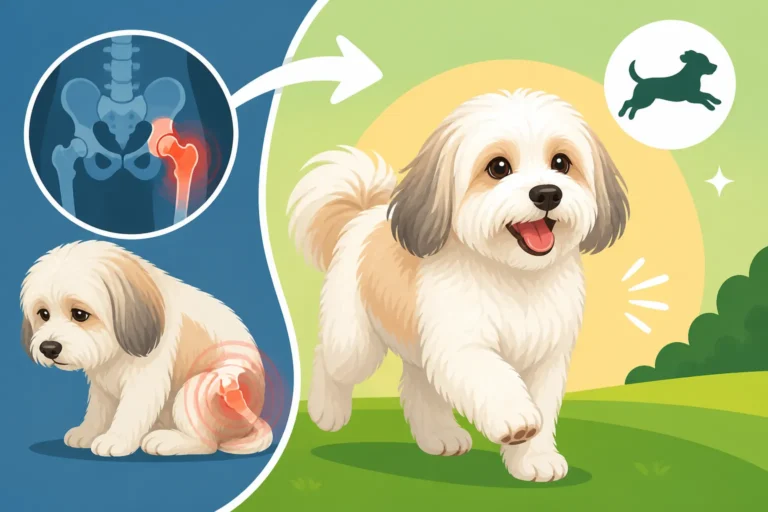
That moment when you’re watching your sweet Havanese prance across the living room, and suddenly, mid-stride, they lift a back leg, give a little hop, and then carry on as if nothing happened. It’s a sight that can send a jolt of worry through any Havanese owner, a fleeting skip that often signals a condition called luxating patella, or a slipping kneecap. This guide is here to shed light on what that characteristic skip means, why it happens, and what you can do to keep your furry friend comfortable and active.
Understanding the Havanese Knee Skip
The little hop or skip you observe in your Havanese's gait is more than just a quirky habit; it’s a clinical sign that something isn't quite right with their knee joint. For many Havanese parents, witnessing this for the first time can be startling, especially if you’re not familiar with the breed’s predisposition to certain orthopedic issues. It's a frustrating situation because your dog often acts completely fine moments later, making it hard to know if you're overreacting or if it's genuinely something to worry about.
What a Skipping Gait Looks Like in Your Havanese
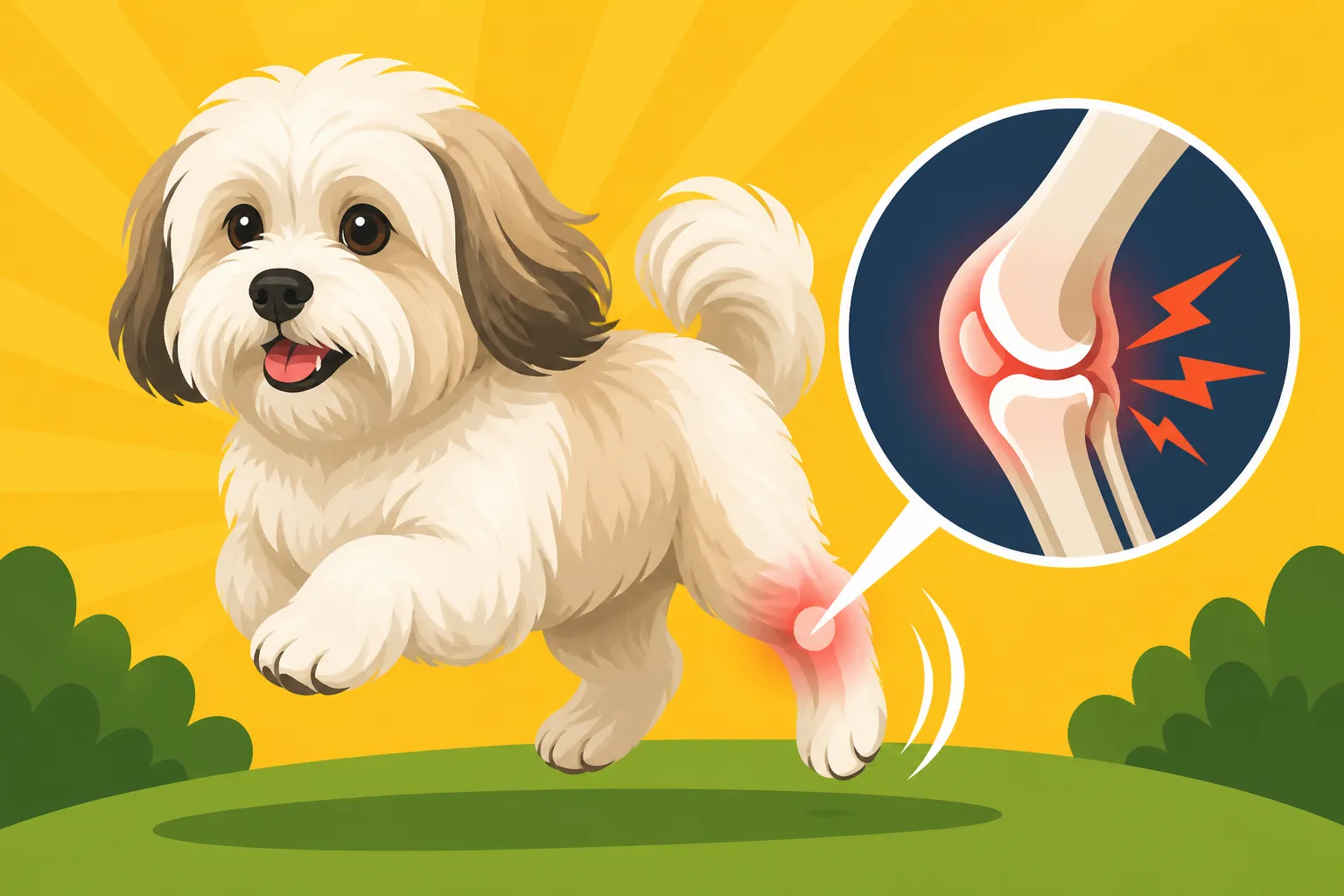
Imagine your Havanese trotting along happily, perhaps chasing a toy or coming to greet you. Suddenly, one of their back legs seems to lock up, they lift it momentarily, maybe take a hop or two on three legs, then extend the leg with a little shake, and put it back down as if nothing was amiss. This brief "skip" or "bunny hop" is the tell-tale sign of a luxating patella. It might happen infrequently at first, perhaps only when your dog is particularly excited or changes direction quickly. You might even notice them holding the leg up for a few steps before it pops back into place.
This behavior isn't typically painful in its early stages, which is why your Havanese often resumes normal activity so quickly. However, the repeated dislocation and relocation of the kneecap can lead to inflammation and eventually, degenerative joint disease, causing discomfort and chronic pain down the line. It's a subtle but important cue that deserves your attention, as catching it early can make a big difference in long-term management.
The Underlying Mechanics of a Luxating Patella
At the heart of the knee skip is the patella, or kneecap, and its supporting structures. In a healthy knee, the patella sits snugly in a groove at the end of the femur (thigh bone), called the trochlear groove. It slides smoothly up and down this groove as the knee flexes and extends, acting like a pulley for the quadriceps muscle. When a Havanese has a luxating patella, it means this kneecap occasionally slips out of that groove. Most commonly in small breeds like the Havanese, it slips medially, towards the inside of the leg.
This slipping happens when the groove isn't deep enough, or the ligaments and muscles around the knee are misaligned or too loose. When the patella moves out of its natural position, the leg can't extend properly, causing your dog to momentarily hold it up. Once the muscle relaxes or the leg is twisted in a certain way, the patella often pops back into the groove, and the dog can use the leg again. This structural issue is often inherited, making certain breeds, including our beloved Havanese, particularly susceptible. You might find it helpful to learn more about The Kneecaps a Havanese Slips in general to get a broader understanding.
Diagnosing and Grading a Luxating Patella
Spotting the skip is the first step, but confirming a luxating patella and understanding its severity requires a veterinary visit. Don’t delay if you suspect your Havanese is experiencing this, as early diagnosis can lead to more effective management strategies. It’s natural to feel anxious about a diagnosis, but remember that many Havanese live full, happy lives even with this condition, especially with proper care.
When to See the Vet for a Limp or Skip
Any persistent or recurring limp, skip, or lameness in your Havanese warrants a visit to your veterinarian. While an occasional hop might not seem urgent, it’s a sign that the patella is luxating, and you want to prevent further damage to the joint. If you notice your Havanese frequently lifting a leg, refusing to put weight on it, or showing signs of pain like yelping or sensitivity when the leg is touched, an immediate vet appointment is crucial. Even subtle changes in your dog's activity level or a reluctance to jump can be indicators.
During the examination, your vet will perform an orthopedic assessment, which involves palpating the knee joint and manipulating the leg to try and induce the luxation. They’ll feel for the kneecap slipping out of place and assess the stability of the joint. In some cases, X-rays might be recommended to evaluate the bone structure, the depth of the trochlear groove, and to check for any signs of arthritis that may have already developed due to the condition. This comprehensive assessment helps your vet determine the best course of action.
The Different Grades of Patellar Luxation
Veterinarians classify luxating patella into four grades, based on the severity of the condition. This grading system helps to determine the appropriate treatment plan and prognosis. Understanding these grades can help you communicate more effectively with your vet about your Havanese's condition.
| Grade | Description | Clinical Signs |
|---|---|---|
| Grade 1 | The patella can be manually luxated (pushed out of the groove) but spontaneously returns to its normal position. | Often asymptomatic or very occasional skipping. You might not even notice it without a vet palpating the knee. |
| Grade 2 | The patella luxates spontaneously (slips out on its own) and may stay luxated for some time, but can be manually repositioned or pops back into place with flexion and extension of the joint. | Intermittent skipping or limping, often more noticeable during activity. Your dog might hold the leg up for several steps. This is the stage where most owners first notice a problem. |
| Grade 3 | The patella is permanently luxated (out of the groove most of the time) but can be manually repositioned within the trochlear groove. It will re-luxate immediately once released. | Consistent lameness, bunny hopping gait. The leg may appear bowed, and your Havanese might struggle with everyday movements, showing signs of discomfort or pain. |
| Grade 4 | The patella is permanently luxated and cannot be manually repositioned into the trochlear groove. The groove is often very shallow or non-existent, and there may be significant bone deformity. | Severe, constant lameness. The affected leg is often carried or used with great difficulty. Significant pain and often other joint issues are present, leading to a severely compromised quality of life without intervention. |
Your vet will be able to give you a precise grade after their examination. More in-depth information about Grading a Havanese's Luxating Patella can further clarify these distinctions.
Treatment Options and Long-Term Management
Once your Havanese has been diagnosed with a luxating patella, your vet will discuss the available treatment options. The approach will depend heavily on the grade of luxation, your dog’s age, overall health, and your lifestyle. It’s important to remember that this isn't a "one size fits all" situation, and you'll work with your vet to create a tailored plan for your Havanese.
Conservative Management Strategies for Mild Cases
For Havanese with Grade 1 or mild Grade 2 luxation, conservative management is often the first course of action. This approach focuses on minimizing symptoms and preventing progression without surgery. It involves a combination of strategies designed to support joint health and reduce inflammation. One of the most critical aspects is maintaining a healthy weight for your Havanese. Even a few extra pounds can put significant strain on already compromised joints. This is where the advice to ask Whether a Havanese Should Be Kept Slim for Its Joints comes into play, as every ounce counts.
Regular, moderate exercise can help strengthen the muscles around the knee, providing better support for the patella. Think consistent, short walks rather than strenuous runs or jumps. Avoid activities that involve sharp turns or jumping from heights. If your Havanese loves to leap onto the couch or bed, investing in pet stairs or ramps can be incredibly beneficial. Supplements like glucosamine, chondroitin, and omega-3 fatty acids can also be recommended by your vet to support cartilage health and reduce inflammation. While these don't "cure" the luxation, they can significantly improve comfort and slow down degenerative changes. Your vet might also discuss Whether Joint Supplements Help a Havanese for this purpose.
Surgical Interventions for More Severe Luxation
When conservative measures aren’t enough, or if your Havanese has a higher grade of luxation (typically Grade 2, 3, or 4), surgery often becomes the recommended path. The decision to pursue surgery can feel daunting, and many owners fret over the risks and recovery. However, modern veterinary orthopedic surgery has a high success rate for luxating patella. The goal of surgery is to realign the patella so it stays within the trochlear groove, restoring normal knee function and preventing further damage.
There are several surgical techniques, often used in combination, that a veterinary orthopedic specialist might employ:
- Trochleoplasty: This involves deepening the trochlear groove in the femur where the patella sits. This can be done by removing a wedge of bone from the groove (wedge resection) or by shaving down the raised edges (chondroplasty).
- Tibial Tuberosity Transposition: This procedure involves moving the bony prominence on the tibia (shin bone), called the tibial tuberosity, to which the patellar ligament attaches. By shifting this attachment, the alignment of the quadriceps muscle, patella, and patellar ligament is corrected, allowing the kneecap to track properly.
- Fascial Release/Tightening: Sometimes, the soft tissues surrounding the knee joint contribute to the luxation. Releasing excessively tight tissue on one side or tightening loose tissue on the other side can help balance the forces acting on the patella.
Knowing Whether a Havanese's Kneecap Needs Operating is a big decision, and your vet will walk you through the specifics of what your Havanese needs. The costs associated with these procedures can be substantial, so understanding What Knee Surgery Costs a Havanese Owner is also an important part of the planning process. Many pet parents find that having a robust pet insurance plan, such as one from Healthy Paws, helps cushion the financial blow of unexpected surgeries.
Post-Surgery Recovery and Rehabilitation
The recovery period after patella surgery is just as crucial as the surgery itself. It typically involves a strict regimen of rest, controlled exercise, and often, rehabilitation therapy. Immediately after surgery, your Havanese will need several weeks of crate rest or strict confinement to allow the surgical site to heal. During this time, they’ll only be allowed out for short, supervised potty breaks. Leash walks will be short and slow, gradually increasing in duration as advised by your vet.
Rehabilitation therapy plays a vital role in restoring strength, range of motion, and proper gait. This might include:
- Therapeutic Exercises: Gentle flexion and extension of the knee, controlled weight-bearing exercises.
- Hydrotherapy: Underwater treadmill sessions can be incredibly beneficial, as the buoyancy of the water reduces stress on the joint while allowing for muscle strengthening.
- Massage and Stretching: To improve flexibility and reduce muscle stiffness.
- Laser Therapy: To promote healing and reduce pain and inflammation.
Consistency with your Havanese’s recovery plan is key to a successful outcome. It can be challenging to keep an active Havanese calm, but adhering to the post-operative instructions will prevent complications and maximize the chances of a full recovery. Talking to your vet about potential costs and perhaps reviewing pet insurance options, like those offered by Healthy Paws, can provide peace of mind during this intensive recovery period.
Living with a Havanese Prone to Knee Issues
Even after successful treatment, or if your Havanese is being managed conservatively, long-term care is essential. Living with a dog prone to knee issues means being proactive about their joint health and making thoughtful adjustments to their environment and routine.
Lifestyle Adjustments to Protect Your Havanese's Joints
Protecting your Havanese's joints is an ongoing commitment. One of the most important things you can do is prevent high-impact activities. This means discouraging jumping on and off furniture. Instead, teach them to use ramps or pet stairs. There are many helpful tips on Keeping a Havanese Off Furniture It Should Not Jump From to help you implement this. If you already have pet stairs or ramps, you might want to look at Whether a Havanese Should Use Steps to the Couch for guidance on proper use and placement.
Consider soft, non-slip flooring. Hardwood or tile floors can be challenging for dogs with joint issues, as they offer little traction and can lead to slips and falls. Lay down rugs or runners in high-traffic areas to give your Havanese better footing. Regular, moderate exercise is crucial for maintaining muscle strength, but avoid sudden, intense bursts of activity or prolonged periods of running on uneven terrain. Short, frequent walks are generally better than one long, strenuous outing. Think about how much activity your Havanese really needs; learning How Much Exercise a Havanese Needs can help you strike the right balance.
Nutritional Support and Weight Management
Nutrition plays a pivotal role in joint health. Feeding a high-quality diet appropriate for small breeds can provide the necessary nutrients for overall well-being. Discuss with your vet if a specialized joint support diet is appropriate for your Havanese, especially as they get older or if they’re recovering from surgery. These diets often contain higher levels of omega-3 fatty acids, glucosamine, and chondroitin.
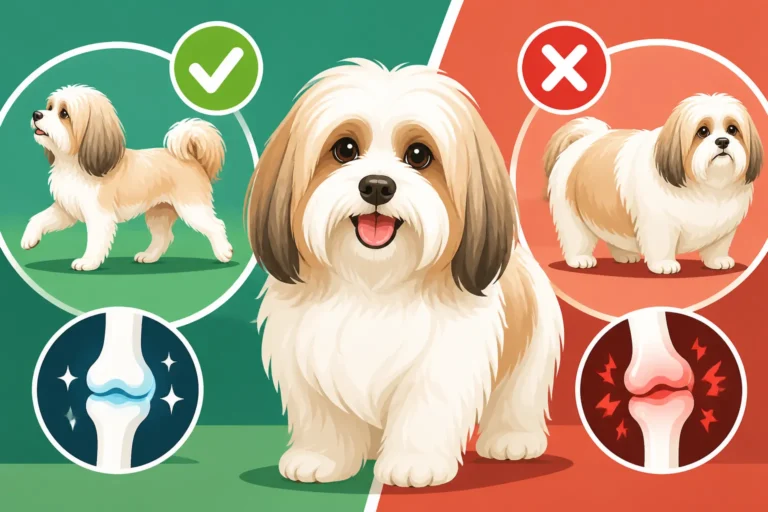
Weight management is perhaps the single most impactful thing you can do for a Havanese with luxating patella. Every extra pound puts undue stress on their knee joints, exacerbating the problem and potentially speeding up the development of arthritis. Work with your vet to determine your Havanese’s ideal weight and a feeding plan to achieve or maintain it. This might involve carefully measuring food portions, reducing treats, or increasing controlled exercise. Observing Arthritis in a Havanese at Twelve is a stark reminder of the long-term consequences of unchecked joint issues, so proactive weight management from a young age is incredibly important. If an emergency situation ever arises due to a flare-up or an accidental injury, having the support of pet insurance, like Healthy Paws, can ensure you can make the best decisions for your Havanese's care without financial stress.
Disclaimer
This article is for general informational purposes only and does not constitute professional advice. Laws, prices and regulations vary by location and change over time. Consult a qualified professional for guidance on your specific situation.