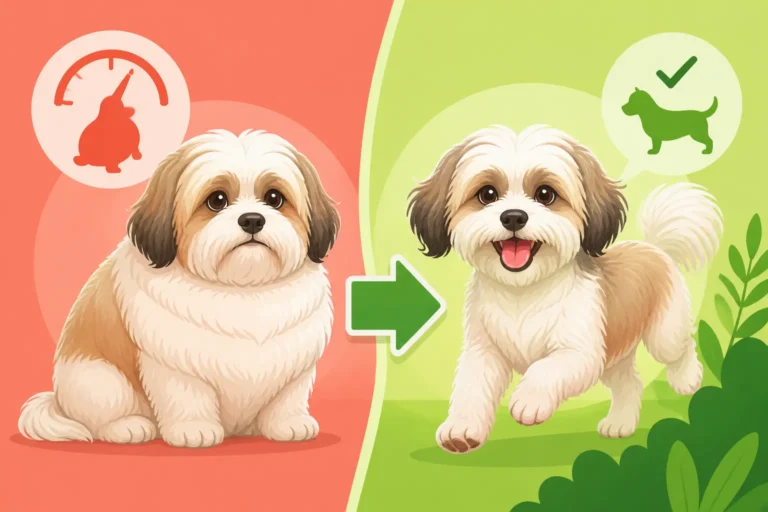
When a Havanese Drops to Two Meals
One of the most common questions new Havanese parents wrestle with is figuring out their puppy's feeding schedule. It's not just about what they eat, but when and how often. The shift from a demanding, frequent puppy feeding routine to a more manageable adult schedule can feel like a guessing game, leaving many owners worried if they're doing it right. This guide will walk you through the natural progression of feeding your Havanese, helping you understand the signs of readiness and the best practices for transitioning your beloved companion to a healthy, happy two-meal-a-day routine.
Understanding Your Havanese Puppy's Initial Feeding Needs
Bringing home a Havanese puppy is a whirlwind of joy, cuddles, and, let's be honest, a lot of feeding! Their tiny bodies are growing at an incredible rate, and that growth demands a constant supply of nutrients. It’s natural to feel like you’re constantly putting food down, but there’s a solid reason behind it.
Why Young Havanese Puppies Eat So Often
Think about human babies—they eat small amounts frequently, right? Havanese puppies are much the same. Their stomachs are tiny, barely able to hold a significant amount of food at one time. If they tried to eat all their daily calories in one or two big meals, they'd simply get overwhelmed and wouldn't be able to digest it all properly. Frequent, smaller meals ensure that their digestive system isn't overloaded and that they can absorb the maximum amount of nutrients from each bite. This is especially crucial for small breeds like the Havanese, who can be prone to low blood sugar (hypoglycemia) if they go too long without food. Their little bodies burn through energy at a much faster rate than a larger breed puppy.
For the first few months, a Havanese puppy typically needs three to four meals a day. This might look like breakfast, lunch, dinner, and sometimes a smaller snack before bed, all spaced out evenly throughout their waking hours. This consistent intake provides the steady stream of fuel needed for their rapid physical development, from bone growth to organ maturation. It also helps maintain stable blood sugar levels, preventing those scary dips that can make a puppy weak, lethargic, or even seize. Providing smaller, frequent meals also aids in building a routine, which is beneficial for housetraining, as you can more easily predict when they'll need to go outside. For more detail on their early eating habits, you might want to read The Meal Schedule a Havanese Puppy Needs.
The Critical Role of Frequent Meals for Growth and Energy
Beyond just preventing low blood sugar, the multiple meal schedule is absolutely vital for a Havanese puppy's overall growth and boundless energy. These little fluffballs are constantly exploring, learning, and playing, and all that activity demands a lot of fuel. If you've ever watched a Havanese puppy zoom around, you know they're not conserving energy! Their metabolism is incredibly high, meaning they burn calories at an accelerated rate compared to an adult dog.
Each meal provides the protein, fats, and carbohydrates necessary to build strong muscles, develop a healthy immune system, and support the incredible cognitive development happening during their first year. Without a consistent supply of these nutrients, their growth could be stunted, and their energy levels would plummet, making them lethargic and less resilient to illness. It’s not just about physical growth either; frequent meals help establish a healthy digestive rhythm. Regular eating stimulates a consistent digestive process, which is important for preventing issues like constipation or diarrhea. It also helps regulate their hormones, ensuring they grow into well-adjusted, healthy adult dogs. You'll find that this structured approach to feeding is one of the pillars of raising a robust Havanese puppy.
The Telltale Signs Your Havanese is Ready for Fewer Meals
As your Havanese transitions from a bouncy puppy to a slightly more composed adolescent, their nutritional needs and feeding habits will naturally evolve. It's not a sudden switch, but a gradual shift that you'll observe if you're paying close attention. Knowing when to make the change can save you from wasted food and a potentially confused pup.
Age as a Primary Indicator for Schedule Changes
While there’s no rigid, one-size-fits-all rule etched in stone, age is generally the most reliable benchmark for when your Havanese might be ready to drop down to two meals a day. Most Havanese puppies are ready to transition from three or four meals to two meals somewhere between six and twelve months of age. This wide range exists because, like children, every dog develops at their own pace. Some Havanese mature a little faster, while others hold onto their puppy ways (and appetite) a bit longer.
Typically, by the time they are around six months old, their growth rate begins to slow down a touch, their digestive systems are more robust, and their blood sugar regulation is much more stable. They are also usually past the critical puppy stage where hypoglycemia is a major concern. Moving closer to their first birthday, most Havanese will have reached or be very close to their adult height and weight, signifying that the intense demands of rapid growth are subsiding. It's a natural progression, but always observe your individual dog rather than strictly adhering to a calendar date. If you're wondering about their adult intake, you can look up How Much an Adult Havanese Eats Daily.
Behavioral Clues Your Havanese is Maturing
Beyond the calendar, your Havanese will send you plenty of signals that they're ready for fewer meals. These behavioral cues are often the most accurate indicators that their metabolism is slowing and their stomach can handle larger, less frequent portions. One of the most common signs is leaving food in their bowl. If your Havanese consistently walks away from a meal with a portion left untouched, or picks at it half-heartedly over an extended period, it's a strong hint that they might be getting too much food for their current energy demands, or that the meal schedule is simply too frequent.
Another clue is a decreased enthusiasm for mid-day meals. While they might still gobble down breakfast and dinner with gusto, that lunchtime meal might be met with a yawn or a casual sniff before they wander off to play. They might also appear satisfied for longer stretches between meals, no longer acting ravenous or constantly seeking food an hour or two after eating. Their energy levels might also start to even out; instead of frantic bursts of puppy energy followed by deep crashes, you'll see a more sustained, though still playful, energy throughout the day. Paying attention to these subtle shifts will help you pinpoint the ideal time for adjustment.
Factors Beyond Age: Size, Activity, and Individual Metabolism
While age is a great guide, it's crucial to remember that your Havanese is an individual, and other factors play a significant role in determining their ideal feeding schedule.
Size: Even within the Havanese breed standard, there can be slight variations in size. A Havanese on the smaller end of the spectrum, who might be around 7-8 pounds as an adult, might have a slightly higher metabolism per pound than a Havanese who matures to 12-13 pounds. The smaller dogs might benefit from three meals a day for a little longer, just to ensure consistent energy, though this is less common once they hit that six-month mark.
Activity Level: Is your Havanese a high-energy dynamo who's constantly playing, running, and going on adventures, or are they more of a snuggle bug who enjoys shorter bursts of activity followed by long naps? A very active Havanese will burn more calories and might thrive on three meals a day for a few more weeks or months than a less active one. Conversely, if your Havanese has become more sedentary due to age or a temporary health issue, they might be ready for fewer meals sooner. For ideas on their activity, consider What a Havanese Needs Beyond a Walk.
Individual Metabolism: Just like people, dogs have individual metabolic rates. Some Havanese naturally have a faster metabolism, burning through calories quickly, while others are a bit slower. This can influence how long they feel full and how often they genuinely need to eat. If your Havanese is always lean and energetic, even on a modest amount of food, they might have a higher metabolism. If they tend to gain weight easily, their metabolism might be slower, making them candidates for an earlier transition to fewer meals. This is also why Keeping a Havanese From Getting Heavy is so important. Always observe your dog's body condition score to gauge if their food intake and schedule are appropriate.
Smoothly Transitioning Your Havanese to a Two-Meal Schedule
Making the shift from multiple meals to two meals a day shouldn't be a drastic, overnight change. A gradual approach is always best to avoid upsetting your Havanese's digestive system or causing them unnecessary stress. Consistency and careful observation are your best friends during this period.
Gradually Reducing Meal Frequency, Not Volume
When you decide it's time to move your Havanese to two meals, the trick is to gradually reduce the frequency, not necessarily the total amount of food they're receiving each day. For instance, if your Havanese was previously eating 1 cup of food spread across three meals (e.g., 1/3 cup per meal), you'll now want to divide that same total amount (1 cup) into two larger meals (e.g., 1/2 cup per meal). The goal is to consolidate their daily caloric intake into fewer, more substantial feedings.
Start by phasing out the mid-day meal. Instead of just removing it completely, try pushing it back a bit, making it closer to one of the main meals. Then, gradually distribute that portion between the breakfast and dinner meals over a few days to a week. For example, if they had a 1/3 cup lunch, add 1/6th of a cup to their breakfast and 1/6th of a cup to their dinner. Watch closely for any signs of hunger or an upset stomach. This slow transition allows their digestive system to adjust to larger intervals between feedings and helps them get used to feeling full for longer periods. It's a gentle way to re-train their internal clock without causing distress.
You might find some excellent kibble options for this transition on sites like Chewy, which offers a wide variety of small-breed specific formulas that are often nutrient-dense, meaning your Havanese gets the most out of each meal. Alternatively, if your Havanese has been a bit of a Whether a Havanese Is a Picky Eater, you might consider a fresh food option like Ollie, which can sometimes entice them more and make the transition smoother by making each meal more appealing.
Consistency is Key for a Successful Shift
Once you've decided on the new two-meal schedule, consistency becomes paramount. Dogs thrive on routine, and your Havanese is no exception. Try to feed them at approximately the same times every day. For many owners, this means a morning meal and an evening meal, perhaps 10-12 hours apart. For example, 7 AM and 7 PM. This predictable schedule helps regulate their digestive system and sets their expectations, reducing anxiety around meal times.
If you're inconsistent, sometimes feeding two meals, sometimes three, or varying the times wildly, your Havanese might become confused or even develop anxious behaviors around food, begging more often or showing signs of stress. A consistent routine also makes it easier for you to monitor their appetite, intake, and bathroom schedule, which are all vital health indicators. Stick to the chosen times, even on weekends or days off, as much as possible. Of course, life happens, and occasional deviations are fine, but aim for regularity to make the transition as seamless as possible for your furry friend.
Choosing the Right Feeding Times for Your Lifestyle and Your Dog
Deciding on the exact timing for your two daily meals involves a balance between your own daily routine and your Havanese's natural rhythms. Most people find a morning and evening meal works best, often coinciding with their own breakfast and dinner times.
Consider these points when setting your schedule:
- Your Schedule: When are you reliably home and able to prepare and serve meals without rushing? A frantic mealtime isn't fun for anyone. If you leave for work early, an early breakfast might be necessary. If you come home late, dinner will naturally be later.
- Your Dog's Needs: Think about their potty schedule. Feeding them too close to bedtime might mean an urgent late-night potty break, which isn't ideal. Allow for a few hours between their last meal and their final outdoor trip. Likewise, if your Havanese is a morning pooper, feeding them a bit earlier can help regulate that.
- Activity Levels: If your Havanese has a burst of energy in the morning, feeding them beforehand gives them the fuel they need. If they tend to crash mid-afternoon, perhaps their lunch was important, and you need to ensure their two larger meals adequately sustain them.
- Between Meal Hunger: Ideally, you want your Havanese to feel satisfied between meals without being ravenous. If they seem overly hungry or upset, you might need to adjust meal sizes slightly or consider if your chosen food provides enough satiety.
A common approach is feeding breakfast shortly after you wake up (e.g., 7-8 AM) and dinner in the early evening (e.g., 6-7 PM). This provides a good 10-12 hour gap, giving their digestive system ample time to rest and process food, while also ensuring they don't go too long without nutrients.
Here's a sample transition table to illustrate how you might shift:
| Age (Approx.) | Meals per Day | Meal Timing Examples | Total Daily Food (Example) | Notes |
|---|---|---|---|---|
| 8-12 weeks | 4 | 7 AM, 11 AM, 3 PM, 7 PM | 1 cup | Critical growth, stable blood sugar. |
| 3-6 months | 3 | 7 AM, 1 PM, 7 PM | 1 cup | Digestive system maturing, growth still high. |
| 6-12 months | 2-3 (transition) | Week 1: 7 AM, 1 PM (smaller), 7 PM. Week 2: 7 AM, 7 PM | 1 cup | Observe behavior; gradually reduce midday meal. |
| 12+ months | 2 | 7 AM, 7 PM (or adjusted to lifestyle, 10-12 hrs apart) | 1 cup | Adult maintenance, consistent routine. |
Note: Total daily food amount is an example only. Always refer to your dog's specific food packaging and consult your vet for precise portioning based on their weight, age, and activity level.
Navigating Challenges and Ensuring Your Havanese Thrives on Two Meals
Even with the best planning, sometimes a transition doesn't go exactly as smoothly as you'd hope. It's not uncommon for Havanese owners to encounter a few hiccups along the way. The key is to be observant, patient, and know when to seek professional advice.
What to Do if Your Havanese Seems Hungry or Upset
If your Havanese is constantly acting ravenous, pacing, whining for food, or showing signs of discomfort (like an upset tummy, vomiting, or diarrhea) after reducing their meals, it's a clear signal that something isn't quite right.
- Review Portions: First, double-check that you're indeed feeding the same total daily amount of food, just split into two meals. Sometimes, in the transition, owners accidentally reduce the overall food intake, leading to genuine hunger. Refer to the feeding guidelines on your dog food bag for their ideal adult weight, and adjust accordingly. Remember, their needs might have changed since they were a tiny puppy. If you're using a specific small breed formula, which is often recommended, ensure you're following those guidelines. Whether a Havanese Needs Small Breed Kibble goes into more detail on this.
- Slow Down the Transition: If you tried to go from three to two meals too quickly, your Havanese might need a more gradual approach. Reintroduce a small third meal or a substantial snack for a few days, and then slowly taper it off again over a week or two, gradually shifting those calories to the main meals.
- Consider Food Type: The type of food can also impact satiety. Some dogs feel fuller on certain kibbles or fresh food diets. If your Havanese seems perpetually hungry, consult your vet about whether a different formulation of food might be more appropriate. A higher fiber content, for example, can help promote a feeling of fullness. You might explore different options on Chewy, perhaps trying a different brand or formula that focuses on satiety.
- Rule Out Other Issues: Persistent hunger can sometimes be a sign of underlying health issues, like parasites or malabsorption. If you've adjusted portions and taken the transition slowly but your Havanese still seems genuinely hungry or unwell, a vet visit is essential to rule out any medical causes.
Monitoring Weight and Overall Health on the New Schedule
Once your Havanese is on a two-meal schedule, ongoing monitoring of their weight and general health is crucial. A change in feeding frequency, even if the total calories remain the same, can sometimes affect how their body processes food.
- Regular Weigh-Ins: Get into the habit of weighing your Havanese regularly, perhaps once a month, especially in the first few months after the transition. You should be able to feel their ribs easily without seeing them, and they should have a discernible waist when viewed from above. An adult Havanese should maintain a healthy, stable weight. If they start to gain too much weight, you might need to slightly reduce their daily intake. Conversely, if they're losing weight, you might need to slightly increase it. You can track this information to ensure your Havanese is thriving.
- Body Condition Score: Beyond the scale, learn to assess your Havanese's body condition score. This involves feeling their ribs, spine, and waist. Your vet can show you how to do this accurately. It's a more holistic way to assess their ideal weight than just relying on numbers on a scale.
- Coat and Energy Levels: Observe their coat quality, energy levels, and stool consistency. A healthy Havanese will have a shiny coat, be energetic and playful (even as an adult), and have well-formed stools. Any significant changes in these areas could indicate that their diet or feeding schedule isn't quite right. If you're noticing a dull coat or lack of energy, it could be tied to their nutrition.
- Water Intake: Ensure they always have access to fresh, clean water, especially with larger, less frequent meals. Adequate hydration is crucial for digestion and overall health.
When to Consult Your Veterinarian About Feeding Concerns
While many feeding transitions are straightforward, there are times when a chat with your vet is definitely warranted. Don't hesitate to reach out to them if you observe any of the following:
- Persistent digestive upset: Vomiting, severe diarrhea, or constipation that lasts more than a day or two.
- Significant weight changes: Rapid weight loss or gain that you can't explain or correct with minor food adjustments.
- Extreme hunger or refusal to eat: If your Havanese is constantly ravenous or, conversely, completely refusing meals even after a careful transition. Whether a Havanese Skips Meals is a good read for managing this.
- Lethargy or changes in behavior: Any noticeable drop in energy, unusual quietness, or other behavioral shifts could be related to their diet or an underlying health issue.
- Concerns about specific health conditions: If your Havanese has any pre-existing health conditions, like diabetes or sensitive stomach issues, always consult your vet before making significant changes to their feeding schedule. They can provide tailored advice and help you navigate the transition safely. For example, if you suspect something serious like The Liver Shunt a Havanese Puppy Shows Before Six Months, immediate veterinary attention is vital.
- Growth and Development: If your Havanese puppy seems unusually small for their age or isn't growing as expected, your vet can assess their development and adjust nutritional recommendations as needed. This often comes up in The First Year With a Havanese Puppy conversations.
Your veterinarian is your best resource for personalized advice, especially during these developmental milestones. They can offer guidance based on your Havanese's specific health, age, and individual needs, ensuring they thrive on their new feeding schedule.
Disclaimer
This article is for general informational purposes only and does not constitute professional advice. Laws, prices and regulations vary by location and change over time. Consult a qualified professional for guidance on your specific situation.