Whether a Havanese Copes With Heat or Cold
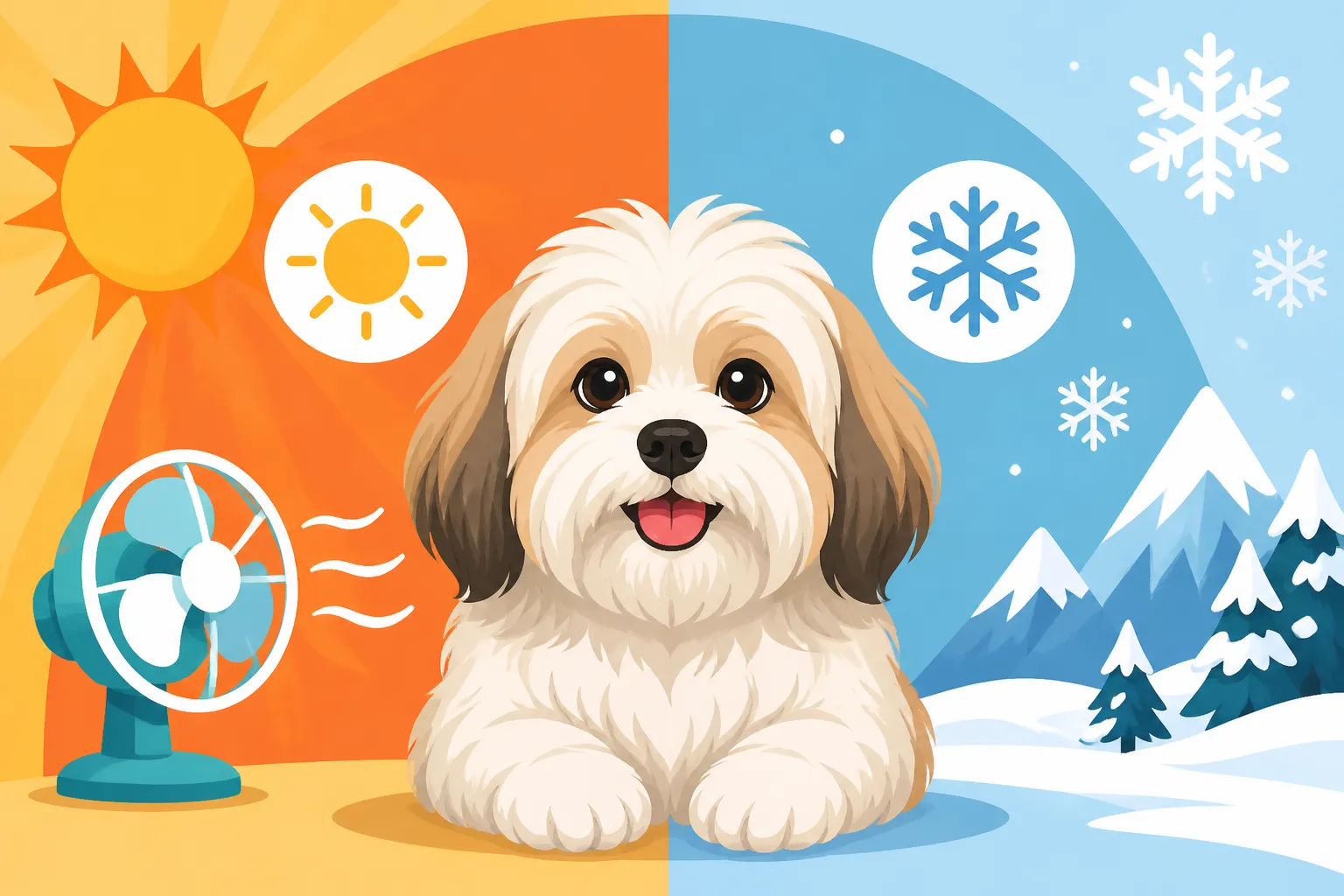
One of the biggest worries we Havanese parents face, especially when the seasons start to shift, is how our little fluffballs actually cope with the extremes of temperature. It's easy to look at that flowing, silky coat and wonder if it's a blessing or a curse when the thermometer dips below freezing or climbs into the sweltering heat. This guide is here to shed light on how our beloved Havanese handle both the chill of winter and the warmth of summer, offering practical advice to keep them safe, comfortable, and happy year-round.
Understanding the Havanese Coat and Its Insulation
The Havanese coat is truly a marvel, designed by nature over centuries to protect these dogs in their native Cuban climate. It's not just a pretty face; it's a sophisticated system for temperature regulation. However, understanding its specific properties is key to knowing how much protection it actually offers and where its limitations lie.
The Double Coat's Role
Unlike many breeds, the Havanese boasts a double coat, although it's not the thick, dense undercoat you might find on a husky or a malamute. Instead, it features a softer, downier undercoat beneath a longer, silkier outer coat. This unique combination acts as insulation, trapping air close to the body. In colder weather, this trapped air helps retain warmth, much like a layer of down in a winter jacket. In warmer climates, it can actually help to dissipate heat by creating an air barrier, preventing direct sun from heating the skin too quickly.
Many new Havanese owners are surprised by this, often associating double coats only with cold-weather breeds. But the Havanese coat is adapted for a tropical island climate, which experiences both warmth and humidity. The length and texture allow air to circulate while still providing protection from the sun's harsh rays and preventing direct exposure to environmental elements. It’s a finely tuned natural system, but it still has its limits, especially when we consider the dramatic temperature swings many areas experience.
Why the Havanese Doesn't Shed Extensively
One of the most appealing qualities of the Havanese coat is its minimal shedding. This is largely due to the specific growth cycle of their hair. Instead of shedding frequently like breeds with seasonal coats, Havanese hair grows continuously, much like human hair. This continuous growth, while wonderful for those of us with allergies or who prefer less dog hair around the house, means that the dead hair gets trapped within the coat rather than falling out. This is precisely why regular grooming and brushing are absolutely non-negotiable for a Havanese.
If this trapped hair isn't regularly brushed out, it quickly forms mats, which can be incredibly uncomfortable for your dog. Mats pull on the skin, can cause skin irritations, and significantly reduce the coat's ability to regulate temperature effectively. A matted coat loses its insulating properties, making your Havanese more susceptible to both cold and heat. It's a double-edged sword: low shedding is great, but it demands a commitment to consistent grooming to maintain the coat's health and functionality. The investment in a good slicker brush and comb is paramount.
Coat Texture and Insulation Efficiency
The Havanese coat is known for its silky texture, which can range from straight to wavy. This texture plays a role in its insulating efficiency. A silkier, wavier coat often provides better air circulation than a very dense, woolly one, which helps explain its suitability for a warmer climate. The hair itself is light and airy, designed to flow and move, which aids in preventing overheating. However, this also means it's not as robust a barrier against extreme cold as a thick, wiry, or dense undercoat found on other breeds.
Furthermore, the integrity of the coat's texture can be compromised by poor care or environmental factors. Damage from harsh products, excessive sun, or neglect can alter the hair shafts, reducing their ability to insulate. A well-nourished, healthy coat, kept free of mats and debris, is essential for optimal thermal regulation. So, while your Havanese might look like a fluffy cloud, remember that the quality of that fluff profoundly impacts their comfort and safety in varying temperatures. It’s a delicate balance of aesthetics and function.
Havanese and Cold Weather: Risks and Precautions
When the temperatures drop, our little Havanese can be quite vulnerable. Despite their lovely coats, they are small dogs and are not naturally equipped for extreme cold in the same way larger, northern breeds are. Owners often underestimate just how quickly a Havanese can become uncomfortably, and even dangerously, cold.
Hypothermia and Frostbite Concerns
Hypothermia occurs when a dog's body temperature drops dangerously low, and it's a serious risk for Havanese in cold weather. Their small body size means they lose heat more rapidly than larger dogs, and their comparatively thin coat, even with its double layer, isn't always enough to protect them when temperatures plummet, especially if they are wet or exposed to wind. Signs of hypothermia can start subtly, such as shivering, lethargy, or weakness, and can quickly escalate to more severe symptoms like muscle stiffness, shallow breathing, and even unconsciousness. It’s a frightening prospect for any dog owner.
Frostbite is another grave concern, primarily affecting extremities like paws, ears, and the tail. These areas have less insulation and are more exposed. Imagine your Havanese happily trotting through snow, their delicate paw pads coming into direct contact with icy surfaces. While they might love the novelty of snow for a few minutes, prolonged exposure can lead to severe tissue damage. The problem is, frostbite isn't always immediately obvious. The affected area might look pale or bluish, feel cold, and later, as it thaws, become red, swollen, and painful. In severe cases, it can lead to permanent damage or even necessitate amputation. This is why vigilance is crucial when taking your Havanese out in the cold. Whether a Havanese Needs a Coat in Winter delves deeper into practical solutions for keeping them warm.
Joint Pain in Colder Temperatures
Just like us humans, many dogs, especially as they get older, can experience increased joint pain and stiffness in colder weather. While Havanese are generally a healthy breed, they can be predisposed to certain joint issues, such as patellar luxation or Legg-Calve-Perthes disease. Cold temperatures can exacerbate the discomfort associated with these conditions. The drop in barometric pressure, combined with constricted blood vessels, can make joints feel achy and inflamed. You might notice your Havanese being less eager to jump, slower on their walks, or showing a slight limp they don't usually have.
For a Havanese already managing joint sensitivities, cold weather is more than just an inconvenience; it can significantly impact their quality of life. Ensuring they stay warm and don't overexert themselves in the cold becomes even more critical. Think about a senior Havanese with a bit of arthritis; a brisk winter walk could leave them stiff and sore for days. Providing a warm, comfortable bed away from drafts and limiting their time outdoors in freezing conditions can make a world of difference. You want to keep those little joints as limber as possible, which often means being extra cautious when the mercury drops. Arthritis in a Havanese at Twelve explores how to care for aging Havanese with joint issues.
Paw Protection in Winter
Those tiny Havanese paws, while adorable, are incredibly sensitive and vulnerable to winter elements. Snow, ice, and especially the salt and chemical de-icers used on sidewalks and roads can cause significant irritation, cracking, and even chemical burns. Imagine walking barefoot on a salted sidewalk in freezing temperatures – that's what your Havanese experiences. The pain and discomfort can be immense, leading to limping, licking their paws excessively, or refusing to walk altogether.
This is why paw protection isn't just a recommendation; it's a necessity in many winter environments. Dog booties are an excellent solution, providing a protective barrier against harsh surfaces, although getting a Havanese to tolerate them can sometimes be a humorous training challenge! Alternatively, paw balms and waxes, readily available on sites like Amazon, can offer a layer of protection and moisturize dry pads. After any outdoor excursion, it's vital to meticulously clean your Havanese's paws with warm water to remove any ice, snow, or chemical residue. Don't forget to check between their pads where ice balls can form and cause discomfort. Ignoring paw care in winter can lead to infections or painful injuries that could have been easily prevented.
Keeping Your Havanese Warm in Winter
Once you understand the risks, taking proactive steps to keep your Havanese warm and safe during the colder months becomes a top priority. It's not about bundling them up just for cuteness, but for genuine protection.
Appropriate Winter Apparel
Yes, those adorable dog sweaters and coats aren't just for fashion – they're essential for many Havanese in cold weather. Given their small size and relatively light double coat, a Havanese loses body heat quickly, especially when outside for more than a quick potty break. A well-fitting coat or sweater provides an extra layer of insulation, helping to retain their core body temperature. Look for apparel made from warm, water-resistant materials if they'll be out in snow or damp conditions. Ensure it covers their chest and belly, as these areas are particularly vulnerable to cold.
It's not about making them look like a fashion model, but about their comfort and safety. Consider their activity level and the specific temperature; a lightweight sweater might be enough for a crisp fall day, but a heavier, insulated coat is better for freezing winter outings. Even a quick trip to the mailbox can be chilling for a tiny Havanese. Remember, if you're feeling cold, chances are your Havanese is feeling it even more. You can find a vast array of choices on sites like Chewy, ensuring you pick the right fit and material for your furry friend.
Indoor Warming Strategies
While outdoor adventures require protective gear, keeping your Havanese warm and cozy indoors is just as important, especially if your home can get a bit chilly. Ensure their sleeping area is away from drafts, such as by doors or windows that might not be perfectly sealed. A warm, comfortable dog bed is crucial; consider one with raised sides or a cave-like design that allows them to burrow and retain their body heat. Heated dog beds, either electric or self-warming, can be a fantastic investment, particularly for older Havanese or those prone to joint pain.
Even when you're home, pay attention to the ambient temperature. If you keep your thermostat lower to save on heating costs, remember that your little Havanese might appreciate an extra blanket or a warm spot to curl up. They thrive on warmth and comfort, often seeking out sunny spots on the floor or snuggling under blankets on the couch. Providing these options allows them to self-regulate and find their ideal temperature. A soft, plush blanket from Amazon can turn any spot into a cozy haven for your Havanese.
Exercising Safely in the Cold
Exercise is vital for your Havanese year-round, but winter demands a strategic approach to ensure their safety. Short, frequent outings are generally better than one long walk in freezing temperatures. Keep an eye on the weather forecast for wind chill, which can make the "feels like" temperature much colder than the actual reading. Consider indoor play options like fetch in a long hallway, puzzle toys, or even learning new tricks to keep them mentally and physically stimulated without prolonged outdoor exposure. What a Havanese Needs Beyond a Walk offers more ideas for engaging your Havanese.
When you do venture outside, dress them in their winter gear, and keep walks brisk to maintain their body heat. Avoid off-leash areas with deep snow where they could get lost or become hypothermic quickly. Pay close attention to their behavior: if they start lifting their paws, shivering uncontrollably, or trying to turn back, it's time to head indoors immediately. Their tiny paws are particularly vulnerable to ice and snow, so booties or paw balm are highly recommended. A good quality harness is also safer in winter, preventing neck strain if they slip on ice, compared to a collar.
Havanese and Hot Weather: Risks and Precautions
Just as extreme cold poses dangers, hot weather can be equally, if not more, perilous for our Havanese. Their beautiful coat, which offers some sun protection, can also become a heat trap if not managed correctly, and their small size means they can overheat very rapidly.
Heatstroke and Dehydration Dangers
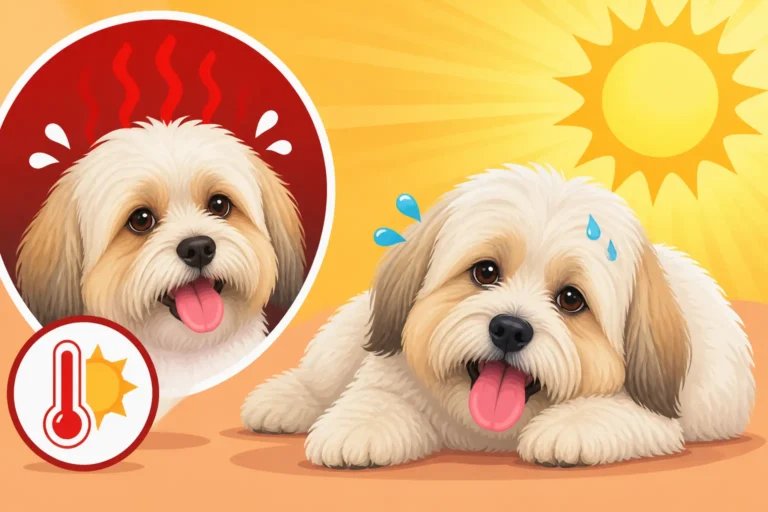
Heatstroke is a life-threatening emergency, and Havanese, despite their tropical ancestry, are not immune. Their relatively long coat, combined with their inability to sweat efficiently (dogs primarily cool themselves by panting), makes them susceptible, especially in humid conditions. When a dog overheats, their body temperature rises dangerously high, affecting their organs and potentially leading to organ failure, brain damage, or even death. Early signs include excessive panting, drooling, a rapid heart rate, and lethargy. As it progresses, you might see weakness, staggering, vomiting, diarrhea, or even seizures.
Dehydration often goes hand-in-hand with heatstroke and can compound its effects. Dogs lose fluid through panting, and if they don't replenish it adequately, they can quickly become dehydrated. Always ensure your Havanese has access to fresh, cool water, especially when it's warm. If you're out and about, carry a portable water bottle and bowl. Never, ever leave your Havanese in a parked car, even with the windows cracked, as temperatures can soar inside within minutes, turning a short errand into a deadly mistake. These little ones rely entirely on us to protect them from such dangers.
Sunburn on Exposed Skin
While the Havanese's long, flowing coat provides a natural barrier against the sun's rays, certain areas can still be vulnerable to sunburn, particularly if the coat is clipped very short, parted, or naturally thinner in some spots. Areas like the nose, ear tips, and areas with lighter or sparse fur are most at risk. Just like humans, dogs can get sunburn, which can be painful, lead to skin damage, and in severe, repeated cases, even increase the risk of skin cancer.
If your Havanese has a very short "puppy cut" for summer, or if their coat naturally parts, exposing the skin along their back, consider applying a pet-safe sunscreen to these areas if they'll be spending extended time outdoors during peak sun hours. Always consult your vet for recommendations on safe products. Remember, a Havanese's skin is delicate, and while their coat is their first line of defense, it isn't foolproof against intense UV radiation. Providing shade and limiting direct sun exposure are always the best preventative measures.
Exercise-Induced Collapse in Heat
While not as common in Havanese as in some other breeds, any dog can experience exercise-induced collapse or heat exhaustion if pushed too hard in hot conditions. This is particularly true for Havanese because of their smaller lung capacity compared to working breeds and their panting mechanism being the primary way they cool down. Even a seemingly moderate level of activity, like a vigorous game of fetch in the backyard, can be too much when the air is warm and humid.
The symptoms can mimic those of heatstroke in the early stages: excessive panting, wobbly gait, and general weakness. The difference is often that these symptoms appear specifically during or immediately after exercise in heat, and they might resolve relatively quickly if the dog is cooled down promptly. However, it's a clear warning sign that your Havanese is being overexerted. Adjust your exercise routine drastically during hot spells, opting for very early morning or late evening walks when temperatures are lower. Keep playtime gentle and short, focusing more on mental stimulation indoors than strenuous physical activity in the heat.
Keeping Your Havanese Cool in Summer
Proactive measures are just as crucial for summer as they are for winter. Keeping your Havanese cool and comfortable is vital for their health and well-being during the warmer months.
Creating a Cool Indoor Environment
When temperatures climb, your home becomes a sanctuary for your Havanese. Ensure they have access to cool, shaded areas, especially during the hottest parts of the day. Air conditioning is ideal, but if that's not available, consider fans to help circulate air. Placing frozen water bottles in front of a fan can create a makeshift "cooler." Close blinds or curtains on sun-facing windows to block direct sunlight and keep rooms cooler. A cool tile floor can be a favorite spot for your Havanese to sprawl out and lower their body temperature.
Beyond just ambient temperature, offer them cooling aids. Elevated dog beds, which allow air to circulate underneath, can be more comfortable than traditional beds directly on the floor. Cooling mats, which contain a gel that activates with pressure, can be a fantastic way for your Havanese to self-regulate their temperature. You can find these on sites like Chewy or Amazon. Remember, while their coat offers some protection, their comfort in rising temperatures often comes down to the environment we provide for them indoors.
Safe Outdoor Activities in Summer
Summer means longer days and more opportunities for outdoor fun, but for a Havanese, it also means being smart about when and how they play outside. Limit outdoor activities to the coolest parts of the day – early mornings or late evenings. Avoid walking them on hot asphalt or pavement, which can quickly burn their delicate paw pads; if you can't comfortably hold your hand on the surface for five seconds, it's too hot for their paws. Opt for grassy areas or shaded trails instead.
Keep play sessions short and gentle. A quick potty break, a leisurely stroll in the shade, or a calm game in a cooler part of the yard are preferable to strenuous fetch or running around. If you have a kiddie pool, a shallow splash can be a fun way for some Havanese to cool off, but always supervise them closely. Remember to bring water and a collapsible bowl whenever you leave the house. How Far a Havanese Should Walk Daily offers advice on appropriate exercise levels. Their zest for life can make them push their limits, so it's up to us to enforce safe boundaries.
Hydration Tactics
Consistent hydration is paramount for your Havanese in warm weather. Always have fresh, cool water readily available. Consider adding a second water bowl in another room, or using a water fountain, which can entice some dogs to drink more due to the circulating water. Changing the water frequently ensures it stays cool and appealing. If your Havanese isn't a big drinker, try adding a few ice cubes to their bowl, or even making plain, unsalted chicken or beef broth ice cubes as special, hydrating treats.
For longer outings, a portable water bottle with an attached dispenser cup is an absolute must. Brands like Ollie offer some hydrating fresh food options that can contribute to overall moisture intake, but nothing replaces good old fresh water. Offering them moist treats or wet food can also boost their fluid intake. Pay attention to how much they're drinking, and if you notice a significant decrease or increase, it's worth a quick check-in with your vet. Proper hydration is a simple yet critical component of heat safety for your Havanese.
Recognizing and Addressing Temperature-Related Stress
One of the most important skills a Havanese owner can develop is the ability to recognize when their dog is too hot or too cold. Our furry friends can't tell us in words, so we need to be attuned to their body language and physical signs. Early detection can prevent discomfort from escalating into a dangerous situation.
Signs of Being Too Cold
Spotting the signs that your Havanese is too cold can be subtle at first, but knowing what to look for is crucial. The most obvious sign is shivering or trembling, often accompanied by a hunched posture or tucking their tail tightly. Their ears and paws might feel unusually cold to the touch. They might also appear restless, trying to find a warmer spot, or conversely, become very lethargic and slow to respond.
If your Havanese is experiencing mild hypothermia, they might whine, act anxious, or try to climb into your lap or under blankets more than usual. As their body temperature drops further, their movements can become stiff and uncoordinated, their breathing may slow, and their gums might appear pale or bluish. If you observe any of these severe signs, it's an emergency. Immediately bring them to a warm place, wrap them in blankets, and if possible, use warm (not hot) water bottles wrapped in towels against their body. Call your veterinarian immediately for guidance, as professional intervention might be necessary. Never rub their skin or try to warm them too quickly.
Signs of Being Too Hot
Recognizing when your Havanese is overheating is equally critical. The earliest and most common sign is excessive panting, which will be much heavier and faster than usual. They might also drool excessively, have bright red gums or tongue, and appear restless or agitated, trying to find a cool spot. Their eyes might look glazed over, and their skin might feel hot to the touch.
As overheating progresses towards heatstroke, the symptoms become more severe. You might notice weakness, dizziness, stumbling, or even collapsing. Vomiting and diarrhea can occur, and in extreme cases, seizures. If you suspect your Havanese is overheating, act quickly. Get them into a cool, shaded area immediately. Offer small amounts of cool (not ice-cold) water. You can also gently wet their body, especially their paws, ears, and belly, with cool water, or place cool, damp towels over them. Do not use ice-cold water, as this can cause blood vessels to constrict and actually hinder cooling. Get them to a vet as soon as possible, even if they seem to improve, as internal damage may not be immediately apparent.
When to Seek Veterinary Help
Knowing when to call the vet isn't always easy, but when it comes to temperature-related stress, it's always better to err on the side of caution. If your Havanese is exhibiting any severe symptoms of hypothermia (such as unresponsiveness, extreme lethargy, or blue gums) or heatstroke (like collapse, seizures, persistent vomiting/diarrhea, or loss of consciousness), do not hesitate. This is a medical emergency, and rapid veterinary attention can be life-saving. Even if the symptoms seem to improve after your first aid efforts, a vet visit is still highly recommended to check for any underlying issues or internal damage that might have occurred.
For less severe but persistent symptoms, such as prolonged shivering after coming indoors, or unusual panting that doesn't subside quickly after cooling down, a call to your vet for advice is a good idea. They can assess the situation over the phone and determine if an office visit is warranted. Always provide as much detail as possible about the conditions, your Havanese's symptoms, and any first aid you've administered. It's a testament to responsible pet ownership to know when your comfort measures aren't enough and professional help is needed.
Seasonal Grooming Adjustments for Your Havanese
The Havanese coat is a defining feature of the breed, but its management needs to adapt with the seasons. How you groom your Havanese can significantly impact their ability to cope with both heat and cold. It's not a "one-size-fits-all" approach year-round.
The Debate Over Summer Shaves
This is a hot topic (pun intended!) among Havanese owners. Many believe that shaving a Havanese for summer will keep them cooler. While a very short "puppy cut" certainly reduces the bulk and makes grooming easier, a complete shave to the skin is generally not recommended. A Havanese's double coat, even though it's light, provides a layer of insulation that helps protect against both heat and cold. Shaving it too short can actually expose their delicate skin to sunburn and make them more susceptible to overheating because they lose that protective barrier. It's like removing the insulation from your house.
Instead of a full shave, most groomers recommend leaving at least an inch or two of coat length for summer. This length still offers protection from the sun's UV rays and allows for some air circulation. It's a balancing act: shorter enough to be more manageable and feel lighter, but long enough to still provide natural defense. If you opt for a shorter clip, ensure you're diligent about providing shade and avoiding peak sun hours to prevent sunburn. Whether a Puppy Cut Suits a Havanese offers a deeper dive into this popular summer style.
Maintaining a Long Coat in Extreme Temperatures
For those who choose to keep their Havanese in a longer, show-style coat, management in extreme temperatures becomes even more critical. In winter, a long, well-maintained coat offers superior insulation. However, if it gets wet and stays wet, it can quickly lead to chilling and hypothermia. So, ensure they are thoroughly dried after walks in snow or rain. In summer, the long coat, when clean and tangle-free, can still provide excellent sun protection and allow air to circulate, acting like a natural air conditioner. But a matted, dirty long coat becomes a heat trap.
The key to a long coat's effectiveness in any season is meticulous grooming. Daily brushing and combing are non-negotiable to prevent mats, which can impede air circulation and trap moisture. Regular bathing with appropriate shampoo and conditioner, followed by thorough drying, keeps the coat clean and light. How Long Brushing a Havanese Takes Daily highlights the commitment required. A healthy, flowing coat is a functional coat, allowing the Havanese to adapt better to environmental changes. Without proper care, even the most beautiful coat can become a detriment.
Foot and Sanitary Trims
Regardless of overall coat length, regular foot and sanitary trims are crucial for your Havanese's comfort and hygiene in all seasons, but especially in extremes. In winter, keeping the hair between their paw pads trimmed short helps prevent ice balls, snow, and de-icing chemicals from accumulating and causing discomfort or injury. Excess hair can also reduce traction on slippery surfaces.
For both hot and cold weather, a clean sanitary area is essential. Trimming the hair around the anus and genitals prevents waste from sticking, which not only improves hygiene but also reduces the risk of skin irritation and infection. In summer, this also helps keep these sensitive areas cleaner and less prone to trapping heat and moisture, which can lead to hot spots. A professional groomer can perform these trims quickly and safely, or you can learn to do them yourself with caution and the right tools. It's a small detail that makes a big difference in your Havanese's overall comfort and health.
Diet and Hydration: Essential for Temperature Regulation
Beyond their coat and environmental controls, what you feed your Havanese and how you manage their hydration plays a significant, though often overlooked, role in their ability to regulate body temperature.
Adjusting Calorie Intake for Seasons
The amount of energy your Havanese expends can vary considerably between seasons, and their diet should reflect this. In colder months, dogs often burn more calories just to maintain their body temperature, especially if they spend more time outdoors. If your Havanese is active even in winter, they might benefit from a slight increase in their calorie intake to support this higher energy demand. However, if winter means more indoor lounging for your dog, maintaining their usual diet or even a slight reduction might be necessary to prevent unwanted weight gain, as obesity can hinder temperature regulation and exacerbate joint issues.
Conversely, in summer, with less strenuous outdoor activity due to heat, their caloric needs might decrease. Overfeeding during hot weather can put extra strain on their system and lead to weight gain, which is detrimental to overall health. It's important to monitor your Havanese's body condition and adjust their food portions as needed, always opting for high-quality dog food. Brands like Ollie provide fresh, nutritious meals that can be easily portioned to suit seasonal needs. Regular weigh-ins and a conversation with your vet can help ensure your Havanese maintains a healthy weight year-round. Keeping a Havanese From Getting Heavy offers more insights into managing their weight.
Importance of Constant Fresh Water
This cannot be stressed enough: constant access to fresh, clean water is absolutely vital for your Havanese, regardless of the season, but especially during temperature extremes. Water is essential for countless bodily functions, including regulating body temperature. In hot weather, it helps them cool down through panting and prevents dehydration. In cold weather, proper hydration supports circulation and overall metabolic function, helping their body run efficiently to stay warm.
Always ensure water bowls are full, clean, and easily accessible. Consider having multiple water bowls around the house, especially if your Havanese has limited mobility. During outdoor excursions, a portable water bottle and bowl are non-negotiable. If you notice your Havanese is drinking significantly more or less than usual, it could be a sign of a health issue and warrants a vet visit. Never restrict water intake, even for house-training purposes, as it can be dangerous. Water is life, and for our Havanese, it's a primary defense against temperature-related stress.
Supplements for Coat and Skin Health
A healthy coat and skin are fundamental to effective temperature regulation for a Havanese. A dry, flaky coat or irritated skin can compromise the coat's insulating properties and make your dog more uncomfortable in any temperature. Supplements, particularly those rich in Omega-3 and Omega-6 fatty acids, can significantly improve skin hydration and coat quality. These essential fatty acids contribute to a shiny, healthy coat and can reduce dryness and itchiness, creating a stronger barrier against environmental elements.
Consult with your veterinarian before adding any supplements to your Havanese's diet. They can recommend specific products or advise on appropriate dosages. You might find reputable brands offering these supplements on sites like Chewy or Amazon. Beyond supplements, ensuring your Havanese is on a balanced, high-quality diet provides the foundational nutrients for healthy skin and coat. Remember, a healthy coat is more than just aesthetics; it's a vital part of your Havanese's natural defense system against the elements. Skin Trouble Under a Havanese Coat discusses managing various skin conditions in the breed.
Managing Environmental Factors Beyond Temperature
While the mercury on the thermometer is a primary concern, other environmental factors work in conjunction with temperature to impact your Havanese's comfort and safety. Ignoring these can lead to complications even in moderate temperatures.
Humidity and Wind Chill
Humidity, especially in combination with high temperatures, can make it much harder for your Havanese to cool down. Dogs cool themselves primarily through panting, which works by evaporating moisture from their respiratory tract. When the air is already saturated with moisture (high humidity), this evaporative cooling process becomes much less efficient. This means a warm, humid day can be far more dangerous than a hot, dry day, even if the thermometer reads the same. Always consider the "feels like" temperature for your Havanese, taking humidity into account.
Similarly, in colder weather, wind chill is a significant factor. Wind can strip away the insulating layer of warm air trapped within your Havanese's coat, making them feel much colder than the actual air temperature suggests. A seemingly mild winter day can become dangerously cold for a small Havanese if there's a biting wind. On windy days, keep outdoor exposure brief, and ensure your Havanese has protective clothing that acts as a windbreak. Understanding these additional factors helps you make more informed decisions about your Havanese's time outdoors.
Rain, Snow, and Wet Coats
Getting wet, whether from rain or snow, dramatically reduces the insulating properties of your Havanese's coat. A wet coat, even a double one, can quickly become a conduit for heat loss, leading to rapid chilling and a higher risk of hypothermia in cold weather. In chilly temperatures, a damp Havanese will feel colder faster than a dry one. Likewise, a soaking wet coat in warm weather can actually trap moisture against the skin, leading to skin irritation or hot spots if not dried properly.
After any outdoor adventure in wet conditions, it's crucial to thoroughly dry your Havanese. Use absorbent towels, and if your dog tolerates it, a pet-specific force dryer can quickly and efficiently remove moisture from their thick coat. Pay special attention to the belly, armpits, and under the ears. If your Havanese's coat remains damp, it not only contributes to cold but also creates a breeding ground for yeast and bacteria, leading to skin issues. So, a good towel and drying routine are essential for their health and comfort. How Long a Corded Havanese Takes to Dry offers more specific drying advice.
Indoor Air Quality and Circulation
It's not just about heating and cooling; the quality of the air your Havanese breathes indoors also plays a role in their overall well-being, especially when doors and windows are often closed during extreme temperatures. Stale air, dust, and allergens can exacerbate respiratory issues or allergies in some Havanese, making them generally less resilient to environmental stressors. Good air circulation, even if it's just from an open window on a mild day, can refresh the indoor environment.
During winter, indoor heating can significantly dry out the air, which can lead to dry, itchy skin for your Havanese, as well as dry nasal passages. Running a humidifier, especially in their main living or sleeping area, can add much-needed moisture back into the air, benefiting both their skin and respiratory system. Conversely, in summer, keeping the air clean and circulated helps prevent stuffiness and maintains overall comfort. Creating a comfortable indoor climate isn't just about temperature, but about the complete atmospheric experience for your furry companion.
Adapting Activities and Routines for Comfort
As pet parents, our routines often revolve around our dogs. When it comes to temperature extremes, being flexible and willing to adapt your Havanese's schedule and activities is paramount to their safety and happiness.
Adjusting Walk Schedules
This is perhaps the most significant routine adjustment for most Havanese owners. In summer, forget those midday strolls. The pavement is scorching, and the air is heavy. Instead, shift walks to the very early morning hours, as the sun is just rising, or late in the evening once the heat has dissipated. Even then, keep them shorter and stick to shaded, grassy areas. In winter, you'll also want to avoid the coldest parts of the day, which are usually early morning and late night. Opt for mid-day walks when the sun is highest, and temperatures are slightly milder.
Be prepared to shorten walks significantly or even skip them entirely if conditions are too severe. A quick potty break might be all your Havanese can handle. It’s better to miss a walk than to risk heatstroke or frostbite. Supplement outdoor exercise with indoor play, mental games, or training sessions. Your Havanese is adaptable and will appreciate your thoughtfulness in protecting them from the elements. A change in the walk schedule doesn't mean a lack of activity; it just means being creative with how and when you get that exercise in.
Indoor Play and Mental Stimulation
When outdoor conditions are prohibitive, shifting focus to indoor activities becomes essential. Havanese are intelligent dogs and thrive on mental stimulation. Puzzle toys, where they have to figure out how to get a treat, can keep them engaged for extended periods. Learning new tricks or practicing existing ones, even simple ones like "spin" or "bow," provides a great mental workout. Teaching a Havanese Tricks It Will Perform All Day offers a wealth of ideas for indoor training.
Indoor games like hide-and-seek (with you or a favorite toy) can be a blast for your Havanese. Setting up a mini agility course with household items can also provide physical activity in a safe, temperature-controlled environment. Remember, a tired mind can be just as satisfying as a tired body for a Havanese. Keeping them mentally active prevents boredom, which can sometimes lead to destructive behaviors, and ensures they're still getting the enrichment they need even when the weather outside is frightful (or delightful, but too hot).
Travel and Car Safety
Traveling with your Havanese during extreme weather requires extra planning and caution. If you're going on a road trip in summer, ensure your car's air conditioning is functioning well. Plan frequent stops for water and potty breaks in shaded areas. Never leave your Havanese unattended in a vehicle, even for a moment, as car interiors can rapidly become ovens or freezers, depending on the season. If you need to enter a store, one person stays with the dog or you reconsider the trip.
In winter, ensure your car is adequately heated before placing your Havanese inside. Use a warm blanket in their carrier or car seat for extra coziness. When flying, especially during periods of extreme heat or cold, be aware of airline restrictions and potential embargoes on pet travel in cargo due to temperature concerns. If your Havanese is flying in the cabin with you (which many small Havanese can do), remember that the cabin temperature might fluctuate, so be prepared with a blanket or cooling mat as needed. Flying, Carrying and Traveling With a Havanese provides detailed advice for travel.
A Comparative Look at Seasonal Care Needs
To help visualize the different approaches needed for your Havanese throughout the year, here's a quick comparison of general care priorities between summer and winter.
| Aspect of Care | Summer Priorities | Winter Priorities |
|---|---|---|
| Grooming | Shorter clips (not shaved), regular brushing, paw pad trims, sanitary trims. Sun protection. | Longer clips for insulation, thorough drying, paw pad trims to prevent ice balls. |
| Hydration | Constant fresh, cool water. Multiple bowls. Consider ice cubes, moist treats. | Constant fresh water. Check for frozen bowls outdoors. |
| Exercise | Early morning/late evening. Short, gentle walks. Avoid hot pavement. Indoor play. | Mid-day walks. Shorter duration. Protective apparel. Indoor play/mental stimulation. |
| Apparel | Light-colored bandanas for sun protection (optional). No heavy clothing. | Sweaters/coats, booties for paws. Ensure they cover chest/belly. |
| Environment | A/C, fans, shade, cooling mats. Never leave in hot car. | Warm, draft-free beds. Heated beds. Avoid cold floors. Never leave in cold car. |
| Diet | Potentially slightly reduced calories if less active. Maintain lean body weight. | Potentially slightly increased calories if very active. Maintain lean body weight. |
| Health Checks | Watch for signs of heatstroke, sunburn, dehydration. | Watch for signs of hypothermia, frostbite, joint pain. |
| Paw Care | Check for burns from hot surfaces. | Booties, paw balm, clean paws of salt/ice after walks. |
This table provides a snapshot, but remember that individual Havanese may have unique needs based on age, health, and activity level. Always observe your own dog closely and adjust accordingly.
Conclusion
Our charming Havanese companions bring so much joy into our lives, and part of being a responsible Havanese parent is ensuring their comfort and safety through all seasons. Their beautiful, flowing coat is a fantastic natural adaptation, but it doesn't make them invincible to the elements. From the biting chill of winter winds to the oppressive heat of summer afternoons, understanding their vulnerabilities and taking proactive steps is key.
Whether it's choosing the right winter coat, finding indoor games for a sweltering day, or simply knowing the subtle signs that they're too hot or too cold, our vigilance makes all the difference. By making thoughtful adjustments to their grooming, diet, exercise routines, and living environment, we can help our Havanese not just cope, but truly thrive, no matter what the weather brings. Your Havanese relies on you to be their advocate and protector, and with a little knowledge and care, you can ensure they lead a happy, healthy life year-round.
Disclaimer
This article is for general informational purposes only and does not constitute professional advice. Laws, prices and regulations vary by location and change over time. Consult a qualified professional for guidance on your specific situation.