Whether a Havanese Is Less Work Than a Cockapoo
A Havanese may be easier to predict than a Cockapoo, but that does not automatically make it less work. Both can need frequent coat care, patient training, daily company, and regular exercise. The difference often comes down to what you find hardest: brushing and grooming, managing energy, or coping with a dog whose adult coat and temperament are less predictable.
The short answer depends on what you mean by work
Havanese and Cockapoo care at a glance
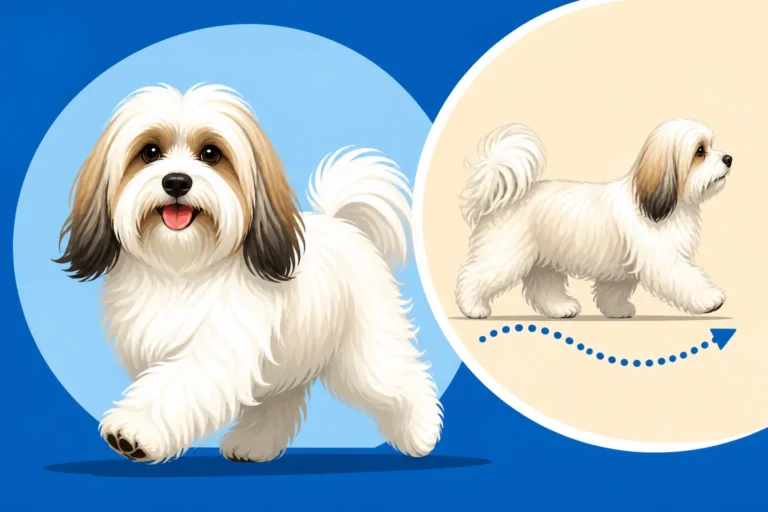
Neither breed is a low-maintenance choice in every sense. A Havanese is generally a small companion dog with a long coat and a strong interest in staying near people. A Cockapoo is a Cocker Spaniel and Poodle cross, so its size, coat, and activity needs can vary according to its parents and inherited traits.
That variability matters in daily life. One Cockapoo may have a coat that tangles readily and needs frequent professional grooming; another may have a different texture and shedding pattern. Havanese coats vary too, but with an individual dog’s coat and routine in view, you can usually build a more consistent grooming plan.
| Area of care | Havanese | Cockapoo |
|---|---|---|
| Coat care | Regular brushing is important, especially for a longer coat | Coat texture varies; curls and waves can tangle and mat |
| Professional grooming | Often needed if you want to keep the coat clipped or neatly maintained | Often needed, with needs depending on coat type and style |
| Exercise | Daily walks and play, adjusted to the dog | Daily activity; some inherit a more energetic spaniel-style drive |
| Training | Usually responsive, but house-training and alone-time practice take patience | Often bright and trainable, but energy and focus vary |
| Predictability | Breed characteristics are relatively consistent, though individuals differ | More variation in size, coat, and temperament |
| Company | Often strongly people-oriented and may struggle with long periods alone | Attachment needs vary, but many are also social companion dogs |
So, a Havanese may feel like less work if you value a fairly predictable small companion and are prepared to brush its coat. A Cockapoo may suit you better if you enjoy active training and can adapt to a dog whose coat and energy needs are harder to forecast before adulthood.
The kind of work you notice most
Grooming is often the first practical difference owners notice. A Havanese with a long coat needs regular, thorough brushing, not just a quick pass over the top. A Cockapoo can also need consistent brushing, particularly if its coat is curly or dense. Either dog can become uncomfortable when tangles tighten into mats, so skipping care for several days can turn a manageable routine into a frustrating one.
Daily companionship is another major consideration. Havanese are known as people-focused dogs, and many want to follow their family from room to room. Cockapoos can be similarly devoted. Neither should be chosen on the assumption that a small or “easygoing” dog will automatically be content alone for a full workday. If you are comparing breeds, think about who will be home, how the dog will be exercised, and how you will teach it to settle on its own.
For a broader look at the responsibilities that are easy to underestimate, see Whether a Havanese Is More Work Than It Looks. The answer is rarely just “which one needs fewer walks?” It is also “which daily routine can I keep up with when I am tired, busy, or away from home?”
Coat care is a major part of the comparison
What brushing looks like in real life
A long-coated Havanese needs brushing down to the skin, with extra attention to places where friction encourages tangles: behind the ears, beneath a harness, around the legs, and under the tail. A surface brush can make the top look tidy while leaving knots underneath. Working in small sections, checking with a comb, and keeping the coat dry and clean help make brushing more effective.
Cockapoo coat care can be less predictable because the cross may inherit different combinations of Cocker Spaniel and Poodle coat traits. Curly or wavy hair can trap loose hairs and form mats, while a softer coat may tangle in different places. The puppy’s coat is not always a reliable guide to the mature coat, so prospective owners should ask about the parents and be prepared for the coat to change as the dog grows.
In either case, the least stressful approach is to make grooming ordinary early on. Short, positive sessions can help a puppy learn that brushing, handling paws, and checking ears are routine rather than a wrestling match. If you are new to Havanese coat care, How Often a Havanese Must Be Brushed explains why regular maintenance is easier than trying to undo a week’s worth of knots at once.
Grooming appointments and coat choices
A shorter trim can make home brushing simpler, but it does not remove the need for routine coat care. Hair still grows, ears and feet still need checking, and some coats can mat even when kept short. Before choosing a dog, ask local groomers what they commonly do for that coat type and how often they recommend appointments. A quick call can reveal whether the grooming routine fits your schedule and budget.
Both breeds may need professional grooming if you want a neat, maintained appearance. With a Cockapoo, coat texture can influence how long and involved appointments are. With a Havanese, coat length and condition make a difference. A dog that arrives with tight mats may need a shorter cut for comfort rather than the style its owner had in mind, so brushing at home is not merely cosmetic.
For home supplies, owners sometimes use Chewy to find basics such as a suitable comb, gentle detangling products, or replacement brushes. The important part is choosing tools appropriate for your dog’s coat and learning how to use them without scraping or pulling the skin. A groomer can show you how to section the coat and identify trouble spots.
If the idea of a floor-length coat already sounds tiring, consider whether you would be happy with a shorter style and a regular upkeep routine. The Puppy Cut Most Havanese Owners End Up Choosing gives context on why many owners choose a practical clip rather than maintaining a long show-style coat.
Exercise, training, and time alone
Energy and daily activity
A Havanese usually needs daily walks, play, and chances to sniff and explore, but it is not a miniature dog that should be expected to entertain itself all day. Indoor games, short training sessions, and a walk suited to the individual dog can provide useful activity. Exercise needs vary with age, health, and personality, so a young, bouncy Havanese may need more engagement than an older dog.
Cockapoos can have a wider range of activity levels. Some are content with a moderate routine; others inherit a lively, busy temperament and enjoy longer walks, fetch, scent games, or structured training. A dog that seems manageable as a puppy may become a more energetic adolescent, and under-stimulation can show up as barking, chewing, or constant demands for attention.
If you prefer a compact routine built around walks and companionable play, a Havanese may be easier to fit into your day. If you want a dog for more active outings and you have time to teach good manners, a Cockapoo may be a rewarding match. Either way, avoid choosing based only on a puppy’s quiet behavior during a short visit.
Training and being left alone
Both breeds are intelligent, and that can make training enjoyable—but intelligence does not mean automatic obedience. Puppies need consistent house-training, socialization, and practice with everyday skills. Small dogs may need especially patient house-training routines because they can be overlooked when they are due to go outside. A predictable schedule and generous praise are more useful than scolding after an accident.
Alone-time training matters for either breed. Start with very short departures, return before the dog becomes distressed, and gradually build the time as it learns to settle. A dog that shadows you around the kitchen or waits outside the bathroom may be charming, but that closeness can make departures harder if independence is never practiced. Consider arranging a midday visit or other support if your household is away for long stretches.
Many owners use Chewy to pick up food puzzles, chew items, or other enrichment supplies, but the object itself is not a substitute for gradual training or human companionship. Check that any toy is suitable for the dog’s size and chewing style, and supervise new items. For more on the Havanese’s close attachment to its family, read Why a Havanese Follows You Into Every Room.
Choosing the dog whose workload fits your home
Predictability versus individual variation
A Havanese may be the more predictable option if you want a small companion with a recognizable set of breed tendencies. That still does not guarantee a particular coat texture, activity level, or personality. Responsible breeders can discuss health and temperament in their lines, while meeting adult relatives may help you picture the kind of dog you are likely to bring home.
A Cockapoo’s range can make choosing more complicated. The term describes a cross rather than one uniform breed standard, and puppies in the same litter can differ. Ask how the breeder describes the parent dogs’ temperaments and coats, what grooming the adult dogs receive, and what support is offered if the puppy’s needs differ from your expectations. Be cautious of promises that a particular coat will never shed or will require almost no grooming.
Think about the specific chores you are willing to repeat. If you enjoy brushing and want a compact, people-oriented companion, the Havanese workload may feel manageable. If you would rather spend time on outdoor activity and training—and are comfortable with coat uncertainty—the Cockapoo may suit you. For another useful perspective on selecting a household fit, see Whether a Havanese Suits a First Time Dog Owner.
A practical decision checklist
Before you decide, picture an ordinary week rather than an ideal one. Would you brush the dog when you have had a long day? Can you schedule grooming appointments and keep up with coat care between them? Who will handle walks and bathroom breaks if work runs late? How will the dog spend time when the household is busy?
It can help to write down the routine you can realistically offer:
- Coat care: Decide how often you can brush and whether you want to maintain a longer coat or keep it clipped.
- Daily activity: Plan for walks, play, and training that match the dog’s age and energy.
- Time alone: Arrange gradual alone-time practice and a backup plan for long days.
- Ongoing supplies: Budget for food, grooming tools, safe enrichment, and professional care as needed.
- Support: Identify a veterinarian, groomer, and trusted helper before you bring a puppy home.
Chewy can be one place to browse routine supplies, but product choices should follow your dog’s actual needs rather than a generic breed checklist. For instance, the brush that works for one Cockapoo’s curls may not suit another dog’s coat, and a Havanese’s brushing routine may change as its puppy coat matures. Ask a groomer or veterinarian when you are unsure what is appropriate.
If you are leaning toward a Havanese, The Household a Havanese Was Bred For can help you consider its companion-dog background and people-oriented nature. If your main concern is coat upkeep, Whether a Havanese Coat Gets Harder to Manage offers another useful angle. And for day-to-day activity expectations, How Much Exercise a Havanese Needs can help you think beyond the number of walks.
Disclaimer
This article is for general informational purposes only and does not constitute professional advice. Laws, prices and regulations vary by location and change over time. Consult a qualified professional for guidance on your specific situation.