How Many Weeks Between Baths a Havanese Can Go
It’s a dilemma every Havanese parent faces: how often should you actually bathe your fluffy companion? On one hand, you want that beautiful coat to be clean and fresh, smelling sweet and feeling soft. On the other, you've heard that too much bathing can strip their natural oils, dry out their skin, or worse, lead to a matting nightmare. Finding that perfect balance can feel like walking a tightrope, but understanding your Havanese’s unique needs and coat type will help you develop a routine that keeps them looking and feeling their best without causing unnecessary stress or coat damage.
Understanding the Havanese Coat and Why Bathing Matters
The Havanese is known for its luxurious, flowing coat, a hallmark of the breed that makes them incredibly beautiful but also demands specific care. It's not just about aesthetics; the coat's health directly impacts your dog's comfort and well-being.
The Unique Silky Double Coat
Unlike many breeds, the Havanese boasts a unique double coat that is surprisingly soft and silky, feeling more like human hair than coarse dog fur. It consists of a softer undercoat and a longer, often wavy, outer coat. This combination is designed to protect them from the elements, but it's also a magnet for dirt, debris, and, yes, mats. You might think because it's soft, it wouldn't be prone to matting, but that silky texture actually tangles quite easily. This is why regular grooming, including bathing, is so incredibly important. A clean coat is a healthy coat, allowing the skin underneath to breathe and function properly. You can learn more about the specifics of this gorgeous fur by reading The Silky Double Coat a Havanese Grows to the Floor.
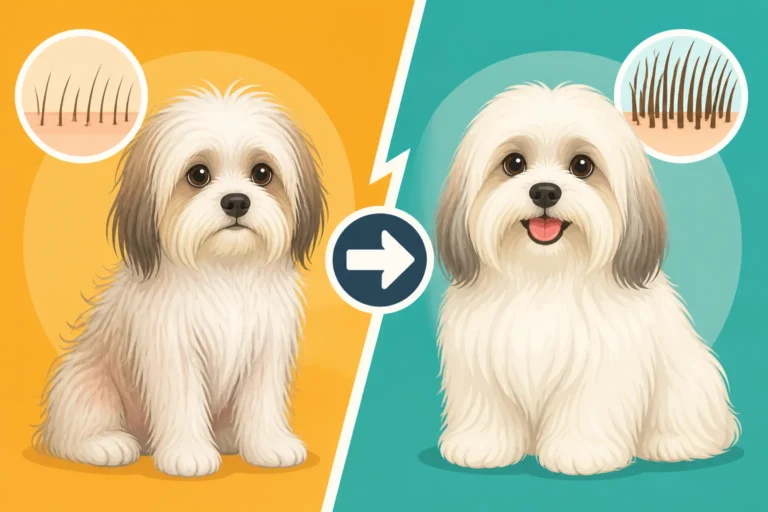
The structure of this coat also means that it doesn't shed in the same way many other breeds do. Instead, loose hairs tend to get caught within the existing coat, which, if not brushed out, quickly leads to knots and mats. Imagine trying to comb through tangled human hair that hasn't been washed or brushed in weeks – it’s a similar, albeit more challenging, situation for your Havanese. A well-maintained coat, kept clean and free of excessive build-up, is much easier to brush and less likely to form those dreaded, tight mats that can be painful and even lead to skin issues.
Why Matting is a Constant Battle
Matting is a Havanese owner's arch-nemesis, and it can become a battleground if not addressed proactively. These mats don't just happen overnight; they form when loose hair, dirt, and moisture become intertwined, creating dense clumps that pull on the skin. This is especially prevalent in areas where there's friction, like behind the ears, under the armpits, around the collar, and on the legs. A dirty coat often mats faster because dirt particles provide a grip for hairs to bind together. When you bath a Havanese with existing mats, those mats will only tighten, becoming almost impossible to remove without professional intervention or, worst case, shaving.
The coat change from puppy to adult, typically around eight to twelve months, is a prime time for matting, often catching new owners by surprise. One day their puppy's soft fluff is manageable, and the next, it's a matted mess. This "blowing coat" period is when the denser adult coat starts to come in, intertwining with the shedding puppy fur. This phenomenon is often experienced intensely, so understanding Why a Havanese Mats at Eight Months and Not Before is crucial. Regular bathing and meticulous brushing during this phase can make a huge difference, helping to remove the dead puppy coat and prevent it from forming painful mats. It's a commitment, but one that ensures your Havanese remains comfortable and keeps their beautiful coat intact.
Factors Influencing Your Havanese's Bath Schedule
While there isn't a single, universally correct answer to how often a Havanese should be bathed, a good general guideline is every 2 to 4 weeks. However, this range is heavily influenced by several important factors unique to your dog and your household. Ignoring these factors can lead to either an overly dry coat and skin or a perpetually dirty, matted mess.
Lifestyle and Activity Level
Your Havanese's daily activities play a massive role in how quickly their coat gets dirty. A Havanese that spends most of its time indoors, enjoying leisurely strolls around the block on paved paths, will naturally stay cleaner longer than one who loves to roll in the mud, dig in the garden, or romp through tall grass at the dog park.
Think about it: if your Havanese is an outdoor adventurer, prone to discovering every puddle and mud patch, or enjoys exploring the brush on nature trails, they’re going to accumulate dirt, pollen, and debris much faster. This isn't just about surface grime; it's about particles getting deep into their double coat, which can lead to skin irritation or matting if not washed out. Conversely, a Havanese with a more sedate, indoor lifestyle will likely need less frequent full baths, perhaps leaning towards the 3-4 week mark, with regular spot cleaning in between. We all know the joy of seeing our Havanese zoom around the yard, but we also know that means a potential date with the tub soon after!
Coat Length and Type
The length and texture of your Havanese's coat are significant determinants of bathing frequency. A Havanese kept in a long, flowing show coat, especially one that grazes the floor, will require much more frequent and meticulous bathing than one sporting a cute "puppy cut" or a shorter, more practical clip. Long coats act like mops, picking up everything in their path. Dirt, dust, food particles, and even urine splashes can cling to a long coat, necessitating more regular washes to prevent staining and matting.
Furthermore, while the Havanese coat is generally silky, there can be subtle variations in texture. Some Havanese might have a slightly wavier or denser coat, which can be more prone to tangling and may benefit from more frequent bathing to keep it smooth and manageable. If you opt for a shorter, easier-to-maintain clip, like a popular "puppy cut," your bathing frequency can often be stretched out a bit more, as there's simply less hair to get dirty and tangle. This is why many owners choose the convenience of a shorter clip; you can read more about it in Whether a Puppy Cut Suits a Havanese. A shorter coat still needs regular bathing, but the window between washes might be a little wider.
Skin Health and Allergies
Your Havanese's skin health is paramount and directly impacts bathing needs. Dogs with sensitive skin, allergies, or certain dermatological conditions may require a specialized bathing schedule and specific shampoos. For instance, a Havanese prone to skin allergies might benefit from more frequent baths (sometimes even weekly, as directed by a vet) using a medicated or hypoallergenic shampoo to wash away allergens and soothe irritated skin. In such cases, the bathing isn't just about cleanliness; it's a therapeutic treatment.
On the flip side, some Havanese may develop dry skin if bathed too frequently with harsh products. Stripping the natural oils from their skin can lead to itching, flakiness, and discomfort. If your Havanese shows signs of itching or skin irritation, it's crucial to consult your veterinarian. They might recommend specific shampoos, conditioners, or even dietary supplements to support skin health. Understanding Skin Trouble Under a Havanese Coat is important for any Havanese owner. Always monitor your dog's skin and coat condition closely and adjust your bathing routine accordingly, prioritizing their comfort and health above all else.
Seasonal Considerations
The time of year can also influence how often your Havanese needs a bath. During warmer, wetter months, your Havanese might be more active outdoors, leading to more exposure to dirt, pollen, and even fleas or ticks. Spring, in particular, often brings increased pollen, which can cause environmental allergies and make more frequent bathing beneficial to rinse allergens from the coat. If your Havanese loves to splash in puddles or gets muddy paws after a rain shower, a quick rinse or full bath might become a weekly necessity.
Conversely, in colder, drier winter months, you might find you can extend the time between baths slightly, especially if your Havanese spends less time outside and is protected from harsh weather. However, winter can also bring its own challenges, such as road salt or slush clinging to paw fur, necessitating regular paw washes. Moreover, indoor heating can dry out skin, making it even more important to use moisturizing shampoos and conditioners when you do bathe, and to avoid over-bathing if your dog’s skin seems prone to dryness.
| Factor | Impact on Bath Frequency | Example Scenario |
|---|---|---|
| Active Lifestyle | Higher Frequency | Havanese loves rolling in mud at the park, plays daily in the backyard. |
| Sedate Lifestyle | Lower Frequency | Indoor Havanese, short leash walks on pavement only. |
| Long Coat | Higher Frequency | Coat grazing the floor, picks up dirt easily, needs frequent detangling and washing. |
| Short Clip (Puppy Cut) | Lower Frequency | Trimmed coat collects less dirt, easier to brush through. |
| Skin Allergies/Issues | Variable (often higher) | Vet-prescribed medicated baths every week or two to manage itching or dermatitis. |
| Healthy Skin | Standard Frequency | No underlying skin conditions, maintains natural oils well. |
| Wet/Muddy Season | Higher Frequency | Spring thaws, rainy autumn days mean more outdoor grime. |
| Dry/Clean Season | Lower Frequency | Winter with indoor play, or dry summer with minimal outdoor mess. |
The Actual Bathing Process: Making it Effective
Bathing a Havanese is more than just getting them wet; it's a multi-step process that, when done correctly, can prevent mats, promote healthy skin, and leave your dog feeling wonderfully clean. Rushing through it or skipping essential steps is a recipe for disaster, often leading to bigger problems down the line.
Pre-Bath Preparation: The Most Crucial Step
I cannot stress this enough: never, ever bathe a matted Havanese. This is the golden rule of Havanese grooming. Water tightens mats, making them shrink, become harder, and pull painfully on your dog's skin, turning what might have been a minor tangle into a felted pelt that can only be removed by shaving. Before your Havanese even sees the tub, they need to be thoroughly brushed and completely free of tangles. This is where your diligent daily or every-other-day brushing routine truly pays off. If you're wondering How Often a Havanese Must Be Brushed, the answer is, quite often!
Start by line brushing your Havanese, section by section, all the way down to the skin. Use a good quality slicker brush and a metal comb to ensure every knot is worked out gently. Pay special attention to high-friction areas like behind the ears, under the legs, and around the tail. If you encounter a mat, use a detangling spray or a small amount of conditioner, and work it out slowly with your fingers or the end of a comb. Patience is key here. Having all your tools ready – shampoo, conditioner, towels, cotton balls for ears, a non-slip mat for the tub – will also make the process smoother for both of you. You can often find a wide selection of brushes and detangling sprays on Chewy to help with this vital step.
Choosing the Right Products
Using the right shampoo and conditioner is fundamental to maintaining a healthy Havanese coat and skin. Generic or human shampoos are typically too harsh for a dog’s pH balance and can strip essential oils, leading to dry, itchy skin. Always opt for a high-quality, dog-specific shampoo. For most Havanese, a gentle, moisturizing shampoo designed for long or silky coats is ideal. If your dog has sensitive skin or allergies, look for hypoallergenic or oatmeal-based formulas. Your vet might even recommend medicated shampoos for specific skin conditions.
Conditioner is equally, if not more, important for a Havanese. After shampooing, a good conditioner will help restore moisture, smooth the hair cuticle, and make brushing much easier after the bath. It adds shine, reduces static, and provides a protective layer that can actually help repel dirt and prevent new mats from forming as quickly. Again, select a conditioner formulated for dogs, preferably one that complements your chosen shampoo. A leave-in conditioning spray can also be a fantastic tool for daily brushing between baths. Take your time to thoroughly rinse all shampoo and conditioner from the coat, as residue can irritate the skin and attract dirt. Learn more about product choices in Which Shampoo Suits a Havanese.
Thorough Washing and Rinsing
Once your Havanese is fully detangled, it's time for the actual bath. Use lukewarm water – never too hot or too cold – and thoroughly wet their entire coat. You can use a spray nozzle for better penetration. Apply a good amount of shampoo, starting from the neck and working your way down, making sure to get it down to the skin. Lather gently, avoiding harsh scrubbing motions that can create new tangles. Don't forget their belly, legs, and tail. Many owners use cotton balls placed gently in the ears to prevent water from entering the ear canals, which can lead to infections. Be extra careful around the eyes and nose.
The rinsing phase is just as important as the washing. In fact, it's often more critical. Residual shampoo or conditioner can irritate the skin, cause itching, and leave the coat feeling sticky or dull, attracting dirt and speeding up mat formation. Rinse, rinse, and rinse again until the water running off your Havanese is completely clear and their coat feels squeaky clean, not slick. Then, apply conditioner, let it sit for a few minutes if directed, and rinse that out thoroughly as well.
Drying Properly to Prevent Matts
Proper drying is non-negotiable for a Havanese. Simply letting them air dry, especially with their dense double coat, is a recipe for severe matting and potential skin issues like hot spots. Their undercoat can stay damp for a surprisingly long time, creating a breeding ground for bacteria and fungus.
After the final rinse, gently squeeze excess water from their coat. Then, wrap them in a super-absorbent towel and blot, rather than rub, to remove as much moisture as possible. The next step is to use a dog-specific force dryer or a human hairdryer set on a cool or low-heat setting. Hold the dryer a safe distance from their skin and continuously move it, brushing the coat as you dry. This "line drying" technique, where you separate sections of hair and dry them from root to tip, is crucial for straightening the coat and ensuring every strand is dry. A force dryer is highly recommended as it pushes water out of the coat efficiently, significantly reducing drying time and helping to separate the hairs, making brushing easier. It truly helps to prevent those dreaded mats. You can read more about this technique in Drying a Havanese Properly and find excellent force dryers on Amazon or Chewy. Continue brushing and drying until your Havanese is completely dry, all the way down to the skin. Any dampness left in the undercoat will lead to matting.
Maintaining Freshness Between Baths
Even with a perfect bathing schedule, your Havanese's coat and overall freshness require ongoing attention between full bath days. This is where daily care routines become your best friend, helping you extend the time between washes and keep your Havanese looking and feeling their best.
Daily Brushing: Your Best Friend
Consistent, thorough daily brushing is arguably the most important aspect of Havanese coat care, even more so than bathing frequency. It's the frontline defense against matting and helps distribute natural oils, keeping the coat healthy and shiny. Without it, even a Havanese bathed every week would quickly become a matted mess. Aim for at least 15-30 minutes of dedicated brushing most days, especially if your Havanese has a longer coat or is going through the "blowing coat" phase.
Use a high-quality pin brush and a metal comb. The key is to line brush, meaning you part the hair and brush small sections from the skin outwards, ensuring you get through all layers of the coat. Don't just skim the surface! Pay close attention to areas prone to matting: behind the ears, under the legs, on the chest, and around the sanitary areas. This daily ritual not only removes loose hair and prevents tangles but also helps remove surface dirt and debris, which naturally extends the time before a full bath is needed. If you're consistent with this, you might be surprised How Long Brushing a Havanese Takes Daily – it becomes a lovely bonding experience rather than a chore.
Spot Cleaning and Paw Washes
Not every speck of dirt or minor mishap warrants a full bath. Spot cleaning can be a lifesaver for keeping your Havanese fresh between washes. If your Havanese has a minor accident, like stepping in something messy or getting a bit of food on their beard, a targeted spot clean can quickly resolve the issue without disrupting their entire coat's oil balance. Use a damp cloth with a little dog-safe shampoo or a waterless shampoo spray on the affected area, then thoroughly rinse or wipe clean and dry.
Paw washes are especially useful, particularly after outdoor adventures, to remove mud, dirt, or environmental allergens. Keep a bowl of warm water and a small towel by the door, and simply dip each paw, gently cleaning between the pads and around the fur, then pat dry. This not only keeps your floors cleaner but also prevents dirt from being tracked through their coat, leading to more widespread grime. This proactive approach significantly reduces the need for frequent full baths, making the 3-4 week bathing cycle much more achievable.
Dental Hygiene
While not directly related to bathing, good dental hygiene indirectly contributes to your Havanese's overall freshness. A clean mouth means better breath, which definitely contributes to your dog smelling fresh all over. Havanese are prone to dental issues, including dental crowding, which can trap food particles and bacteria. Regular tooth brushing can prevent tartar buildup, gum disease, and the associated bad breath.
Aim to brush your Havanese's teeth daily using a dog-specific toothbrush and toothpaste. If daily brushing isn't feasible, even a few times a week can make a significant difference. You can also explore dental chews or water additives, though these are typically secondary to brushing. By maintaining good oral hygiene, you're not just preventing bad breath; you're contributing to your Havanese's overall health and well-being. A fresh-smelling dog starts from the inside out! Find various dental care products for your Havanese on Chewy or Amazon.
Common Bathing Mistakes to Avoid
Even with the best intentions, it's easy to fall into common traps when bathing a Havanese. Avoiding these pitfalls will save you time, frustration, and keep your Havanese's coat and skin in top condition.
Bathing a Matted Dog
As mentioned earlier, this is the cardinal sin of Havanese grooming. It’s worth reiterating because it's so critical. If you attempt to bathe a Havanese with mats, the water will cause those mats to contract and tighten, forming an impenetrable, painful mass that adheres closely to the skin. What might have been a small, brushable tangle pre-bath becomes an impossible, painful problem post-bath, often requiring a professional groomer to shave the dog down, which can be traumatic for both pet and owner.
Before any water touches your Havanese, they must be completely tangle-free. This means a thorough brushing session, using a slicker brush and comb, working through every knot and mat with patience and detangling spray. If you find a mat you simply cannot get out, it's better to take your Havanese to a professional groomer to have it carefully shaved out before attempting a full bath at home. Prioritizing detangling will make the bathing process smoother and far less stressful for your furry friend.
Using the Wrong Shampoo or Conditioner
The temptation to use human shampoo or a cheap, generic dog shampoo is real, especially when you're just starting out or trying to save a few dollars. However, this is a mistake that can have detrimental effects on your Havanese's delicate skin and coat. Human shampoos are formulated for a different pH level than canine skin, and using them can strip natural oils, leading to dryness, irritation, itching, and flakiness.
Similarly, not all dog shampoos are created equal. Opting for harsh, detergent-based shampoos can also be damaging. Always choose a high-quality, moisturizing dog shampoo, ideally one designed for long, silky coats or for sensitive skin if your Havanese is prone to irritation. Don't skip the conditioner either; it’s essential for a Havanese coat to restore moisture, prevent static, and make brushing easier. Investing in good quality grooming products is an investment in your Havanese's comfort and coat health. Check out the wide range of specialized dog shampoos and conditioners available on Chewy or Amazon.
Incomplete Drying
Allowing your Havanese to air dry, or not fully drying their dense double coat after a bath, is another common mistake with serious repercussions. The inner layers of a Havanese coat can retain moisture for hours, or even days, creating a warm, damp environment that is perfect for bacterial and fungal growth. This can lead to unpleasant odors, skin infections (like hot spots), and severe matting, as the damp hair clumps together and intertwines.
Always dedicate sufficient time to completely dry your Havanese. Start with thorough towel blotting, then use a hairdryer on a cool or low-heat setting, or preferably, a dog-specific force dryer. Brush the coat as you dry, ensuring the air reaches all the way to the skin. Work in sections, making sure each area is bone-dry before moving on. Patience is key here. It might take a while, especially for a Havanese with a long, full coat, but it's crucial for their health and comfort. Remember to review Drying a Havanese Properly for the best techniques.
Over-Bathing or Under-Bathing
Finding the "just right" frequency is often the trickiest part. Over-bathing can strip the natural oils from your Havanese's skin and coat, leading to dryness, irritation, and even an overproduction of oils as the skin tries to compensate. This can make their coat appear dull, feel greasy, and become more prone to static and matting. It's a frustrating cycle where you might feel compelled to bathe more to combat the greasiness, exacerbating the problem.
Conversely, under-bathing allows dirt, debris, and dead hair to accumulate, leading to a grimy, smelly coat that mats easily. The longer dirt and oils sit on the skin, the more likely they are to cause irritation, itching, and potential skin infections. A neglected coat is also incredibly uncomfortable for the dog, pulling on their skin with every movement. Monitoring your Havanese's specific needs, observing their skin and coat condition, and adjusting your routine based on their lifestyle and the factors discussed above is vital to striking that perfect balance. Listen to your dog and their coat; they’ll tell you what they need!
Disclaimer
This article is for general informational purposes only and does not constitute professional advice. Laws, prices and regulations vary by location and change over time. Consult a qualified professional for guidance on your specific situation.