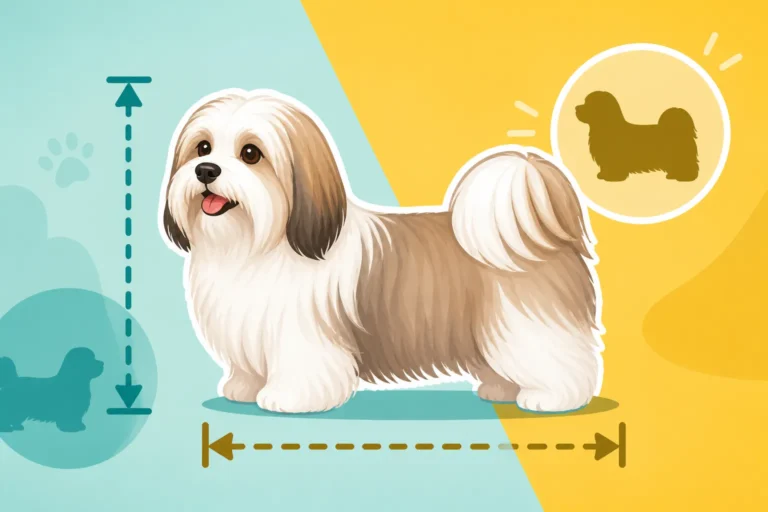
The Havanese Against a Bichon Frise
It's such a common quandary for anyone looking to add a fluffy, fun-loving companion to their family: should you get a Havanese or a Bichon Frise? Both are utterly charming, small, and come with a reputation for being excellent house pets, but beneath that adorable exterior, there are distinct differences that can make one a much better fit for your lifestyle than the other. This guide will walk you through the nuances of each breed, helping you decide which of these delightful little dogs is truly meant for you.
Historical Roots and Temperamental Tendencies
Understanding where these breeds came from really helps shed light on their inherent personalities. Both the Havanese and the Bichon Frise are part of the larger "Bichon" family of dogs, which originated in the Mediterranean. However, their specific evolutions in different environments have given them unique temperamental quirks that are worth exploring.
The Havanese: Cuban Charmers
The Havanese, as its name suggests, is the national dog of Cuba. These little dogs were historically companions to the Cuban aristocracy, often found frolicking in grand haciendas and traveling with their wealthy owners. This background as pampered companions meant they were bred to be adaptable, charming, and highly interactive with their human families. They needed to be entertaining and affectionate to earn their keep as beloved lapdogs and playful confidantes. This history has ingrained a deep desire to be involved in family life, making them incredibly people-oriented dogs.
Their development in a warm, social climate meant they were rarely left alone and were expected to be constant shadows, following their people from room to room. This strong bond often translates into a keen sensitivity to their owners' moods and a desire to please. You'll find a Havanese thrives on interaction and can often pick up new commands or tricks with surprising speed, eager for that positive affirmation. This natural biddability, born from centuries of being a human-centric companion, shapes much of their charming disposition today.
However, this deeply ingrained companion nature can also be a double-edged sword. A Havanese that isn't given enough interaction or is frequently left alone for long stretches can quickly develop separation anxiety. They are not dogs that enjoy solitude, and an unhappy Havanese might voice its displeasure through barking or destructive chewing. It's truly a breed that views its human family as its pack and wants to be at the heart of everything.
The Bichon Frise: European Entertainers
The Bichon Frise also hails from the Mediterranean, with ancestors tracing back to the Canary Islands, where sailors often used them as trade currency. They later became popular in French and Spanish noble courts, known for their lively personalities and ability to entertain. In fact, they eventually found their way into circuses and street performances, where their intelligence and eagerness to perform made them stars. This history as performers and entertainers contributes heavily to their generally joyful, outgoing, and sometimes mischievous nature.
Bichons are famous for their "joie de vivre" – a zest for life that is infectious. They are typically very social dogs, not just with their immediate family, but often with strangers and other animals too. Their friendly disposition means they rarely meet a person they don't like, and they are usually quick to make new friends. This outgoing nature often makes them fantastic therapy dogs, as they genuinely enjoy interacting with a wide variety of people.
While both breeds are people-pleasers, a Bichon Frise's history as an entertainer means they often have a slightly more independent, clownish streak than the Havanese. They enjoy being the center of attention and will often initiate play or seek out cuddles. They might be a bit more robust in their play and less delicate in their emotional responses compared to the more sensitive Havanese. They are generally adaptable and can thrive in various household settings, provided they receive adequate attention and mental stimulation.
Core Temperament Differences
When it comes down to the core temperament, the Havanese tends to be a more sensitive, shadow-like companion, deeply attached and intuitive to their owner's emotions. They are often described as "Velcro dogs" due to their desire to be constantly near you. This means they're less likely to wander off and explore independently and are more prone to suffering if left alone too much. You'll find they often develop a special bond with one person, although they are affectionate with the whole family. For more on this, you might explore The Havanese That Cannot Be Left Alone.
The Bichon Frise, on the other hand, while equally affectionate, often possesses a more exuberant, independent, and playful energy. They are often described as endlessly cheerful and outgoing, ready for an adventure or a game at a moment's notice. They might be slightly more robust and less prone to separation anxiety than a Havanese, though they still require plenty of companionship. Bichons are generally happy-go-lucky and less likely to pick up on subtle mood shifts in their owners, simply focusing on bringing joy. They tend to be excellent with children, often able to withstand the bumps and tumbles of toddler play with good humor, though supervision is always essential for any small dog.
Grooming Demands and Coat Care
Both the Havanese and the Bichon Frise are non-shedding breeds, which makes them popular choices for people with allergies. However, "non-shedding" absolutely does not mean "no maintenance." In fact, these breeds have some of the most demanding grooming needs in the canine world, and understanding the differences in their coats is crucial.
The Havanese's Silky, Flowing Locks
A Havanese coat is truly something to behold – when well-maintained. It's a double coat, but unlike many double-coated breeds, the texture is incredibly soft and silky, often described as feeling like raw silk or cotton. It grows very long, sometimes reaching the floor, and can come in a dazzling array of colors and patterns. This luxurious coat, while beautiful, is a magnet for mats and tangles. The finer the texture, the more prone it is to matting, especially behind the ears, in the armpits, and around the sanitary areas.
Daily brushing is not just recommended; it's practically mandatory if you want to keep a Havanese in a long, flowing coat. Skipping even a day or two can lead to mats that become incredibly difficult and painful to remove, sometimes necessitating a full shave-down. The process involves line brushing, where you part the hair and brush layer by layer down to the skin to ensure no tangles are hiding beneath the surface. This is a significant time commitment, often taking 30 minutes to an hour per session, depending on coat length and texture. You'll need a good quality slicker brush and a metal comb to get the job done properly, and stores like Chewy offer excellent options for these specialized tools. You can learn more about this in The Silky Double Coat a Havanese Grows to the Floor.
Furthermore, the Havanese coat goes through a "coat change" phase typically between 8 and 14 months of age. During this time, the soft puppy coat gives way to the adult coat, and matting can become exponentially worse, often seeming to happen overnight. This is the period when many owners throw in the towel on the long coat and opt for a shorter, more manageable "puppy cut." Even with a shorter clip, regular brushing a few times a week is essential to prevent tangles from forming.
The Bichon's Puffy Powder Puff Coat
The Bichon Frise boasts a very distinctive coat that is quite different from the Havanese. It's also a double coat, but it consists of a soft, dense undercoat and a coarser, curly outer coat, giving it that characteristic "powder puff" appearance. This coat stands off the body, creating a plush, rounded look that is iconic for the breed. While it doesn't grow to the dramatic lengths of a show Havanese coat, it still requires diligent care to prevent it from becoming matted and compacted.
Because the Bichon's coat is curly and dense, it holds onto loose hair rather than shedding it, which is why they are often considered hypoallergenic. However, this also means that the trapped hair quickly forms mats if not brushed out regularly. You won't see the same kind of flowing tangles as a Havanese, but rather dense, felt-like mats that can be very close to the skin. These can be painful and lead to skin infections if neglected. A good quality pin brush and a steel comb are indispensable for penetrating that dense coat.
Most Bichon owners opt for regular professional grooming every 4-6 weeks to maintain their dog's signature look and keep their coat healthy. Between grooms, daily or every-other-day brushing is needed to keep mats at bay. Just like the Havanese, the Bichon's coat demands a significant time investment, either from you or from a professional groomer. Failing to keep up with brushing will inevitably lead to costly dematting fees at the groomer, or worse, a complete shave down to start fresh.
Grooming Routines and Time Commitment
When it comes to the sheer time commitment, both breeds are high-maintenance, but the type of maintenance differs slightly. A Havanese in a full, long coat requires more dedicated, daily brushing time to meticulously work through the length and prevent fine hair from snagging. A Bichon, even in its standard clip, requires regular, thorough brushing to prevent dense mats from forming close to the skin.
| Feature | Havanese | Bichon Frise |
|---|---|---|
| Coat Type | Double coat, silky, long, flowing | Double coat, soft undercoat, curly outer coat |
| Texture | Raw silk or cotton-like | Powder puff, dense, stand-off body |
| Matting Tendency | High, especially during coat change (8-14 months), fine tangles | High, dense mats close to skin, trapped hair |
| Brushing Frequency | Daily for long coat; 3-4 times/week for puppy cut | Daily to every other day |
| Professional Grooming | Every 4-8 weeks, depending on desired style | Every 4-6 weeks, essential for breed look |
| Face/Eyes | Requires regular wiping/trimming to prevent staining | Requires regular wiping/trimming to prevent staining |
| Bathing | Weekly to bi-weekly, thoroughly dried | Weekly to bi-weekly, thoroughly dried |
Beyond brushing, both breeds need regular nail trims, ear cleaning (especially important for their floppy ears), and dental care. Both are prone to tear staining around the eyes, which requires daily wiping and sometimes specific products to keep clean. The hair around their paws also needs regular trimming to prevent matting and improve traction. Ultimately, neither breed is for someone who wants a low-grooming dog; they both require a significant investment in time, effort, and potentially professional grooming expenses.
Health Profiles and Lifespan Considerations
Choosing any dog means understanding their potential health vulnerabilities. Both Havanese and Bichon Frise are generally robust little breeds, but like all purebreds, they have certain genetic predispositions you should be aware of. Knowing these can help you choose a responsible breeder and prepare for potential healthcare needs down the line.
Common Havanese Health Concerns
Havanese are generally a healthy breed with a good lifespan, often living 14 to 16 years, sometimes even longer. However, there are several conditions that dedicated breeders screen for and that prospective owners should be aware of. One of the most common orthopedic issues is Patellar Luxation, often referred to as "slipping kneecaps." This is when the kneecap temporarily dislocates, causing a skip or limp in their gait. While many cases are mild and require no intervention, severe luxation can necessitate surgery. It's crucial that both parents of a Havanese puppy have their patellas certified as healthy. You can read more about this in How Common Slipping Kneecaps Are in a Havanese.
Another significant concern in Havanese is certain inherited eye diseases. Progressive Retinal Atrophy (PRA) is a degenerative eye condition that can lead to blindness. Cataracts, particularly juvenile cataracts, can also affect the breed. Responsible breeders will have their breeding dogs undergo regular eye exams by a board-certified veterinary ophthalmologist to catch these issues early. While less common, some Havanese lines can also be prone to congenital deafness or even Legg-Calve-Perthes disease, which affects the hip joint in young dogs, so asking about the health testing of a puppy's parents is absolutely vital.
Cardiac issues, especially Mitral Valve Disease (MVD), can also affect Havanese, particularly as they age. This is a common acquired heart condition in many small breeds. While not always inherited, a good breeder will have their breeding stock evaluated by a veterinary cardiologist. Finally, while less frequent, some Havanese can be prone to liver shunts. These are typically screened for in puppies via bile acid tests. A responsible breeder will be transparent about these potential health issues and proactive in screening their breeding dogs to minimize risks.
Common Bichon Frise Health Concerns
Bichons are also known for being generally long-lived and hearty, often reaching 12 to 15 years. Similar to Havanese, Patellar Luxation is a common orthopedic issue in Bichons. The same concerns about diagnosis and potential surgical intervention apply here, and thorough screening of breeding dogs is paramount. Owners might notice their Bichon skipping a step or holding up a leg momentarily if they have a luxating patella.
Like many fluffy white breeds, Bichons can be prone to certain skin allergies, which often manifest as itching, redness, or hot spots. These allergies can be environmental, food-related, or a combination of both. Managing skin issues can involve dietary changes, medication, and specialized shampoos. It's a common frustration for Bichon owners to pinpoint the exact cause of an allergic flare-up.
Eye problems are another area of concern for Bichons. Cataracts are prevalent in the breed, sometimes appearing at a younger age. Other conditions such as Progressive Retinal Atrophy and Distichiasis (extra eyelashes growing inward) can also occur. Regular veterinary eye exams are important for early detection and management. Bladder stones are also more common in Bichons than in some other breeds, and symptoms might include frequent urination, straining, or blood in the urine. Diet and increased water intake are often part of the management plan.
Lifespan and Overall Robustness
Both breeds boast impressive lifespans for small dogs, a testament to their overall robustness. The average lifespan for both Havanese and Bichon Frise falls in the 12-16 year range, meaning you're in for a long and loving companionship with either breed. The key to maximizing their health and longevity lies heavily on responsible breeding practices and attentive veterinary care throughout their lives.
For both breeds, maintaining a healthy weight is incredibly important to mitigate strain on their joints, especially concerning patellar luxation. Regular exercise, appropriate nutrition (you can find excellent small-breed specific foods on Chewy), and routine vet check-ups are foundational to their well-being. Early detection of any health issues, through regular screenings and simply observing your dog's behavior, can make a huge difference in managing conditions effectively. While both breeds have their predispositions, a well-bred and well-cared-for Havanese or Bichon Frise can certainly enjoy a full, vibrant, and long life.
Training Aptitude and Socialization Needs
Bringing a new dog into your home means committing to their training and socialization. Both Havanese and Bichon Frise are intelligent and eager to please, making them generally delightful to train. However, they do have some distinct learning styles and socialization needs that are worth considering.
Housetraining Hurdles and Successes
Let's be real, housetraining a small dog can sometimes feel like an uphill battle, and both Havanese and Bichons have a reputation for being a bit more challenging in this department than some larger breeds. This isn't due to a lack of intelligence, but often because their bladders are small, and owners sometimes don't take them out frequently enough. Accidents indoors can become a habit if not addressed with consistency and patience. For a Havanese, especially if you live in a colder climate or an apartment, housetraining can feel like a real challenge. For more insight, you may want to read Housetraining a Havanese in a Cold Climate.
Bichons can also be somewhat tricky to housetrain, and like Havanese, consistency is the absolute key. Both breeds respond extremely well to positive reinforcement – lots of praise, happy voices, and tasty treats when they go potty outside. Crate training is often recommended for both to aid in housetraining, as dogs are naturally clean animals and generally won't soil their sleeping area. Establishing a strict routine for potty breaks, especially after waking up, after eating, and before bed, will lead to success for either breed.
One common frustration for owners of both breeds is that they can be sensitive to weather. Many Havanese and Bichons are not fans of rain, snow, or extreme cold, making outdoor potty breaks a quick dash rather than a leisurely affair. This can lead to accidents if they don't fully relieve themselves. Providing a covered outdoor area, or even teaching them to use indoor potty pads as a secondary option, might be helpful, especially in harsh weather.
Biddability and Trick Training
Both breeds are highly intelligent and possess a strong desire to please their owners, which makes them excellent candidates for obedience training and learning tricks. The Havanese, with its history as a circus dog and companion to nobility, often thrives on mental stimulation and loves to show off. They tend to pick up new commands quickly and enjoy engaging in activities like obedience, rally, and even agility at lower levels. Their biddability makes them a joy to train, and they respond best to positive, reward-based methods. Whether the Havanese Really Performed in Circuses delves deeper into their historical aptitude for performance.
The Bichon Frise, with its historical role as an entertainer, also excels in learning tricks and commands. They have a cheerful, enthusiastic attitude towards training and often enjoy being the center of attention. Their playful nature makes training sessions fun, and they're quick to understand what's expected of them. Bichons can also do well in dog sports, enjoying the challenge and interaction. Both breeds are motivated by praise, play, and treats, and short, frequent training sessions are usually more effective than long, drawn-out ones.
Neither breed typically responds well to harsh corrections or punishment; they are sensitive dogs that can become withdrawn or fearful if treated roughly. Gentle, consistent training with a focus on positive reinforcement will yield the best results and strengthen the bond between you and your dog. They both thrive on having a "job" to do, even if that job is just performing cute tricks for your guests.
Social Dynamics with Family and Strangers
Both Havanese and Bichons are generally very social dogs, but there can be subtle differences in how they interact with different people. The Havanese is often described as being extremely affectionate and devoted to their family, often forming a deep bond with one or two primary caregivers. While they are usually friendly with strangers, they might be a little more reserved initially, preferring to assess the situation before showering a new person with affection. They are excellent family dogs, generally good with respectful children, but their smaller size means they can be more fragile around very young, boisterous kids.
Bichons, true to their entertaining roots, tend to be more universally outgoing and friendly. They often greet everyone as a potential friend and are quick to offer enthusiastic tail wags and kisses to strangers. This makes them excellent socializers and often wonderful therapy or visiting dogs. They typically adapt well to households with children and other pets, provided they are properly introduced and supervised. Their slightly sturdier build might make them a tiny bit more resilient to accidental bumps from small children, but again, caution and supervision are always key with any toy breed. Early socialization for both breeds is crucial to ensure they grow into well-adjusted, confident adult dogs. Taking them to puppy classes, exposing them to various sights, sounds, and friendly people and dogs (after their vaccinations are complete) will help them thrive.
Living Environment and Exercise Requirements
When considering a Havanese or a Bichon Frise, it's important to think about the kind of home environment you can offer and the amount of physical and mental stimulation they'll need to be happy and healthy. Both breeds are small and adaptable, but their energy levels and needs can vary.
Apartment Living vs. Larger Spaces
One of the great advantages of both Havanese and Bichon Frise is their suitability for apartment living. Their small size means they don't require vast amounts of space to roam, and they are generally happy to curl up on a couch or a dog bed right next to you. This makes them ideal companions for city dwellers or those with smaller homes. However, "small size" doesn't equate to "couch potato." Both still need regular outdoor time and mental engagement.
While they can thrive in apartments, a small, secure yard is certainly a bonus, offering a safe space for them to potter around, sniff, and enjoy some fresh air. Even without a yard, regular walks and indoor play sessions are perfectly sufficient. The key is that they need your companionship, regardless of the size of your living space. A large house with an absent owner would be far less suitable than a small apartment where they are constantly with their human family.
For both breeds, creating a safe indoor environment is crucial, especially for puppies. This might include using baby gates to restrict access to certain areas, or providing a playpen or a comfortable crate when you can't directly supervise them. Items from Chewy like durable playpens and cozy crates can be lifesavers for managing a puppy in any living space. They are both dogs that are happiest when they are included in your daily life, not relegated to a separate room or outdoor kennel.
Daily Activity and Mental Stimulation
Neither the Havanese nor the Bichon Frise are high-energy dogs that require hours of intense exercise, but they are certainly not sedentary. Both need regular, moderate exercise to stay physically fit and mentally stimulated. A couple of brisk 20-30 minute walks a day, combined with some indoor playtime, is usually sufficient. This could include games of fetch, tug-of-war, or even just chasing you around the house.
For the Havanese, while they enjoy their walks, they particularly thrive on mental engagement. Their intelligence and desire to please mean they love learning new tricks, working on puzzle toys, or participating in short obedience sessions. Their "circus dog brain" means they need more than just physical exercise; they need their minds challenged. Without adequate mental stimulation, a Havanese can become bored, which might manifest as destructive chewing or excessive barking. You can find a wide range of engaging puzzle toys on platforms like Chewy to keep their clever minds occupied. For further reading, check out What a Havanese Needs Beyond a Walk.
Bichons are similar in their need for both physical and mental activity. Their cheerful, playful nature means they are always up for a game and enjoy interactive play with their owners. They might have a slightly higher bursts of energy, often zooming around the house in a "Bichon Blitz," but these are usually short-lived. They also enjoy learning tricks and doing puzzle toys. Both breeds will benefit from walks that offer opportunities for sniffing and exploring new environments, as this provides valuable mental enrichment.
Suitability for Different Lifestyles
Both breeds are incredibly adaptable and can fit into a variety of lifestyles, making them excellent choices for many different families. They are well-suited for retirees, first-time dog owners, and families with respectful older children. Their small size and moderate exercise needs make them perfect companions for those who might not be able to offer extensive outdoor adventures but can provide plenty of indoor attention and play.
A Havanese might be a slightly better fit for someone who truly wants a "Velcro dog" and is prepared for a deeply bonded companion who will want to be involved in every aspect of their day. They thrive on constant companionship and are ideal for someone who works from home or is retired. However, they might not be the best choice for a family where everyone is out of the house for long hours each day, due to their potential for separation anxiety.
A Bichon Frise might be a good choice for someone looking for a slightly more independent, endlessly cheerful companion. They are generally more outgoing with strangers and can be a fantastic choice for families who enjoy frequent visitors or social outings. While still requiring plenty of attention, their sunny disposition often makes them a bit more resilient to minor shifts in routine. Ultimately, the choice between these two wonderful breeds often comes down to the subtle differences in their personality, coat care, and specific health predispositions, as both offer boundless love and companionship.
Key Differences at a Glance
To help summarize some of the main distinctions between these two charming breeds, here's a quick comparison table. Remember, these are general tendencies, and individual dogs will always have their own unique personalities!
| Feature | Havanese | Bichon Frise |
|---|---|---|
| Origin/History | Cuba, companion to aristocracy, circus dog | Mediterranean, French nobility, street performer |
| Temperament | Sensitive, "Velcro dog," devoted, intuitive | Exuberant, cheerful, outgoing, playful clown |
| Attachment | Often bonds strongly to one person, shadow-like | Affectionate with all, generally good with strangers |
| Grooming Need | High; silky, long coat, daily brushing for full length, prone to fine tangles | High; curly, dense "powder puff" coat, daily brushing, prone to dense mats |
| Coat Type | Silky double coat, grows long | Curly double coat, stands off body |
| Shedding | Non-shedding (hypoallergenic) | Non-shedding (hypoallergenic) |
| Housetraining | Can be challenging, requires consistency | Can be challenging, requires consistency |
| Barking Tendency | Can be alert barkers | Can be alert barkers, more vocal |
| Exercise Needs | Moderate, enjoys mental stimulation & tricks | Moderate, enjoys playful games & tricks |
| Apartment Friendly | Excellent | Excellent |
| Health Concerns | Patellar luxation, eye diseases (PRA, cataracts), MVD, liver shunts | Patellar luxation, allergies, cataracts, bladder stones |
| Lifespan | 14-16 years | 12-15 years |
This table should give you a good overview to help you decide which delightful little breed might be the perfect addition to your home.
Disclaimer
This article is for general informational purposes only and does not constitute professional advice. Laws, prices and regulations vary by location and change over time. Consult a qualified professional for guidance on your specific situation.