The Havanese Against a Shih Tzu
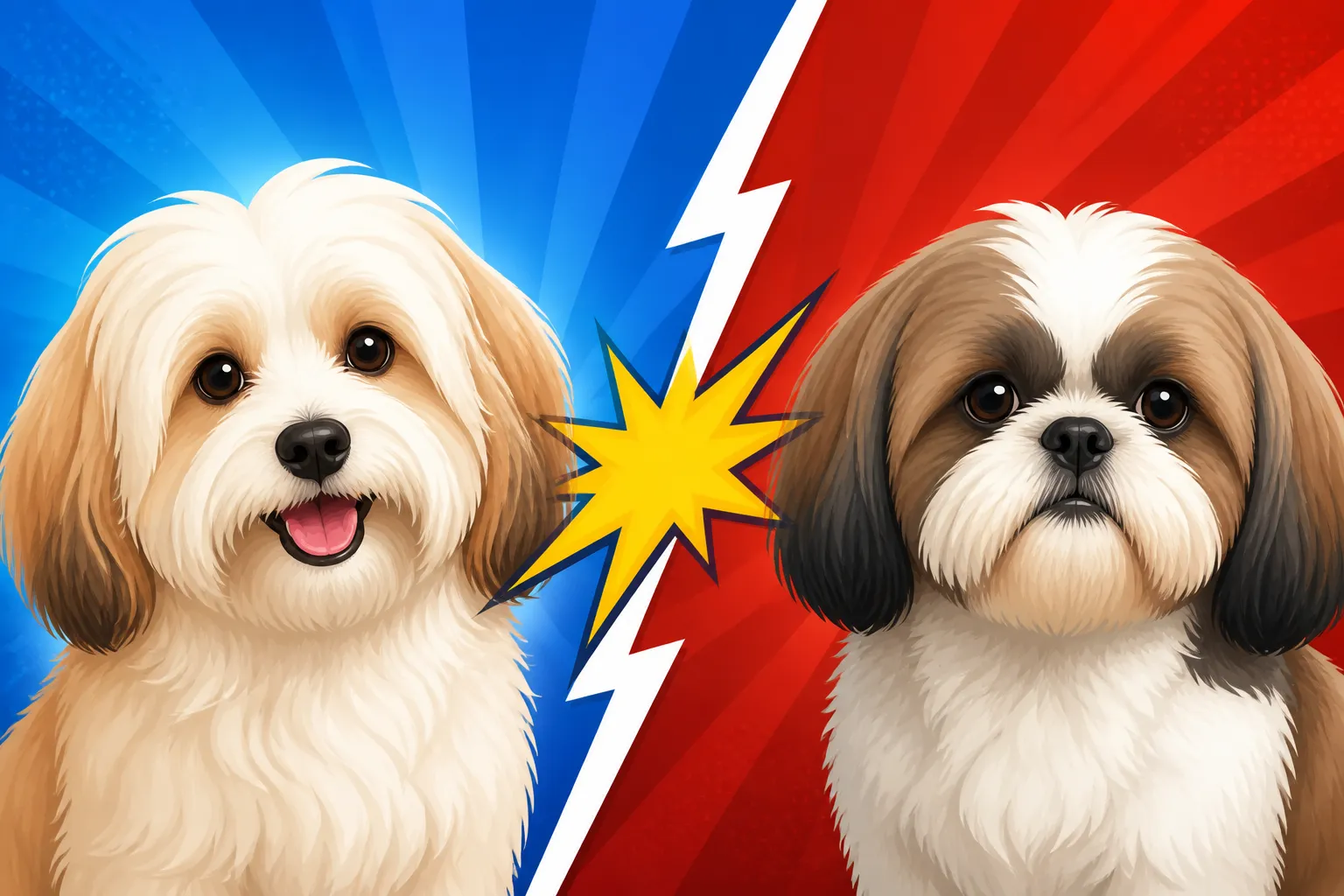
Deciding between two delightful small breeds like the Havanese and the Shih Tzu can feel like an impossible task, especially when you want to make sure you're bringing home the perfect companion for your lifestyle. Many prospective owners get overwhelmed by similar characteristics and wonder where the real differences lie. This guide aims to thoroughly explore the unique traits, care requirements, and temperaments of both the Havanese and the Shih Tzu, helping you understand which one might truly be your ideal furry family member.
Tracing Their Roots and What It Means for Their Personalities
Both the Havanese and the Shih Tzu are beloved toy breeds with rich histories, but their origins shaped their dispositions in distinct ways that are still evident today. Understanding where they come from can give you incredible insight into their core personalities.
The Havanese: A Cuban Companion with a Zest for Life
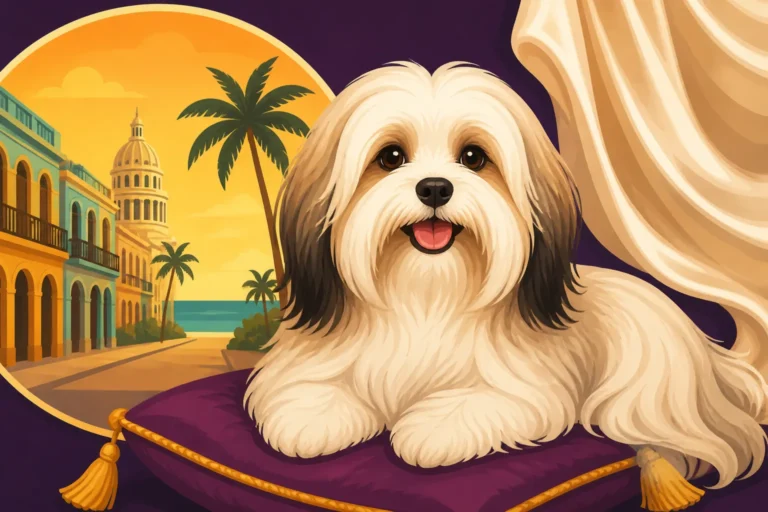
The Havanese hails from Cuba, where it was bred to be a charming companion for the aristocracy. They were lap dogs, yes, but also active participants in family life, often entertaining with their playful antics and intelligent minds. This breed was essentially Cuba's national dog, evolving from the now-extinct Blanquito de la Habana. Their role was to be a lively, intelligent, and affectionate family member, always by their human's side.
Because of this history, the modern Havanese has a lively spirit. They are often described as curious, outgoing, and surprisingly energetic for a small dog. They thrive on interaction and being involved in daily activities, whether it's following you from room to room or learning a new trick. You'll find a Havanese often has a playful streak that lasts well into adulthood, eager to engage in games or a brisk walk. Their intelligence makes them quick learners, often responding well to positive reinforcement and eager to please. However, this close bond and desire for companionship also mean they can struggle if left alone for extended periods, potentially developing The Havanese That Cannot Be Left Alone.
The Shih Tzu: An Imperial Lap Dog from Tibet and China
The Shih Tzu's lineage is even more ancient and deeply rooted in the palaces of Tibetan monks and Chinese emperors. Bred solely for companionship, these dogs were treasured for their beauty and docile nature, often spending their days lounging on silk cushions and being carried by their royal owners. Their name, "Shih Tzu," means "little lion," a nod to their flowing manes and proud demeanor, not their hunting prowess.
This imperial past means the Shih Tzu is generally more content to be a lap warmer and a homebody. While they certainly enjoy walks and play, they often don't demand the same level of constant engagement or intense activity as a Havanese. They possess a sweet, affectionate, and sometimes a bit stubborn, personality. They are known for their calm and regal presence, making them wonderful companions for those seeking a less boisterous friend. However, their independent streak can sometimes make training a bit more challenging, as they often believe they are the ones in charge.
Grooming Regimens: Managing Those Luxurious Coats
Both the Havanese and the Shih Tzu are renowned for their long, flowing coats, which are a huge part of their charm. However, this beauty comes with a significant commitment to regular grooming. Understanding the nuances of each breed's coat and what it demands is crucial before you bring one home.
The Havanese's Silky Double Coat
A Havanese sports a unique double coat that is incredibly soft and silky, feeling more like human hair than typical dog fur. This coat can grow quite long, often reaching the floor if left untrimmed, and it doesn't have an undercoat that sheds profusely. This often leads people to assume they are low-shedding and hypoallergenic, which they are to a degree. However, the lack of heavy shedding means that dead hair gets trapped in the coat, which can quickly lead to mats and tangles if not regularly brushed.
Daily brushing is generally recommended for a Havanese, especially if you keep their coat long. You'll need a good quality pin brush and a metal comb to work through the layers, ensuring you get down to the skin to prevent matting. Many owners opt for a "puppy cut" or a shorter clip to make grooming more manageable, which dramatically reduces the daily maintenance. You'll also need to pay attention to areas like behind the ears, armpits, and under the harness, where mats tend to form quickly. Regular bathing, roughly every 1-2 weeks, is also important to keep their coat clean and healthy. After a bath, thorough drying is key to prevent matting as the hair dries. You can find excellent grooming tools and specialized shampoos for their silky coats on sites like Chewy. Learning to line brush properly is essential for How Long Brushing a Havanese Takes Daily.
The Shih Tzu's Dense, Flowing Double Coat
The Shih Tzu's coat is equally stunning, characterized by its long, dense, and flowing nature, often likened to a "mane" befitting its "lion dog" moniker. Like the Havanese, they have a double coat and are considered low-shedding. However, the texture of a Shih Tzu's coat can be slightly coarser or more cotton-like than a Havanese's silky strands, and it tends to be incredibly thick. This density means it's a magnet for debris and matting.
A Shih Tzu's coat also requires daily attention to prevent tangles and mats, particularly if kept long. Owners often face challenges around their faces, where hair can grow into their eyes and lead to irritation or staining. Keeping a topknot or trimming the hair around their eyes is a common practice to keep them comfortable and allow them to see clearly. Many Shih Tzu owners, like Havanese owners, also choose a shorter "teddy bear" cut or "puppy cut" to reduce the intensity of daily grooming. These clips make it much easier to keep them clean and mat-free. Regular bathing, often weekly, is necessary to keep their coat fresh, and special care must be taken to thoroughly dry their dense fur to prevent skin issues.
| Feature | Havanese | Shih Tzu |
|---|---|---|
| Coat Type | Silky double coat, feels like human hair | Dense, flowing double coat, can be coarser/cottony |
| Shedding | Low shedding | Low shedding |
| Matting Risk | High, especially behind ears, armpits, harness | Very high, especially face, ears, armpits |
| Brushing Freq. | Daily (long coat), every few days (short clip) | Daily (long coat), every few days (short clip) |
| Bathing Freq. | Every 1-2 weeks | Weekly |
| Common Clips | Puppy cut, show clip, various short clips | Teddy bear cut, puppy cut, show clip, short clips |
| Face Care | Hair kept out of eyes, beard clean | Topknot or trimmed face hair to prevent eye irritation |
Health Considerations: A Look at Potential Woes
Both the Havanese and the Shih Tzu are generally healthy breeds with decent lifespans, but like all purebred dogs, they are prone to certain hereditary health conditions. Being aware of these can help you choose a responsible breeder and provide the best care throughout your dog's life.
Havanese Health Tendencies
The Havanese is known for being a relatively healthy toy breed, often living The Fourteen to Sixteen Years a Havanese Lives. However, there are a few conditions that responsible breeders screen for and potential owners should be aware of.
One of the most common orthopedic concerns for Havanese is patellar luxation, or slipping kneecaps. This can range from mild to severe and may require surgery in more serious cases. Another orthopedic issue, though less common, is Legg-Calve-Perthes disease, which affects the hip joint in young dogs. Eye diseases are also a concern, including cataracts and Progressive Retinal Atrophy (PRA), which can lead to blindness. The Eye Diseases a Havanese Inherits delves into these in more detail. Congenital liver shunts are another serious condition that can affect Havanese puppies, requiring careful screening and sometimes surgical intervention. Heart murmurs, particularly Mitral Valve Disease, can also be seen in older Havanese. When researching breeders, always ask to see health clearances for the parents covering hips, patellas, eyes, and often a cardiac exam. You can find detailed information about health screenings on breed club websites.
Shih Tzu Health Tendencies
Shih Tzus also share some common health concerns with other small breeds, but their brachycephalic (short-nosed) facial structure introduces a unique set of potential issues. They typically have a lifespan comparable to the Havanese.
Patellar luxation is also a common orthopedic issue in Shih Tzus, similar to Havanese. Eye problems are particularly prevalent due to their large, prominent eyes, which can be prone to injury, dry eye, and conditions like cataracts and Progressive Retinal Atrophy. Their facial structure can also lead to Brachycephalic Obstructive Airway Syndrome (BOAS), making them prone to breathing difficulties, especially in hot weather or during strenuous exercise. This means they can overheat very easily and require careful monitoring. Dental problems, including overcrowded teeth and retained puppy teeth, are also common due to their small mouths and short muzzles, making regular dental care crucial. Their dense coats also make them susceptible to skin issues if not properly groomed and dried. Dental Crowding in a Havanese Mouth is a good comparison point for small breed dental issues.
Exercise Needs and Adaptability to Various Lifestyles
When choosing a furry family member, it’s important to consider how well their energy levels and natural inclinations will fit into your daily routine and living environment. Both Havanese and Shih Tzus are adaptable, but they certainly have their preferences.
The Havanese: An Active, Engaging Companion
Don't let their small size fool you; Havanese are quite active and intelligent little dogs. They love to play, explore, and be involved in whatever their human family is doing. While they don't require vast amounts of strenuous exercise, they do need regular activity to keep them physically and mentally stimulated.
A Havanese typically thrives on two shorter walks a day, combined with indoor play sessions. This could be a game of fetch in the living room, hide-and-seek, or working on new tricks. They are smart and enjoy learning, making them excellent candidates for positive reinforcement training, even for things like agility or obedience classes. Many Havanese excel in dog sports like rally or even scent work, demonstrating their eager-to-please nature and clever minds. If their exercise needs aren't met, they might become bored and invent their own fun, which sometimes translates into undesirable behaviors like excessive barking or chewing. They are also highly social and do best in homes where they get plenty of human interaction. This is why What a Havanese Needs Beyond a Walk often points to mental engagement as much as physical activity.
The Shih Tzu: A Regal, Relaxed Lap Dog
The Shih Tzu, while not entirely sedentary, generally has lower exercise requirements than a Havanese. Their historical role as imperial lap warmers has instilled in them a more relaxed demeanor, often content to snuggle on the couch or follow you at a leisurely pace.
Short, gentle walks once or twice a day are usually sufficient for a Shih Tzu. Their brachycephalic structure means they are more prone to overheating, so strenuous exercise, especially in warm weather, should be avoided. They are not typically candidates for high-impact dog sports, but they do enjoy a good romp in a secure yard or a short play session indoors. Their independent streak means they might not be as eager to please in training as a Havanese, but they are certainly capable of learning basic commands with patience and consistency. They are often quite happy just being near their people, making them excellent companions for those with a more laid-back lifestyle or individuals with limited mobility.
Compatibility with Families and Other Pets
Bringing a new dog into a home means considering all members of the family, including children and existing pets. Both breeds are generally good-natured, but their typical temperaments and physical resilience might make one a better fit for certain households.
Havanese in a Family Setting
Havanese dogs are typically wonderful family pets. Their playful, outgoing nature means they often enjoy interacting with children, and their sturdy-for-a-toy-breed build makes them a bit less fragile than some other small breeds. They are known for being affectionate and good-humored, often described as "Velcro dogs" who love to be part of every family activity.
However, as with any dog, supervision is key when Havanese are around young children. While tolerant, they are still small and can be accidentally injured by rough play. Teaching children how to interact respectfully with a dog is crucial. A Havanese generally adapts well to multi-pet households, often getting along with other dogs and even cats, especially if introduced properly and socialized from a young age. Their social nature means they often enjoy the company of other animals. You can learn more about A Havanese in a House With Children for specific tips.
Shih Tzu in a Family Setting
Shih Tzus can also make excellent family companions, particularly for those seeking a calmer, more serene presence. They are affectionate and loyal to their families, enjoying cuddles and gentle attention.
However, their smaller size and more delicate build mean they are often better suited for homes with older, more considerate children who understand how to interact gently with a small dog. Their patience with boisterous toddlers might be tested, and accidental injuries are a greater concern. While generally good with other pets, their slightly more independent and sometimes "regal" nature means they might tolerate, rather than actively seek out, play with other animals. Early socialization is always beneficial to help them get along with existing dogs or cats.
Adaptability to Living Environments
Consider your living space, whether it's a sprawling house with a yard or a cozy apartment, when choosing between these two charming breeds. Both can adapt, but one might be more inherently suited to certain conditions.
Havanese: Thrive with Indoor Space and Company
The Havanese is a highly adaptable breed that can thrive in a variety of living situations, from apartments to larger homes, as long as their need for companionship and exercise is met. They are not big barkers by nature, but their alert disposition means they will often let you know when someone is at the door or if something unusual is happening.
While a fenced yard is a bonus for some outdoor playtime, it's not a strict requirement for a Havanese, as long as they get their daily walks and indoor play. Their true need is to be with their family. They are not dogs that should be left alone for long hours in a yard. Because they are so attached to their humans, they do best in homes where someone is usually present or where arrangements are made for their social needs, such as doggy daycare or a dog walker. For example, Chewy offers a wide range of indoor enrichment toys to keep a Havanese busy when you can't be actively playing with them. Whether a Havanese Suits an Apartment is a frequent question due to their size.
Shih Tzu: The Ultimate Apartment Dweller
The Shih Tzu is often considered one of the best breeds for apartment living, or for those with limited outdoor space. Their low exercise needs and generally calm indoor demeanor make them perfectly content in smaller environments.
Their small size means they don't require much room to roam indoors, and short walks around the block are usually enough to satisfy their outdoor exercise requirements. They are typically not known for being overly boisterous or destructive inside the home, preferring instead to find a comfortable spot to nap or observe their surroundings. However, like any dog, they do need mental stimulation and interaction. Their potential for being vocal can vary, but generally, they are not excessive barkers unless bored or untrained. Their adaptability to apartment life makes them a very popular choice for city dwellers and those without access to a large yard.
Training and Intelligence: A Tale of Two Learners
While both breeds are intelligent and capable of learning, their inherent personalities and motivations often dictate different approaches to training and what you can expect from them.
Havanese: The Eager Student and Entertainer
Havanese are known for their intelligence and eagerness to please, making them generally easy to train. They love to learn new tricks and excel in activities that involve their human companions. This "circus dog brain" that some people describe them as having means they catch on quickly and genuinely enjoy the process of training.
Positive reinforcement methods work exceptionally well with Havanese. They respond enthusiastically to praise, treats, and toys. They can be a bit sensitive to harsh corrections, so a gentle, encouraging approach is best. Early socialization and puppy classes are highly recommended to help them become well-adjusted and confident adults. They often thrive on consistency and clear boundaries. Due to their quick minds, they can get bored with repetitive drills, so keeping training sessions short, fun, and varied is key. They are also known for their ability to charm their way into getting what they want, so consistency from the owner is vital to prevent them from becoming "spoiled" or developing unwanted habits. The Whether the Havanese Learns Tricks Faster Than Most Toys post highlights their natural aptitude for performing.
Shih Tzu: The Independent Thinker
The Shih Tzu is an intelligent breed, but their royal heritage sometimes gives them a more independent and strong-willed streak compared to the Havanese. While they can learn commands and tricks, they might not always be as eager or motivated to please their human as a Havanese. They often have their own ideas about how things should be done.
Patience, consistency, and positive reinforcement are absolutely essential when training a Shih Tzu. They can be a bit stubborn, so short, fun training sessions with high-value treats are usually more effective than long, repetitive drills. They might not be as driven to excel in dog sports, but they are perfectly capable of mastering basic obedience and being well-behaved companions. Housetraining can sometimes be a particular challenge for Shih Tzus, requiring extra consistency and patience from their owners. Their regal demeanor means they might not see the point in performing a trick repeatedly if there's no immediate reward. Finding toys and treats that truly motivate them can be a great way to engage their minds, and Chewy has a fantastic selection of puzzle toys and high-value treats that can make training more fun for a Shih Tzu.
Which Breed is Right For You?
Choosing between a Havanese and a Shih Tzu ultimately comes down to your personal preferences, lifestyle, and what you're looking for in a canine companion. Both are wonderful breeds, but their subtle differences can significantly impact your daily life together.
Consider a Havanese if you are:
- Looking for a highly interactive, playful, and often comical companion.
- Someone who enjoys active engagement and wants a dog involved in family activities.
- Willing to dedicate time to mental stimulation and training, perhaps even dabbling in dog sports.
- Prepared for daily grooming, or to keep their coat in a shorter, more manageable clip.
- Often home or have arrangements for your dog's social needs, as they dislike being left alone.
- Ready for a dog that might "talk" to you with barks and noises, though not typically excessive.
Consider a Shih Tzu if you are:
- Seeking a more relaxed, docile, and affectionate lap dog.
- Someone with a quieter lifestyle who enjoys cuddles and gentle companionship.
- Content with shorter, less strenuous walks and indoor play.
- Prepared for the intense daily grooming of a long coat, or prefer a regular shorter clip.
- Living in an apartment or smaller home without a large yard.
- Patient and consistent with training, understanding they might have a more independent streak.
- Aware of their brachycephalic needs, especially regarding heat and breathing.
Ultimately, both breeds offer immense love and companionship. The best way to decide is to spend time with both, if possible, and talk to owners and reputable breeders. Understanding their unique histories, health considerations, and personality quirks will help you make an informed decision that leads to a happy, fulfilling life with your chosen furry friend.
Disclaimer
This article is for general informational purposes only and does not constitute professional advice. Laws, prices and regulations vary by location and change over time. Consult a qualified professional for guidance on your specific situation.