Whether Jumping Off the Bed Hurts a Havanese
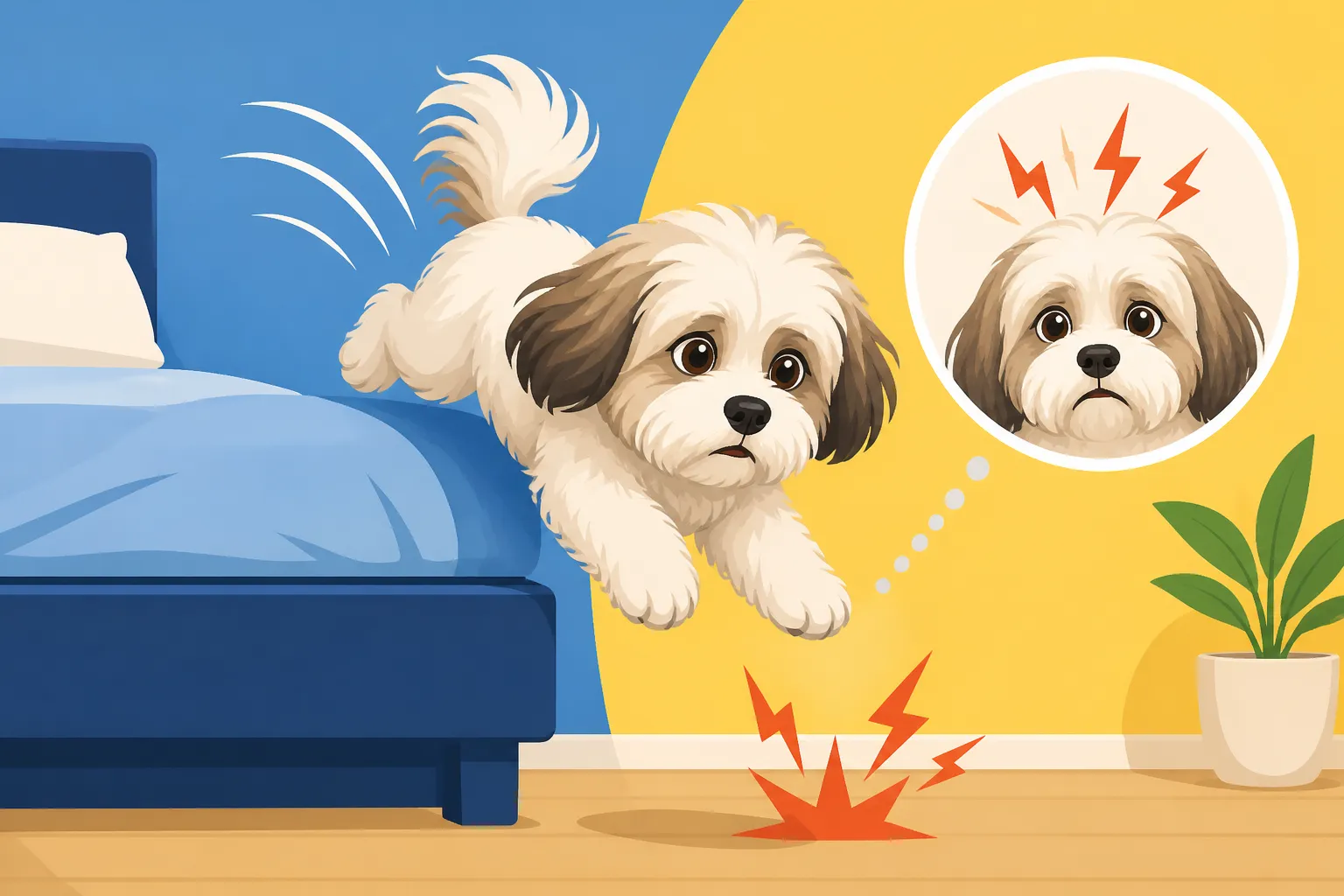
It’s a scene many Havanese owners adore: your sweet, fluffy companion snuggled up beside you in bed, sharing cozy moments. But then, with a burst of energy, they leap off the mattress as if gravity doesn’t apply to them, and a pang of worry hits you. Can these seemingly innocent jumps actually cause harm? Unfortunately, the answer is a resounding yes; repeatedly jumping from heights, even moderate ones like a bed, can put your Havanese at risk of significant, long-term orthopedic and spinal problems. This comprehensive guide will explain why these adorable leaps are dangerous, what injuries to watch for, and how you can protect your little friend.
The Inherent Risks of High Jumps for Your Havanese
Havanese are charming, sturdy little dogs, but their small stature, relatively short legs, and playful exuberance can be a dangerous combination when it comes to jumping from elevated surfaces. What might seem like a minor drop for a larger breed can be a significant impact for a Havanese, akin to a human jumping from a much greater height. The forces involved in these landings can place immense strain on their delicate joints and developing skeletal structures, leading to both immediate injuries and cumulative damage over time.
Understanding Their Unique Anatomy and Vulnerabilities
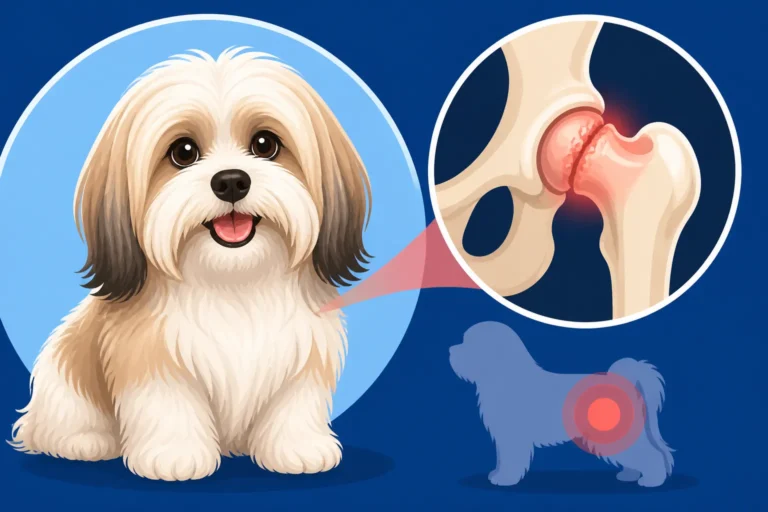
Havanese, like many small breeds, have a specific physical makeup that makes them more susceptible to certain orthopedic issues. Their joints, particularly their knees and hips, are designed for carrying a small amount of weight, and sudden, high-impact landings can easily overwhelm these structures. For example, a common concern in the breed is patellar luxation, or "slipping kneecaps." This condition, where the kneecap dislocates from its groove, can be present from birth but is often exacerbated or even triggered by the repeated stress of jumping and landing awkwardly.
Beyond the kneecaps, their relatively short leg bones are not built to absorb the shock of repeated high impacts without consequence. Each time your Havanese jumps down from a bed or sofa, their joints – hips, knees, ankles, and even their spine – absorb a jolt. This constant micro-trauma can wear down cartilage, stretch ligaments, and weaken the supporting muscles over time. It’s not necessarily one dramatic fall that causes the most damage, but the cumulative effect of hundreds of small jumps throughout their life. Many Havanese, even if they appear spry and active, might be developing underlying issues that only become apparent later. It’s a good idea to understand Whether a Havanese Gets Hip Dysplasia as general joint health is crucial for these active little dogs.
The Cumulative Effect of Repeated High Jumps
Think of it like this: if you repeatedly jump off a kitchen counter onto a hard floor, you might not break a bone the first time, or even the tenth. But over time, the constant jarring would take its toll on your knees, ankles, and back. For a Havanese, a bed can be the equivalent of that kitchen counter. Each jump from the bed, the couch, or even a chair, sends a shockwave through their small body. This consistent stress can lead to inflammation, micro-tears in ligaments, and premature wear and tear on joint cartilage.
This isn't just about acute injuries; it's about the long game. The continuous impact contributes to the development or worsening of chronic conditions such as arthritis. While many people associate arthritis with old age, the groundwork for Arthritis in a Havanese at Twelve can be laid much earlier through repetitive joint stress. It’s an insidious process; your dog might not show immediate pain or a limp after every jump, but the damage accumulates, slowly eroding their joint health. By the time noticeable symptoms appear, the problem is often advanced, requiring more intensive management. Protecting them from these repeated impacts is an investment in their long-term comfort and mobility.
Common Injuries Resulting from Falls and Impacts
When a Havanese takes an unfortunate leap or fall, a range of injuries can occur, from painful sprains to serious fractures or chronic joint conditions requiring surgery. Understanding these common ailments can help you identify a problem quickly and seek appropriate veterinary care. These injuries often have a significant financial impact, which is why many owners consider pet insurance from providers like Healthy Paws.
Patellar Luxation and Cruciate Ligament Damage
One of the most frequently seen orthopedic issues in Havanese is patellar luxation, often simply called "slipping kneecaps." This condition involves the kneecap (patella) dislocating from the groove of the thigh bone (femur) where it normally rests. While sometimes genetic, an awkward landing from a jump can easily cause the patella to pop out, leading to sudden lameness, a characteristic "skip" in their step, or holding the leg up. If this happens repeatedly, it can cause pain, cartilage erosion, and eventually severe arthritis. Depending on the grade of luxation, surgery might be necessary to stabilize the kneecap and prevent further damage. Understanding The Kneecaps a Havanese Slips is vital for any Havanese owner.
Beyond patellar luxation, jumping and landing incorrectly can also lead to tears in the cranial cruciate ligament (CCL), analogous to the ACL in humans. This ligament is crucial for stabilizing the knee joint. A sudden twist or hyperextension during a jump can partially or completely tear the CCL, causing acute lameness, pain, and swelling. This is a very painful injury, and almost always requires surgery to repair. The cost of such surgery can be substantial, often running into thousands of dollars per knee, making a robust pet insurance policy, like those offered by Healthy Paws, a real lifesaver for many families.
Spinal and Disc Issues
While not as commonly associated with jumping in Havanese as joint issues, small breed dogs can still suffer from spinal problems, particularly intervertebral disc disease (IVDD). IVDD occurs when the cushioning discs between the vertebrae in the spine either bulge or rupture, pressing on the spinal cord. Although typically more common in breeds with longer backs, any dog can experience IVDD. A hard landing from a jump or a twisted fall can certainly trigger a disc episode, especially if there's pre-existing disc degeneration.
Symptoms of spinal issues can vary widely, from mild back pain and reluctance to jump or move, to severe weakness, paralysis, or loss of bladder/bowel control. If you notice your Havanese crying out in pain, dragging their back legs, or showing signs of discomfort when being picked up, immediate veterinary attention is crucial. Early intervention can make a significant difference in the outcome for spinal injuries. Recovery can be long and require extensive physical therapy or even emergency surgery, again highlighting the importance of being prepared for unexpected vet bills.
Fractures, Sprains, and Soft Tissue Damage
Of course, the most dramatic and obvious injuries from a fall are fractures (broken bones) and severe sprains. Havanese have relatively slender limb bones, particularly in their lower legs, which can snap under the wrong kind of impact. A fall where they land heavily or awkwardly on one leg could result in a fracture. These are typically acutely painful, and the limb will often be visibly deformed or completely non-weight bearing.
Sprains occur when ligaments, the tough bands of tissue connecting bones, are stretched or torn. Ankles, wrists, and even hip joints can be sprained during a fall. While less severe than a fracture, a sprain can be very painful and debilitating, requiring strict rest, pain medication, and sometimes even a brace or splint. Soft tissue damage, such as muscle strains or bruising, can also occur. These injuries might not be immediately obvious but can lead to limping or a reluctance to move. It’s always best to err on the side of caution and have your Havanese checked by a vet if you suspect any kind of injury from a fall. Knowing The Age a Havanese Shows Hip Pain is helpful for general awareness of potential issues.
Practical Strategies for Preventing Jumping Injuries
The good news is that many jumping-related injuries are preventable with a few thoughtful adjustments to your home environment and consistent training. Being proactive is always better than reacting to an injury. These strategies focus on providing safe alternatives and minimizing the temptation to jump.
Providing Safe Access to Furniture
The most effective way to prevent jumping injuries is to eliminate the need for your Havanese to jump off high furniture entirely. This is where dog ramps and steps become indispensable. For beds and couches, invest in sturdy, non-slip pet ramps or steps that allow your Havanese to safely ascend and descend without any jarring impact. Look for options with a gentle incline and a textured surface for good grip.
Introduce these aids early, preferably when your Havanese is a puppy, so they become accustomed to using them. Use positive reinforcement, like treats and praise, to encourage them to use the steps or ramp. Place the steps directly against the furniture so there’s no gap for a paw to slip through. Remember, even if your Havanese can jump, it doesn't mean they should. Making it easy and safe for them to get to their favorite spot next to you is a cornerstone of preventative care. If you're wondering which ones to get, we have a detailed guide on Whether a Havanese Should Use Steps to the Couch. This goes hand-in-hand with Keeping a Havanese Off Furniture It Should Not Jump From in general.
Modifying the Home Environment
Beyond ramps and steps, a few other environmental modifications can significantly reduce the risk of injury. Slippery floors, especially hardwood or tile, are a major culprit for slips, falls, and subsequent injuries. Consider placing runners, area rugs, or anti-slip mats in high-traffic areas, particularly near furniture that your Havanese might jump off (even if you're trying to prevent it). For older Havanese or those with known joint issues, specialized anti-slip socks or paw pads can also provide extra traction.
Additionally, ensure your home is free of clutter or obstacles that your Havanese could trip over, especially in areas where they play or transition from furniture. Create designated safe play zones with soft flooring. A tired Havanese might be less coordinated, so ensure they have a safe, soft place to land if they do get zoomies. Remember, a well-thought-out home environment can be your first line of defense against preventable injuries.
Training and Conditioning for Joint Health
Beyond physical aids, responsible ownership involves proactive training and conditioning that supports your Havanese's joint health. The most critical aspect is maintaining a healthy weight. Extra pounds put immense stress on joints, exacerbating any existing conditions and making injuries from falls more likely. Work with your vet to determine the ideal weight for your Havanese and stick to a feeding plan that prevents obesity.
Regular, appropriate exercise is also key. This doesn't mean vigorous, high-impact activities like repeated ball fetching or agility jumps, but rather consistent, moderate walks and engaging indoor play that builds muscle strength and flexibility without excessive joint strain. Think short, gentle walks, mentally stimulating puzzle toys, and play sessions that don't involve a lot of hard landings. Discourage jumping behaviors from a young age through consistent positive reinforcement training. Teach them "off" cues and reward them for using ramps or waiting to be lifted. Finally, discussing Whether Joint Supplements Help a Havanese with your veterinarian can be beneficial, especially as they age or if they show early signs of joint stiffness, as these can provide extra support for cartilage and joint fluid.
Responding to a Potential Injury After a Fall
Even with the best preventative measures, accidents can happen. If your Havanese takes a bad fall or you suspect an injury, knowing how to respond calmly and effectively can make a significant difference in their recovery and long-term well-being. Never hesitate to contact your veterinarian if you have concerns.
Recognizing Signs of Pain or Injury
It’s crucial to be observant and recognize the subtle and not-so-subtle signs that your Havanese might be injured or in pain. Immediately after a fall, watch for:
- Limping or favouring a leg: This is often the most obvious sign. They might put no weight on a limb, or just lightly touch their toes to the ground.
- Yelping or crying: A sudden vocalization of pain, especially when touched or moved.
- Reluctance to move: They might lie down and refuse to get up, or be hesitant to jump or climb, even onto low surfaces.
- Swelling or bruising: Visibly swollen joints or areas of the body, or warm-to-the-touch spots.
- Unusual posture: Holding a limb at an odd angle, hunching their back, or trembling.
- Changes in behavior: Becoming withdrawn, lethargic, loss of appetite, or aggression when approached (due to pain).
Even if your Havanese seems to shake it off, keep a close eye on them for the next 24-48 hours. Sometimes, pain or lameness can develop gradually as inflammation sets in. If anything seems "off," trust your instincts and call your vet.
Seeking Prompt Veterinary Care
If you suspect your Havanese is injured after a fall, the best course of action is to contact your veterinarian immediately. Do not attempt to "wait and see" if the problem resolves itself, especially with small breeds where injuries can escalate quickly. When transporting an injured Havanese, try to keep them as still and comfortable as possible. You might use a towel as a sling to support their belly if it's a back or leg injury, or carefully place them in a carrier.
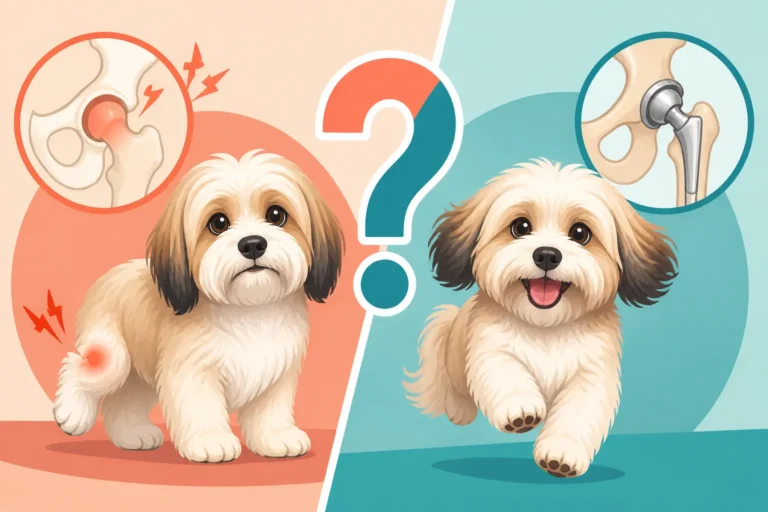
At the vet, they will perform a thorough physical examination, checking for signs of pain, swelling, instability, and range of motion. Diagnostic tools like X-rays are common to check for fractures, dislocations, or severe arthritis. In some cases, more advanced imaging like an MRI or CT scan might be recommended, particularly for spinal injuries. Treatment options will vary widely depending on the diagnosis, ranging from strict rest and pain medication for sprains to surgical intervention for fractures, severe luxations, or cruciate ligament tears. Recovery often involves rehabilitation, and Whether a Havanese Needs Physiotherapy After Surgery is a question your vet might answer with a resounding yes. The costs associated with diagnosis and treatment can be substantial, but many pet owners find peace of mind with pet insurance plans, such as those offered by Healthy Paws, which can help cover a significant portion of these unexpected expenses. For any serious issue, knowing what Whether a Havanese Needs Femoral Head Surgery means for recovery is essential.
Summary of Safe Practices for Your Havanese
To truly protect your Havanese from the dangers of jumping off furniture, a multi-faceted approach is best. Here’s a quick overview of the key actions you can take to keep your furry friend safe and sound:
| Aspect | Recommended Action | Why it Helps |
|---|---|---|
| Furniture Access | Install pet ramps or steps for beds and couches. | Eliminates high-impact jumps, reducing joint strain. |
| Floor Surfaces | Place rugs or anti-slip mats on hard, slippery floors. | Prevents slips and falls that can lead to acute injuries. |
| Weight Management | Maintain a healthy weight through diet and exercise. | Reduces stress on joints, preventing premature wear and tear. |
| Appropriate Exercise | Engage in moderate, low-impact activities daily. | Builds muscle support for joints without causing damage. |
| Training | Discourage jumping from heights from an early age. | Teaches safe habits and reinforces alternative behaviors. |
| Health Monitoring | Watch for limping, pain, or changes in movement. | Early detection of injuries leads to better outcomes. |
| Vet Check-ups | Regular veterinary visits, discussing joint health. | Proactive care and intervention for any developing issues. |
| Pet Insurance | Consider a comprehensive pet insurance policy. | Provides financial support for unexpected vet bills. |
By implementing these strategies, you can significantly reduce the risk of your Havanese suffering preventable injuries, ensuring they remain happy, healthy, and agile for many years to come.
Disclaimer
The information provided in this guide is for general informational purposes only and does not constitute veterinary advice. Always consult with a qualified veterinarian for any health concerns or before making any decisions about your pet's health or treatment plan.