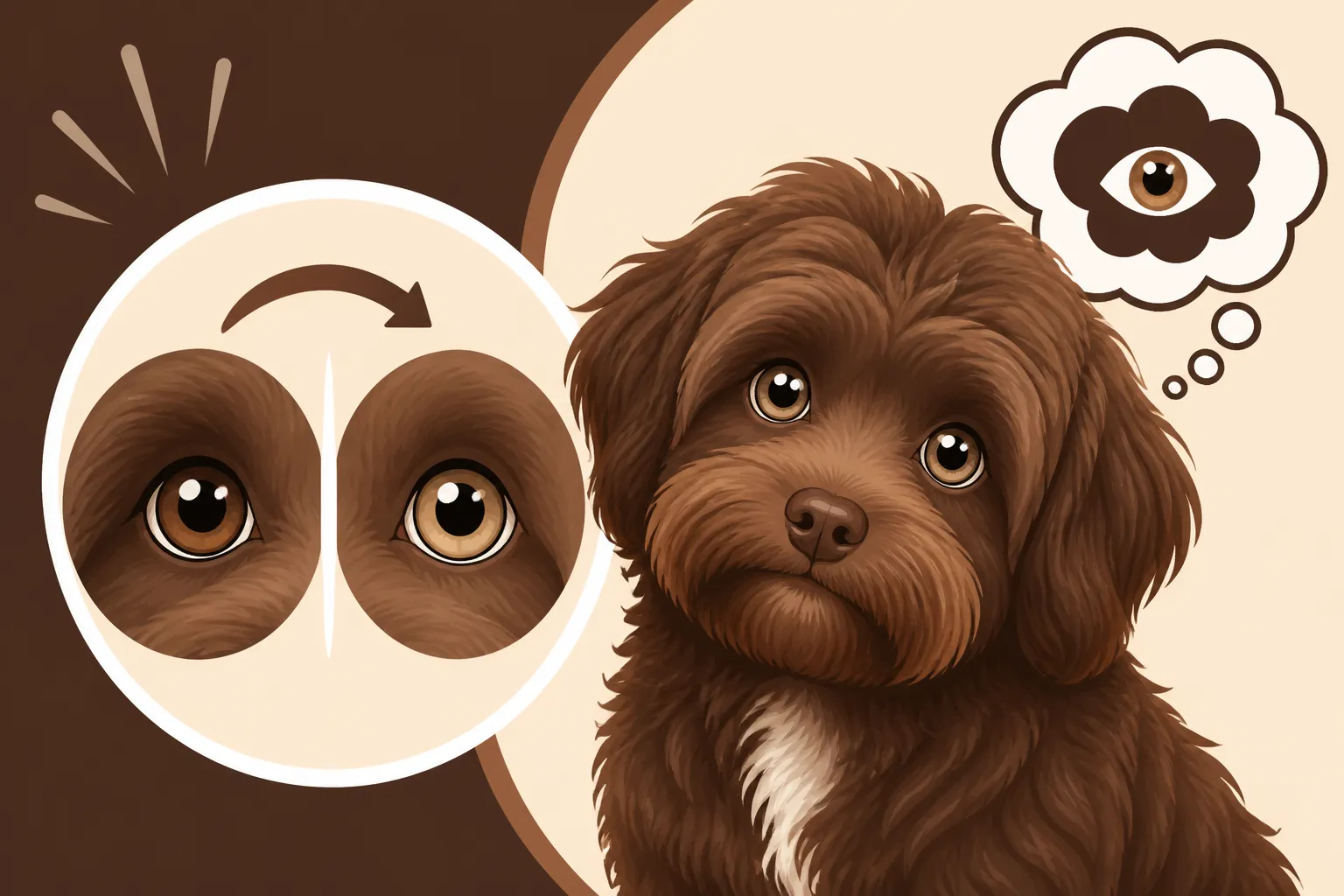
Whether a Chocolate Havanese Has Lighter Eyes
A chocolate Havanese can have lighter-looking eyes than a dog with black or sable coloring, but it is not a sure thing. Chocolate coats are linked to brown pigment, which may also affect the nose, eye rims, and sometimes the shade of the eyes. Here’s what that can mean, what’s ordinary variation, and which eye changes deserve a veterinarian’s attention.
Why chocolate Havanese eyes may look lighter
Chocolate coloring affects more than the coat
“Chocolate” describes a coat color associated with brown rather than black pigment. In dogs, inherited pigment differences can influence eumelanin, the pigment responsible for dark coloring in areas such as the coat, nose, and eye rims. In a chocolate Havanese, those areas may appear brown instead of black.
That pigment pattern can make the eyes look lighter, too. A chocolate dog may have warm brown, amber, or hazel-looking eyes, while a black-coated Havanese may appear to have very dark brown eyes. The difference can be subtle: lighting, the length of hair around the eyes, and the color of the surrounding coat can all change how the eyes look to you.
It’s a tendency, not a guarantee. Two chocolate Havanese can have noticeably different eye shades, and a brown nose or eye rims do not tell you exactly what color the irises will be. If you’re comparing photographs, remember that bright outdoor light and phone-camera processing can make dark eyes look honey-colored.
Lighter brown is not the same as blue
People sometimes use “light eyes” to mean any shade that isn’t nearly black. For a chocolate Havanese, that might mean warm brown or amber. Blue eyes are a different appearance and should not be assumed to be a normal result of a chocolate coat.
A puppy’s eyes can also look different as it grows. Eye color may deepen or settle during early development, so a very young puppy’s shade may not be the final one. If a puppy’s eyes look pale in a photo, check them in natural light and consider whether reflections or camera exposure are affecting the appearance.
If you’re trying to distinguish brown, amber, and blue, look at both eyes in soft daylight rather than using a flash. You can also ask the breeder what the puppy’s parents’ eyes look like and whether the puppy’s color is expected to change. For more on that separate color question, see Whether a Havanese Can Have Blue Eyes.
Breed expectations do not mean every eye looks identical
Breed descriptions often favor dark brown eyes, but a breed standard is not a medical diagnosis and does not mean every healthy dog has precisely the same shade. A chocolate Havanese may look different from a dark-coated dog because its pigment is different, while still having clear, comfortable, normally functioning eyes.
Eye color is only one part of a dog’s appearance. The coat may change as a Havanese matures, and some coat colors lighten or shift over time. Eye shade, coat shade, and nose pigment do not necessarily change together in a predictable way. If you’re learning how the breed’s colors are described, Every Color a Havanese Is Allowed to Be gives useful context on the range of coat appearances.
How to tell normal variation from an eye problem
Look for a gradual, even color rather than a sudden change
A naturally lighter iris usually looks fairly consistent from day to day. It may appear warmer in sunlight and darker indoors, but the eye itself remains clear and comfortable. Both eyes may be similar, though small differences between eyes can occur in dogs as they do in people.
A sudden change is different. If one eye becomes cloudy, unusually pale, red, swollen, or visibly different from the other, don’t write it off as a coat-color trait. Squinting, frequent blinking, rubbing at the face, tearing, discharge, or avoiding bright light are also reasons to contact a veterinarian. Eye discomfort can be easy to miss in a cheerful dog, especially when long facial hair partly covers the eyes.
A shift in the apparent color can also come from something on the eye’s surface or a change inside the eye, rather than from inherited coat pigmentation. You do not need to identify the cause at home. Take note of when you first noticed it, whether it affects one or both eyes, and whether your dog is behaving differently; those details can help your veterinarian.
Notice clarity, comfort, and vision as well as color
A healthy-looking eye is generally clear, with no persistent redness, heavy discharge, or obvious cloudiness. Watch how your Havanese moves around familiar rooms, finds toys, and responds to people approaching from different directions. A dog that begins bumping into furniture, hesitating on stairs, or seeming startled may need an eye examination, even if the eyes do not look dramatically different.
Do not rely on appearance alone to rule out trouble. Some eye conditions develop gradually, and dogs can compensate well for changes in vision. A routine check with your veterinarian is a sensible way to raise questions about eye shade, especially if you have noticed a change or your dog has a family history of eye problems. The inherited conditions and warning signs are discussed in The Eye Diseases a Havanese Inherits.
A veterinarian can examine the eye itself and decide whether further assessment is needed. Avoid using human eye drops or leftover pet medication unless your veterinarian specifically advises it. A product that helped a previous irritation may be inappropriate for a different problem, and some eye conditions need prompt treatment.
Keep facial hair from confusing the picture
Havanese hair can hang near the eyes and make them look darker, lighter, or partly hidden depending on how it falls. Strands rubbing the eye may cause watering or irritation, which can make the area look red or stained. Keeping the hair neatly managed can make it easier to see the eyes and notice changes early.
At home, use a clean, damp cloth or a pet-safe product recommended by your veterinarian to gently clean the fur around the eyes. Don’t press on the eyeball or try to trim close to the eye if your dog is fidgety. If hair repeatedly falls into the eyes, ask a groomer or veterinarian about a safe trim. For more on keeping facial hair out of the way, see Whether Hair in a Havanese's Eyes Causes Damage.
What a chocolate eye shade can and cannot tell you
Eye color does not predict overall health
A lighter brown or amber eye in a chocolate Havanese is a color observation, not a health score. It does not by itself show that a dog is healthier, less healthy, or more likely to develop an eye condition. Likewise, a dark-eyed dog is not automatically free of inherited problems.
When choosing a puppy, focus on the whole picture: the puppy’s comfort and behavior, the breeder’s transparency, veterinary records, and the health history of the parents. Ask what eye examinations or health testing have been done and whether there are known concerns in the line. Color can be part of your preference, but it should not replace questions about health and responsible breeding.
If the breeder makes a broad claim that a particular eye shade guarantees health, ask for a clear explanation. Eye color and inherited eye disease are not interchangeable topics. A useful starting point for understanding breed-wide health considerations is Whether Color Affects a Havanese's Health.
Brown pigment on the face is a separate clue
The nose and eye rims can offer clues about pigment, but they cannot confirm an eye color or diagnose a health issue. A chocolate Havanese may have brown pigment where another dog has black, and the nose can sometimes look lighter under certain lighting. That inherited coloring should be distinguished from a new change in nose color, which can have other explanations.
If the nose changes noticeably, becomes sore, crusted, swollen, or loses pigment in a patch, bring it up at a veterinary appointment. The same goes for changes around the eyelids. A color difference that has been present since puppyhood is a different situation from a new mark or a change accompanied by discomfort. See Whether a Havanese's Nose Loses Pigment for more on that specific question.
When you’re unsure whether a feature is longstanding, compare current photos with older ones taken in similar lighting. Photos can be helpful, but they are not a substitute for an examination when there are signs of irritation, cloudiness, or vision changes.
Make eye checks part of ordinary care
You don’t need to inspect your Havanese’s eyes obsessively. A quick look during grooming or cuddling is usually enough to notice a new discharge, persistent redness, or a difference between the eyes. If your dog already sees a veterinarian regularly, mention any change you’ve noticed and ask whether an eye exam is appropriate.
Routine screening may be recommended depending on age, family history, symptoms, or the veterinarian’s findings. The right schedule is not necessarily identical for every dog. Whether a Havanese's Eyes Should Be Screened Yearly explains why screening intervals can depend on the individual rather than eye shade alone.
For basic cleaning, choose products with your veterinarian’s guidance, especially if your dog has sensitive skin or a history of irritation. Chewy may be a convenient place to compare pet eye wipes or grooming supplies, but check that any product is intended for use around the eyes and follow your veterinarian’s advice. Don’t put a wipe, cleanser, or medication directly into the eye unless its instructions and your veterinarian say it is safe.
Practical questions to ask about a chocolate Havanese
What should I ask a breeder?
Ask whether the puppy’s eyes have been examined and whether there is a family history of eye disease. You can also ask what color the parents’ eyes are and whether the breeder has noticed eye-color changes as puppies mature. These questions help you understand the puppy’s background without treating a particular shade as a promise of health.
A responsible conversation should include more than color. Ask about the parents’ general health, the puppy’s veterinary care, and what records will come with the puppy. If a breeder focuses heavily on “rare” eye shades but is reluctant to discuss health history, that is a reason to slow down and ask more questions. A color description is not a substitute for clear documentation and thoughtful care.
If you already have a puppy, take a clear photograph in natural light and note the date. That gives you a simple reference if the shade appears to change later. Share your concern with your veterinarian if the change is sudden or comes with any sign of discomfort.
What can I do at home?
Keep the hair around the eyes clean and comfortably out of the way, and look for changes in clarity or comfort rather than repeatedly judging the exact shade. If your Havanese gets tear marks, gently clean the surrounding fur with a damp cloth or a product your veterinarian recommends. Stop if cleaning causes distress or redness.
You can find grooming tools and pet-care supplies through retailers such as Chewy, but choose products based on their intended use and your veterinarian’s guidance rather than marketing claims. Avoid whitening products, home remedies, and human eye drops near the eye unless your veterinarian has specifically approved them. If tearing is persistent, the skin is irritated, or the eye looks cloudy, book an examination instead of trying several products in succession.
The short answer is that a chocolate Havanese may have lighter brown or amber-looking eyes, but not every one will. A gradual, comfortable, clear eye is more reassuring than any particular shade. Sudden color changes, cloudiness, redness, squinting, or vision changes deserve veterinary attention.
Disclaimer
This article is for general informational purposes only and does not constitute professional advice. Laws, prices and regulations vary by location and change over time. Consult a qualified professional for guidance on your specific situation.