Whether a Havanese’s Eyes Should Be Screened Yearly
It’s a common worry among Havanese parents: how do you keep those beautiful, expressive eyes healthy? You want to do everything right, but with so much information out there, it’s hard to know if you’re doing enough, especially when it comes to routine check-ups. This guide will walk you through why annual eye screenings are so important for your Havanese, what veterinarians look for, and how you can support their vision at home for a long, happy life.
Understanding Havanese Eye Health Concerns
Our sweet Havanese companions are generally a healthy breed, often living The Fourteen to Sixteen Years a Havanese Lives with proper care. However, like all purebreds, they can be predisposed to certain genetic conditions, and their eyes are no exception. Knowing what to look out for, and why regular screening is key, can make all the difference.
Common Inherited Eye Conditions in Havanese
Havanese, with their charming dark eyes, can be prone to several inherited eye conditions that might not be immediately obvious to the untrained eye. These can range from subtle changes that progress slowly to more severe issues that impact their vision significantly. It's truly heartbreaking to think of our furry family members struggling with something we could have potentially mitigated or managed earlier.
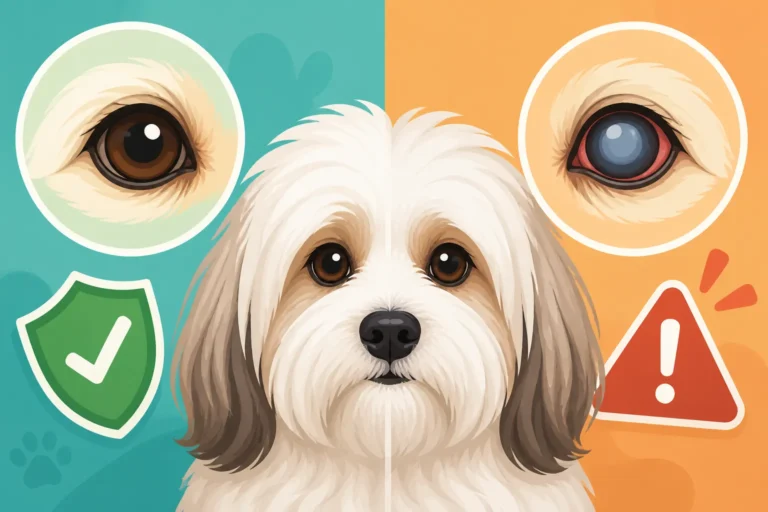
One of the most concerning conditions is Progressive Retinal Atrophy (PRA). This is a degenerative disease that affects the photoreceptor cells in the retina, leading to gradual vision loss and eventually blindness. It's often inherited, and while there's no cure, early detection can help you prepare and make accommodations for your dog as their vision diminishes. Another condition to be aware of is hereditary cataracts. While cataracts can occur in any dog, certain types are inherited in Havanese and can develop at a younger age. These cause the lens of the eye to become cloudy, impairing vision. If left untreated, severe cataracts can lead to total blindness, but surgical options are sometimes available. Understanding these specific vulnerabilities is part of why screening for The Eye Diseases a Havanese Inherits is so important.
Non-Inherited Eye Issues
Beyond inherited conditions, our Havanese can also experience a range of non-inherited eye problems due to their anatomy, environment, or general health. These might not be as serious as genetic diseases, but they can certainly cause discomfort and, if ignored, can lead to more significant issues.
One of the most common issues Havanese owners face is tear staining. While often cosmetic, excessive tear staining can sometimes indicate underlying problems like blocked tear ducts, allergies, or even eye irritation from Whether Hair in a Havanese's Eyes Causes Damage. Keeping up with Cleaning the Tear Marks Under a Havanese's Eyes is not just about aesthetics; it’s about preventing skin irritation and infection in the delicate folds around their eyes. Another frequent complaint is "dry eye," medically known as Keratoconjunctivitis Sicca (KCS), where the eyes don't produce enough tears. This can lead to chronic irritation, corneal ulcers, and potentially vision impairment if not treated. You might notice your Havanese blinking excessively, having a thick discharge, or redness in their eyes. Sometimes, even the way their long, flowing coats interact with their eyes can cause irritation, making it essential to keep the hair trimmed or tied back from their face. These everyday issues, while seemingly minor, can quickly escalate, so paying attention to your Havanese's eyes daily is a habit worth cultivating.
The Importance of Regular Ophthalmic Exams
You might wonder if yearly general vet check-ups are enough. While your primary veterinarian does a fantastic job with overall health, just like we see specialists for our own specific health needs, a board-certified veterinary ophthalmologist brings a deeper level of expertise to your Havanese's eye health.
What a Board-Certified Veterinary Ophthalmologist Looks For
When you take your Havanese to a veterinary ophthalmologist for a screening, they're not just glancing at their eyes. They perform a comprehensive examination that goes far beyond what a general vet might do in a routine check-up. This specialized exam helps them detect even the most subtle signs of trouble.
The ophthalmologist will typically start with a thorough visual inspection, checking for any abnormalities in the eyelids, lashes, and the surrounding structures. They’ll then perform a Schirmer Tear Test to measure tear production, which is crucial for diagnosing Whether a Havanese Gets Dry Eye. They might use fluorescein stain to check for corneal ulcers or abrasions – a tiny scratch on the surface of the eye that can be incredibly painful and, if untreated, lead to serious infection. A tonometry reading will measure the intraocular pressure, helping to screen for glaucoma, a painful condition that can lead to rapid blindness. Finally, and perhaps most importantly, they will perform an ophthalmoscopic exam, using special lights and lenses to look deep into the back of the eye, examining the retina and optic nerve. This is where conditions like Progressive Retinal Atrophy in a Havanese and early-stage Hereditary Cataracts in a Havanese can be identified, often long before you notice any symptoms at home. This detailed examination is why these specialist screenings are so invaluable.
Early Detection and Proactive Management
The truth is, many serious eye conditions in Havanese don't show obvious symptoms until they're quite advanced. By that point, treatment options might be limited, or the damage could be irreversible. This is where annual ophthalmic screenings truly shine – they allow for early detection, which is the cornerstone of proactive management.
Imagine catching a small cataract when it's just beginning to form, rather than when your Havanese is bumping into furniture. Early diagnosis means you and your vet can discuss management strategies, whether it's dietary changes, medication, or planning for potential surgery down the line. For conditions like glaucoma, where rapid treatment is critical to preserving vision, those regular pressure checks can be life-saving for their eyesight. Knowing what's developing allows you to explore all available avenues, weigh the pros and cons of treatments, and often leads to better outcomes and a higher quality of life for your furry friend. Many pet insurance providers, like Healthy Paws, recognize the importance of these preventative screenings in potentially reducing future, more costly interventions, offering peace of mind that you can afford the best care should something arise.
Recommendations for Havanese Eye Screening
So, with all this in mind, what’s the concrete recommendation for your Havanese’s eye health? The consensus among veterinary ophthalmologists and breed clubs is pretty clear.
Yearly Screening: Why It's the Gold Standard
For Havanese, annual eye screenings by a board-certified veterinary ophthalmologist are indeed considered the gold standard. This isn't just an arbitrary recommendation; it's based on the breed's predispositions and the progressive nature of many eye conditions. Think of it like your own yearly physical – you might feel perfectly fine, but those routine checks can catch things you'd never suspect.
These yearly exams, particularly those certified by the Orthopedic Foundation for Animals (OFA) through their Companion Animal Eye Registry (CAER) program, provide a critical snapshot of your Havanese’s eye health. Over time, these consistent annual evaluations create a baseline, allowing the ophthalmologist to track any subtle changes year after year. This long-term monitoring is incredibly powerful. For example, if a tiny cataract is noted at age three, the next year's exam can show if it's growing, stable, or if new ones are appearing. This vigilance allows for timely intervention before a minor issue becomes a major problem. It’s an investment in their long-term comfort and vision, helping them continue to play and explore their world unhindered for The Fourteen to Sixteen Years a Havanese Lives.
Beyond Annual Exams: When to Seek Immediate Attention
While annual screenings are crucial, it’s just as important for you, as their loving owner, to be vigilant between appointments. Your Havanese can’t tell you when their eye hurts or their vision is blurry, so recognizing the signs that warrant an immediate vet visit is vital.
Any sudden changes in your Havanese’s eyes should be a red flag. Look for signs such as excessive tearing or discharge, especially if it’s thick, colored, or crusty. Redness in the white of the eye or around the eyelids, swelling, or persistent blinking or squinting are also immediate concerns. If you notice them rubbing their eyes frequently, bumping into objects more often, or if one eye suddenly appears cloudy, hazy, or significantly different from the other, don’t wait for the next annual check. These could indicate painful conditions like corneal ulcers, glaucoma, or acute injury. Even a small change in pupil size or reactivity to light can be a sign of neurological issues. When in doubt, it’s always best to err on the side of caution and contact your veterinarian right away. Early intervention in these acute cases can often save their vision and prevent unnecessary pain.
Supporting Your Havanese's Eye Health at Home
Your role in your Havanese's eye health extends far beyond scheduling vet appointments. Daily care, attention to diet, and being mindful of their environment can significantly contribute to their comfort and vision.
Daily Care and Hygiene
Just like their glorious coats, your Havanese's eyes need consistent, gentle attention every single day. Their long facial hair, while adorable, can sometimes be a culprit for eye irritation or block tear drainage, exacerbating Whether a Havanese Gets Tear Staining.
Make it a habit to gently wipe around their eyes daily with a soft, damp cloth or a veterinarian-approved eye wipe. This helps remove any accumulated debris, dust, or tear stains. For those stubborn tear stains, consult your vet for safe and effective cleaning solutions, as some over-the-counter products can be harsh or ineffective. Regularly trim the hair around their eyes using blunt-nosed scissors, or ensure your groomer keeps this area neat. This prevents stray hairs from poking the eye, which can cause painful abrasions or introduce bacteria. Remember that maintaining proper overall hygiene, including regular baths and brushing, also helps keep environmental irritants out of their eyes. Keeping their face clean and dry, especially after meals and drinks, also reduces the chance of yeast or bacterial infections in moist areas. It’s all part of What a Havanese Needs Every Day to thrive.
Nutritional Support and Environmental Factors
A balanced diet plays a foundational role in overall health, and that includes eye health. While no diet can prevent genetic conditions, good nutrition can support healthy vision and boost their immune system to fight off infections.
High-quality dog food formulated for small breeds often contains essential nutrients like antioxidants, omega-3 fatty acids, and vitamins A, C, and E, which are beneficial for eye health. Some owners also opt for vet-approved supplements containing these nutrients, especially as their Havanese ages, which can be particularly helpful when Caring for a Havanese Past Twelve. Beyond diet, be mindful of environmental factors. Avoid exposing your Havanese to strong winds, dust, or irritating chemicals like household cleaners or strong perfumes, which can dry out or irritate their eyes. If they spend time outdoors, consider how pollen or dust might affect them, especially during allergy season. Even things like smoke from fireplaces or candles can be irritants. Ensuring a clean, dust-free home environment contributes to their overall well-being, including their precious eyesight. And remember, if you have concerns about the cost of ongoing care or preventative measures, considering pet insurance like Healthy Paws can alleviate financial stress, allowing you to prioritize your Havanese's health without compromise.
Common Havanese Eye Conditions & Screening Recommendations
To help you keep track, here’s a quick overview of some common Havanese eye conditions and the recommended screening approaches.
| Condition | Description | Early Signs (You Might See) | Screening Recommendation |
|---|---|---|---|
| Progressive Retinal Atrophy (PRA) | Degeneration of retinal photoreceptor cells, leading to gradual blindness. | Night blindness, dilated pupils, bumping into things | Annual ophthalmic exam (CAER), DNA testing (if available for specific variant) |
| Hereditary Cataracts | Clouding of the eye's lens, impairing vision. | Cloudy spot in eye, vision loss | Annual ophthalmic exam (CAER) |
| Keratoconjunctivitis Sicca (KCS) | "Dry Eye" – insufficient tear production. | Redness, thick discharge, blinking, squinting | Schirmer Tear Test during annual ophthalmic exam |
| Glaucoma | Increased intraocular pressure, leading to pain and rapid blindness. | Red eye, cloudy cornea, dilated pupil, pain, squinting | Tonometry (eye pressure) during annual ophthalmic exam |
| Entropion/Ectropion | Inward (entropion) or outward (ectropion) rolling of eyelids. | Tearing, irritation, discharge, redness | Visual inspection during annual ophthalmic exam |
| Tear Staining | Reddish-brown discoloration under eyes, often due to excessive tearing. | Staining, damp fur around eyes, skin irritation | Visual inspection, often linked to other eye health checks |
Don't forget that a specialized visit to a veterinary ophthalmologist for What a Havanese's Eye Care Costs can be an important part of your overall budget, and it's an investment in those soulful eyes we love so much.
Disclaimer
This article is intended for informational purposes only and is not a substitute for professional veterinary advice. Always consult with a qualified veterinarian or a board-certified veterinary ophthalmologist for any concerns regarding your Havanese's eye health or treatment.