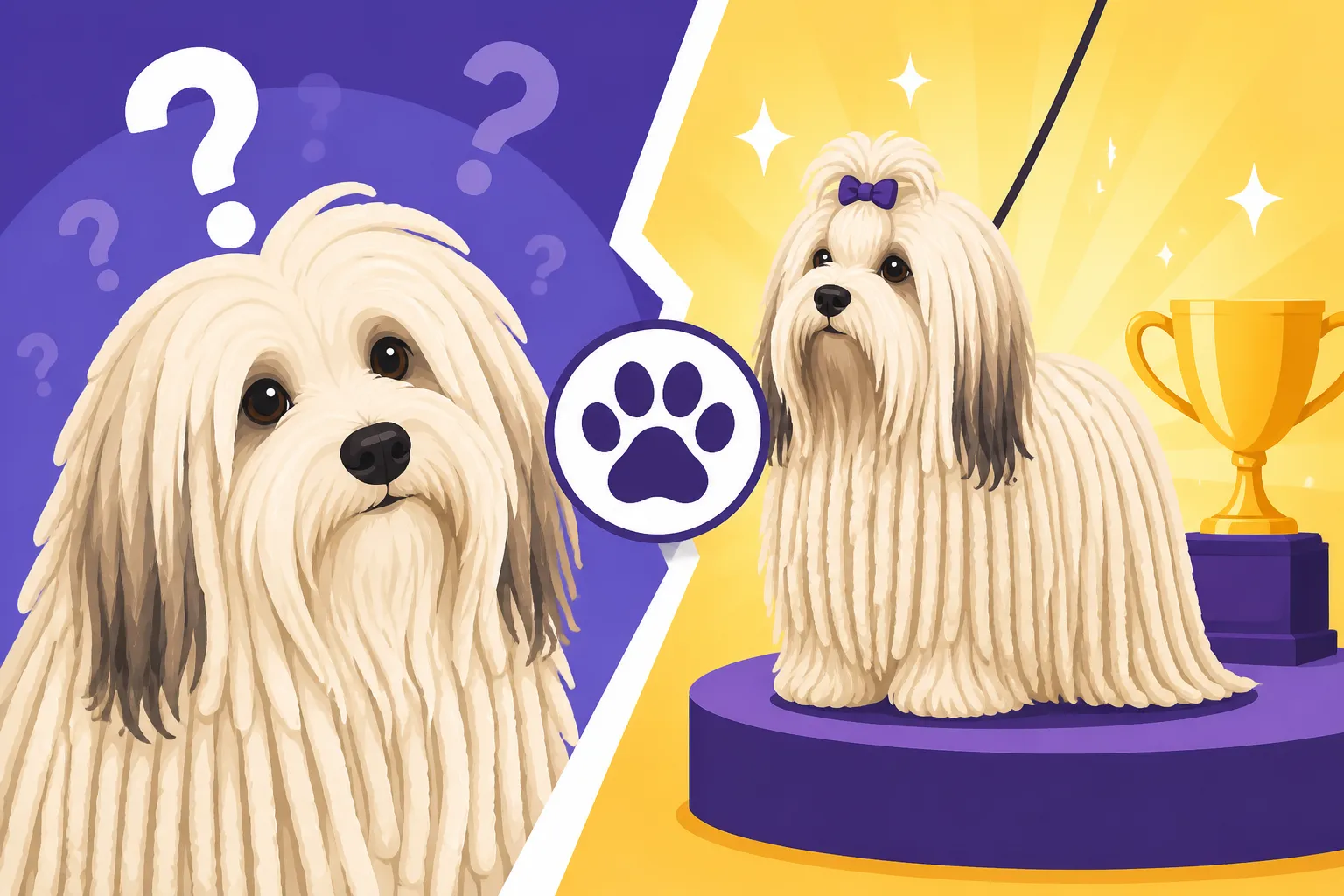
Whether a Corded Havanese Can Be Shown
One of the most common questions I hear from Havanese enthusiasts, especially those new to the breed or considering venturing into the show world, is about their dog's magnificent coat. Specifically, there's often confusion and curiosity around the idea of cording a Havanese and whether such a distinctive look is acceptable in the show ring. It's a valid concern, as the grooming commitments for a Havanese are significant, and understanding the nuances of presentation can feel like navigating a maze. This guide will thoroughly explore what it means to cord a Havanese and, more importantly, whether this unique coat style aligns with the expectations and standards of the competitive dog show circuit.
Understanding the Corded Havanese Coat
Before we dive into the show ring specifics, let's really get to grips with what a corded Havanese coat is all about. It’s not just a messy or neglected coat; it’s a deliberately cultivated style that highlights a particular aspect of the Havanese's natural hair growth. When done correctly, it's a stunning, almost artistic presentation.
The Natural Tendency to Cord
The Havanese boasts a glorious double coat, often described as silky, though its texture can vary. Unlike many long-coated breeds that require constant brushing to prevent matting, the Havanese has a natural inclination to form cords under the right conditions. This isn't a flaw; it's part of their unique heritage. Think of it like dreadlocks on a human – it’s a specific way the hair locks together. The undercoat and guard hairs intertwine, and if left undisturbed and kept clean, they will naturally felt into ropes or cords.
This natural tendency is actually a throwback to their Cuban ancestry, where a corded coat offered protection from the elements. It kept them cool in the heat, warm in the cooler evenings, and shielded their delicate skin. While most modern Havanese owners opt for a brushed coat or a The Puppy Cut Most Havanese Owners End Up Choosing, the capacity for cording remains a fascinating genetic trait. It’s a testament to the breed’s adaptability and its original purpose as a companion dog in a tropical climate.
The Process of Cording
Cording a Havanese is not a quick or easy process; it's a significant commitment that begins when the puppy coat starts to change, typically between eight months and a year of age. This is often around the same time you notice a brushed Havanese suddenly starts matting more easily, as the adult coat begins to come in and mix with the softer puppy fuzz. The first step involves careful, deliberate separation of the hair into small, even sections. You don't brush these sections; instead, you encourage them to twist and felt together from the skin out.
This isn't a passive process where you just "let it happen." It requires meticulous attention, separating the developing cords regularly to ensure they form cleanly and evenly, rather than clumping into wide, uncomfortable mats. It’s a labor of love that involves patiently twisting and splitting the hair, usually after a bath, as the coat dries. The cords need to be kept clean and completely dry to prevent mildew and skin issues. If you’re considering this, be sure to read up on Cording a Havanese and What It Commits You To because it truly is a lifestyle choice. How Long Cords Take to Form on a Havanese can vary, but it's a months-long endeavor before you see well-formed ropes.
Misconceptions About Corded Coats
There are a lot of myths floating around about corded coats, especially for breeds like the Havanese. One common misconception is that a corded coat is dirty or unkempt. On the contrary, a properly corded coat is clean and well-maintained. It gets bathed regularly, just like a brushed coat, but the drying process is much longer and more involved. The cords themselves act like little wicks, and if not thoroughly dried, moisture can get trapped, leading to skin irritation or odor.
Another myth is that once a dog is corded, you can never go back to a brushed coat. While it’s certainly a massive undertaking, it is technically possible, though highly impractical, to brush out fully formed cords. More realistically, if you decide cording isn't for you, the cords would need to be shorn off, and the dog would grow a new brushed coat. It's a commitment, not a temporary hairstyle. Also, many wonder Whether a Corded Havanese Smells. A well-maintained corded coat, kept clean and dry, should not smell any more than a brushed coat. Neglect, however, is a different story entirely.
The Havanese Breed Standard and Show Rules
Now, let's get to the crux of the matter: can a corded Havanese actually step into the show ring and compete? The answer, in short, is yes, but with important nuances rooted in the breed standard and the judging process.
What the Standard Says about Cording
The official breed standard for the Havanese, as recognized by organizations like the American Kennel Club (AKC), describes the coat as "long, soft, silky, double coat." It specifies that the coat "may be wavy or straight" and emphasizes that it "is never coarse." Crucially, it also states, "The coat may be corded." This one sentence is the key. It explicitly permits cording as an acceptable presentation for the Havanese in the conformation ring. This isn't true for all long-coated breeds; some standards demand a brushed, flowing coat.
The standard goes on to say that a corded coat "is permissible and should be rewarded if properly presented." This means not just any corded coat will do. It must be clean, well-formed, and clearly cared for. Judges are looking for health and condition, regardless of the coat style. The cords should hang cleanly, not be matted together into large clumps. It’s about showcasing the natural texture and unique character of the Havanese coat in a well-executed manner. This specific inclusion in the standard sets the Havanese apart from many other breeds.
Interpretation by Judges
While the breed standard explicitly allows for cording, the interpretation and preference among individual judges can vary. Some judges may have a personal affinity for the traditional brushed, flowing coat, seeing it as the quintessential Havanese look. Others might be fascinated by a beautifully maintained corded coat, recognizing the dedication and skill involved in its presentation. It's not about right or wrong, but about different perspectives.
A judge's job is to evaluate the dog against the breed standard, and since the standard permits cording, they cannot fault a dog solely for being corded. However, they will be looking for a Havanese underneath those cords that meets all other aspects of the standard: sound movement, correct structure, proper temperament, and overall balance. A poorly maintained or unkempt corded coat would certainly be penalized, just as a dirty or matted brushed coat would be. The emphasis is always on a clean, healthy, and well-presented dog.
The Role of Presentation
Presentation is absolutely paramount, whether your Havanese is brushed or corded. For a corded Havanese, this means ensuring the cords are clean, free of debris, and well-separated right down to the skin. They should hang naturally and move freely with the dog, showcasing their lively gait. Any signs of neglect, such as matted areas where cords have clumped together, skin irritation, or a musty odor, will be a significant detraction.
Think about the effort involved in preparing a traditionally groomed Havanese for the ring – the endless brushing to ensure The Silky Double Coat a Havanese Grows to the Floor is pristine. A corded Havanese requires an equal, if not greater, amount of careful attention to detail. This often involves specialized bathing and drying techniques to ensure the cords are immaculate. For tools and supplies, you might find items like specific cord-separating tools or even specialized shampoo and drying products on sites like Chewy or Amazon, tailored for this unique coat type.
Challenges and Rewards of Showing a Corded Havanese
Choosing to show a corded Havanese brings with it a unique set of challenges and, for the dedicated owner, immense rewards. It’s not the path for everyone, but for those who embrace it, it can be a truly special experience.
Grooming for the Ring
The grooming routine for a show-quality corded Havanese is intensive and distinct. First and foremost, the cords must be meticulously clean. This means baths are still necessary, perhaps less frequently than for a brushed coat, but far more time-consuming. Drying a corded Havanese can take hours, sometimes even a full day, as each cord must be thoroughly dry to prevent mildew and skin issues. Imagine managing How Long a Corded Havanese Takes to Dry after a bath – it's a true test of patience! Special high-velocity dryers are often used, along with careful towel drying and air circulation.
Beyond bathing, the individual cords need regular "ripping" or separation. This is where you carefully separate the cords by hand, making sure they don't merge into larger mats, especially at the roots. This process ensures the cords are of uniform thickness and hang nicely. For facial hair, many corded Havanese will have their head cords tied up to keep them out of the eyes, similar to a topknot on a brushed Havanese, but with the cords themselves forming the structure. This attention to detail is what judges look for in "properly presented" cords. It's a labor of love that demonstrates a deep understanding and commitment to the breed's unique coat capabilities.
Judge's Perspective on Authenticity and Health
When a judge encounters a corded Havanese, they are not just looking at the aesthetics; they are evaluating the authenticity and health of the coat. They want to see cords that are clearly natural formations, not artificially created or held together with products. The texture of the Havanese coat, being silky, naturally lends itself to softer, more flexible cords than some other corded breeds, which tend to have coarser hair. A judge will assess if the cords feel clean and healthy, not greasy, brittle, or matted. They'll also observe the skin beneath the cords for any signs of irritation, redness, or dryness, all indicators of poor maintenance.
The dog's overall health is paramount. A corded coat, when cared for diligently, should not impede the dog's movement or comfort. The judge will observe how the dog moves, ensuring the cords don't get in the way of its gait. They'll also look for a happy, confident demeanor. A dog that is uncomfortable or itchy due to its coat will not present well, regardless of how perfectly formed its cords might be. It really comes down to whether the owner has honored the intention of the standard: a beautiful, healthy dog, presented in an allowed fashion.
The Appeal of a Corded Havanese
Despite the challenges, showing a corded Havanese can be incredibly rewarding. It allows you to showcase a truly unique aspect of the breed, one that harks back to its origins. A well-conditioned and beautifully presented corded Havanese stands out in a ring full of traditionally brushed dogs. It demonstrates a deep understanding and appreciation for the breed's historical coat type and an extraordinary level of dedication from the owner.
For some Havanese owners, choosing to cord their dog is a way of celebrating the breed's natural versatility and heritage. It's a distinctive look that draws attention and often prompts conversation. While it may not always win Best in Show due to subjective preferences, a well-presented corded Havanese can certainly achieve championship titles and garner respect from judges and fellow exhibitors alike. It's a bold statement that speaks to the rich history and unique charm of the Havanese.
Deciding if Cording is Right for Your Show Dog
The decision to cord your Havanese for the show ring is a significant one. It impacts not only your grooming routine but also your dog's daily life and how they are perceived. It’s essential to weigh all factors carefully.
Time and Commitment Required
Let's be blunt: cording a Havanese, especially one destined for the show ring, is a massive time commitment. It begins with the initial separation of cords as the puppy coat changes, a process that can take many months to achieve full cord development. Then comes the ongoing maintenance. While you might not brush daily like with a flowing coat, the bathing, drying, and meticulous cord separation is intense. You're committing to years of this specialized care if you want to maintain the coat.
Consider Whether a Havanese Is More Work Than It Looks – a corded coat amplifies this tenfold. It's not a set-it-and-forget-it style. Each cord needs individual attention to prevent it from becoming a matted mess or fusing with other cords. Owners often dedicate several hours a week, sometimes more, to maintain a show-quality corded coat. This means grooming products, specialized tools, and a lot of patience. If you're short on time or find regular grooming a chore, cording is likely not the right choice for you or your Havanese.
Health and Welfare Considerations
The health and welfare of your Havanese should always be the top priority. A properly maintained corded coat, believe it or not, can be very healthy for the dog. The cords offer excellent insulation, protecting the skin from sun and insects. However, an improperly maintained corded coat can lead to serious issues. If cords are left dirty or damp, they can cause skin infections, hotspots, and a foul odor. Matting close to the skin can also be painful and restrict movement.
It's crucial to be vigilant about checking your dog's skin under the cords regularly. This requires careful parting of the cords to inspect for any redness, flakiness, or irritation. Investing in good quality shampoos and conditioners designed for deep cleaning and preventing residue buildup is key. Brands like Chewy often stock a range of grooming products, and it's worth researching those specifically formulated for corded coats or for deep cleaning without residue. Your dog’s comfort and well-being must never be compromised for the sake of a show ring appearance.
Long-term Coat Management
Even after your Havanese is fully corded, the long-term management is an ongoing task. As the dog ages, their coat texture can sometimes change, and you may need to adjust your cording methods. An older Havanese might not tolerate long grooming sessions as well, so you'll need to be adaptable. Also, consider the environment where your dog lives and plays. Mud, burrs, and sticky substances can be a nightmare for a corded coat, requiring immediate and careful attention.
Many owners find that a corded coat works best for dogs that live primarily indoors and have a relatively clean lifestyle. If your Havanese loves to roll in the dirt or play rough in the woods, a corded coat will be incredibly challenging to maintain in show-ring condition. Ultimately, the decision comes down to your lifestyle, your commitment level, and your dog's temperament. If you're looking for a low-maintenance option for a show dog, a corded coat is definitely not it. However, if you're prepared for the dedication, showing a corded Havanese can be a uniquely rewarding experience that truly honors the breed's heritage.
| Feature | Brushed Havanese Coat in Show Ring | Corded Havanese Coat in Show Ring |
|---|---|---|
| Grooming Time | Daily brushing (30-60 min), weekly baths (2-3 hrs drying) | Infrequent brushing, weekly cord separation, baths (4-8+ hrs drying) |
| Coat Appearance | Flowing, silky, long, usually parted down the back. Elegant. | Ropelike cords, hanging naturally, covering the body. Distinctive. |
| Maintenance | Prevents mats, keeps coat clean, highlights texture. | Prevents clumping, ensures clean, even cords, focuses on formation. |
| Judge Acceptance | Universally accepted, traditional presentation. | Accepted by standard, but may be less common; requires proper presentation. |
| Challenges | Matting, keeping pristine clean, tangles. | Extensive drying, ensuring hygiene under cords, tedious cord separation. |
| Benefits | Classic look, showcases silky texture, easier daily management. | Unique presentation, highlights breed heritage, stands out. |
| Products | Slicker brush, pin brush, comb, detangling spray, gentle shampoo. | Cord separator, high-velocity dryer, deep-cleaning shampoo, cord bands. |
| Common Foods | Regular high-quality kibble (e.g., from Chewy or Amazon), fresh options like Ollie for good coat health. | Same; diet is key for a healthy coat from the inside out. |
Disclaimer
This article is for general informational purposes only and does not constitute professional advice. Laws, prices and regulations vary by location and change over time. Consult a qualified professional for guidance on your specific situation.