Whether Cords Ever Come Out of a Havanese
It’s a common misconception, especially for those new to the Havanese world, to wonder if those beautiful, distinctive cords that some Havanese sport are like dreadlocks that can eventually be brushed out, or if they’re a permanent fixture. The reality is that true cords, once properly formed, are an intentional and distinct coat style, and trying to "brush them out" would be an incredibly difficult, painful, and ultimately damaging process for your beloved Havanese. This guide will clarify the nature of corded coats and what happens if you decide to change course.
Understanding the Corded Havanese Coat
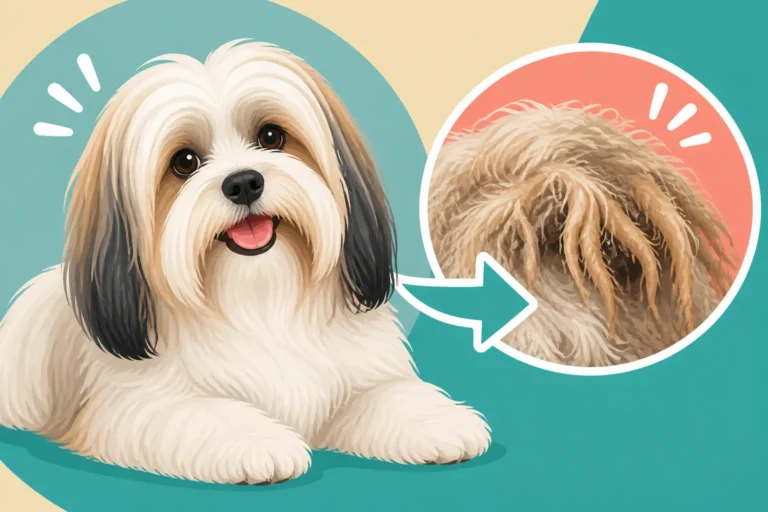
For many, the first time they see a corded Havanese, they’re captivated. These dogs look like tiny, fluffy mop heads, or perhaps like a charming, woolly sheepdog in miniature. But there's often confusion: is it just matted hair, or something else entirely? It's definitely "something else entirely," a unique and historically accurate presentation of the Havanese coat that requires a very specific approach.
What Cording Actually Is
Cording is the process of deliberately allowing the Havanese's natural double coat to separate and twist into individual ropes or "cords." Unlike matting, which is accidental, often painful, and a sign of neglect, cording is a carefully managed process. It capitalizes on the Havanese's unique coat texture – the softer undercoat intertwining with the coarser outer coat – to create these distinct formations. When done correctly, the cords are clean, evenly separated, and extend down to the skin, allowing for proper air circulation and skin health underneath.
Think of it less like an accident and more like a sculpted hairstyle. The goal isn't just to let the hair tangle, but to guide it into uniform, healthy cords. It's an art form, really, and takes patience and a keen eye to ensure the cords develop correctly. It's a testament to the breed's versatility and the dedication of owners who choose this stunning, traditional look. Many people are curious about Cording a Havanese and What It Commits You To before they ever decide to embark on this journey.
The Commitment to Cording
The decision to cord a Havanese is a significant one, not to be taken lightly. It requires a deep understanding of coat care, a tremendous amount of patience, and a consistent routine, especially during the initial formation period. The cords don't just appear overnight; they form gradually over many months, often taking a year or even longer to fully develop. During this time, the owner must diligently separate the emerging cords by hand, ensuring they are uniform in size and don't clump together into large, unmanageable mats.
It involves a different bathing technique, careful drying, and constant attention to prevent matting at the roots or the cords joining together. The time commitment is substantial, and many owners find it to be a labor of love. It's not uncommon for new corded Havanese owners to feel overwhelmed at first, wondering if they've bitten off more than they can chew. But with dedication, the result is a breathtaking and practical coat that actually offers some protection from the elements. If you're considering this unique style, understanding How Long Cords Take to Form on a Havanese is crucial for setting realistic expectations.
Can Cords Be Removed or Brushed Out?
This is where the distinction between intentional cording and accidental matting becomes paramount. While both involve tangled hair, their structure, cleanliness, and the method of their formation are entirely different, which dictates how they can be "removed."
The Difference Between Cords and Mats
Accidental mats are usually a tangled mess of hair, often packed with dirt, debris, and dead skin, forming tight, impenetrable clumps against the skin. They pull at the skin, can cause pain, skin infections, and restrict movement. They happen when a long-coated dog is not brushed regularly, allowing shed hair to become hopelessly intertwined with the live coat. Trying to brush out severe matting is excruciating for the dog and often impossible without causing injury.
Cords, on the other hand, are clean, separated ropes of hair that are meant to allow air circulation. They are carefully encouraged to form, not left to chance. The hair within a cord is interlocked in a controlled manner, resulting in a dense, rope-like structure. Because of this intentional interlocking and the length of time it takes for them to form, attempting to "brush out" a mature cord is not just difficult; it's practically impossible without causing significant pain and damage to the dog's skin and follicles. It would be akin to trying to comb out a tightly woven rope. This is why the common question Whether a Corded Havanese Can Be Brushed Out usually gets a resounding "no."
The Process of Removing Cords
If an owner decides they no longer want their Havanese to be corded, the idea of brushing them out needs to be put aside immediately. It's not a feasible or humane option. The cords are simply too dense and too tightly formed. Imagine trying to untangle hundreds, if not thousands, of individual ropes of varying lengths and thicknesses. The process would be incredibly long, painful, and likely leave the dog with severely damaged hair and raw skin. It would be an ordeal for both the dog and the owner, possibly requiring hours upon hours of work, even with professional help.
For example, if you adopt an older Havanese who has been corded, and you're not equipped or willing to maintain the corded coat, a professional groomer will almost certainly recommend shaving rather than attempting to "undo" the cords. They understand the immense discomfort it would cause the dog.
When Shaving is the Only Practical Option
When the decision is made to transition a corded Havanese to a different coat style, or if the cords have become neglected and matted at the skin, shaving is almost always the kindest and most practical solution. A professional groomer will carefully shave the cords right down to the skin, much like they would for a severely matted dog. This immediately relieves any pulling or discomfort and allows the skin to breathe.
While seeing your Havanese with a very short coat might be a shock at first, it's a fresh start. It provides an opportunity to begin anew with a different grooming regimen, whether that's a regular brushed long coat or a popular "puppy cut." The cost for this kind of extensive grooming, especially if the cords are neglected or matted, can be considerable, often more than a standard groom. For comparison, it’s often good to understand What a Full Havanese Groom Costs to put the effort and price of a full shave into perspective. This is why Whether a Matted Havanese Must Be Shaved is usually a yes, and the same principle applies to neglected cords.
Life After Decording (or Shaving)
Deciding to remove your Havanese's cords is a big step, and it ushers in a new phase of coat care. The dog will look dramatically different, and your grooming routine will completely change. It’s important to be prepared for this transition.
The Grow-Out Phase and New Coat Management
Once the cords are shaved off, your Havanese will essentially have a very short, buzz-cut coat. This is the perfect blank canvas. From this point, you can decide how you want the coat to grow out. Most owners opt for a regularly clipped style, like the popular The Puppy Cut Most Havanese Owners End Up Choosing, which is easier to maintain.
During the grow-out phase, you'll need to be diligent about brushing to prevent new mats from forming. The hair will grow back, and often it can come in quite thick. Regular bathing and conditioning are important to keep the new coat healthy and soft. You’ll need a good quality slicker brush and a metal comb. Brands like Chris Christensen or Andis offer excellent grooming tools that you can often find on Chewy or Amazon. You might also consider a good detangling spray to help keep the new growth manageable. Consistency is key, and getting into a daily or every-other-day brushing habit is crucial to ensure you don't end up with mats again. It’s a commitment, but much less intensive than maintaining cords. You might wonder Whether a Clipped Havanese Coat Grows Back the Same; generally, yes, it will grow back with its natural texture, though sometimes a shaved coat can appear softer or slightly wavier initially.
Managing a Shaved Havanese's Comfort
A newly shaved Havanese will feel different, and you might notice some changes in their behavior or needs.
- Temperature Regulation: The long, dense coat of a Havanese provides insulation, both in cold and warm weather. With a very short coat, your Havanese might feel the cold more easily. In winter, they may need a sweater or coat, especially when going outside. Conversely, while their short coat might seem cooler in summer, it also removes a layer of sun protection, so you need to be mindful of sunburn, especially on light-skinned areas.
- Skin Protection: Their skin, once shielded by thick cords, is now more exposed. This means they are more susceptible to bug bites, scrapes, and sun exposure. Keep an eye on their skin for any irritation or redness.
- Grooming Routine: The initial lack of hair means minimal brushing for a short period, but as it grows, How Long Brushing a Havanese Takes Daily will become a new routine you need to establish. Investing in good tools, perhaps from Amazon, like a fine-toothed metal comb and a soft slicker brush (many Havanese owners swear by brands like Mason Pearson or similar quality brushes for their softness on delicate skin), will be invaluable. Learning Which Brush Suits a Havanese is important for effective and comfortable grooming. You might also find yourself asking Whether a Havanese Needs a Coat in Winter for the first time!
Making the Decision: Corded, Clipped, or Brushed?
The journey of a Havanese owner often involves making choices about their dog's beautiful, yet demanding, coat. Whether to maintain a corded coat, keep it long and brushed, or opt for a shorter, clipped style is a personal decision influenced by lifestyle, climate, and the dog's comfort.
Weighing the Pros and Cons of Each Style
Each Havanese coat style has its own set of advantages and challenges. Understanding these can help you make the best decision for you and your furry friend.
| Coat Style | Pros | Cons | Grooming Frequency |
|---|---|---|---|
| Corded Coat | Unique, traditional look; low daily brushing once formed; offers protection; minimal shedding; less matting at the ends. | Extremely high initial effort; requires careful separation; longer drying time after baths; can hold debris; heavier coat. | Daily separation initially, then weekly bathing/drying |
| Long, Brushed Coat | Elegant, flowing appearance; soft to the touch; allows for creative styling; minimal shedding. | Requires daily, thorough line brushing to prevent mats; frequent bathing and drying; high time commitment. | Daily brushing, weekly bathing |
| Clipped (Puppy Cut) | Easiest to maintain; cooler in warm weather; less prone to tangles; quicker drying. | Loses traditional long Havanese look; requires regular trims (every 4-8 weeks); doesn't offer as much natural protection. | Minimal daily care, professional trim every 4-8 weeks |
Consider your own lifestyle. Do you have an hour every day for brushing a long coat, or the patience for the meticulous process of cording? Or would a low-maintenance puppy cut be a better fit for your busy schedule? Also, think about your Havanese. Some dogs tolerate extensive grooming better than others. Brands like Ollie for fresh dog food, while not grooming related, remind us that premium care comes in many forms, including understanding your dog's needs in every aspect of their life.
Seeking Professional Guidance
Regardless of the coat style you choose, or if you're transitioning from one to another, consulting with a professional groomer who has experience with Havanese is invaluable. They can offer personalized advice, demonstrate proper brushing techniques, recommend suitable tools (which you can often find on Chewy or Amazon), and help you maintain your dog's coat in a healthy and comfortable way.
A good groomer can assess your Havanese's coat type and density, helping you understand the realistic expectations for each style. They can also perform the initial cord formation, a professional shave, or provide regular maintenance clips. Don't be afraid to ask questions and learn as much as you can. After all, a healthy, well-maintained coat is vital for your Havanese's overall well-being and comfort.
Disclaimer
This article is for general informational purposes only and does not constitute professional advice. Laws, prices and regulations vary by location and change over time. Consult a qualified professional for guidance on your specific situation.