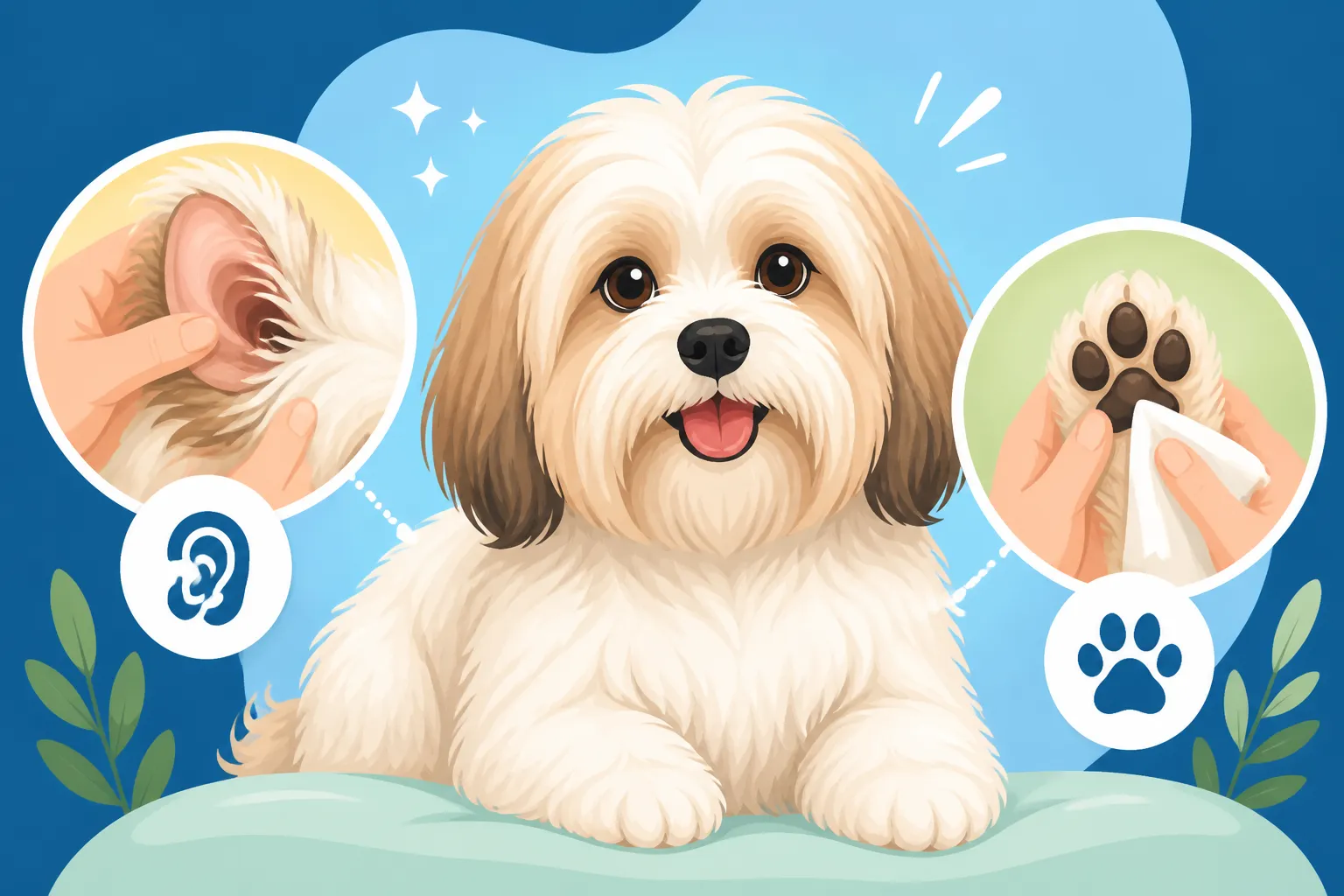
Looking After a Havanese’s Ears and Feet
You know, when you first bring home that fluffy Havanese puppy, your head is usually swimming with thoughts of cuddles, playtime, and maybe even a little bit of house training. What often gets overlooked in the initial excitement, and even for seasoned owners, are the seemingly minor but incredibly important details of ear and foot care. It’s easy to think, "Oh, their ears just hang there," or "Their little paws are fine," but neglect in these areas can lead to some truly miserable situations for your beloved companion, from painful infections to difficulty walking. This comprehensive guide is here to walk you through everything you need to know to keep your Havanese's ears clear and healthy, and their feet happy and comfortable, preventing those common pitfalls that many of us (myself included!) have faced.
Understanding the Unique Challenges of Havanese Ears
Havanese are renowned for their beautiful, flowing coats, which are certainly a significant part of their charm. However, this magnificent hair doesn't stop at their bodies; it extends right into their ears, creating a very particular set of challenges for owners. It's easy to admire their floppy ears without realizing the hidden maintenance they require, but understanding their anatomy is the first step toward effective care.
The Anatomy of a Havanese Ear and Why It's Prone to Issues
Unlike breeds with ears that stand erect, like a German Shepherd or a Corgi, your Havanese has what are called "drop ears." This means the ear flaps hang down, naturally covering the entrance to the ear canal. While adorable, this configuration significantly restricts airflow into the ear. Imagine having a permanent blanket over your ears; that's essentially what your Havanese experiences. This creates a warm, moist, and dark environment—a perfect breeding ground for opportunistic bacteria and yeast.
Compounding this issue is the fact that Havanese grow a substantial amount of hair inside their ear canals. This inner ear hair can trap earwax, dirt, and moisture, forming a plug that further exacerbates the poor ventilation. This combination of limited airflow and trapped debris makes the Havanese ear particularly susceptible to infections and discomfort. It's a natural design that, while cute, demands diligent attention from you, the owner, to counteract its inherent vulnerabilities.
Common Ear Problems and How to Spot Them
Because of the unique ear structure and hair growth, Havanese are quite prone to developing ear infections, medically known as otitis externa. Recognising the early signs is critical for prompt treatment and your dog's comfort. One of the most common indicators is increased scratching or pawing at the ears. You might also notice your Havanese shaking their head frequently, tilting their head to one side, or rubbing their ears against furniture or the floor. Sometimes, they may even yelp or pull away when you try to touch their ear, signaling pain or tenderness.
Beyond these behavioral cues, a visual and olfactory inspection is crucial. Gently lift your Havanese's ear flap and take a good look inside. A healthy ear canal should be clean, a pale, healthy pink color, and free from any strong odor. If you observe redness, swelling, or a thick, brownish, waxy discharge, these are clear signs of trouble. An unpleasant, yeasty smell, or a sweet odor, is also a strong indicator of an infection. In some cases, the discharge might be yellowish or greenish, which often points to a bacterial infection. If you notice any of these symptoms, it’s always best to consult your veterinarian rather than attempting to self-diagnose or treat, as different types of infections require different medications. This is especially true when it comes to Whether a Havanese Gets Ear Infections.
Essential Ear Cleaning Techniques and Tools
Regular ear cleaning is your primary defense against the discomfort and pain of ear infections. It’s a habit every Havanese owner needs to master. Always use a veterinary-approved ear cleaning solution designed specifically for dogs; do not use human products, rubbing alcohol, or hydrogen peroxide, as these can be irritating or even damaging to the delicate tissues inside your dog’s ear. You can find excellent options from reputable brands on platforms like Chewy or Amazon.
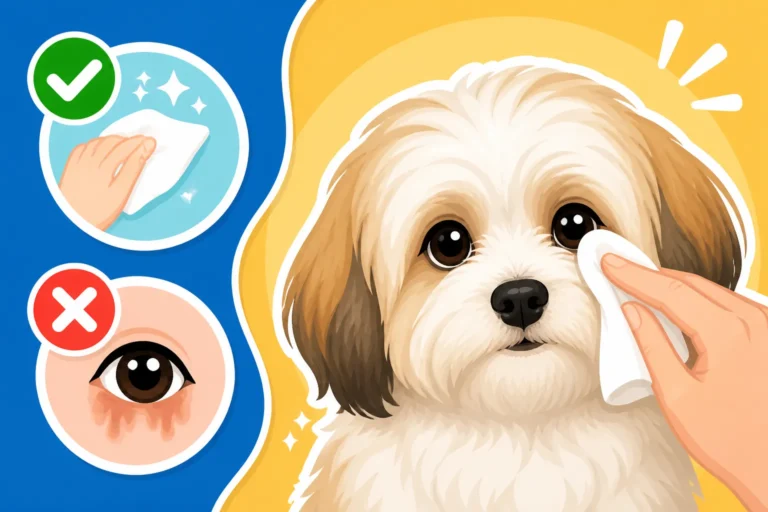
To clean, gently hold the ear flap up and squirt a generous amount of the ear cleaner directly into the ear canal until it's full. Don't be shy; you need enough solution to flush out debris effectively. Next, gently massage the base of the ear, just below the opening, for about 30 seconds. You should hear a squishing sound as the solution works its way through the canal and helps to break up wax and debris. After massaging, allow your Havanese to shake their head; this is an important step as it helps to dislodge and expel the loosened gunk. Finally, use a soft cotton ball or a clean piece of gauze wrapped around your finger to gently wipe out the visible outer part of the ear and the entrance to the canal. Remember, never insert cotton swabs (Q-tips) into the ear canal itself, as this can push debris deeper, compact wax, or even rupture the eardrum. Use a fresh cotton ball for each ear to prevent any potential spread of bacteria or yeast.
Tackling Hair Growth in the Ear Canal
The dense hair growth inside a Havanese's ear canals is perhaps their most defining ear-related challenge. It's a natural characteristic, but one that significantly impacts ear health and requires a thoughtful approach to management. This hair can be both a protective barrier and a problematic trap, depending on how it's handled.
To Pluck or Not to Pluck: Debunking the Myths
This particular aspect of Havanese ear care is often a source of confusion and conflicting advice. For many years, the standard practice for drop-eared breeds with hairy ear canals was to routinely pluck the hair. The logic was simple: remove the hair, improve airflow, and reduce the chances of moisture and debris building up, thereby preventing infections. Many professional groomers still include ear hair plucking as a standard part of their service, and many owners feel it's essential.
However, a growing body of veterinary thought suggests a more nuanced approach. Aggressive or improper plucking can actually cause tiny tears or micro-traumas to the delicate skin lining the ear canal. These minuscule injuries can then become entry points for bacteria, paradoxically leading to more infections rather than preventing them. It’s a bit of a Catch-22, making it crucial to weigh the pros and cons. If your Havanese suffers from recurrent ear infections despite regular cleaning, and you're regularly plucking, it's worth discussing with your veterinarian whether the plucking itself might be contributing to the problem. Factors like coat type and individual ear sensitivity play a role. For more information, consider reading Whether Hair in a Havanese's Ear Canal Causes Infection.
Safe and Effective Hair Removal Methods
If you and your vet determine that ear hair removal is beneficial or necessary for your Havanese, the method and technique are paramount. Manual plucking, when done correctly, involves using a hemostat (a small, locking forceps) or your fingers, along with a small amount of veterinary ear powder. Ear powder helps to provide a better grip on the fine hairs and also helps to dry the ear canal. The key is to pluck only a few hairs at a time, swiftly and gently, rather than attempting to pull large clumps. This minimizes discomfort and trauma to the ear canal lining.
Some groomers and owners opt for carefully trimming the hair from the opening of the ear canal using small, blunt-nosed scissors or a tiny clipper, rather than plucking from deep inside. This method aims to improve ventilation without directly irritating the inner ear skin. Whichever method you choose, whether you do it yourself or rely on a professional, ensuring the person is experienced, gentle, and prioritizes your Havanese's comfort is non-negotiable. Rushing or being rough can not only cause pain but also create a negative association with ear care, making future sessions a struggle.
Maintaining Healthy Ear Canals After Hair Removal
Whether you decide to pluck, trim, or simply focus on cleaning the outer ear, consistent maintenance after any hair removal is vital. The immediate aftermath of plucking, for instance, can leave the ear canal slightly sensitive, so a follow-up with a soothing, gentle ear cleaner can be beneficial to remove any residual debris and calm the tissue. It's also important to monitor your Havanese closely in the days following hair removal for any signs of irritation, such as increased scratching or head shaking, which could indicate a developing issue.
The ultimate goal of ear care isn't just to remove hair; it's to cultivate a consistently healthy environment within the ear canal. This involves not only mindful hair management but also diligent cleaning, ensuring the ears are completely dry after baths or swimming, and maintaining constant vigilance for any early indicators of problems. A truly well-cared-for Havanese ear should have no strong odor, appear dry, and be a healthy pale pink. These regular, proactive checks, even when everything seems fine, are a fundamental responsibility for any Havanese owner, helping to prevent minor irritations from escalating into full-blown infections.
The Importance of Regular Nail Care
While the luxurious Havanese coat often gets most of the attention, their feet—specifically their nails—are equally deserving of consistent, careful grooming. Neglecting nail care is a very common oversight among dog owners, but for a small breed like the Havanese, it can lead to significant discomfort, pain, and even long-term health problems. Many owners dread this task, but understanding its importance can make it a priority.
Why Short Nails are Crucial for Havanese Health
When a dog's nails are allowed to grow too long, they start to hit the ground before the paw pads do when your Havanese walks. This impact pushes the nail back up into the sensitive nail bed, creating constant pressure and pain with every step. Imagine trying to walk with tiny stones continually being driven into your toes – it would be agonizing! Over time, this unnatural pressure can force the toes to splay and can even alter your Havanese's natural gait and posture. This distorted posture then places undue stress on their joints, hips, and spine, which can be particularly problematic for a small breed already prone to orthopedic issues like luxating patellas. You can learn more about this in The Kneecaps a Havanese Slips.
Furthermore, excessively long nails are a serious injury risk. They can snag on carpets, blankets, or even cracks in the pavement, leading to painful tears that can bleed profusely and sometimes even necessitate veterinary attention. In severe cases, neglected nails can curl under and grow into the paw pad itself, causing deep, festering wounds and infections that are incredibly painful and difficult to treat. Keeping your Havanese's nails short ensures they can walk comfortably and naturally, maintaining proper foot structure and significantly reducing their risk of injury and chronic joint issues. It's a small task with profound implications for their overall well-being.
Recognizing When Nails Are Too Long
Determining if your Havanese's nails are too long is actually quite straightforward. The simplest indicator is auditory: if you can hear a distinct clicking sound on hard floors (like wood, tile, or laminate) as your Havanese walks, their nails are definitely in need of a trim. Ideally, when your Havanese is standing squarely on a flat surface, their nails should not make contact with the ground at all. You should be able to slide a thin piece of paper underneath them.
Another visual cue involves looking at their paw from the side. The nails should appear relatively short, barely protruding from the fur, and should not be pushing their toes upward. For Havanese, whose nails are often dark, it can be challenging to see the "quick" – the pink, sensitive part inside the nail that contains blood vessels and nerves. This often makes owners hesitant to trim too much, fearing a painful "quick." However, if nails are consistently left too long, the quick will also lengthen, making it even harder to trim the nails back to a healthy length without causing discomfort. Consistent, frequent, even small trims are the best way to encourage the quick to recede over time, allowing for shorter, healthier nails.
Mastering the Art of Havanese Nail Trimming
Nail trimming can be a daunting task for many Havanese owners, but with the right approach and tools, it becomes manageable. First, gather your supplies: sharp, good-quality dog nail clippers (either scissor-style or guillotine clippers are popular choices for small breeds), styptic powder (an absolute must-have in case you accidentally cut the quick—it happens to even the most experienced groomers!), and plenty of high-value treats to make it a positive experience.
If your Havanese has dark nails, identifying the quick can be challenging. Your safest bet is to trim off very small slivers at a time, looking at the cross-section of the nail with each clip. The center of a healthy nail will appear dry and whitish. If you see a small, dark grey or black dot begin to emerge in the center, stop immediately; that indicates you are getting close to the quick. For Havanese with clear or light-colored nails, you'll be able to see the pink quick through the nail, making it easier to avoid. Don't forget the dewclaws—these are the nails located higher up on the inside of their front legs (and sometimes rear), which don't make contact with the ground and therefore don't wear down naturally. If left untrimmed, dewclaws can curl around and grow into the paw pad, causing severe pain and infection. Many owners find that introducing nail trimming early and pairing it with positive reinforcement, like treats and praise, makes the experience much less stressful for both dog and owner. This approach aligns with the positive reinforcement principles discussed in Getting a Havanese Used to Brushing as a Puppy.
Keeping Paw Pads Healthy and Protected
Beyond the nails, the paw pads themselves are critical for your Havanese's mobility, comfort, and interaction with the world. These unique structures are tough, yet sensitive, and deserve as much attention as any other part of your dog's body. Often overlooked, healthy paw pads are fundamental to your Havanese's ability to walk, run, and play without pain.
Common Paw Pad Problems and Prevention
Havanese paw pads, though resilient, are not immune to problems. They can suffer from dryness, cracking, cuts from sharp objects like glass or thorns, and irritation from environmental factors. During the harsh winter months, exposure to ice, snow, and especially de-icing chemicals and road salt can cause severe chapping, chemical burns, and painful irritation. Conversely, in the summer, walking on scorching hot pavement or asphalt can lead to serious burns and blistering. Allergies can also manifest as itchy, red, or inflamed paw pads, leading to excessive licking and chewing.
Preventing these issues begins with proactive care and vigilant inspection. Make it a routine to check your Havanese's paw pads daily, or at least after every walk, to look for any embedded debris, small cuts, redness, swelling, or signs of tenderness. Consider using a dog-specific paw balm or wax, particularly before walks in extreme weather, to create a protective barrier against harsh elements. Many pet supply stores, including major online retailers like Chewy, offer a wide array of quality paw protection products. Always be mindful of the surfaces your Havanese walks on; avoid areas that have been recently treated with pesticides or fertilizers, as well as extremely hot or cold surfaces.
Trimming Hair Between Paw Pads
The abundant, luxurious coat of a Havanese extends even to the spaces between their paw pads, and if left untrimmed, this hair can grow quite long and bushy. While it might seem insignificant, excessive hair between the paw pads can lead to a host of problems for your Havanese. Firstly, it significantly reduces their traction on smooth surfaces like hardwood or tile floors, making them more prone to slipping and potentially injuring themselves. This is a common concern addressed in Whether a Havanese Slips on Hard Floors.
Secondly, this long hair acts like a magnet, collecting dirt, mud, tiny pebbles, burrs, stickers, and even snow and ice balls during winter walks. This debris can become painfully matted between their toes, causing irritation, cuts, and discomfort with every step. To combat this, you'll need a pair of small, blunt-nosed grooming scissors or a small, quiet clipper. Gently spread your Havanese's toes and carefully trim the hair flush with the paw pads. Exercise extreme caution to avoid cutting the pads themselves, which are very sensitive. Using clippers often provides more control and reduces the risk of accidental nicks. Aim for a neat, clean appearance where the paw pads are clearly visible, which not only improves traction but also prevents foreign objects from getting tangled, significantly enhancing your Havanese’s comfort and reducing the risk of paw injuries.
Protecting Paws from Environmental Hazards
Our everyday environment, while safe for us, can present numerous hazards for the delicate paw pads of our Havanese. Beyond the obvious threats of hot pavement and road salt, consider less apparent dangers like pesticides, herbicides, or fertilizers used on lawns and gardens, which can be irritating or toxic if licked off. Sharp gravel, abrasive concrete, or even splintered wood from decks can also cause cuts or abrasions. As responsible owners, we need to be their advocates and provide protection.
For general daily protection, regular application of a quality paw pad moisturizer can help keep the pads supple, preventing dryness and cracking. When encountering specific environmental hazards, specialized products like dog booties or paw waxes are invaluable. Booties offer a robust physical barrier against extreme temperatures, sharp debris, and harsh chemicals, essentially acting as shoes for your Havanese. Paw waxes, on the other hand, create a protective, breathable layer that helps to repel moisture and shield the pads while also providing some moisturization. Think of these as essential gear for your Havanese, much like you'd wear gloves in winter or sturdy shoes for a hike. There are many options available, with brands like Amazon and Chewy offering a diverse range of paw protection gear suitable for all seasons and conditions.
Dealing with Specific Foot and Paw Issues
Despite consistent preventive care, sometimes specific issues can arise with your Havanese's feet and paws. Knowing how to identify these problems and when to seek professional help is crucial to prevent minor irritations from escalating into more serious conditions that could significantly impact your dog's quality of life. Being attentive to changes in your Havanese's behavior or the appearance of their paws is an important part of responsible pet ownership.
Addressing Dry, Cracked, or Irritated Paw Pads
Dry, cracked paw pads can be incredibly uncomfortable, and even painful, for your Havanese, making every step a potential source of distress. This condition often results from prolonged exposure to harsh elements like extreme heat or cold, abrasive surfaces, or even certain household chemicals. If you notice your Havanese's paw pads looking parched, flaky, or visibly cracked, immediate attention is warranted. The first step is to gently clean their paws to remove any irritants, and then apply a soothing, non-toxic paw balm or moisturizer specifically formulated for dogs. Look for products rich in natural emollients like shea butter, coconut oil, or vitamin E, which are safe if ingested (as your Havanese will likely try to lick it off).
For best results, apply the balm regularly, perhaps right before bedtime, allowing ample time for the product to absorb into the pads without immediate licking. If your Havanese is particularly persistent with licking, try distracting them with a high-value chew toy or a small treat after application. If the cracking is severe, bleeding, or if your Havanese exhibits persistent limping, it is imperative to consult your veterinarian. Deep fissures can become breeding grounds for bacteria, potentially leading to painful infections that require medical intervention. For more insight into limping, you might find Whether a Havanese Limps on One Back Leg helpful.
Recognising and Preventing Paw Infections
Paw infections can be a nasty business, causing significant pain and discomfort for your Havanese. They can manifest in various ways, including intense redness, swelling, tenderness to the touch, and excessive licking, chewing, or biting at the affected paw. You might also notice a foul or sweet odor emanating from the paw, or even see pus. These infections often develop between the toes or underneath a nail if it has grown into the pad. They are commonly caused by bacteria or yeast, which thrive in moist, warm, and dark environments—precisely the conditions created by matted hair between paw pads or prolonged dampness.
Prevention is centered on maintaining clean and dry paws. After baths, walks in wet weather, or playtime in damp grass, always take the time to thoroughly dry your Havanese's feet, paying special attention to the spaces between their toes. Regularly trimming the hair between their pads will also significantly reduce moisture retention and prevent debris from accumulating. If you suspect a paw infection, a visit to your veterinarian is absolutely necessary. They can accurately diagnose the type of infection—bacterial, fungal, or yeast—and prescribe the appropriate course of antibiotics, antifungals, or other medications. Attempting to treat an established paw infection with home remedies is generally not effective and can sometimes worsen the condition, delaying proper healing.
When to Seek Professional Veterinary Help for Feet and Ears
While routine ear and foot care can and should be handled at home, it is vital to recognize when a situation warrants professional veterinary intervention. Hesitation can lead to prolonged discomfort for your Havanese and more complex, expensive treatments. For ears, any signs of a deep-seated infection, such as a strong, persistent foul odor, significant or unusual discharge (yellow, green, or black), intense pain when touched, excessive head tilting, or any indications of balance issues, are all immediate red flags requiring a vet visit. If you've been diligently cleaning your Havanese's ears and the problem persists or seems to worsen, that's another clear signal to seek professional help.
Regarding feet, a range of symptoms should prompt a call to your vet. These include persistent limping or refusal to bear weight on a paw, deep cuts or puncture wounds, continuous bleeding that doesn't stop with pressure, severe and extensive cracking of the paw pads, any visible swelling or obvious signs of infection (pus, intense redness), or a broken nail that exposes the sensitive quick. Your veterinarian possesses the expertise and diagnostic tools to accurately identify the underlying problem, whether it's an infection, an injury, or an allergic reaction. They can prescribe the correct medication, perform necessary procedures, and even offer guidance or demonstrate proper grooming techniques if you're struggling. Remember, your vet is an invaluable partner in maintaining your Havanese's health; never hesitate to consult them for any concerns, no matter how minor they might seem. Early intervention almost always leads to a better outcome. Regular check-ups, as discussed in What a Havanese's Yearly Checkup Costs, are an excellent way to catch these issues early.
Integrating Ear and Foot Care into Your Routine
For many Havanese owners, ear and foot care can feel like a chore, or even a battle. However, these tasks are non-negotiable for your dog's comfort and long-term health. The good news is that by integrating them into a consistent routine and employing positive reinforcement, you can transform these necessary grooming moments into manageable, even pleasant, experiences for both you and your Havanese. It’s about building habits that serve your dog's well-being.
Creating a Consistent Grooming Schedule
Consistency is truly the cornerstone of effective ear and foot care for your Havanese. Rather than waiting until a problem becomes evident, which often means an infection or injury is already advanced, it's far better to proactively incorporate these tasks into a regular grooming schedule. Aim for a quick visual inspection of your Havanese's ears and paws every few days. A more thorough ear cleaning, depending on your dog's individual needs and propensity for wax buildup, should be done weekly or bi-weekly. Nails typically require trimming every two to four weeks, but some dogs with faster nail growth might need it more frequently.
If your Havanese visits a professional groomer, they will usually take care of nail trims and ear cleaning (and potentially ear hair plucking) as part of their service. However, it's incredibly beneficial for you to be comfortable performing these tasks at home as well. This allows you to maintain care between professional appointments, address minor issues promptly, or handle emergencies. Establishing a specific day or time for these grooming rituals can help create a predictable routine that both you and your Havanese will come to anticipate. This predictability, coupled with positive experiences, can significantly reduce any anxiety your dog might feel about grooming.
Positive Reinforcement for a Happy Havanese
Let's be honest: very few dogs inherently love having their ears poked or their nails clipped, and a sensitive Havanese is no exception. To make these necessary grooming tasks tolerable, and ideally enjoyable, for your furry companion, positive reinforcement is your most powerful tool. The process should begin when your Havanese is a young puppy. Start with very brief, gentle sessions—simply touching their ears, lifting their paw, or tapping a nail with the clippers—followed immediately by a high-value treat and enthusiastic praise.
The key is gradual desensitization and positive association. Slowly increase the duration and intensity of the grooming steps over time, always ensuring your Havanese remains comfortable. If they show signs of stress or fear, take a break and try again later or shorten the session. Never force them or create a negative, frightening experience, as this can lead to a lifelong aversion to grooming, making future sessions incredibly difficult. You want your Havanese to associate ear and foot care with good things: delicious treats, happy praise, and gentle affection. A calm voice, a secure, non-slip grooming surface, and patience will make a world of difference. Your Havanese will learn that even if these moments aren't their absolute favorite, they always conclude with a reward and your loving attention. You can find more insights into managing their temperament during training in Whether a Havanese Is Ever Stubborn.
The Right Tools Make All the Difference
Having the proper grooming tools readily available and in good working order can significantly streamline your ear and foot care routine, turning potential struggles into much smoother sessions. For ear care, invest in a quality veterinary-approved ear cleaning solution; your vet can recommend one that suits your Havanese, but popular brands are widely available on sites like Chewy or Amazon. You'll also need soft cotton balls, never cotton swabs, for wiping. If you opt for ear hair removal, choose between a hemostat with ear powder or small, blunt-nosed grooming scissors, ensuring they are sharp and clean.
For nail care, a good pair of sharp, dog-specific nail clippers (scissor-style or guillotine, depending on your preference) is essential. Dull clippers can crush the nail rather than cut it cleanly, causing pain. Keep styptic powder close at hand as a safeguard against accidental quicking. To manage the hair between paw pads, small, rounded-tip scissors or a quiet, cordless clipper designed for delicate areas will be invaluable. Lastly, don't forget paw balm or wax for protection and moisturization. Investing in high-quality tools is not just about convenience; it makes the grooming process safer, more effective, and far more comfortable for your Havanese, ensuring you're well-equipped to tackle these essential tasks.
Grooming Tools for Havanese Ear and Foot Care
| Area of Care | Recommended Tool(s) | Purpose | Key Considerations |
|---|---|---|---|
| Ears | Veterinary Ear Cleaning Solution | Cleans ear canal, breaks down wax, prevents infection | Must be dog-specific; avoid alcohol/peroxide; available on Chewy, Amazon. |
| Cotton Balls (Large size) | Wipes external ear and entrance to canal | Use fresh for each ear; never insert into canal. | |
| Hemostat / Ear Powder (Optional for plucking) | Aids in gripping and plucking ear hair, dries ear canal | Use with extreme caution; pluck minimal hairs at a time; consult vet. | |
| Small, Blunt-nosed Scissors (Optional for trimming) | Trims external ear hair or hair at canal opening | Use carefully to avoid cutting skin; only trim visible hair. | |
| Nails | Dog Nail Clippers (Scissor or Guillotine) | Trims nails to appropriate length | Must be sharp to prevent crushing; choose size appropriate for Havanese. |
| Styptic Powder | Stops bleeding if quick is accidentally cut | Essential safety item; apply directly to bleeding quick. | |
| Paws | Small, Rounded-tip Scissors or Small Clippers | Trims hair between paw pads | Essential for preventing matting, improving traction, and hygiene; exercise extreme caution. |
| Paw Balm / Paw Wax | Moisturizes pads, creates protective barrier against elements | Look for non-toxic, dog-safe ingredients; apply before walks in harsh weather. | |
| Dog Booties (Optional) | Provides physical protection from hot pavement, ice, chemicals | Ensure proper fit for comfort and effectiveness; available on Chewy, Amazon. |
Disclaimer
This article is for general informational purposes only and does not constitute professional advice. Laws, prices and regulations vary by location and change over time. Consult a qualified professional for guidance on your specific situation.