Whether a Havanese Is Safe Around Big Dogs
Many Havanese owners often find themselves holding their breath when their small, spunky companion encounters a much larger dog. It's a completely natural, valid concern – the sheer size difference makes us fear for their safety, whether it's an accidental bump, an overzealous play session, or something more serious. This comprehensive guide will delve into the nuances of big dog-small dog interactions, offering practical advice and strategies to help ensure your Havanese remains safe, confident, and happy in a world filled with all shapes and sizes of canines.
Understanding the Havanese and Big Dog Dynamics
It's easy to assume all dogs will get along, but the reality is that size, temperament, and play style can create complexities, especially when a tiny Havanese is involved. Understanding these dynamics is the first step in ensuring your furry friend's safety.
The Havanese Nature: Playful Yet Vulnerable
Havanese are renowned for their outgoing, affectionate, and utterly charming personalities. They often possess a surprising amount of bravado for their size, approaching larger dogs with an innocent curiosity or an enthusiastic invitation to play. While this confidence can be endearing and a sign of good socialization, it also inadvertently places them in potentially risky situations. Their small stature, typically weighing a mere 7 to 13 pounds, makes them physically vulnerable to unintentional injury from a larger dog's rough play, or even an accidental jostle during a moment of high excitement. It’s crucial to remember that it's rarely malice on the part of the larger dog, but rather a simple consequence of a significant difference in physical mass and momentum.
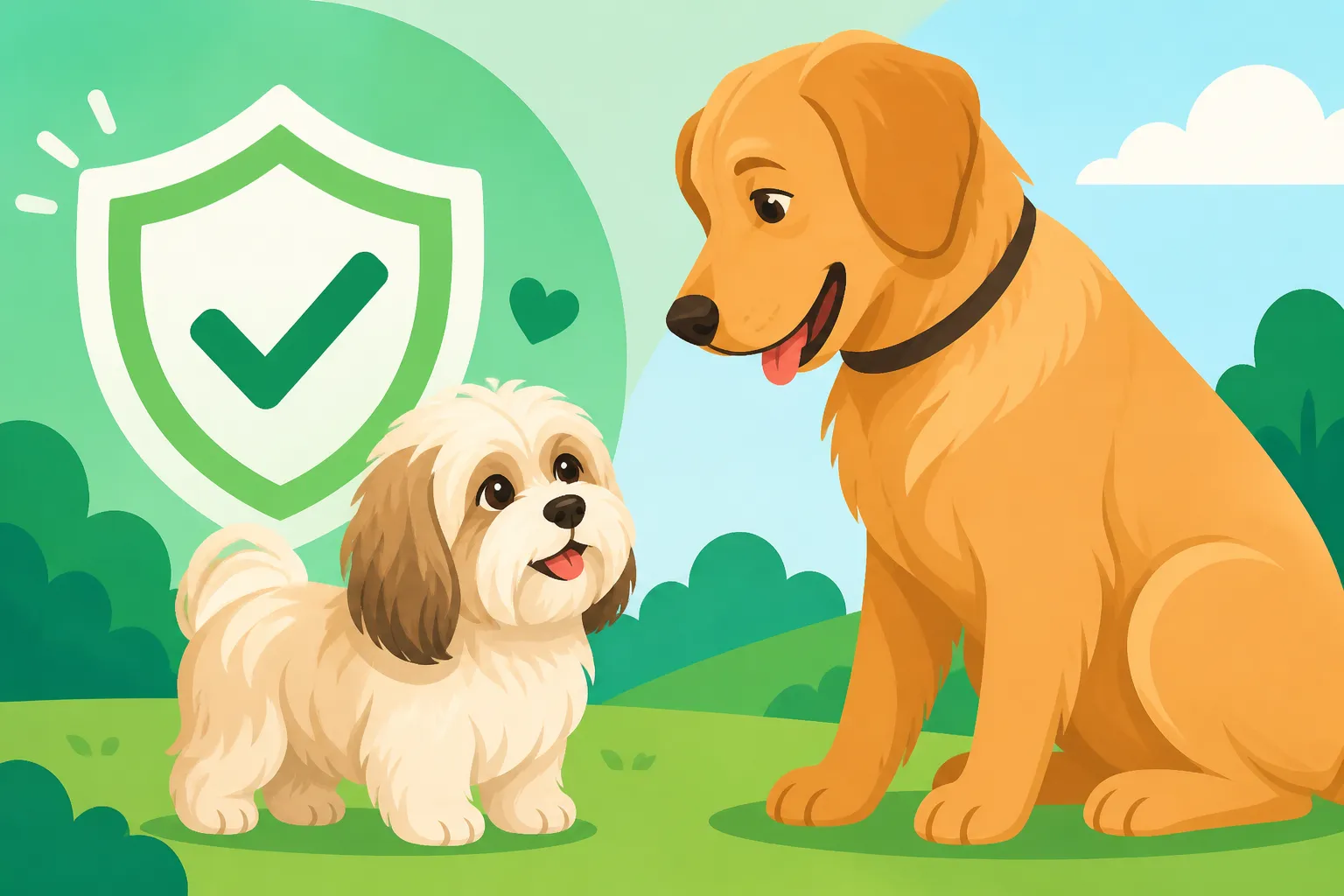
Consider a common scenario: a rambunctious Golden Retriever who loves to "bow" into play, dropping its front end and wiggling its rear to invite a chase. For another large dog, this is a clear, fun invitation. For a small Havanese, that innocent, playful lunge could easily be a jarring impact, knocking them off their feet or causing a painful collision. Their delicate bone structure, particularly in areas like the rib cage and legs, simply isn't designed to withstand the force exerted by a dog three, four, or even ten times their weight. This physical fragility is often the primary concern for owners, outweighing worries about temperament mismatches, although both are important factors. We must always be mindful of Whether a Havanese Tolerates Rough Handling, as their small size means they are not as sturdy as they might appear.
Havanese, being quintessential companion dogs, also tend to form very strong attachments to their human families. This means they often prefer to stay close to your feet, potentially putting them directly in the line of fire if a larger dog enthusiastically greets you or moves quickly in your vicinity. Their inherent desire to be an active part of your world, combined with their diminutive size, necessitates constant vigilance and proactive protection from us as their caregivers. Even when they’re feeling brave, their physical limitations mean we need to be their advocates.
Why Big Dogs Pose a Risk to Small Dogs
The potential risks posed by larger dogs are multifaceted and, more often than not, stem from unintentional actions. The most common danger arises from the vast difference in play styles. Large dogs instinctively engage in more body contact – bumping, wrestling, and using their paws more forcefully during play. For a small Havanese, this can very easily result in being tripped, knocked over, accidentally stepped on, or even suffering a fracture from an unexpected impact. Even what a large dog considers a gentle "play bite" during a game of tug or chase could cause significant harm to a Havanese due to the sheer size of their jaws and teeth.
Another, albeit rarer, factor to consider is breed instinct and prey drive. While the vast majority of well-socialized domestic dogs do not exhibit predatory behavior towards smaller dogs, certain breeds may retain a stronger natural prey drive. A fast-moving, yipping Havanese might, in very unfortunate and isolated circumstances, inadvertently trigger this instinct in a larger dog, particularly if that dog has not had extensive positive exposure to small animals during its developmental stages. While uncommon in a typical pet dog, it remains a background concern that responsible owners should be aware of.
Even with the most diligent supervision, accidents can unfold in a split second. Picture a lively dog park scenario where a joyful Border Collie is chasing a frisbee at full speed. If your Havanese darts unexpectedly into its path, the larger dog might not even register its presence until it's too late to avoid a collision. The sheer momentum and weight of a bigger dog can inflict substantial damage without any malicious intent whatsoever. It’s the disparity in mass, speed, and spatial awareness that often creates the danger, rather than any inherent aggression.
Furthermore, some larger dogs, especially those who haven't been properly socialized with small breeds during their crucial early months, might not even fully recognize a tiny Havanese as another dog. They might perceive a quickly moving, vocal Havanese as a squirrel, a rabbit, or another small creature, particularly if it's running or making high-pitched sounds. This highlights why early, positive, and diverse socialization experiences for both large and small dogs are incredibly important to prevent misunderstandings and ensure harmonious interactions.
Navigating Safe Interactions with Larger Breeds
As Havanese owners, it's our responsibility to manage interactions with larger dogs to minimize risk and maximize positive experiences. This involves careful planning, astute observation, and sometimes, a little assertiveness.
Controlled Environments and Leashed Greetings
When introducing your Havanese to a larger dog, especially one you or your Havanese doesn't know well, the safest approach is always in a controlled environment and with both dogs securely on leash. Using a short, sturdy leash and a comfortable, well-fitting harness for your Havanese is paramount; this provides superior control without placing undue pressure on their delicate neck. When facilitating a greeting, ensure both dogs are in a calm state. Begin with a parallel walk, maintaining a safe distance initially, allowing them to sniff the ground and subtly acknowledge each other's presence without direct confrontation.
Once both dogs appear relaxed and comfortable in each other's proximity, you can permit a brief, highly supervised sniff. Keep these initial greetings very short – a few seconds is often sufficient. Pay close attention to both dogs' body language: look for loose tails, soft eyes, relaxed ears, and a general curiosity rather than stiff postures, direct stares, or frantic, high-set tail wags. If either dog displays signs of stress, fear (like backing away or a tucked tail), or aggression (such as growling or snapping), calmly and immediately separate them. It's perfectly acceptable to try again another day or, if necessary, avoid further interaction. Remember, not every dog needs to be best friends, and some temperaments simply aren't compatible.
If you have any doubts about the larger dog's temperament or the owner's control, it is always wise to err on the side of caution. Do not hesitate to politely decline a greeting if the other dog appears overly excitable, aggressive, or if the owner seems disengaged. Your Havanese's safety and well-being should always be your top priority. Utilizing a sturdy, escape-proof harness, easily found on platforms like Amazon, can provide an essential layer of security and greater control during these initial, cautious encounters.
The Role of Dog Parks and Public Spaces
This is often where Havanese owners face the biggest dilemma, and where safety can be most compromised. Dog parks, while seemingly designed for canine socialization, can unfortunately be quite risky for a small Havanese. The unpredictable nature of multiple dogs, vastly differing play styles, and often, a lack of consistent owner supervision or awareness, can create a dangerous environment for a tiny dog. Many larger dogs, even those with the best intentions, simply might not perceive or account for a small Havanese darting underfoot during a full-speed romp or chase.
If you absolutely choose to visit a dog park, make it a priority to seek out facilities that offer separate, fenced areas specifically designated for small and large dogs. If such a separation isn't available, or if you still feel uneasy, consider visiting during off-peak hours when the park is less crowded, or consider avoiding dog parks altogether. A far safer and often more enjoyable option for many Havanese is arranging structured playdates with a select group of known, calm, small-dog-savvy larger dogs whose owners you trust. For more detailed insights, you might want to read Whether a Havanese Belongs at a Dog Park.
Public spaces like walking trails, bustling sidewalks, or pet-friendly restaurant patios also present their own set of challenges. Always keep your Havanese securely on a leash and close to your side, especially when you might encounter off-leash dogs (even if they are supposed to be leashed). Be prepared to quickly scoop up your Havanese if a large dog approaches too rapidly or without invitation. It is always better to be overly protective than to risk an injury that could have been prevented. Remember, even the most impeccably behaved big dog can have an unexpected moment of exuberance, or be startled, leading to an accidental collision.
Selecting Compatible Playmates
When considering playmates for your Havanese, not all big dogs are created equal. The ideal larger playmate possesses a gentle disposition, a proven history of positive and careful interactions with small dogs, and, crucially, an owner who is attentive, responsible, and understanding of the size disparity. Breeds that are often labeled "gentle giants," such as Great Danes or Newfoundlands, might surprisingly prove to be safer playmates than a high-energy, less body-aware terrier, simply due to their typically calmer demeanor and greater awareness of their own size.
Observe the larger dog's play style meticulously. Do they lower their head, offer gentle nudges, or invite play with soft, self-handicapping body language? Or do they charge in head-first, jump excessively, and use their mouth roughly? Your Havanese needs a playmate who intuitively understands how to "soften" their play to match the small dog's vulnerability. Sometimes, a larger dog who has grown up alongside smaller dogs in their own home will naturally be more careful and considerate. A Havanese Meeting the Dog You Already Have offers valuable advice on managing introductions, even within your own home.
Always introduce dogs slowly and supervise all interactions closely, particularly during the initial stages. Keep play sessions brief, positive, and end them before either dog becomes overstimulated or fatigued. If the larger dog appears too boisterous or enthusiastic, intervene immediately to provide your Havanese with a necessary break. This careful management builds trust and fosters positive associations for both dogs. Consider enrolling in structured socialization classes or puppy play groups that wisely separate dogs by size and temperament, as these can be an invaluable resource.
Training and Socialization for Your Havanese's Safety
Your Havanese's own training and socialization are powerful tools in keeping them safe around larger dogs. A well-adjusted, responsive Havanese is better equipped to navigate diverse social situations.
Early and Ongoing Socialization is Crucial
Socialization extends far beyond merely meeting other dogs; it encompasses teaching your Havanese to be confident, adaptable, and comfortable in a vast array of situations, around different types of people, environments, and animals. Starting this process early, during the critical puppy socialization window (generally from 3 to 16 weeks of age), is absolutely paramount. During this time, carefully expose your Havanese puppy to calm, friendly, and fully vaccinated larger dogs in controlled, positive, and short interactions.
Positive reinforcement is your most effective tool here. If your Havanese calmly observes a larger dog, reward them generously with high-value treats and enthusiastic praise. Never, under any circumstances, force an interaction. The primary goal is to create positive associations, so your Havanese learns that big dogs are not inherently frightening, while also understanding appropriate boundaries. This early and consistent exposure helps them develop crucial canine social skills, enabling them to interact appropriately even with dogs of vastly different sizes. For guidance on safe exposures, check out Where to Take a Havanese Puppy Before Full Cover.
Even if your Havanese is past puppyhood, it is truly never too late for continued socialization efforts. Enroll in well-run obedience classes or actively seek out structured playdates with known, friendly dogs. A well-socialized Havanese is less likely to react with fear, excessive barking, or defensive aggression to a larger dog, which in turn significantly reduces the risk of conflict. Fear, especially, can lead to defensive snapping or lunging, which could tragically escalate an otherwise neutral situation. You can also explore how to help your Havanese overcome being Whether a Havanese Is Wary of Strangers.
Teaching Essential Cues and Recall
Reliable obedience training provides the ultimate safety net for your Havanese. Teaching your dog a rock-solid "come" (recall), "leave it," and "stay" can literally be life-saving skills. Imagine you're enjoying a walk, and an off-leash large dog unexpectedly approaches too quickly. A prompt and reliable "come" cue can bring your Havanese instantly to your side, allowing you to pick them up or quickly assess the situation without panic. The more ingrained and reliable these cues are, the greater control you possess in potentially risky encounters.
Practice these critical commands consistently, incrementally increasing the level of distraction and varying the environments. Make training sessions engaging and highly rewarding to build strong positive associations. Consider utilizing an online training platform, such as those offered by BAXTER & Bella, which often provide comprehensive, step-by-step guidance on developing these foundational obedience skills in a way that is adaptable and effective for small breeds. A strong "leave it" command can also prevent your Havanese from approaching something dangerous, or from picking up something inappropriate near a bigger dog. You can learn more about finding the right instruction by reading Whether a Havanese Needs a Professional Trainer.
It's also beneficial to teach your Havanese to "check in" with you frequently, even when off-leash in a safe, enclosed area. This means they periodically glance back at you or voluntarily return to your side, reinforcing their bond with you and allowing you to maintain constant awareness of their location and interactions. This consistent communication makes them less likely to wander into trouble or stray too far from your protective presence.
Recognizing and Managing Fear or Anxiety
Despite our best efforts, some Havanese may develop a natural wariness, shyness, or outright fear around larger dogs, especially if they have experienced a negative interaction in the past. It is absolutely crucial to recognize the subtle (and sometimes not-so-subtle) signs of fear or anxiety: a tucked tail, flattened ears, lip licking, excessive yawning, trembling, avoidance behaviors, or even a sudden increase in barking, growling, or snapping. These are not typically signs of a "bad" dog, but rather a stressed, uncomfortable, or frightened one. It's especially important to understand that Whether a Havanese Snaps When Startled is often a fear response.
If your Havanese consistently exhibits signs of fear or anxiety around larger dogs, never force them into interactions. Instead, shift your focus to building their confidence through carefully managed, positive experiences from a distance. Gradually desensitize them to the presence of large dogs by rewarding calm, relaxed behavior when a big dog is visible but far away. Slowly decrease the distance over time, always being careful to stay below their individual threshold of fear or discomfort.
If your Havanese demonstrates significant fear or reactivity that you find challenging to manage on your own, consulting with a certified professional dog trainer or a veterinary behaviorist can be an invaluable step. They can provide tailored strategies, desensitization protocols, and help address any underlying anxieties, ultimately helping your Havanese more safely and comfortably navigate a world shared with larger canines. Addressing issues like Whether a Havanese Is Reactive on the Leash is essential for their overall well-being.
Essential Safety Gear and Best Practices
Being well-equipped and practicing smart habits are fundamental to keeping your Havanese safe. These tools and techniques are not just accessories; they are critical components of responsible Havanese ownership.
Harnesses, Leashes, and Carriers
For a Havanese, a properly fitted harness is almost always the superior choice over a neck collar for walks, training, and any public outings. A collar can exert undue pressure on their delicate trachea, especially if they pull against the leash or if you need to quickly restrain them. A harness, conversely, distributes pressure safely across their chest and shoulders, offering significantly better control and greater comfort. When selecting a harness, look for designs specifically made for small breeds, ensuring it doesn't chafe or restrict their natural range of motion. There are many excellent, secure options readily available on online retailers like Amazon.
Always pair your harness with a sturdy, good-quality leash. While it should be lightweight enough not to overwhelm your small Havanese, it also needs to be strong enough to withstand an unexpected lunge or pull. A standard four-foot or six-foot flat leash is generally ideal, providing a good balance of freedom and control. Retractable leashes are typically not recommended, particularly in areas where other dogs are present, as they offer less immediate control and can contribute to tangled, potentially dangerous situations. Information on What a Harness for a Havanese Costs can help you budget for this essential item.
For highly stimulating environments, such as a crowded festival, or if your Havanese is particularly anxious or recovering from an injury, a soft-sided pet carrier or a specially designed pet stroller can be an absolute lifesaver. These tools allow your Havanese to be present and observe the world from a safe, elevated, and enclosed vantage point without feeling overwhelmed or being at risk of accidental injury. They are also incredibly practical for vet visits, travel, or simply navigating busy areas with peace of mind.
Creating Safe Zones at Home and Away
Even within the sanctuary of your own home, if you share your space with a larger dog (or if friends with larger dogs frequently visit), establishing designated safe zones for your Havanese is critically important. This might involve strategically placed baby gates (many types available on Amazon) to separate areas, providing a secure crate in a quiet corner where they can retreat, or even offering elevated spaces like a cozy dog bed on a sturdy ottoman or a raised perch where they can feel safe from accidental trampling. These secure, predictable spaces give your Havanese a vital sense of security and control, preventing them from feeling trapped, overwhelmed, or constantly on edge around a larger, more energetic companion.
When traveling or visiting other households, always bring your Havanese's familiar crate, bed, or blanket to establish a similar sense of a safe haven. This predictability and familiarity can significantly reduce stress and ensure they always have a comfortable, known retreat. Furthermore, always ensure that all dogs are fed separately to prevent any potential resource guarding issues, especially when there's a considerable size disparity. Even seemingly innocent sharing can lead to conflict if one dog feels threatened or vulnerable.
Crucially, supervise all interactions, even within the home, until you are absolutely confident in the dogs' compatibility and respective comfort levels. Never, ever leave a small Havanese alone and unsupervised with a larger, unfamiliar dog, even for what seems like a moment. This level of unwavering diligence might seem excessive to some, but it is a small, necessary price to pay for your Havanese's physical and emotional well-being.
Awareness and Advocacy as an Owner
As a Havanese owner, you are your dog's primary advocate and protector. This role demands constant awareness of your surroundings, the ability to anticipate potential risks, and the confidence to clearly and politely communicate your dog's needs to other owners. If a large dog is off-leash and approaches you and your Havanese too quickly or without permission, it is entirely acceptable to firmly but politely ask the owner to call their dog back, or to simply pick up your Havanese without hesitation.
Do not be afraid to set clear boundaries. If another person's large dog is too pushy, overly boisterous, or playing too roughly, it is perfectly within your right to calmly and decisively end the interaction. You are protecting your beloved companion, and their safety takes precedence over any perceived social niceties. Educate yourself on common canine body language cues so you can accurately interpret signs of stress, discomfort, or impending conflict in both your Havanese and other dogs. This proactive approach can effectively prevent many potentially dangerous or unpleasant situations before they escalate.
It's important to understand that not all dog owners are as attentive, experienced, or knowledgeable as you are. Some might genuinely not comprehend the inherent risks involved in large-dog/small-dog interactions. Your role, therefore, is not to judge, but to diligently protect your Havanese by actively managing their environment and interactions to the best of your ability. This crucial skill of advocacy and proactive management is one that develops and strengthens with experience and growing confidence.
Table: Safe Interaction Checklist for Havanese and Big Dogs
| Factor | Safe Practice | Potential Risk |
|---|---|---|
| Environment | Controlled, quiet spaces; separate small/large dog areas in parks if available. | Busy, crowded dog parks with unpredictable dogs; off-leash areas without supervision. |
| Supervision | Constant, active monitoring of all interactions; never leave unattended. | Dogs left alone; owners distracted by phones, conversations, or other tasks. |
| Greeting Style | Leashed, calm, brief sniffs; parallel walks as an introduction. | Off-leash, high-energy rushes; direct nose-to-nose greetings (can be confrontational). |
| Play Style | Gentle, soft body language; reciprocal play; frequent breaks as needed. | Rough, body-slamming, relentless chasing, or extensive, forceful mouthing. |
| Other Dog's Temperament | Known to be gentle, small-dog-savvy, well-socialized, and calm. | Unknown history; overly excitable; signs of high prey drive; poorly socialized. |
| Your Havanese's State | Confident, relaxed, responsive to cues; no signs of fear or aggression. | Fearful, anxious, reactive (barking/snapping), or overly bold and confrontational. |
| Gear | Well-fitting harness, sturdy leash, portable carrier for safe retreat. | Only a neck collar; retractable leash; no means of safe retreat or transport. |
| Owner Preparedness | Willingness to intervene, pick up, or politely decline interactions. | Reluctance to advocate for your dog; assuming all dogs are automatically friendly. |
Conclusion
While the world can sometimes feel like a place full of potential hazards when you have a tiny Havanese and giant breeds roam freely, it absolutely doesn't mean your little friend needs to live in a bubble of isolation. With thoughtful preparation, consistent positive socialization, reliable obedience training, and a keen, watchful eye for safety, your Havanese can most certainly have safe, enriching, and positive interactions with larger dogs. It’s all about understanding the inherent differences, proactively mitigating potential risks, and being their staunchest and most informed advocate. Empower your Havanese with confidence, clear communication, and well-established boundaries, and you'll find they can navigate their world with grace, joy, and security, regardless of the size of the canine company they keep.
Disclaimer
This article is for general informational purposes only and does not constitute professional advice. Laws, prices and regulations vary by location and change over time. Consult a qualified professional for guidance on your specific situation.