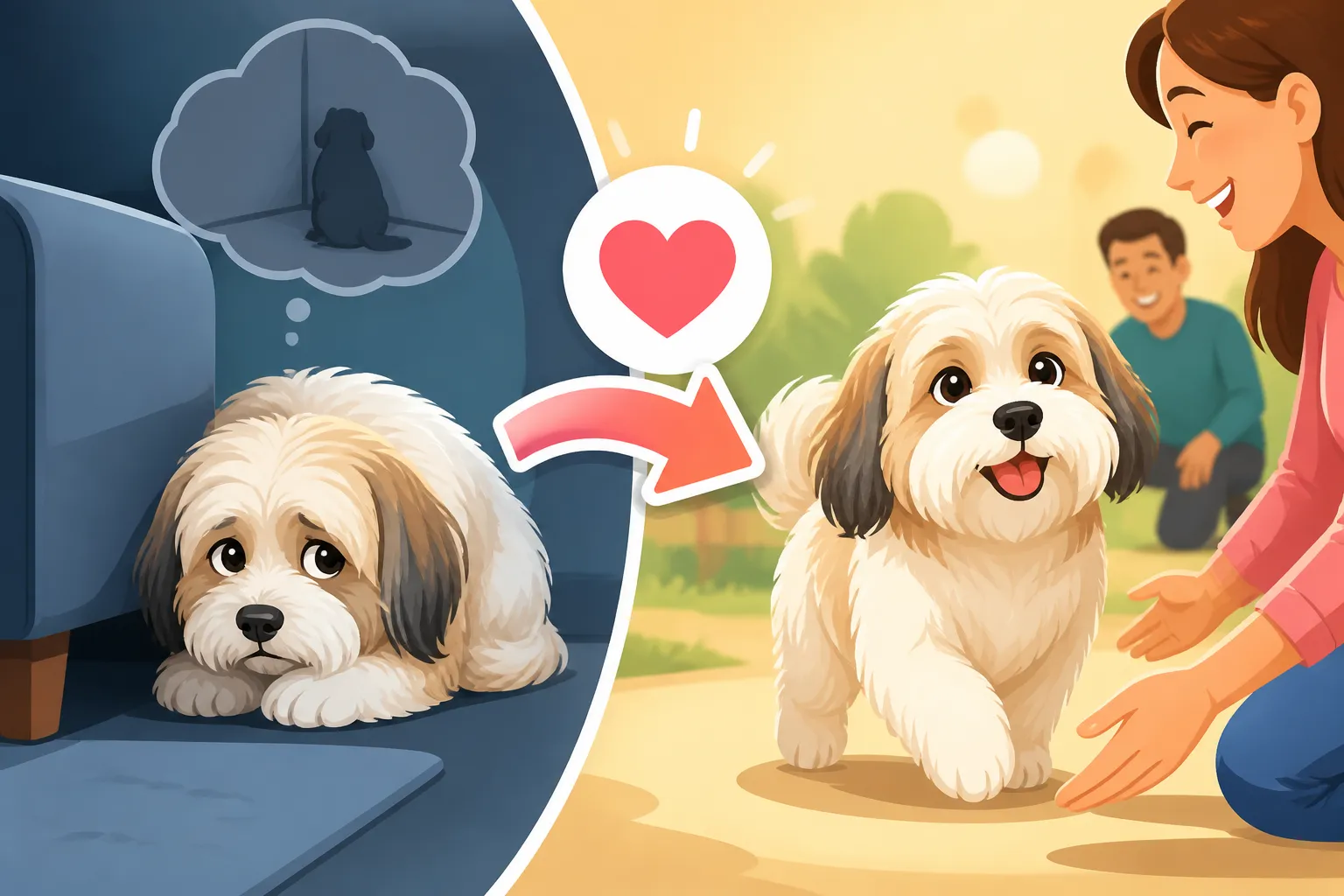
Whether an Undersocialized Havanese Recovers
It's truly disheartening to see your sweet Havanese cower, bark excessively, or even snap at new people, sounds, or other dogs. When a Havanese hasn't had the right early experiences, the world can become a scary place, leaving you feeling frustrated and unsure how to help. This guide will dive deep into whether an undersocialized Havanese can recover from their fears and reactivity, and outline a compassionate, step-by-step approach to help them build confidence and live a much happier, calmer life.
Understanding Undersocialization in Havanese
Undersocialization isn't just a missed opportunity; it's a significant deficit in a dog's early development that can profoundly shape their adult personality and behavior. For a Havanese, whose natural temperament is often described as outgoing and charming, a lack of proper socialization can manifest in heartbreaking ways. It leaves them ill-equipped to handle the normal sights, sounds, and interactions of everyday life, turning what should be exciting new experiences into sources of intense fear and anxiety.
What Undersocialization Looks Like
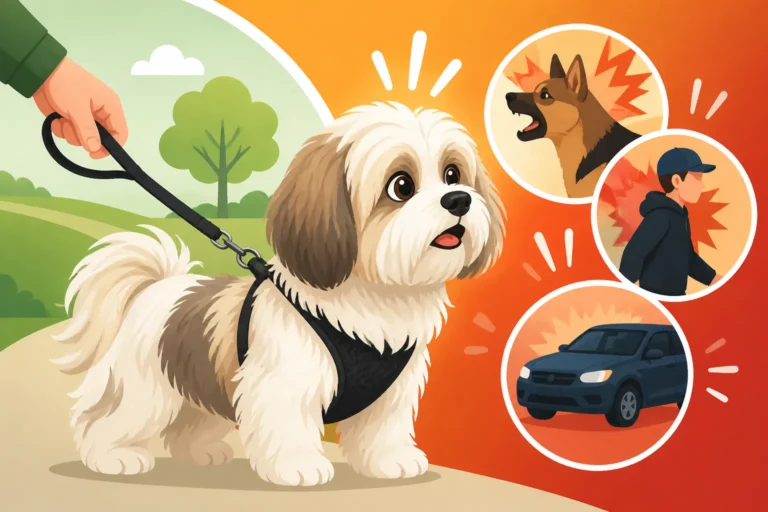
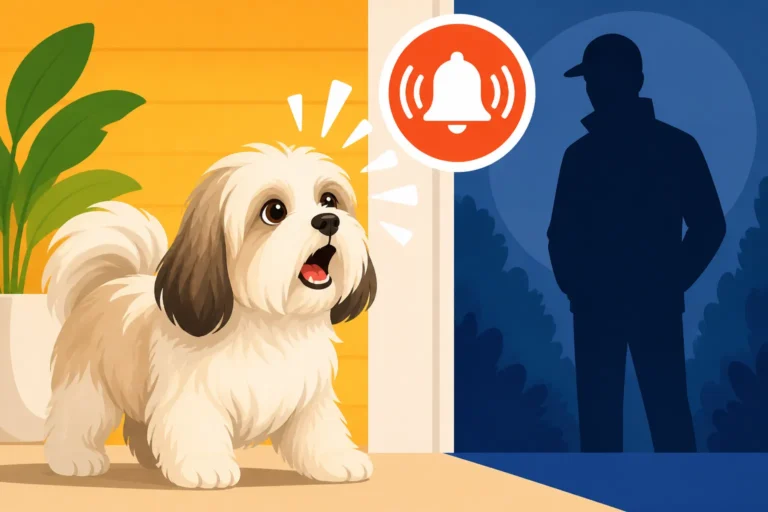
Imagine a Havanese puppy that, during its crucial socialization window (typically between 3 to 16 weeks of age), didn't get to meet a variety of friendly people, experience different surfaces, hear various noises, or positively interact with other vaccinated, well-behaved dogs. This omission can lead to an adult Havanese who reacts to novelty with fear rather than curiosity. You might see your Havanese freezing, trying to bolt in the opposite direction, excessive barking, lunging on the leash, or even nipping or growling when feeling threatened. For example, a sudden encounter with a person wearing a hat, a child on a scooter, or a larger, boisterous dog can trigger an immediate panic response. They might bark frantically at the delivery person, hide under furniture when guests arrive, or refuse to walk past certain objects on the street. This isn't naughtiness; it's a primal fear response that tells you their world feels unsafe. Whether a Havanese Is Wary of Strangers is a common concern among owners whose dogs missed out on this vital early exposure.
Why It Happens
Several factors can contribute to undersocialization. Sometimes, it's simply a lack of awareness from a first-time owner about the critical importance of early socialization. Other times, a puppy might come from a less-than-reputable breeder who kept the litter isolated or didn't expose them to a rich, stimulating environment. A bad experience early on, like being attacked by another dog or frightened by a loud noise, can also inadvertently contribute to a dog's fear. For a delicate breed like the Havanese, even a clumsy interaction with a well-meaning toddler can create lasting apprehension if not managed carefully. The goal of early socialization isn't just exposure, but positive exposure, creating pleasant associations with new stimuli. Without this, your Havanese might struggle with Whether a Havanese Growls at Bigger Dogs or display nervousness during routine veterinary visits.
The Potential for Recovery and Realistic Expectations
The good news is that an undersocialized Havanese can absolutely show significant improvement and learn to cope more effectively with the world. However, it's crucial to approach the concept of "recovery" with realistic expectations. It's often not about transforming a fearful dog into a perfectly outgoing social butterfly, but rather about teaching them coping mechanisms, reducing their anxiety, and increasing their confidence to a point where they can navigate daily life without being overwhelmed or resorting to reactive behaviors.
Understanding Progress and Setbacks
Recovery is a journey, not a destination, and it's rarely a linear path. You'll likely experience wonderful breakthroughs where your Havanese handles a new situation with surprising calm, followed by frustrating setbacks where they seem to regress. This is normal. A dog's brain, especially one wired for fear, needs time to build new, positive associations to replace old, negative ones. Factors like the dog's age, the severity of the undersocialization, their inherent temperament, and the consistency and quality of the resocialization efforts all play a huge role. A young Havanese puppy, though still undersocialized, might bounce back faster than an adult who has years of ingrained fear responses. The key is to celebrate every small victory, no matter how minor it seems, and to not get discouraged by the inevitable bumps in the road.
Redefining "Recovery" for Your Havanese
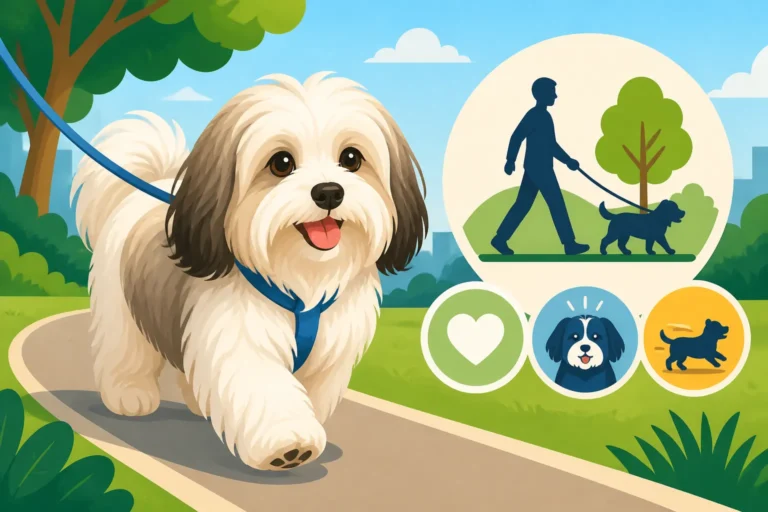
For many undersocialized Havanese, true "recovery" means developing the ability to observe new things calmly from a safe distance, rather than reacting aggressively or retreating in terror. It might mean they can enjoy walks in quiet parks instead of panicking on busy sidewalks, or that they can comfortably be in the same room as guests without hiding, even if they never become the center of attention. Their world will expand, their stress levels will decrease, and your bond will deepen as they learn to trust you to keep them safe. It's about empowering them to live a less fear-driven life, and for many Havanese owners, that's a profound and deeply rewarding outcome.
Strategic Steps to Building Confidence in Your Havanese
Helping an undersocialized Havanese means adopting a multifaceted approach that focuses on positive reinforcement, controlled exposure, and sometimes, professional guidance. It's about changing their emotional response to scary things, not just suppressing their behavior.
Positive Reinforcement and Controlled Exposure
The cornerstone of resocialization is always positive reinforcement. This means rewarding desired behaviors, or even just a calm state of mind, with high-value treats, praise, or gentle affection. Never, ever punish fear-based reactions, as this will only increase your Havanese's anxiety and teach them that the very things that scare them also lead to punishment.
When introducing new stimuli, whether it's a stranger, a sound, or another dog, you must work below your Havanese's "threshold." This means starting at a distance where they notice the trigger but don't react with fear. For instance, if your Havanese barks at other dogs on walks, find a park bench far enough away that they can see a dog without reacting. As soon as they notice the other dog and remain calm (even just for a second), immediately give them a super tasty treat. Repeat this. Over time, as they consistently associate the sight of another dog with something wonderful (the treat), you can gradually decrease the distance. This is called desensitization and counter-conditioning. A sturdy harness and leash, easily found on Amazon, will give you better control and make your Havanese feel more secure during these controlled exposures. Whether a Havanese Reacts on the Leash is a common problem this technique helps address.
Seeking Professional Guidance
While positive reinforcement and controlled exposure are powerful tools, navigating an undersocialized dog's recovery can be complex and emotionally draining. Don't hesitate to seek help from a qualified professional.
- Certified Professional Dog Trainer (CPDT): Look for trainers who specialize in fear and reactivity, using positive, force-free methods. They can provide personalized strategies, help you read your Havanese's body language, and guide you through specific training exercises.
- Veterinary Behaviorist: For more severe cases of anxiety, fear, or aggression, a veterinary behaviorist (a vet with specialized training in animal behavior) can be invaluable. They can assess if underlying medical issues are contributing to the behavior and, if appropriate, discuss behavioral medication as part of a comprehensive treatment plan.
- Online Training Programs: For owners who prefer a structured, learn-at-your-own-pace approach, or who might not have access to local professionals, online resources such as the comprehensive programs offered by BAXTER & Bella can provide a structured curriculum and support. These often include video tutorials, live Q&A sessions, and a community of like-minded owners.
A professional can help you understand Whether a Havanese Needs a Professional Trainer and guide you on the best path forward.
Creating a Secure Environment and Routine
A predictable environment helps reduce anxiety.
- Safe Spaces: Ensure your Havanese has a designated "safe zone" in your home – a comfortable crate (covered with a blanket to make it den-like), a quiet room, or a bed in a low-traffic area. This is their sanctuary where they can retreat when feeling overwhelmed. Whether a Havanese Should Be Crate Trained for Toileting also provides them with a secure den.
- Consistent Routine: Dogs thrive on routine. Regular feeding times, potty breaks, and playtime create a sense of predictability and safety. Sudden changes can be unsettling for an already anxious Havanese.
- Mental and Physical Enrichment: A tired dog is often a calmer dog. Provide ample opportunities for mental stimulation through puzzle toys (many excellent options are available on Amazon) and short, positive training sessions. Physical exercise, tailored to their comfort level, is also important. Even short, calm walks can make a big difference, keeping in mind How Far a Havanese Should Walk Daily.
Desensitization and Counter-conditioning in Action
Let's look at specific scenarios.
| Challenge Area | Current Behavior (Undersocialized) | Desired Behavior (Goals) | Training Approach |
|---|---|---|---|
| Strangers/Guests | Hiding, barking, growling, lunging | Calmly observing, taking treats from a distance, ignoring | Start with a "safe zone" for your Havanese when guests arrive. Have guests toss treats (without making eye contact) from a distance. Gradually reduce distance as comfort grows. Focus on parallel activities rather than direct interaction. |
| Other Dogs on Walks | Lunging, barking, pulling, fear/excitement | Calmly observing, loose-leash walking past, ignoring | "Look at that!" game: When Havanese sees another dog, mark and reward for looking at you. Keep distance. Gradually decrease distance. Walk parallel to other calm dogs. |
| Loud Noises | Startling, panting, trembling, seeking cover | Mild startle, quick recovery, continuing normal activity | Sound desensitization: Play recordings of triggers (e.g., thunder, traffic) at very low volumes, paired with high-value treats/play. Gradually increase volume over weeks/months. |
| Grooming/Handling | Struggling, biting, growling, extreme fear of tools | Tolerating brushing, nail trims, ear cleaning, body checks | Start with very short, positive sessions. Pair touch with treats. Introduce tools (brush, clippers) visually, then briefly touching, then actual use, all paired with treats. Build duration slowly. Consider Getting a Havanese Used to Brushing as a Puppy early on. |
The Role of Medication
For some Havanese, especially those with severe anxiety or panic attacks, behavioral medication, prescribed and monitored by a veterinary behaviorist or your regular vet, can be a vital part of the recovery process. Medication isn't a "cure-all" but can help lower your dog's overall anxiety levels, allowing them to be more receptive to behavior modification training. It can essentially turn down the volume on their fear, making it possible for them to learn and practice new, calmer responses. Discussing this option with your vet is a critical step for dogs truly struggling to cope.
The Journey Ahead: Patience, Persistence, and Self-Care
Embarking on the journey of resocializing an undersocialized Havanese is a marathon, not a sprint. It demands immense patience, unwavering persistence, and a deep well of empathy from you, the owner. It can be challenging, emotionally taxing, and sometimes feel like you're taking two steps forward and one step back. But the rewards – a calmer, happier, more confident Havanese – are immeasurable.
Celebrating Small Victories
It’s easy to get caught up in how far you still have to go, but it’s vital to acknowledge and celebrate every tiny step of progress. Did your Havanese merely glance at a passing stranger without barking, instead of lunging? That's a huge win! Did they tolerate five seconds of brushing without a fuss? Amazing! These small victories, when acknowledged, reinforce your efforts and help prevent burnout. They also serve as powerful reminders that your Havanese is capable of change, even if it’s incremental. Remember, every positive interaction is building a new, healthier neural pathway in their brain.
Managing Your Own Expectations and Emotions
It’s completely normal to feel frustrated, disheartened, or even guilty when dealing with an undersocialized dog. You might second-guess your methods, compare your Havanese to other "perfect" dogs, or feel isolated by the unique challenges you face. Acknowledging these feelings, rather than suppressing them, is important for your own mental well-being. Understand that your Havanese isn't acting out of spite; they are genuinely afraid, and their reactions are a plea for help. Their previous experiences, or lack thereof, shaped who they are, and your patience and understanding are the most powerful tools for their healing. Don't fall into the trap of thinking Whether a Havanese Sulks After a Correction, as their reactions are fear-driven, not defiant.
The Importance of Self-Care
Caring for an anxious or reactive dog can be emotionally and physically exhausting. It’s crucial that you also prioritize your own well-being. Take breaks when you need them. Lean on a support system, whether it’s friends, family, or online communities of other owners facing similar challenges. Don't be afraid to ask for help from your trainer or behaviorist if you feel overwhelmed. Your Havanese needs you to be calm, consistent, and resilient, and you can only be that if you’re also taking care of yourself. Sometimes, just sitting quietly with your Havanese, offering gentle pets and reassurance, can be therapeutic for both of you, reinforcing the secure bond that is so vital to their recovery. This bond of trust is what helps your Havanese believe you'll keep them safe, even if they initially react to your departure with Whether a Havanese Cries When You Leave.
The journey with an undersocialized Havanese is a testament to the enduring power of patience, love, and consistent effort. While the past can't be changed, the future can be shaped into one of greater confidence, less fear, and deeper companionship for your beloved furry friend.
Disclaimer
This article is for general informational purposes only and does not constitute professional advice. Laws, prices and regulations vary by location and change over time. Consult a qualified professional for guidance on your specific situation.