Whether a Havanese Runs Laps Around the House
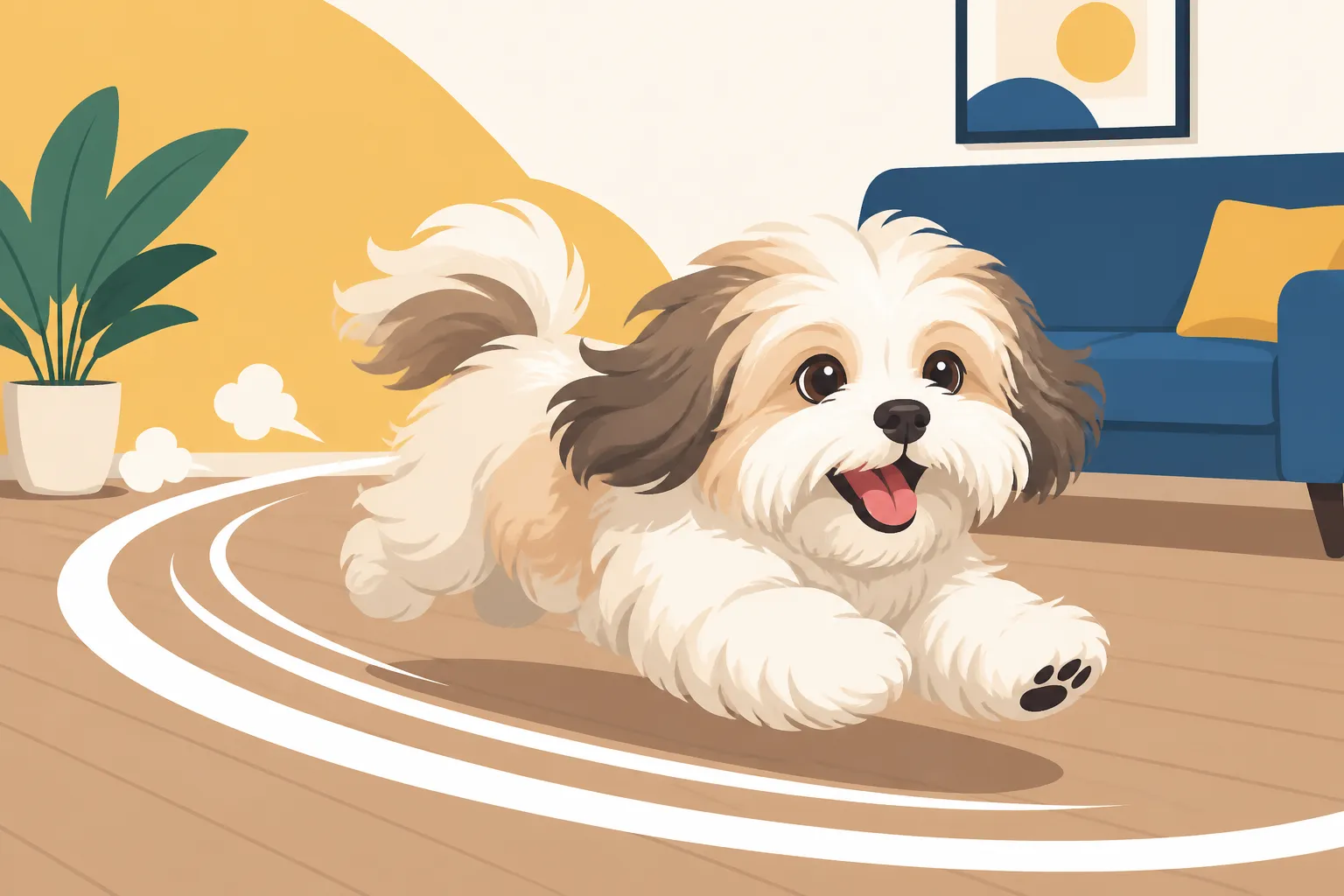
Oh, the Havanese zoomies! If you've ever seen your fluffy companion suddenly launch into a frantic sprint, tearing around the living room, skidding on rugs, and perhaps even bumping into furniture with a wild, joyful glint in their eyes, you're not alone. Many Havanese owners have witnessed this adorable, albeit sometimes chaotic, display of exuberance. It's a common sight, and it often leaves us wondering, "Is this normal? Are they getting enough exercise, or too much? Why are they doing this?" This guide is here to shed some light on why your charming Havanese might be running laps around the house and how to understand and manage these bursts of energy.
The Joyful Burst: Understanding Havanese Zoomies
It's a phenomenon that makes us laugh, scratch our heads, and occasionally duck for cover. Those sudden, explosive bursts of energy where your Havanese goes from a calm lapdog to a furry blur are often affectionately called "zoomies" by pet owners. In the world of animal behavior, they're known as Frenetic Random Activity Periods, or FRAPs for short. And yes, they are completely normal for many dogs, including our beloved Havanese!
What Are FRAPs and Why Do Havanese Do Them?
Imagine having a day where you've been perfectly content, perhaps lounging on the sofa, only to suddenly feel an overwhelming urge to just run. That's a bit like what a Havanese experiences. FRAPs are essentially a way for dogs to release pent-up energy, excitement, or even mild stress in a spontaneous, often comical, fashion. They'll typically involve running in fast, tight circles, darting back and forth, or even doing quick, jerky movements, often with a wide-eyed, playful expression.
For a Havanese, a breed known for its intelligence and vivacious spirit, these bursts are quite common. They were originally bred as companion dogs, but don't let their small size fool you into thinking they're couch potatoes. Havanese are active, clever little dogs with a surprisingly robust energy level when they want to be. Their "circus dog" brains, as we sometimes call them, mean they thrive on activity and mental engagement. It’s no wonder they often need an outlet for all that stored-up zest! A sudden burst of FRAPs can be a sign that they're just letting off some steam, celebrating a happy moment, or simply engaging their natural inclination for playful movement. It's their way of hitting the reset button on their internal energy meter.
Normal Energy Release vs. Excessive Zoomies
So, a Havanese doing zoomies is generally normal, but how do you tell the difference between a healthy, joyful burst of energy and something that might indicate your pup is under-stimulated or even anxious? It's all about context and frequency.
A Havanese puppy, for instance, is a whirlwind of boundless energy. Expect frequent, intense zoomies as they explore their world and burn off what seems like an endless supply of puppy fuel. As they mature, these bursts might become less frequent or intense, but they rarely disappear entirely. An adult Havanese will still have their moments, perhaps after a long nap or a particularly exciting interaction. However, if your adult Havanese is constantly running laps around the house, several times a day, every day, with an almost frantic edge to it, that might be a signal to look deeper.
Excessive or highly repetitive zoomies that seem to lack joy and instead appear stressed or obsessive could indicate a need for more physical exercise, more mental stimulation, or perhaps a consistent routine. It could also be a sign of boredom. Our Havanese are smart, and boredom can manifest in all sorts of ways, including these frantic energy releases. Conversely, if your older Havanese, who usually enjoys a good zoomie session, suddenly stops or seems reluctant to join in, that could be a subtle sign of discomfort or pain, and it's always worth a check-up with your vet. Understanding The Age a Havanese Counts as Senior can help you adjust your expectations and care for their changing energy levels.
What Fuels the Zoomie Frenzy? Common Triggers
Zoomies aren't random in the sense that they just happen without any preceding event. Often, there's a trigger, however subtle it might seem to us. Recognizing these triggers can help you understand your Havanese better and even predict when a delightful (or disruptive) burst of energy is about to occur.
Post-Bath Euphoria and Other Routine-Based Bursts
One of the most classic and widely observed zoomie triggers across many dog breeds, including the Havanese, is the post-bath euphoria. You've just put your damp, freshly scented pup on the floor, and suddenly, they're off! Shaking, rubbing against furniture, and then launching into a full-speed dash around the house as if possessed by a joyful demon. It's as if shedding the water and the constraint of the bath unleashes an explosion of happiness. This is a very common and perfectly normal reaction.
But it's not just baths. Many routine events can trigger these happy bursts. Have you noticed your Havanese doing laps right after finishing a meal? Or perhaps first thing in the morning when they wake up, ready to tackle the day? Sometimes, it's after coming back inside from a quick potty break, especially if the weather outside was cold or rainy and they hurried through their business. It's a way of celebrating being back in their comfortable territory and releasing a bit of excitement. These routine-based zoomies are usually harmless and delightful to watch, a clear sign of a happy, well-adjusted Havanese.
Pent-Up Energy and Lack of Mental Stimulation
While Havanese might be small, they pack a surprising amount of energy into those little bodies. They don't require miles of running like a Border Collie, but they absolutely need regular, engaging exercise and plenty of mental stimulation. If your Havanese hasn't had enough opportunities to burn off physical energy or engage their clever minds, those zoomies might be more frequent and intense, serving as an outlet for that pent-up energy.
Think about a day when the weather was terrible, and your Havanese only got short potty breaks outside. Or perhaps you've been particularly busy, and playtime has been minimal. Your Havanese might then resort to using your living room as their personal racetrack. They need more than just a quick walk around the block; they thrive on varied activities. This breed benefits greatly from activities like What a Havanese Needs Beyond a Walk, which might include indoor games, short training sessions, or puzzle toys. If they're not getting enough mental exercise, those zoomies can become a sign of boredom. A Havanese is a smart dog, and a bored Havanese is often a mischievous or overly energetic Havanese.
Environmental Excitement or Overstimulation
Our Havanese are sensitive souls, highly attuned to their environment and the emotions of their people. Changes or exciting events can definitely trigger a zoomie frenzy. Imagine guests arriving, especially if they are enthusiastic and greet your dog with excitement. Your Havanese might respond with a burst of running, barking, and general exuberance as a way to process all that new energy.
Similarly, unfamiliar noises outside, sudden movements from family members, or even a new toy being introduced can spark the zoomies. Sometimes it's pure joy and excitement; other times, it can be a way to cope with overstimulation or even mild anxiety. For example, a young child running through the house might unintentionally trigger a Havanese to join in the chase, not out of aggression, but sheer excitement and playfulness. It's important to understand A Havanese in a House With Children to ensure interactions are safe and positive for everyone. These types of zoomies are often short-lived and resolve once the environmental factor calms down or your Havanese processes the new input.
Guiding That Energy: Managing and Channeling Havanese Zoomies
Watching your Havanese race around the house can be incredibly amusing, but sometimes, especially in smaller spaces or when they're prone to bumping into things, you might want to guide that energy into more constructive outlets. The good news is, with a bit of foresight and consistency, you can absolutely help your Havanese channel their inner speed demon safely and happily.
Structured Play and Mental Engagement
One of the best ways to manage zoomies is to provide regular, structured opportunities for your Havanese to burn off steam and engage their brilliant minds. Instead of waiting for the explosive, undirected running, initiate playtime on your terms. Fetch games, even in a hallway, can be fantastic. Flirt poles are amazing for Havanese, allowing them to chase and "hunt" a lure, expending a lot of energy in short bursts. Tug-of-war is another great option, promoting both physical activity and mental focus.
Don't underestimate the power of mental exercise! Your Havanese loves to learn. Short, fun training sessions throughout the day can be just as tiring as a physical sprint. Teach them new tricks – Havanese are often quick studies and love to show off! You can find a vast array of interactive puzzle toys that challenge their minds and reward them with treats. Many of these toys are readily available on platforms like Amazon, making it easy to diversify their mental stimulation. Consider a structured online training program, like those offered by BAXTER & Bella, which provides guidance on positive reinforcement methods and can help you build a strong foundation of obedience and trick training, effectively channeling their intelligent energy. Consistent mental workouts can reduce the need for random energy bursts. Teaching a Havanese Tricks It Will Perform All Day is not just for fun, but also for good behavior.
Consistent Routine and Adequate Exercise
Havanese thrive on routine. A predictable schedule helps them feel secure and understand when to expect their needs to be met, including exercise and playtime. Ensure your Havanese gets enough physical exercise tailored to their age and health. This doesn't necessarily mean long, arduous hikes, but consistent daily walks and opportunities for vigorous play. For example, a couple of brisk 20-30 minute walks, combined with indoor play sessions, might be perfect.
Consider the quality of their walks too. Sniffing walks, where they get to explore smells, are incredibly mentally stimulating and can be just as tiring as a fast-paced walk. If outdoor exercise isn't possible due to weather, make sure to compensate with energetic indoor games. A game of hide-and-seek with treats or a toy can get them moving and thinking. Remember, even a small dog needs to move! Consistent exercise helps balance their energy levels, making those random bursts less frequent and less intense. Learning How Much Exercise a Havanese Needs is crucial for their overall well-being.
Creating a Calm Space and De-escalation Techniques
While zoomies are generally positive, there are times when you might want to encourage your Havanese to settle down, especially if they're getting overstimulated or becoming a bit too rambunctious. Providing a designated calm space is invaluable. A cozy crate (with the door open, of course, once they're crate-trained), a comfortable dog bed in a quiet corner, or even a soft mat can serve as their retreat when they need to decompress. Encourage them to use this space for naps and quiet chewing. You might find that Whether a Havanese Should Sleep in the Bedroom helps some dogs feel more secure and settled.
When zoomies hit at an inconvenient time, avoid directly chasing or yelling at them, as this can often be interpreted as an invitation to play, escalating the behavior. Instead, try redirecting their energy. A calm voice, a favorite chew toy, or a gentle invitation to cuddle on the couch can sometimes shift their focus. You can also try to engage them in a short, low-key training exercise they know well, like "sit" or "down," to help them regain composure. The goal is to provide an alternative, calmer activity rather than trying to stop the zoomies entirely, which can be frustrating for both of you.
| Zoomie Trigger | Underlying Need/Emotion | Recommended Management Strategy |
|---|---|---|
| Post-bath / Post-meal | Excitement, energy release | Allow a short, contained burst in a safe area. Provide a favorite towel for rubbing. Offer a chew toy afterward to encourage settling. |
| Pent-up energy | Physical & mental exertion | Increase daily structured walks (varying routes for mental stimulation). Incorporate active play sessions (fetch, flirt pole). Use puzzle toys or short training sessions. Check out online resources like BAXTER & Bella for training games. |
| Environmental excitement | Overstimulation, joy, processing | Create a predictable routine. Provide a designated "calm space" (crate, bed). Practice "settle" commands. Redirect to a favorite durable chew toy (many options available on Amazon) when new visitors arrive. |
| Unexplained sudden bursts | Boredom, underlying discomfort | Rule out medical issues with a vet check. Re-evaluate daily routine for sufficient exercise and mental enrichment. Consider a professional dog trainer if behavior is persistent or seems anxious. |
When to Consult a Professional About Zoomies
While most Havanese zoomies are a charming and normal part of their personality, there are rare occasions when these bursts of energy might signal something more. Knowing when to seek professional advice is important for your Havanese's health and well-being.
Persistent or Destructive Zoomies
If your Havanese's zoomies are not only persistent but also seem frantic, obsessive, or lead to destructive behaviors, it's definitely time to take notice. While a happy Havanese might playfully bump into a chair during a zoomie session, constant crashing into walls, frantic barking during the episode, or attempts to chew on inappropriate items while zooming could indicate an underlying issue. This might manifest as constant running, even when tired, or an inability to settle down even after significant exercise.
These kinds of zoomies, where the dog appears genuinely distressed or unable to control themselves, could be a sign of deeper anxiety, a compulsive disorder, or even physical pain that causes them to act out in a restless manner. If you observe destructive chewing during these episodes, or if your Havanese is causing self-harm by continually running into things, a vet visit is the first step to rule out any medical conditions.
Sudden Onset or Change in Behavior
Any sudden, unexplained change in your Havanese's energy levels or behavior warrants a trip to the veterinarian. If your normally calm Havanese suddenly starts having frequent, intense zoomies, or if a previously energetic Havanese suddenly becomes lethargic and stops zooming, it could be a red flag. Dogs are masters at hiding discomfort, and a sudden shift in activity could be their only way of communicating a problem.
Conditions like discomfort from a joint issue, a neurological problem, or even a thyroid imbalance could manifest as unusual energy patterns or restlessness. For example, Signs a Havanese's Thyroid Has Failed might include changes in energy. Your vet can perform a thorough examination to rule out medical causes for the change in behavior. They might suggest blood tests or other diagnostics to get to the root of the issue.
Seeking a Certified Professional Dog Trainer
Once you've ruled out any medical causes with your veterinarian, if the zoomies remain problematic, a certified professional dog trainer or a veterinary behaviorist can be an invaluable resource. They are experts in canine behavior and can help you identify specific triggers, assess the context of the zoomies, and develop a tailored management plan.
A professional trainer can observe your Havanese in action, ask detailed questions about their daily routine, and help you implement strategies to channel their energy more effectively. They can guide you on advanced training techniques, enrichment ideas, and even environmental modifications that could help reduce the frequency and intensity of unwanted zoomie episodes. They can also help you differentiate between normal, healthy canine exuberance and behaviors that might cross the line into anxiety or compulsive tendencies, ensuring your Havanese lives a happy, balanced life.
Disclaimer
This article is for general informational purposes only and does not constitute professional advice. Laws, prices and regulations vary by location and change over time. Consult a qualified professional for guidance on your specific situation.