Whether Road Salt Hurts a Havanese’s Pads
Oh, winter walks! They can be such a joy, watching our fluffy Havanese prance through a fresh dusting of snow. But then comes the dread, the worry about what's lurking beneath that pretty white blanket: road salt. It's a very real and valid concern for so many of us, wondering if those tiny, sensitive paw pads are safe from the harsh chemicals and abrasive grit. This guide is here to walk you through exactly why road salt is such a menace to your Havanese's delicate feet and, more importantly, how you can keep them protected and comfortable all season long.
The Harsh Reality of Road Salt and Havanese Paws
When winter hits and the snow and ice descend, our towns and cities deploy an arsenal of de-icing agents to keep roads and sidewalks passable. While this is a convenience for human traffic, it creates a minefield for our dogs, especially small, sensitive breeds like the Havanese. It's not just the sharp ice itself, but the chemicals used to melt it that pose the biggest threat.
Understanding the Chemical Attack on Paw Pads
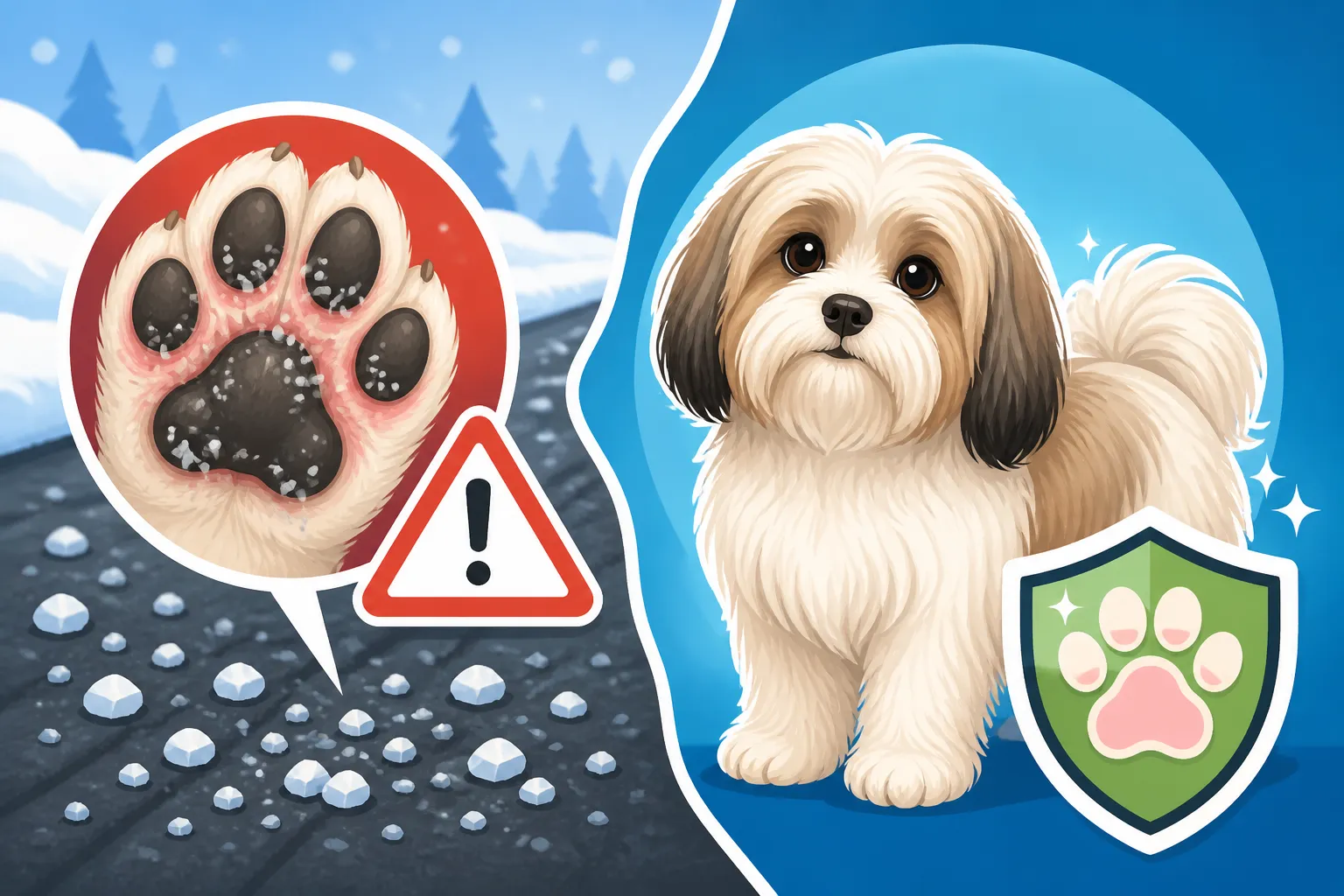
Most road salts are primarily composed of sodium chloride, which is essentially table salt, but often mixed with other chemicals like magnesium chloride, calcium chloride, or potassium chloride. These substances are highly corrosive and dehydrating. Imagine walking barefoot on a salted surface – it wouldn't take long for your skin to feel raw and irritated. For a Havanese, with their pads in direct contact with these chemicals for extended periods, the effect is amplified. These salts draw moisture out of the paw pads, leading to dryness, cracking, and even chemical burns.
Beyond the chemical cocktail, many de-icing applications also include abrasive materials like sand, gravel, or tiny bits of crushed stone. These aren't meant to melt ice but to provide traction. However, for a Havanese's soft paw pads, these sharp particles act like tiny shards of glass, causing cuts, scrapes, and general abrasion. This combination of chemical irritation and physical damage makes winter walks a genuinely hazardous experience without proper preparation.
Why Havanese Paws Are Especially Vulnerable
Our beloved Havanese might be hardy little dogs in spirit, but their physical characteristics make them particularly susceptible to road salt damage. Their relatively small and delicate paw pads are not as thick or calloused as those of larger, working breeds. This means they have less natural protection against extreme temperatures and corrosive substances.
Furthermore, Havanese, with their luxurious double coats, often have hair that grows quite long between their paw pads. While this might seem like it would offer some insulation, it actually creates a perfect trap for ice, snow, and, critically, road salt. As your Havanese walks, these chemicals get embedded in the fur, melting slightly from body heat, and then continuing to irritate the skin even after they've left the salted surface. This trapped salt can lead to prolonged exposure and more severe irritation, sometimes even working its way up the leg. When thinking about their general comfort in colder weather, it's worth considering Whether a Havanese Needs a Coat in Winter or if you've ever noticed Whether a Havanese Feels the Cold. These small factors all contribute to the overall winter care picture.
Recognizing the Signs of Salt Damage
As a devoted Havanese parent, being vigilant about your furry friend's well-being is second nature. When it comes to road salt exposure, knowing what to look for can help you intervene quickly and prevent more serious issues. Sometimes, the signs are obvious, but other times they can be subtle, mimicking other paw irritations.
Common Symptoms on Paws
The most immediate and common signs of salt damage will appear directly on your Havanese's paw pads and between their toes. Keep an eye out for any of these indicators after a winter walk:
- Excessive Licking or Chewing: This is often the first clue. If your Havanese starts compulsively licking, chewing, or biting at their paws immediately after coming inside, it's a strong sign of irritation. They're trying to soothe the burning sensation or remove whatever is bothering them.
- Redness and Inflammation: Carefully examine the paw pads and the skin between the toes. Salt-burned areas will often appear red, swollen, and inflamed. You might even notice little red bumps or a rash.
- Cracked or Dry Pads: Road salt is a desiccant, meaning it sucks moisture out. Prolonged exposure can lead to the paw pads becoming extremely dry, brittle, and even cracking or flaking. These cracks can be painful and prone to infection.
- Tenderness or Limping: If your Havanese is hesitant to put weight on a paw, lifts it frequently, or starts limping, it's a clear indication of pain. The irritation can be severe enough to make walking uncomfortable, or even cause tiny cuts that are now open wounds.
- Bleeding: In severe cases, especially if cracks are deep or sharp abrasives have cut the pads, you might notice small spots of blood on the paws or on your floor after a walk.
Beyond the Paws: Other Health Concerns
While direct paw irritation is the most common problem, road salt can pose risks beyond just local discomfort. Our clever Havanese often try to self-clean their paws by licking them, which means they can ingest the harmful chemicals.
Ingesting road salt can lead to gastrointestinal upset or, in more severe cases, sodium ion poisoning. Symptoms to watch for if you suspect your Havanese has ingested a significant amount of salt include:
- Nausea and Vomiting: They might bring up their food or bile.
- Excessive Thirst and Urination: The body tries to flush out the excess sodium.
- Lethargy and Weakness: They might seem unusually tired or weak.
- Diarrhea: Another common sign of digestive upset.
- Lack of Coordination or Tremors: In very serious cases, neurological signs can appear.
If you notice any of these more systemic symptoms, particularly after your Havanese has been on a salted surface and licking their paws, it's crucial to contact your vet immediately. While rare, salt poisoning can be very serious. Taking proactive steps can help prevent this, like being mindful of Whether a Havanese's Paw Hair Needs Trimming to reduce trapping substances, or trying to avoid areas where you know heavy salting has occurred.
Practical Protection Strategies for Paws
Prevention truly is the best medicine when it comes to protecting your Havanese from the ravages of winter road salt. Incorporating a few simple habits and tools into your winter routine can make a world of difference for their comfort and health.
The Power of Paw Protection Balms and Waxes
One of the easiest and most effective ways to create a barrier between your Havanese's delicate paw pads and harsh elements is using a paw balm or wax. These products are designed to moisturize the pads and create a protective layer that repels salt, snow, and ice.
- How They Work: Paw balms often contain natural waxes like beeswax, shea butter, and various oils. When applied, they form a semi-permeable barrier. This barrier helps to prevent chemicals from directly contacting the skin, reduces moisture loss from the pads, and can even offer a bit of extra grip on slippery surfaces. It's like putting an invisible bootie on their feet!
- Application Tips: Before heading out for a walk, simply take a small amount of balm and rub it thoroughly into each paw pad, making sure to get between the toes where salt loves to hide. A good rule of thumb is to apply it much like you would a lip balm – a thin, even coat is all you need. You can find excellent options from trusted retailers like Chewy or Amazon, offering a range of brands tailored for dog paw protection.
- Benefits Beyond Salt: Besides protecting against salt, these balms are fantastic for general paw health year-round, keeping pads supple and preventing dryness that can lead to cracking even in warmer months.
Booties: A Physical Shield
For ultimate protection, especially if you live in an area with heavy salting or your Havanese has particularly sensitive paws, dog booties are your best friend. They provide a complete physical barrier against road salt, ice, snow, and abrasive materials.
- Choosing the Right Booties: Not all booties are created equal. Look for ones that are waterproof, durable, and have a good grip. Fit is crucial – they shouldn't be too tight or too loose. Too tight can restrict blood flow, and too loose will slip off or cause chafing. Measure your Havanese's paws carefully and check sizing guides. Brands available on Amazon often come with detailed measuring instructions.
- Introducing Booties: Many dogs aren't thrilled about wearing footwear at first! Introduce booties gradually. Start by letting your Havanese wear one bootie for a few minutes indoors, offering lots of praise and treats. Gradually increase the number of booties and the duration of wear. Make it a positive experience with rewards. Some Havanese will adapt quickly, while others might do the "bootie dance" for a while.
- Pros and Cons: The main 'pro' is unparalleled protection. The 'con' is getting your Havanese used to them, and finding a pair that stays on without being uncomfortable. But once adapted, they can greatly enhance winter walk safety. Consider pairing them with a warm jacket if you are worried about Whether a Havanese Needs a Sweater for overall cold protection.
Post-Walk Rituals: The Importance of Cleaning
Even with balms or booties, a thorough cleaning routine after every winter walk is non-negotiable. This ensures any lingering salt or grit is removed before it can cause irritation or be ingested.
- Rinse Thoroughly: As soon as you come inside, lead your Havanese to a designated paw-cleaning station (a small tub, utility sink, or even a towel-lined spot by the door). Use lukewarm water to gently rinse each paw. Pay special attention to the areas between the toes, as this is where salt tends to accumulate.
- Dry Completely: After rinsing, pat your Havanese's paws completely dry with a soft towel. Moisture trapped between the toes can lead to skin irritation or fungal infections. Ensuring they are dry is just as important as getting them clean.
- Inspect and Soothe: Once clean and dry, take a moment to inspect each paw pad for any redness, cuts, or cracks. If you notice any dryness, a light application of paw balm can help to re-moisturize and soothe the skin. This simple ritual not only protects their paws but also keeps your floors cleaner! Remember that Whether a Havanese Slips on Hard Floors can be a concern, so keeping their paw pads healthy and a little grippy can help.
Immediate Care and Treatment for Irritated Paws
Despite our best efforts, sometimes our Havanese might still experience paw irritation or damage from road salt. Knowing how to provide immediate first aid and when to seek veterinary attention is crucial for their speedy recovery and comfort.
First Aid at Home for Mild Irritation
If you notice your Havanese's paws are a little red, dry, or they're licking them more than usual after a walk, but there are no deep cuts or severe limping, you can usually manage it at home.
- Gentle Cleaning and Soothing: The first step, as always, is to thoroughly rinse their paws with lukewarm water to remove any remaining salt. After patting them completely dry, apply a generous layer of a soothing paw balm specifically designed for dogs. Look for balms with ingredients like calendula, shea butter, or vitamin E, which are known for their healing and moisturizing properties. You can often find these specialized balms on Chewy or Amazon.
- Prevent Licking: While the balm helps, your Havanese might be tempted to lick it off, which can prevent healing and potentially lead to ingestion of the product (even if safe, it's best not to overdo it). Consider using a soft Elizabethan collar (e-collar) or a recovery cone for a short period to allow the balm to absorb and the paws to start healing undisturbed.
- Keep Them Off Irritating Surfaces: For a day or two, try to keep your Havanese off any surfaces that might exacerbate the irritation, like rough carpets or, of course, salted outdoor areas. If they must go outside, ensure booties are worn.
When to See the Vet
While mild irritation is manageable at home, certain symptoms warrant a visit to your veterinarian. It’s always better to be safe than sorry, especially with our small Havanese.
- Deep Cracks or Open Sores: If the paw pads have developed deep, painful cracks, or if there are open sores, cuts, or bleeding that doesn't stop quickly, your vet needs to examine them. These wounds are highly susceptible to infection, and your vet might prescribe antibiotics or special wound care.
- Severe Limping or Refusal to Walk: If your Havanese is consistently limping, crying out when touching their paws, or outright refusing to walk, the pain is significant and requires professional assessment. There might be a deeper injury, a severe chemical burn, or a foreign object lodged in the paw.
- Signs of Infection: Watch for swelling, pus, foul odor, or excessive heat coming from the paw. These are all indicators of an infection that will likely require prescription medication to resolve. Paw infections can become serious quickly if left untreated.
- Systemic Illness After Ingestion: As mentioned earlier, if your Havanese shows signs of salt poisoning after licking their paws (vomiting, lethargy, excessive thirst, tremors, disorientation), seek emergency veterinary care immediately. This is a serious condition that requires prompt treatment. Sometimes, underlying Skin Trouble Under a Havanese Coat can make them more prone to irritation, so it's good to always be vigilant about their skin health overall. When in doubt, remember that What Havanese Are Most Often Treated For often includes skin and paw issues, so vets are well-versed in addressing these concerns.
Disclaimer
This article is for general informational purposes only and does not constitute professional advice. Laws, prices and regulations vary by location and change over time. Consult a qualified professional for guidance on your specific situation.