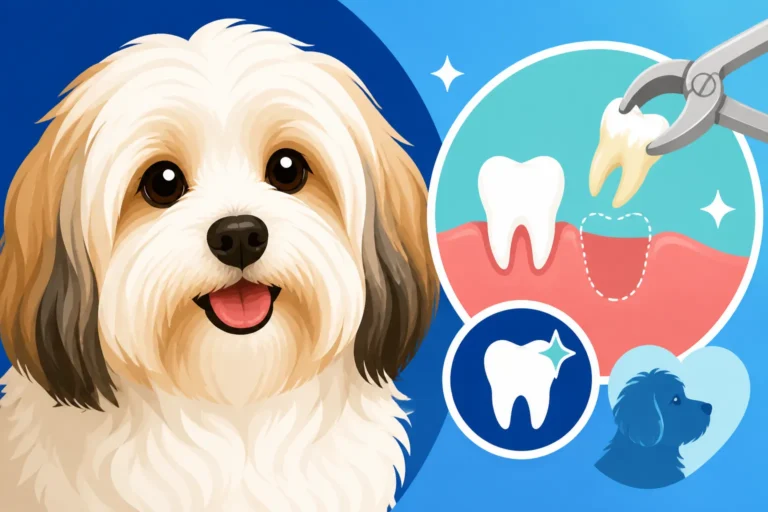
Whether a Havanese’s Retained Baby Teeth Cost Extra
Finding out your adorable Havanese puppy might need extra veterinary attention, especially for something as seemingly minor as baby teeth that just won't fall out, can be a real head-scratcher and a source of financial worry. It's frustrating when you expect a straightforward puppyhood, only to be hit with unexpected dental issues. This guide is here to walk you through why retained baby teeth are a concern for Havanese, what signs to look for, and importantly, the potential costs involved and how you might manage them.
Understanding Retained Baby Teeth in Havanese Puppies
Many new Havanese owners are surprised to learn that their little fluffball's dental journey isn't always smooth sailing. Just like us, puppies have two sets of teeth: deciduous (baby) teeth and permanent (adult) teeth. The process of losing baby teeth and growing in adult ones should be a natural transition, but for some small breeds like our beloved Havanese, nature sometimes needs a little nudge.
What Are Retained Deciduous Teeth?
Simply put, retained deciduous teeth are baby teeth that don't fall out when they should, even after the permanent adult tooth has started to erupt. It’s like having two teeth trying to occupy the same space at the same time. This is particularly common in toy breeds, and our Havanese are no exception. Often, the roots of these baby teeth fail to resorb properly, which is the natural process that allows them to loosen and fall out. Instead, they stubbornly stay put. The most commonly affected teeth are the canine teeth – those pointy "fangs" that give your puppy its cute, mischievous look – but it can also happen with incisors and even some premolars. You might notice two canine teeth, one baby and one adult, sitting side-by-side in your puppy’s mouth. This often becomes noticeable between four and six months of age, when most of the adult teeth are pushing through.
Why Retained Teeth Are a Problem for Havanese
While it might seem minor, a retained baby tooth is more than just a quirky dental feature; it's a significant health concern for your Havanese. The most immediate problem is what we call "dental crowding." When the baby tooth doesn't make way, the adult tooth often erupts in an abnormal position. This misalignment can lead to a host of issues. For instance, if an adult canine tooth grows too far inward, it can hit the roof of your dog's mouth, causing painful sores or even fistulas (holes) that can become infected.
Beyond immediate discomfort, retained teeth create crevices and tight spaces between the baby and adult tooth, and between abnormally positioned adult teeth. These tight spots are perfect traps for food particles and bacteria. This means an increased risk of tartar buildup, gingivitis, and ultimately, early periodontal disease. Think about how much smaller a Havanese's mouth is compared to a larger dog; there's simply less room to spare. Without intervention, your Havanese could be facing significant oral pain, infections, and even premature tooth loss down the line. It's a real bummer, considering how much we want our little ones to be comfortable and healthy. This is why addressing Dental Crowding in a Havanese Mouth early is so important.
Spotting Retained Baby Teeth in Your Havanese
As a Havanese owner, you're their first line of defense! Being vigilant is key. Most puppies begin losing their baby teeth around 3-4 months of age, with all adult teeth usually in by 6-7 months. This is the critical window for you to be inspecting your puppy's mouth regularly. Make it a positive experience – gentle pats, praise, maybe a favorite treat afterward. Look for:
- Double Teeth: The most obvious sign is seeing two teeth where there should only be one. This is especially noticeable with the canine teeth, both upper and lower. You'll see the baby canine still standing tall next to the new, larger adult canine pushing through.
- Misalignment: Even if you don't see two teeth, look for adult teeth that seem to be growing in at an odd angle, either too far forward, backward, or rotated. This can be a subtle sign that a baby tooth isn't giving way as it should.
- Redness or Swelling: Any inflammation around the gum line, especially near erupting teeth, could indicate a problem. Food and bacteria getting trapped around retained teeth can cause irritation.
- Bad Breath: While puppy breath isn't always minty fresh, unusually foul breath can be a sign of infection or significant plaque buildup, which can be exacerbated by retained teeth.
If you spot any of these signs, don't just hope they'll resolve themselves. It's time for a visit to your veterinarian. They can confirm if you're dealing with retained deciduous teeth and advise on the best course of action. Generally, it's advised that all baby teeth should be gone by 6 months of age; if not, they often need to be extracted. Your regular puppy check-ups should include a thorough oral exam, but don't hesitate to bring up your concerns sooner. You might find it useful to read about The Age a Havanese Needs Its First Dental for more context on timing.
The Financial Side of Dealing With Retained Havanese Teeth
Let's face it, veterinary care can be expensive, and dental procedures are no exception. When you're looking at your cute Havanese puppy, the last thing you want to worry about is a hefty vet bill, but understanding the potential costs upfront can help you prepare.
Initial Consultation and Diagnosis Costs
The first step is always a veterinary consultation. This initial visit will involve a thorough oral examination by your vet. They'll confirm the presence of retained teeth, assess their position, and check for any existing damage to the permanent teeth or surrounding gums. During this visit, they might also discuss the general health of your puppy, ensuring they are a good candidate for any necessary procedures.
The cost for this consultation can vary widely based on your location and the clinic. Some clinics might offer a specific "puppy dental check" as part of a wellness plan, while others will charge a standard office visit fee. While they might be able to tell you a lot just by looking, sometimes they might recommend X-rays to get a clearer picture of the roots of the retained teeth and the position of the adult teeth, especially if there are concerns about impacted teeth. These initial steps are crucial for planning the extraction, and unfortunately, they do come with a price tag before any actual procedure even begins.
The Cost of Extraction Procedures
This is where the bulk of the cost for retained baby teeth comes in. Extracting retained deciduous teeth is typically a surgical procedure requiring general anesthesia. This isn't just a simple pull; it's a careful process to ensure the entire root of the baby tooth is removed without damaging the delicate, still-developing adult tooth.
Here's a breakdown of what typically contributes to the total cost:
- Pre-anesthetic Bloodwork: Essential to ensure your Havanese is healthy enough to undergo anesthesia. This checks organ function and helps identify any underlying issues.
- Anesthesia: The cost is often based on the duration of the procedure and the weight of your dog. Since Havanese are small, their anesthesia needs careful monitoring, which can sometimes influence pricing. You might worry about Whether Anesthesia Is Riskier on a Small Havanese, but modern veterinary practices are very adept at managing this.
- Dental X-rays: Even if initial X-rays were taken, intra-operative X-rays (taken during the procedure) are crucial to confirm complete root removal and check the health of surrounding teeth.
- The Extraction Itself: This involves the vet carefully loosening and removing the retained tooth. Some extractions are more complex than others, especially if the root is particularly stubborn or if the tooth has started to fuse with the jawbone.
- Pain Management and Antibiotics: Post-operative pain medication is usually prescribed, and antibiotics might be given to prevent infection, especially if the gums were inflamed.
- Follow-up Appointments: A recheck might be scheduled to ensure proper healing.
The actual cost of extracting retained baby teeth can range significantly, but it’s rarely a "cheap" fix. It's an investment in your Havanese's long-term oral health and comfort. You'll want to get a detailed estimate from your vet that itemizes all these components.
Potential Complications and Their Added Expenses
While most retained baby tooth extractions are straightforward, complications can arise, which can certainly add to your veterinary bill. Being aware of these possibilities can help you understand why thorough pre-operative planning and skilled veterinary care are so important.
Common complications, though still rare, include:
- Fractured Tooth Root: If the baby tooth root is particularly long or brittle, it can fracture during extraction, making the removal more challenging and potentially extending anesthesia time.
- Damage to Permanent Tooth: This is a major concern. If the adult tooth is very close to the baby tooth, there's a small risk of damaging its enamel or even its root structure during extraction. This can lead to future issues with the adult tooth, potentially requiring further dental work down the line.
- Infection: Even with antibiotics, infection can sometimes develop post-extraction, requiring additional medication or follow-up visits.
- Oro-nasal Fistula: In rare cases, especially with upper canine extractions, a small opening can form between the mouth and the nasal cavity. This needs immediate attention to prevent chronic infections and discomfort.
- Dry Socket: Similar to humans, a "dry socket" can occur if the blood clot at the extraction site dislodges, leading to pain and delayed healing.
Each of these complications would necessitate additional veterinary care, examinations, medications, and potentially further procedures, all of which would naturally increase the overall cost. This highlights the value of choosing a veterinarian experienced in toy breed dental care, as they will take extra precautions to minimize these risks. Sometimes, waiting too long can also lead to complications, as the roots can become more stubborn. So, if your vet recommends extraction, it's usually for a very good reason.
Strategies to Manage and Potentially Reduce Costs
Thinking about the potential costs can be daunting, but there are proactive steps you can take to both prevent severe issues and manage the financial burden when they do arise.
Early Detection and Prevention
The old adage "an ounce of prevention is worth a pound of cure" really rings true for retained baby teeth. Regularly checking your Havanese puppy's mouth from a young age is the best prevention. The earlier you or your vet spot a retained tooth, the easier and less complicated the extraction is likely to be. Often, if caught early enough, the roots are less developed and less likely to fracture.
Furthermore, responsible breeding plays a role. While retained baby teeth can occur in any individual puppy, a good breeder will be aware of dental issues in their lines and might even check puppies' mouths before they go to their new homes. They should also be transparent about any known dental history in the parent dogs. Discussing Whether a Havanese Breeder Should Show CHIC Numbers can give you an idea of the types of health screenings responsible breeders undertake. While not directly related to retained teeth, it speaks to a commitment to overall health. If you notice a retained tooth, promptly scheduling that vet visit, ideally between 5-7 months of age, before the adult teeth are fully settled into their incorrect positions, can prevent more costly and complicated issues down the road.
Pet Insurance and Wellness Plans
This is where planning ahead can really pay off. Pet insurance is designed to help cover unexpected veterinary costs, and many policies will cover necessary dental extractions, especially if they are deemed medically necessary (as retained teeth almost always are). However, it's crucial to understand the specifics of your policy.
- Waiting Periods: Most policies have waiting periods before coverage kicks in, so it's best to enroll your Havanese puppy as soon as you get them.
- Exclusions: Check for pre-existing conditions clauses. While a retained baby tooth isn't usually considered "pre-existing" if you enroll early, it's vital to read the fine print.
- Deductibles and Reimbursement Rates: Understand what your deductible is and what percentage of the vet bill your plan will reimburse.
Companies like Healthy Paws are popular choices, and many Havanese owners find their coverage for accidents and illnesses, including necessary dental procedures, to be a lifesaver. Some pet insurance providers also offer "wellness plans" as an add-on. These aren't insurance in the traditional sense, but subscription plans that cover routine care like annual check-ups, vaccinations, and sometimes even a basic dental cleaning. While a wellness plan might not cover the full cost of an extraction, it can help with the initial consultation and pre-anesthetic bloodwork. It's always worth getting a few quotes and comparing what different providers offer to see what best fits your budget and your Havanese's needs.
Comparing Veterinary Clinics and Services
Don't be afraid to shop around – respectfully, of course! Veterinary clinics, especially for specialized procedures like dental work, can have varying price structures. It's perfectly acceptable to call a few local clinics and ask for an estimated cost for retained deciduous tooth extraction, including all the components we discussed (bloodwork, anesthesia, X-rays, extraction, meds).
Here are a few tips for comparing:
- Ask for a Detailed Estimate: Ensure the estimate is comprehensive and includes everything, not just the extraction fee.
- Inquire About Experience: While all vets are capable, some may have more experience with toy breed dental work. Don't hesitate to ask about their approach to anesthesia for small dogs.
- Consider Location: Vet costs can vary by region. Sometimes, traveling a little further to a highly-rated clinic outside a major city center might offer cost savings without compromising quality.
- Low-Cost Options: In some areas, veterinary schools or large animal hospitals might offer slightly lower prices for dental procedures, often performed by residents under the supervision of specialists. You could also inquire if there are any dental weeks or promotions, though these are less common for complex extractions.
While cost is a factor, always prioritize your Havanese's health and safety. The cheapest option isn't always the best if it means compromising on quality of care, anesthesia monitoring, or pain management. A good balance between affordability and excellent veterinary care is what you're aiming for.
Long-Term Oral Health and Preventing Future Issues
Once those retained baby teeth are out and your Havanese has a mouth full of properly spaced adult teeth, the work isn't over! Dental health is an ongoing commitment, especially for a breed prone to dental issues.
Daily Dental Care at Home
This is the cornerstone of preventing future dental problems and keeping those vet bills for cleanings down. Daily brushing is the gold standard. Start when your Havanese is a puppy, making it a positive and gentle experience. Use a soft finger brush or a small toothbrush designed for pets, along with pet-specific enzymatic toothpaste (never human toothpaste!). Aim for at least a few minutes each day, focusing on the outside surfaces of the teeth, which tend to accumulate the most plaque.
Beyond brushing, consider other dental aids:
- Dental Chews: Look for VOHC (Veterinary Oral Health Council) approved dental chews. These are scientifically proven to help reduce plaque and tartar. Make sure they are size-appropriate for your Havanese and won't splinter. Brands like Greenies or Virbac C.E.T. VeggieDents are often recommended by vets.
- Water Additives: Some owners find dental water additives helpful. These are typically tasteless solutions you add to your Havanese's drinking water, containing ingredients that help inhibit bacterial growth in the mouth.
- Oral Gels/Sprays: If brushing is a struggle, there are enzymatic gels or sprays you can apply to your dog's teeth that help break down plaque.
Consistency is key! A few minutes of daily care can make a huge difference in your Havanese's long-term oral health. You can learn more about this by reading Whether a Havanese Needs Its Teeth Brushed Daily.
Regular Professional Dental Cleanings
Even with diligent home care, most Havanese will eventually need professional dental cleanings. These cleanings are much more thorough than what you can achieve at home and involve scaling (removing plaque and tartar above and below the gumline), polishing (to smooth the tooth surface and deter new plaque), and often full-mouth dental X-rays to check for issues beneath the gumline. Just like the retained tooth extractions, these procedures require general anesthesia.
The frequency of these cleanings will depend on your Havanese's individual needs, genetics, and how effective your home care routine is. Some Havanese might need a professional cleaning every year or two, while others might go longer. Your vet will assess your dog's oral health during their annual check-ups and recommend a cleaning when necessary.
These professional cleanings are an investment, with costs varying depending on the extent of cleaning, X-rays, and any necessary extractions of adult teeth (which can sometimes be needed if periodontal disease is advanced). It's always a good idea to budget for these as a regular part of your Havanese's care. For more information on this, check out How Often a Havanese Needs Its Teeth Cleaned.
Diet and Its Role in Havanese Dental Health
What your Havanese eats can also play a role in their dental health, though it's rarely a substitute for brushing.
- Kibble: Some specially formulated dental kibbles have larger, uniquely shaped pieces designed to scrape plaque off the teeth as the dog chews. Again, look for VOHC-approved options. While regular kibble isn't a "toothbrush," it's generally better for dental health than soft, sticky foods that cling to teeth.
- Fresh Food/Raw Diets: Some proponents of fresh food or raw diets claim they improve dental health. While the chewing action on raw bones (appropriate, non-splintering ones, under strict supervision) can help, these diets generally don't negate the need for regular brushing or professional cleanings. In fact, many fresh food diets, if too soft, can sometimes contribute to plaque buildup. Brands like Ollie offer fresh food options, and while excellent for overall nutrition, always pair them with a dedicated dental hygiene routine.
- Avoid Sugary Treats and Table Scraps: These can be detrimental to your Havanese's teeth, just like they are for humans. Stick to dog-specific treats, and again, VOHC-approved dental treats are a great choice.
Ultimately, a balanced diet combined with consistent home dental care and regular veterinary check-ups creates the strongest defense against dental disease in your Havanese. It might feel like a lot to manage, but your Havanese will thank you with a healthier, happier smile and fewer painful issues in the long run!
| Dental Health Aspect | Description | Cost Implications | Prevention/Management Tips |
|---|---|---|---|
| Retained Baby Teeth | Deciduous teeth that don't fall out, adult teeth erupt beside them. | Initial vet visit, X-rays, anesthesia, surgical extraction, pain meds, antibiotics. | Regular puppy mouth checks (4-7 months), prompt vet consultation. |
| Dental Crowding | Adult teeth growing in misaligned due to retained baby teeth. | Leads to plaque traps, increased risk of periodontal disease, potential need for future extractions. | Early retained tooth extraction. |
| Plaque & Tartar Buildup | Accumulation of bacteria and mineral deposits on teeth. | Leads to gingivitis, periodontal disease, professional cleanings, potential extractions. | Daily brushing, VOHC-approved dental chews/additives. |
| Gingivitis/Periodontal Disease | Inflammation/infection of gums and supporting tooth structures. | Professional cleanings, antibiotics, extractions, potentially costly advanced treatments. | Excellent home care, regular professional cleanings, appropriate diet. |
| Professional Dental Cleanings | Vet-performed scaling, polishing, and X-rays under anesthesia. | Varies based on extent of work; recurring cost every 1-3 years. | Consistent home care can extend intervals between cleanings. |
| Dental Extractions (Adult) | Removal of diseased or painful adult teeth. | Higher costs than baby tooth extractions, can be complex, often includes bone grafting. | Aggressive home care, prompt professional cleanings to save teeth. |
| General Anesthesia | Required for most dental procedures; carries inherent risks and costs. | Pre-anesthetic bloodwork, IV fluids, monitoring during procedure. | Crucial for safe procedures; cost is unavoidable for thorough dental work. |
| Pet Insurance | Helps cover unexpected veterinary costs, including dental procedures. | Monthly premiums, deductibles, co-pays; can save significant money on large bills. | Enroll early, understand policy details (waiting periods, exclusions). |
| Wellness Plans | Subscription plans for routine care (check-ups, vaccinations). | Monthly fees; may cover initial exams or contribute to some preventative care. | Complements insurance; good for predictable routine expenses. |
What a Havanese Costs a Year to Keep
Why a Havanese Needs Dental Work Young
How Often a Havanese's Teeth Need Scaling
What a Havanese Dental Cleaning Costs
The Dental Work Every Havanese Needs by Six
Whether a Havanese Puppy's Baby Teeth Need Pulling
The Age a Havanese Needs Its First Dental
Dental Crowding in a Havanese Mouth
Whether Anesthesia Is Riskier on a Small Havanese
How Often a Havanese Needs Its Teeth Cleaned
Whether a Havanese Needs Its Teeth Brushed Daily
Disclaimer
This article is for general informational purposes only and does not constitute professional advice. Laws, prices and regulations vary by location and change over time. Consult a qualified professional for guidance on your specific situation.