Whether a Havanese Breeder Should Show CHIC Numbers
Bringing a Havanese puppy into your home is an incredibly exciting journey, but it often comes with a heap of understandable anxieties. One of the biggest worries, and a question I hear all the time, is how to really know if you're getting a healthy puppy from a responsible breeder. It's frustrating when you're trying to do your due diligence, and you come across terms like "CHIC number" without a clear understanding of what it means or why it’s so important. This guide is all about demystifying CHIC numbers and explaining why a reputable Havanese breeder should always be transparent about them.
What Are CHIC Numbers and Why They Matter for Havanese Health
When you’re looking for a Havanese puppy, you’ll hear a lot about health testing. It’s not just a buzzword; it’s a critical step responsible breeders take to try and ensure the puppies they produce are as healthy as possible. At the heart of this is the Canine Health Information Center (CHIC) program, an initiative developed by the Orthopedic Foundation for Animals (OFA) and the AKC Canine Health Foundation. Think of it as a central hub where various health screening results for individual dogs can be publicly accessed.
The beauty of the CHIC program is its transparency. It encourages breeders to perform a comprehensive set of health screenings relevant to their specific breed and then makes those results, both good and bad, available to prospective puppy buyers like you. For Havanese, this means screening for a range of genetic conditions that are known to affect the breed. It’s not about guaranteeing a perfect dog – no such guarantee exists in any living creature – but it's about making informed breeding decisions based on scientific data. A breeder who actively participates in CHIC is demonstrating a commitment beyond simply producing puppies; they're investing in the long-term health and welfare of the Havanese breed itself. Without this kind of transparency, you’re essentially buying a puppy sight unseen when it comes to genetic health, which can lead to heartbreaking and costly issues down the road.
Understanding the Role of OFA and Parent Clubs
To really grasp what a CHIC number represents, you need to understand its foundation: the Orthopedic Foundation for Animals (OFA) and breed-specific parent clubs. The OFA is a not-for-profit organization that provides health certifications for dogs. They maintain a vast database of health test results, from hip and elbow evaluations to cardiac and eye screenings. When a veterinarian performs a specific health test on a dog, the results are often submitted to the OFA for official certification. This certification process involves independent evaluation by veterinary specialists, ensuring a consistent and objective assessment.
The other crucial player is the breed’s parent club – in our case, the Havanese Club of America. These clubs are made up of dedicated enthusiasts and breeders who work to preserve and protect their breed. They, in collaboration with the OFA, determine which specific health tests are most critical for their breed to participate in the CHIC program. They identify the prevalent genetic health issues in Havanese and set the standards for required screenings. This collaborative approach means that the CHIC recommendations aren’t arbitrary; they’re carefully considered based on years of breed knowledge, veterinary science, and statistical data. So, when a Havanese earns a CHIC number, it signifies that its breeder has gone above and beyond, adhering to the specific health screening protocols deemed essential by the experts of the breed. It means they’ve not only done the tests, but they've also made the results publicly accessible, fostering a level of trust and accountability that is invaluable to puppy buyers.
Essential Health Tests for Havanese and CHIC Compliance
The Havanese is generally a pretty healthy little dog, often living The Fourteen to Sixteen Years a Havanese Lives. However, like all purebreds, they do have a predisposition to certain genetic conditions that responsible breeders work tirelessly to screen for. The CHIC program for Havanese specifically targets these conditions, requiring a core set of evaluations to be performed on breeding dogs before they can receive a CHIC number. These tests aren't just a formality; they're designed to catch potential problems early and prevent them from being passed down to future generations. Knowing these tests and why they're important empowers you as a buyer to ask the right questions and understand the answers you receive.
It’s about more than just a piece of paper; it’s about understanding the potential challenges a Havanese might face and a breeder's proactive approach to minimizing those risks. For instance, while some conditions might not affect a young puppy, they could emerge later in life, leading to significant veterinary costs and heartache. Early screening is the best tool we have to combat these issues.
Eye Examinations CAER
One of the primary concerns for Havanese, and a mandatory part of their CHIC testing, involves their eyes. Havanese are susceptible to several The Eye Diseases a Havanese Inherits, including hereditary cataracts and progressive retinal atrophy (PRA). To address this, breeding Havanese must undergo annual eye examinations by a board-certified veterinary ophthalmologist. These examinations are submitted to the OFA under the Canine Eye Registry Foundation (CERF) or the newer CAER (Companion Animal Eye Registry) program.
These eye exams aren't just a quick peek; they're thorough assessments of the dog's ocular health, looking for any signs of inherited eye disease. The results are published, so you can see if the parent dogs have been clear year after year. It's not a one-and-done deal either; because some conditions can develop later in life, Whether a Havanese Needs a Yearly Eye Exam is critical for breeding dogs. Finding a breeder who consistently performs and registers these annual eye exams shows a genuine dedication to preventing eye issues in their line. It gives you peace of mind that the parents of your potential puppy have clear vision, reducing the risk that your future companion will suffer from these potentially blinding conditions.
Patellar Luxation Evaluations
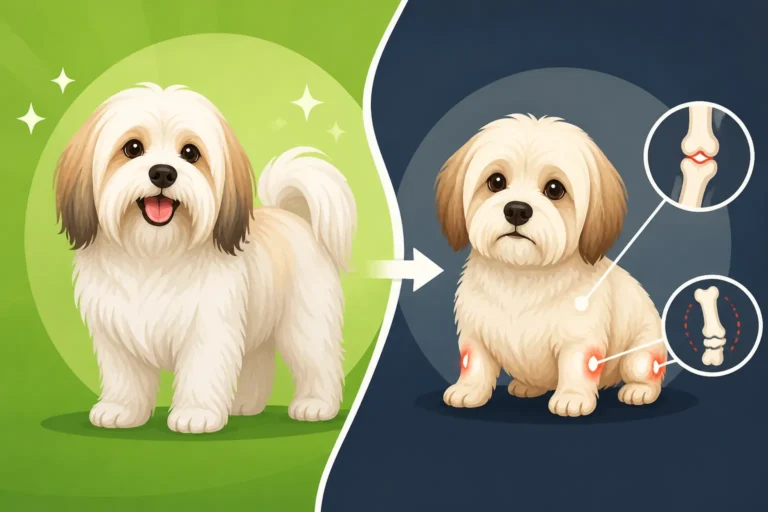
Another common orthopedic issue in many small breeds, including the Havanese, is patellar luxation, more commonly known as "slipping kneecaps." This is why OFA patella evaluations are a crucial part of the Havanese CHIC requirements. A luxating patella occurs when the kneecap (patella) slips out of its normal groove in the thigh bone (femur). While it can range from mild to severe, it can cause pain, lameness, and predispose a dog to arthritis. You might have heard about The Kneecaps a Havanese Slips and the subsequent skip in their step.
The OFA patella evaluation is a physical examination performed by a veterinarian, who manually assesses the kneecap's stability. The knees are graded from 0 (normal) to 4 (severe luxation). Reputable breeders will only breed Havanese with OFA normal patella certifications (Grade 0 or 1, although ideally 0). It’s important to note that while the patella exam is a physical assessment rather than a genetic test in the traditional sense, it’s still a crucial screening tool for a polygenic (multiple gene) condition. By only breeding dogs with sound patellas, breeders significantly reduce the chances of their puppies inheriting this potentially debilitating condition. Always ask to see the OFA certificates for both parents when considering a Havanese puppy; it’s a non-negotiable step for responsible breeding.
BAER Testing for Deafness
While not as widely known as eye or knee issues, congenital deafness can occur in Havanese, particularly in those with significant white markings. This is where the Brainstem Auditory Evoked Response (BAER) test comes into play as a recommended, though not strictly mandatory for CHIC, health screening for the breed. The BAER test is the only reliable way to objectively determine a dog's hearing status. It’s a non-invasive procedure where electrodes are placed on the dog’s head to measure electrical activity in the brain in response to auditory clicks.
Finding out your Havanese puppy has Early Deafness in a Havanese after you've brought them home can be a profound shock and require significant adjustments. While deaf dogs can lead happy, full lives, it's important to be prepared. A breeder who voluntarily conducts BAER testing for their breeding stock, especially if they have lines known for white coats, demonstrates an extra layer of commitment to producing healthy puppies. It's a testament to their dedication to uncovering even less common hereditary issues. If a breeder shows you BAER test results, it’s a strong indicator of their thoroughness and ethical approach to breeding, ensuring that they are aware of and addressing all potential hereditary health concerns within their lines.
Cardiac Evaluations
Heart health is another area of concern for many breeds, and while Havanese aren't particularly prone to early-onset severe cardiac disease, they can develop conditions like Mitral Valve Disease in an Older Havanese. For CHIC certification, Havanese breeding dogs are required to undergo a cardiac evaluation. This typically involves a physical examination by a board-certified veterinary cardiologist or a general practitioner using a cardiac auscultation (listening with a stethoscope) to check for murmurs or other irregularities.
The goal here is to identify any congenital heart defects that might be present or any early signs of acquired heart disease that could be passed down. While a single auscultation can provide a snapshot, some breeders go further with echocardiograms (ultrasound of the heart) to get an even more detailed picture, particularly if a murmur is detected. Responsible breeders understand that a healthy heart is fundamental to a dog's longevity and quality of life. By screening their breeding stock, they aim to produce puppies with strong, healthy hearts, minimizing the risk of heartbreaking cardiac issues surfacing later in your Havanese's life. This proactive screening helps protect your future companion from significant health challenges and potential vet bills associated with heart disease.
Liver Shunt Screening
A portosystemic shunt, commonly known as a liver shunt, is a congenital condition where blood bypasses the liver, preventing toxins from being filtered out of the bloodstream. This can have serious implications for a puppy's development and overall health, leading to stunted growth, neurological issues, and a host of other problems. The Liver Shunt a Havanese Puppy Shows Before Six Months can be devastating. Because of this, liver shunt screening is a crucial, though sometimes overlooked, aspect of responsible Havanese breeding and is part of the CHIC recommendations.
The primary screening method for liver shunts involves a bile acid test. This blood test measures bile acid levels before and after eating, which can indicate whether the liver is functioning properly. Elevated levels can suggest the presence of a shunt. While surgical correction is possible for some shunts, it is a complex and costly procedure. A breeder who includes liver shunt screening in their health panel is demonstrating immense care for their puppies' future. It's a proactive step to avoid producing puppies with this challenging condition, which can be devastating for both the dog and its family. Knowing that the parent dogs have clear bile acid test results gives you considerable reassurance about the foundational health of your Havanese puppy.
Other Important Considerations
Beyond the core CHIC requirements, some breeders might perform additional tests or be vigilant about other conditions. For instance, while not a CHIC requirement, responsible breeders are always mindful of Whether a Havanese Breeder Screens for Chondrodysplasia, which causes bowed legs. This condition is not tested via OFA but through careful physical examination and pedigree knowledge. Similarly, some breeders might consider screening for Whether a Havanese Gets Hip Dysplasia, even though it's less common in this small breed than in larger dogs.
It’s about a holistic approach to health. A CHIC number is a great starting point, but a truly excellent breeder will discuss their entire health philosophy with you, including their knowledge of their lines, their experiences with previous litters, and any other genetic predispositions they actively work to avoid. This comprehensive discussion, coupled with transparent CHIC numbers, gives you the most complete picture of your puppy's potential health.
Decoding a Havanese CHIC Number: What to Look For
So, a breeder tells you their Havanese has a CHIC number. That’s fantastic! But what does it actually mean, and how do you verify it? A CHIC number isn't just a stamp of approval; it's a key to a wealth of public health information about that specific dog. Being able to access and interpret this information is a powerful tool for you as a prospective puppy owner. It moves you from simply taking a breeder's word for it to actively participating in understanding your future puppy's genetic heritage.
The most important thing to remember is that a CHIC number simply means all the required breed health tests have been performed and the results, whatever they may be, have been made public. It doesn't mean all results were "pass" or "normal." This is why decoding it is crucial.
Accessing OFA Public Records
The great thing about the OFA database is that it’s completely public and free to access. All you need is the registered name or registration number of the Havanese in question, and you can look up their health clearances. A reputable breeder should happily provide you with this information, or even better, send you direct links to their dogs' OFA pages. To find these records, simply go to the OFA website (www.ofa.org) and use their "Search by Database" function.
Once you enter the dog’s information, you’ll see a list of all the health tests submitted for that Havanese. Each test will show the date it was performed and the result. For example, under "Patella," you’ll see "Normal" or a grade like "Grade 1." For "Eyes," you’ll see "Normal" or a specific diagnosis if a problem was found. This transparency is invaluable. If a breeder hedges or refuses to provide this information, it’s a significant red flag. They should be proud to show you the evidence of their efforts to breed healthy dogs. This is where you can verify The Health Tests Both Havanese Parents Should Have have actually been completed and recorded.
Interpreting Test Results: Normal vs. Abnormal
When you look at a Havanese’s OFA record, you'll primarily be looking for "Normal" or "Clear" results for all the required tests. For patellas, "Normal" means Grade 0. For cardiac, it means "Normal." For eyes, "Normal" or "Clear" indicates no observable inherited eye disease at the time of the exam. For bile acid tests, you’d expect "Normal." However, a CHIC number can still be issued even if a dog has an abnormal result, as long as the test was done and reported. For instance, a dog with a Grade 2 patella luxation could still have a CHIC number if that result was submitted.
This is why understanding what you’re looking at is so important. A breeder showing you a CHIC number and all "Normal" results is ideal. If you see an "Abnormal" or "Affected" result, it’s a signal to ask more questions. A responsible breeder might have a very good reason (e.g., breeding out a minor issue in a particular line, or perhaps that specific test isn't genetically inherited in their line in the same way). However, it’s crucial to understand the implications for the puppies. Don't be afraid to ask for explanations, and if you’re unsure, consult with your own veterinarian. This diligence is part of ensuring you’re not unwittingly bringing home a puppy with a higher predisposition to genetic issues that might mean frequent vet visits and significant costs down the line. Even with the best breeding, sometimes unexpected health issues arise, so it’s always wise to consider pet insurance like Healthy Paws as an additional safety net for your furry family member.
| Health Test Category | Havanese CHIC Requirement | What a "Good" Result Looks Like | Why It Matters for Havanese |
|---|---|---|---|
| Eyes | Annually by 12 months | CAER: "Normal" or "Clear" | Screens for conditions like cataracts and PRA that can cause blindness. |
| Patellas | By 12 months | OFA: "Normal" (Grade 0) | Assesses knee joint stability to prevent "slipping kneecaps" (luxating patella), reducing arthritis risk. |
| Cardiac | By 12 months | OFA: "Normal" | Checks for congenital heart defects or early signs of acquired heart disease like murmurs. |
| Deafness (BAER) | By 12 months | OFA: "Normal" or "Bilateral Hearing" | Detects congenital deafness, especially important for white-coated Havanese. (Recommended, often not mandatory for CHIC) |
| Liver Shunt | By 12 months | OFA: "Normal" Bile Acids | Screens for portosystemic shunts, a severe congenital condition affecting liver function. |
Why Transparency in CHIC Numbers is Non-Negotiable for Havanese Breeders
In the world of Havanese breeding, transparency isn't just a nice-to-have; it's a fundamental pillar of ethical practice. When a breeder proudly displays and openly discusses their dogs' CHIC numbers, they are not only demonstrating their commitment to the health of their individual dogs but also to the integrity and future of the entire Havanese breed. This openness helps you, the prospective owner, make an informed decision that could prevent years of heartache and unexpected expenses. It's a clear signal that this breeder has nothing to hide and stands behind the health of their breeding program.
Sadly, not all breeders operate with this level of openness. Some might claim to do health testing but refuse to provide documentation, or they might only share "clear" results while hiding others. This lack of transparency should raise immediate red flags. You are investing your time, emotions, and significant financial resources into a new family member, and you deserve to have full disclosure on their genetic background.
Building Trust Through Ethical Breeding Practices
A breeder who willingly provides CHIC numbers for their breeding Havanese is effectively laying all their cards on the table. This act builds immense trust because it shows they are prioritizing the health of their puppies over potential financial gain. Responsible breeders know that What a Havanese Breeder Spends Before a Litter Exists includes substantial costs for health screenings, genetic testing, and quality care. These are not shortcuts you can take and still claim to be ethical. They understand that by making health test results public, they are contributing to a healthier future for the Havanese breed as a whole, sharing vital data that can help other breeders and researchers.
This commitment extends beyond just getting the tests done. It means understanding the results, making hard decisions about which dogs to breed (even if it means not breeding a beloved dog due to a poor health score), and continually striving to improve the health of their lines. This level of dedication is what distinguishes a truly responsible breeder from someone simply producing puppies for profit. It also provides a crucial answer to Whether an Untested Havanese Litter Is Worth Buying – the answer is usually a resounding no. Investing in a puppy from tested parents helps ensure a longer, healthier life, which ultimately makes The Average Age a Havanese Reaches more likely.
Protecting Puppy Buyers from Costly Surprises
The financial and emotional toll of a puppy with significant genetic health problems can be immense. Imagine bringing home your adorable Havanese, only to discover a few months later that they require expensive surgeries for luxating patellas or ongoing medication for a liver shunt. These situations are heartbreaking and can quickly accumulate into thousands of dollars in veterinary bills. While having a CHIC number for the parents doesn't guarantee your puppy will never have a health issue, it dramatically reduces the risk of inheriting known genetic conditions that have clear screening tests.
By opting for a puppy from parents with verifiable CHIC numbers, you’re making a proactive choice to protect your future companion and your wallet. It's an investment in preventative care, minimizing the likelihood of encountering some of the most common and costly health problems in the breed. Even with the best breeding practices, unexpected illnesses can still occur, which is why many responsible Havanese owners also consider pet insurance plans, like those offered by Healthy Paws, to help cover unforeseen veterinary expenses. Having a solid foundation of health through responsible breeding, then backing it up with insurance, is the best approach to ensure you're prepared for whatever life throws your way. This due diligence helps you avoid the scenario of having to suddenly start Setting Money Aside for a Havanese's Vet Bills for preventable conditions.
Contributing to the Health and Future of the Havanese Breed
Beyond individual puppy health, the widespread use and transparency of CHIC numbers are vital for the overall health and genetic diversity of the Havanese breed. A relatively small founder population led to concerns about Whether a Havanese From a Small Gene Pool Is Riskier. When breeders participate in CHIC, they're not just testing their own dogs; they're contributing to a larger public database that helps researchers identify genetic trends, understand disease prevalence, and ultimately develop better screening tools or even genetic markers for these conditions. This collective effort strengthens the breed as a whole.
Breeders who refuse to health test or hide their results are doing a disservice not only to their buyers but to the breed itself. They prevent critical data from being collected and analyzed, hindering progress in eliminating genetic diseases. When you support a breeder who embraces CHIC transparency, you're not just buying a puppy; you're supporting ethical breeding practices that will benefit Havanese for generations to come. It’s a vote for a future where Havanese are known not just for their charming personalities but also for their robust health. And because even the healthiest dogs can have accidents or develop illnesses later in life, thinking about Whether a Havanese Is Worth Insuring with a provider like Healthy Paws is a smart part of long-term care planning.
Disclaimer
This article is intended for informational purposes only and does not constitute veterinary advice. Always consult with a qualified veterinarian for any health concerns or before making any decisions about your pet's health or treatment. The mention of specific brands is for contextual illustration and not an endorsement.