Whether a Havanese Sulks After a Correction
You’ve just given your sweet Havanese a gentle "no," or perhaps a slightly firmer vocal correction, and now they're giving you the cold shoulder. Their head is turned away, they won't make eye contact, and they might even have retreated to their bed. It feels exactly like they're sulking, and it's completely natural to wonder if you've permanently damaged your bond or if your little companion is just incredibly sensitive. This guide will delve into whether Havanese truly sulk, unpack what might actually be going on in their fluffy heads, and help you build a training approach that fosters a strong, loving, and trusting relationship.
Do Havanese Actually "Sulk" or Are We Misinterpreting Their Behavior?
It's a common observation among Havanese owners: after a perceived correction, their beloved dog seems to withdraw, ignore them, or even act a bit "off" for a while. As humans, our first instinct is often to project our own emotions onto our pets. We know what sulking feels like, and when our Havanese behaves similarly, we label it with the same emotion. It’s easy to imagine them thinking, "Well, that was unfair. I'm not talking to you for the next hour!"
However, canine behaviorists generally agree that dogs, while incredibly emotional and intelligent creatures, don't typically "sulk" in the human sense of holding a grudge or intentionally punishing you with their silence. What we interpret as sulking is more likely a combination of other, equally valid doggy emotions and reactions. Havanese are known for being very attuned to their humans, often referred to as "Velcro dogs" because they love to be close. This deep connection means they are particularly sensitive to changes in our tone of voice, body language, and overall demeanor. A sharp word or a sudden movement can be far more impactful to a Havanese than it might be to a more robust or independent breed.
When a Havanese "sulks," it could actually be confusion. Perhaps they didn't fully understand what they were being corrected for, or the correction itself was unclear. They might associate your firm tone with an unpleasant experience and withdraw to avoid further discomfort. It could also be a momentary emotional response to feeling startled, disappointed, or sensing your disapproval. Their world revolves around pleasing you and being close to you, so a perceived rift in that connection, even a minor one, can be unsettling for them. They might be trying to de-escalate the situation, process what happened, or simply give themselves a moment to recover from what they perceived as a negative interaction.
Understanding the Havanese Reaction to "Corrections"
The term "correction" itself can carry different meanings for different dog owners. For some, it might mean a sharp verbal reprimand; for others, a leash pop, or a firm "no." For a Havanese, who are generally soft, gentle, and eager-to-please dogs, the intensity of any correction matters immensely. They were historically bred as pampered companions for Cuban aristocracy, a role that didn't demand harsh discipline or independent work. This heritage has given them a sensitive disposition that thrives on positive interaction and gentle guidance.
A harsh or overly firm correction can easily overwhelm a Havanese. Instead of understanding what you want them to stop doing, they might simply become anxious, fearful, or shut down. This isn't stubbornness, but rather a protective response. Imagine being scolded in a language you don't fully comprehend; your natural reaction might be to retreat or become wary. Similarly, a Havanese might withdraw to their safe space, like their crate or under a chair, not to be defiant, but to escape what they perceive as an uncomfortable or threatening situation. Their keen intelligence, which makes them Why the Havanese Learns Tricks Faster Than Most Toys, also means they quickly learn to associate certain tones or actions with negative outcomes.
For example, if you loudly scold your Havanese for barking at the mail carrier, they might not understand why they're being corrected, but they will certainly register your displeasure. This can lead to them becoming hesitant around you, especially in similar situations, not because they're sulking, but because they're trying to avoid another unpleasant experience. Instead of a direct "correction," it's often more effective to redirect their attention or teach them an alternative behavior. If your Havanese is being "stubborn" about a command, as explored in Whether a Havanese Is Ever Stubborn, it might just be confusion or a lack of motivation, not defiance. Providing clear, calm instructions and rewarding desired behavior is far more effective for these sensitive souls.
The Power of Positive Reinforcement: Building Trust, Not Resentment
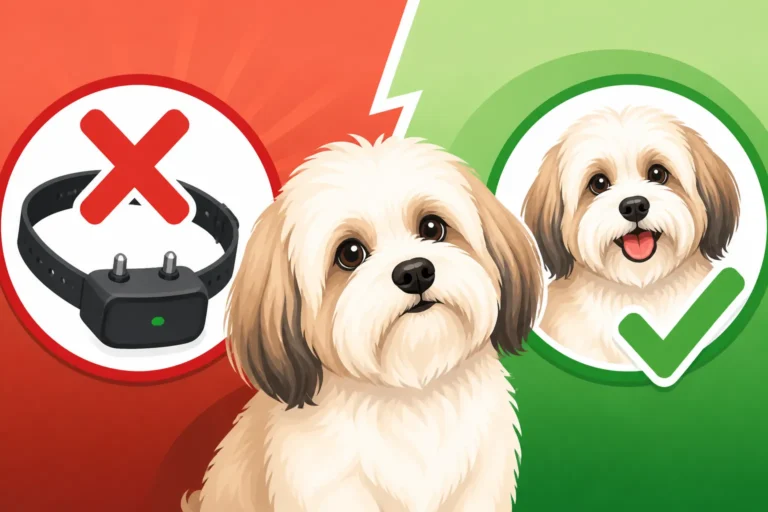
Given the Havanese's sensitive nature, positive reinforcement is overwhelmingly the most effective and humane approach to training. Instead of focusing on punishing undesirable behaviors, positive reinforcement centers on rewarding the behaviors you want to see. This method builds a strong foundation of trust and understanding, making your Havanese an enthusiastic participant in their training rather than a wary recipient of corrections.
Think about it from your Havanese's perspective. If doing something right earns them praise, a tasty treat, or a fun game, they're much more likely to repeat that behavior. This creates a positive feedback loop that strengthens your bond and makes training a joy for both of you. For example, if your Havanese tends to jump on guests, instead of knee-jerk scolding, you can teach them to sit politely when someone comes to the door. When they sit, they get a high-value treat and effusive praise. Soon, sitting becomes the default behavior, driven by their desire for rewards and your approval, not by fear of punishment. This approach leverages What a Havanese Will Work For—their inherent desire to please and their love for food and play.
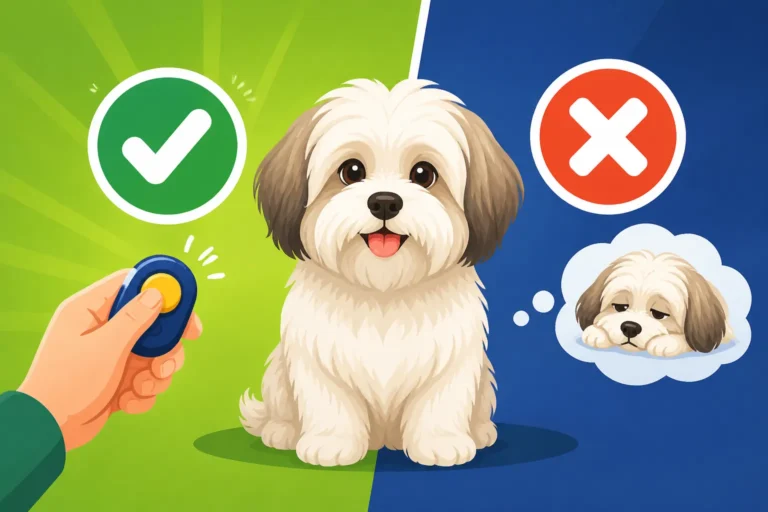
Many owners find great success using tools like clickers (as discussed in Whether Clicker Training Suits a Havanese) combined with small, soft treats that can be found easily on platforms like Amazon. Online training programs, such as those offered by BAXTER & Bella, also emphasize positive, fear-free methods, guiding owners through various stages of puppyhood and beyond. These resources can be invaluable for learning how to communicate effectively with your Havanese without resorting to methods that might cause them to withdraw. Remember, Havanese are intelligent dogs, and they learn How Fast a Havanese Learns a New Trick when the learning process is fun and rewarding. Keeping training sessions Whether Short Sessions Suit a Havanese and engaging will also prevent them from getting bored or overwhelmed.
Here’s a simple comparison of traditional "correction" vs. positive reinforcement:
| Scenario | Traditional "Correction" Approach | Positive Reinforcement Approach | Havanese Reaction (Likely) |
|---|---|---|---|
| Jumping on guests | Loud "No!" or pushing the dog down | Ask for a "sit" as guests enter, reward sitting | Confusion, withdrawal, anxiety |
| Potty accident inside | Scolding, rubbing nose in mess | Clean silently, take outside, reward toileting outside | Fear, hiding, sneaking to potty |
| Chewing forbidden item | Snatching item, scolding | Redirect to appropriate chew toy, reward chewing that toy | Uncertainty, resource guarding |
| Barking at window | Sharp "Quiet!" or spray bottle | Teach "look at me," reward calm focus, close blinds | More barking due to stress, withdrawal |
| Not coming when called | Frustrated tone, chasing dog | Make coming fun with treats/toys, run away from dog | Avoidance, less reliable recall |
Rebuilding Connection After a Perceived "Sulking" Episode
Despite our best intentions, there might be times when we accidentally use a tone or deliver a correction that causes our Havanese to retreat. It happens to the best of us! The key is to understand how to mend that perceived rift and reassure your Havanese that your bond is strong.
First, take a deep breath yourself. Your Havanese picks up on your emotional state, so a calm and relaxed demeanor from you can help them feel secure again. Avoid chasing them or trying to force interaction if they've withdrawn. Instead, give them a little space, then approach them gently. Speak in a soft, reassuring voice. Offer a high-value treat or one of their favorite Whether a Havanese Enjoys Puzzle Toys. Engage them in a simple, fun activity like a short play session with their favorite toy, or ask for a simple command they know well, like "sit," and reward them handsomely when they do it. The goal is to create a positive association that overrides any previous negative feelings.
It's also crucial not to inadvertently reward the "sulking" behavior. While it's tempting to lavish attention on a withdrawn Havanese to make them feel better, doing so immediately after they've retreated might teach them that sulking gets them extra cuddles. Instead, focus on re-establishing normal, positive interactions once they've had a moment to compose themselves. Consistency is vital. Ensure that everyone in the household is on the same page regarding training methods and expectations. This prevents mixed signals that can confuse a sensitive Havanese. Remember that Havanese, while social, can sometimes be selective with their affections, as noted in Whether a Havanese Bonds to One Person Only, so understanding their unique personality is key.
If your Havanese frequently seems withdrawn or anxious after minor interactions, it might be a sign that your general approach needs adjustment, or they might be prone to anxiety. Consider enrolling in a positive reinforcement training class or consulting with a certified professional dog trainer who specializes in fear-free methods. They can help you identify subtle cues from your Havanese and refine your communication. Providing ample mental stimulation beyond just walks, as detailed in What a Havanese Needs Beyond a Walk, can also help build their confidence and reduce overall stress, making them less reactive to perceived corrections. By prioritizing kindness, clarity, and positive reinforcement, you’ll foster a happy, confident Havanese who never feels the need to "sulk."
Disclaimer
This article is for general informational purposes only and does not constitute professional advice. Laws, prices and regulations vary by location and change over time. Consult a qualified professional for guidance on your specific situation.