Whether Cording Suits Every Havanese Coat
Many Havanese owners are absolutely captivated by the unique, almost mystical look of a corded coat, perhaps having seen Pulis or Komondors sporting this impressive style and wondering if their own little fluffball could achieve the same. It's a natural curiosity, especially with our breed's naturally long, flowing locks. However, the honest truth is that cording isn't a universal fit for every Havanese coat, and jumping into it without a full understanding can lead to a tangled, uncomfortable, and potentially unhealthy situation for your precious companion. This comprehensive guide will explore the intricacies of the Havanese coat, delve into the true nature of cording, and help you determine if this distinct grooming choice is genuinely suitable for your specific Havanese.
Understanding the Havanese Coat's Unique Characteristics
Before we even begin to think about cording, it's crucial to understand the fundamental nature of the Havanese coat. It's not just "long hair"; it's a finely tuned, often complex system designed by nature. Many owners initially underestimate the nuances of this beautiful coat, which is why things like matting can become such a sudden and frustrating problem.
The Dual Nature: Undercoat and Topcoat
One of the defining features of the Havanese coat, and a major factor in cording suitability, is its double-layered structure. Unlike some single-coated breeds, Havanese possess both a soft, downy undercoat and a longer, silkier topcoat. The undercoat provides insulation, while the topcoat offers protection. When these two layers grow and intertwine, they create that luxurious, flowing appearance we adore. However, this dual nature is also what makes them prone to matting if not meticulously cared for, and it plays a critical role in how well cords can form and be maintained.
Imagine trying to weave two different types of yarn together – one fine and fluffy, the other long and smooth. They don't always cooperate easily. This is much like the Havanese coat. The fine undercoat can easily get caught in the longer, sometimes slightly wavy topcoat, forming tangles and then mats. For cording, this combination is actually what allows the cords to form and hold their structure, but it also dictates the type of cord that will develop. A Havanese with a very dense, woolly undercoat might develop thicker, more tightly bound cords, while one with a sparser undercoat might have thinner, more delicate cords that are harder to maintain.
Coat Texture Variations
Within the Havanese breed, there's a surprising amount of variation in coat texture, even though the standard calls for a soft, silky feel. Some Havanese have a truly cottony, almost wool-like coat, while others boast an incredibly fine, almost human-hair-like texture. Then there are those with a slight wave or curl, and even some that can feel a bit coarser or thicker. These variations aren't just aesthetic; they profoundly impact how the coat behaves. A Havanese with a very fine, silky coat might struggle to form strong, well-defined cords, as the hair might be too slippery to bind together effectively. Conversely, a Havanese with a denser, slightly coarser, or more cottony coat might take to cording more readily, as its texture offers more "grip" for the strands to intertwine. This is why you simply can't assume that just because your dog is a Havanese, cording will automatically work.
I've spoken to countless owners who were frustrated because their dog's coat seemed to mat instantly, only to discover later that its particular texture made it a matting magnet. This same texture, while a grooming challenge for a flowing coat, could actually be an advantage for cording, as it facilitates the natural tangling process that is encouraged with cording. The texture truly determines the success and manageability of cords. You might notice that some Havanese coats seem to repel mats, while others attract them almost magnetically; this is often due to these subtle texture differences. Understanding your dog's unique coat texture is the first step in deciding if cording is even a possibility. You can read more about Whether a Havanese Coat Is Silky or Wiry to understand these differences.
The Puppy Coat vs. Adult Coat Transition
Ah, the "change of coat" phase – the bane of many a Havanese owner's existence! Havanese puppies start with a relatively easy-to-manage, soft, wispy coat. It's delightful, sheds minimally, and brushing feels like a breeze. Then, usually between eight months and eighteen months of age, the adult coat starts to come in. This is a period of intense matting, as the old puppy coat tries to shed out while the new, denser adult coat pushes through. This transition period is absolutely critical when considering cording.
You cannot effectively cord a Havanese puppy while their coat is in flux. The cords will be uneven, break apart, and likely become a matted mess rather than true cords. It's during this change, when the new adult hair mixes with the shedding puppy hair, that the coat truly begins to felt and bind together naturally. For a truly successful corded coat, you generally need to wait until the adult coat is fully established and mature, past that initial, frustrating transition. Trying to force cords too early is a recipe for disaster and will likely result in an uncomfortable experience for your dog and a lot of wasted effort for you. This period of change is also precisely Why a Havanese Mats at Eight Months and Not Before.
What Cording Actually Is: More Than Just Mats
There's a common misconception that cording is simply letting your dog's coat mat. While mats are indeed the starting point, true cording is a highly intentional and structured process that transforms mats into distinct, rope-like cords. It's an art form, really, and it requires a dedicated approach that is far removed from simply neglecting your dog's grooming.
The Natural Process of Matting
At its most basic level, cording leverages the natural tendency of the Havanese coat to mat. When the individual hairs, particularly the undercoat and topcoat, become tangled and felted together, they form a mat. In an uncared-for coat, these mats grow larger, tighter, and closer to the skin, pulling at the skin and causing discomfort, skin infections, and even restricting movement. This is what we diligently try to prevent with regular brushing and grooming for a flowing coat. However, in cording, we take this natural tendency and guide it.
The secret is to allow controlled matting to occur. Instead of letting all the hair mat into one solid pelt, we encourage small, distinct sections of hair to bind together from the skin outward. It's a bit like dividing your garden into neat rows for specific plants, rather than letting everything grow into an overgrown jungle. Without this underlying tendency for the Havanese coat to felt and intertwine, cording wouldn't be possible. The texture variations we discussed earlier play a huge role here; some coats simply felt more efficiently than others, making them better candidates for forming stable cords.
Controlled vs. Uncontrolled Cording
This is where the distinction is vital. Uncontrolled matting is neglect; it's painful, unhealthy, and leads to a shavedown at best, or serious skin issues at worst. Controlled cording, on the other hand, is a meticulous process. It involves separating small sections of hair, usually about the width of a pencil, and allowing them to naturally felt and bind together at the base, near the skin. As the hair grows, these sections are continually separated, ensuring that each cord remains distinct and doesn't merge with its neighbors.
Think of it this way: for a flowing coat, you brush through the hair to separate strands. For cording, you are gently separating sections of hair, then encouraging the strands within those sections to intertwine and tighten into a rope-like structure. It takes patience, a keen eye, and a gentle touch. This process continues as the dog grows and the cords lengthen. If you simply stop brushing and expect cords to appear, you'll end up with a solid, uncomfortable pelt, not beautiful, distinct cords. The difference is night and day, and it's essential to grasp this concept before embarking on the cording journey.
Visualizing a Corded Coat
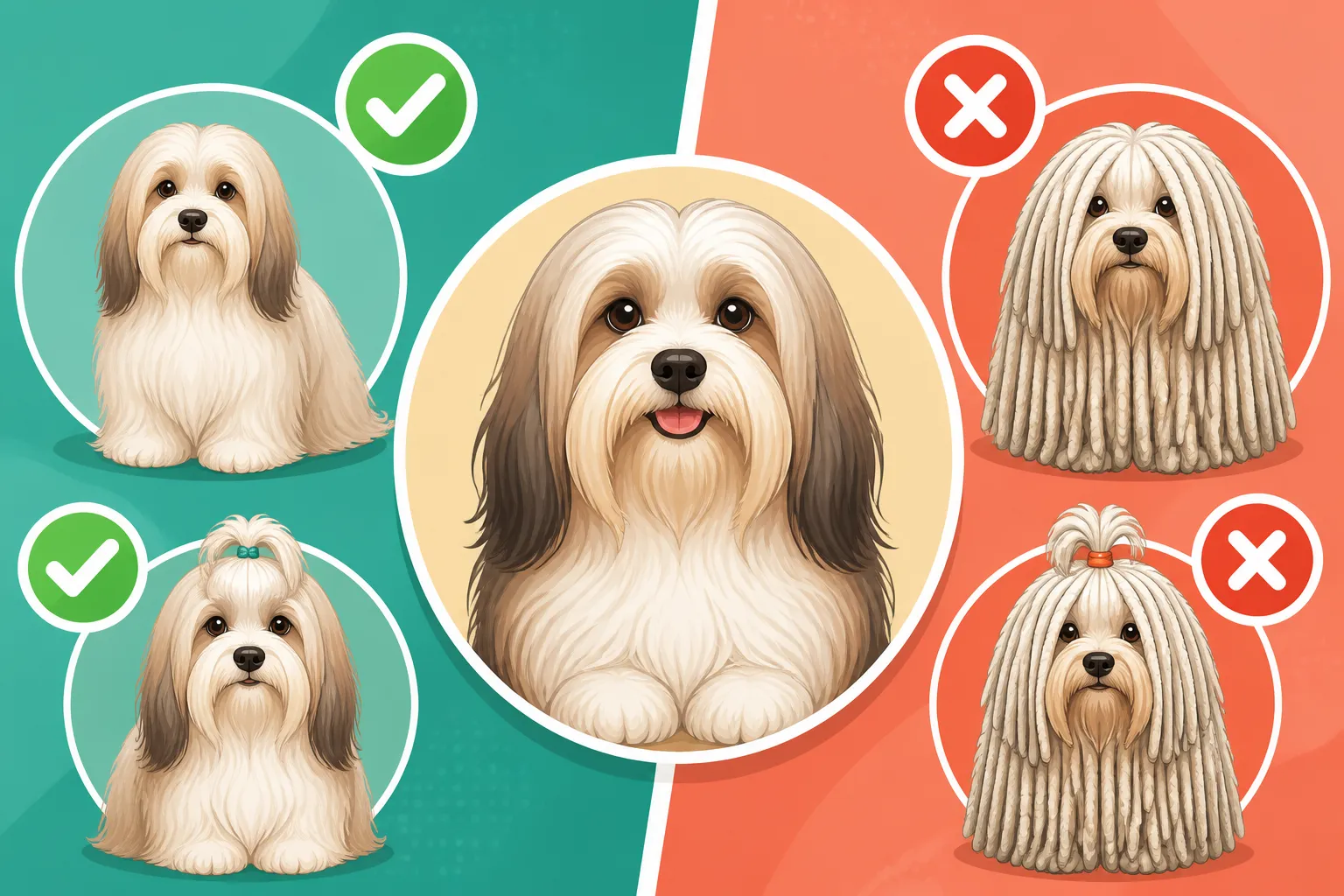
When done correctly, a corded Havanese looks truly magnificent. Instead of a flowing curtain of hair, the dog is covered in hundreds, sometimes thousands, of individual rope-like structures that hang down from its body. These cords can vary in thickness and length, depending on the coat type, the initial sectioning, and how long the cords have been allowed to grow. They typically start relatively thin at the base and thicken slightly towards the ends, resembling dreadlocks or tassels.
The overall effect is striking and unique. The cords move with the dog, creating a shimmering, almost serpentine appearance. It's not just about the look, however; a well-maintained corded coat can also offer protection from elements and can be surprisingly clean, as dirt and debris tend to fall off the cords rather than embed within them. However, achieving this polished look requires a significant investment of time and effort, particularly in the initial stages. You can get a better picture of what this truly involves by reading What Cording a Havanese Actually Involves.
Factors Influencing Cording Suitability
Now that we understand what cording entails, let's explore the practical considerations that determine if it's a viable option for your Havanese. It's not just about wanting the look; it's about the reality of your dog's coat and your lifestyle.
Ideal Coat Texture for Cording
As mentioned earlier, coat texture is perhaps the most significant predictor of cording success. The "ideal" Havanese coat for cording is usually one with a good balance of both undercoat and topcoat, and a texture that isn't excessively silky or too fine. A coat that has a slight "cottony" or "woolly" feel, a bit of natural wave, or a propensity to felt easily will generally form cords more readily and more successfully. These textures provide the necessary grip for the hair strands to intertwine and hold their corded shape without constant slippage.
Conversely, a Havanese with an extremely fine, super-silky, almost straight coat will find cording much more challenging. The individual hairs in such a coat are often too slippery to bind together effectively into strong cords. They might form weak, wispy cords that easily break or unravel, or they might simply mat into a solid pelt because the controlled separation is difficult to maintain. It's like trying to make a rope out of silk threads – it's much harder to get it to hold its shape compared to a rope made from cotton or hemp fibers. If your Havanese has a very fine, silky coat, it might be an uphill battle, and you might ultimately decide it's not worth the struggle for your dog's comfort or your own sanity.
Age and Coat Maturity
The journey to a corded coat isn't one you start with a tiny puppy. As discussed, the Havanese puppy coat is simply not ready for cording. The coat is too soft, too sparse, and lacks the density and texture of the adult coat needed to form stable cords. Most experts and experienced owners recommend waiting until your Havanese is well past their "change of coat" phase, typically around 18 months to two years of age, before attempting cording.
By this age, the adult coat should be fully grown in, denser, and have settled into its true texture. This maturity provides the foundation for strong, healthy cords to form. Starting too early will lead to broken, weak cords, frustration, and potentially discomfort for your dog as inconsistent mats pull at their skin. Patience is truly a virtue when it comes to cording a Havanese. Rushing the process will only lead to disappointment and more work in the long run.
Lifestyle and Environment
Beyond the coat itself, your lifestyle and your dog's environment play a massive role in whether cording is a practical and comfortable choice. A corded coat requires a different kind of daily management and has implications for your dog's activities.
Consider how active your Havanese is. Does your dog love rolling in the mud, swimming, or romping through burrs and sticks in the woods? While cords offer some protection, they can also pick up debris easily, and cleaning a dirty, wet corded coat is a far more involved process than washing and drying a traditional coat. If your Havanese is a frequent outdoor adventurer, you'll need to be prepared for the extra cleaning challenges.
Also, think about climate. A corded coat is essentially a very dense, thick protective layer. In hot, humid climates, this can become quite warm for your Havanese, increasing the risk of overheating. You might need to be extra vigilant about keeping your dog cool, providing shaded areas, and limiting intense activity during the hottest parts of the day. Conversely, in colder climates, a corded coat offers excellent insulation. These factors need to be weighed carefully against your desire for the aesthetic.
The Commitment Involved: It's a Marathon, Not a Sprint
Let's be unequivocally clear: cording a Havanese is an enormous commitment. It's not a set-it-and-forget-it solution to grooming. In many ways, it's more work than maintaining a long, flowing coat, especially in the initial stages. Anyone considering this path needs to be prepared for the dedication required. You can better understand the full scope of this by exploring Cording a Havanese and What It Commits You To.
Initial Setup and Formation
The first six months to a year of cording are the most intensive. This is the period where the cords are actively being formed from the natural mats. You'll need to spend regular, often daily, time meticulously separating the budding cords from the skin outwards. This isn't just a quick brush-through; it's a careful, section-by-section process to ensure each cord is distinct and not merging with its neighbors. If cords are left to merge, they will form larger, unmanageable mats that will be painful and difficult to correct.
Imagine parting hair for braids, but doing it over hundreds of sections across your dog's entire body, every single day or every few days. It takes incredible patience and a gentle touch to ensure you're not pulling on sensitive skin. During this phase, the coat can look a bit "messy" as the cords are still developing and gaining length. It's a journey, and the results won't be instantaneous. Owners who give up during this phase often end up with a badly matted dog that needs to be shaved down completely.
Ongoing Maintenance: Separating and Cleaning
Even once the cords are fully formed and long, the work doesn't stop. A corded coat still requires regular maintenance to keep the cords clean, separated, and healthy. This means continuing to check the roots of the cords for any new mats forming and gently separating them. New growth at the skin always wants to felt, so you'll be constantly vigilant.
Bathing a corded Havanese is also a significantly different experience. You can't just lather and rinse like a traditional coat. Each cord needs to be thoroughly wetted, gently massaged with diluted shampoo, and then rinsed meticulously to ensure no residue is left behind, which can irritate the skin or make cords stiff. This process is time-consuming, and thorough rinsing is absolutely paramount. You might find specialty shampoos and conditioners for corded coats on pet supply sites like Chewy or Amazon, designed to penetrate and clean without leaving heavy residues.
Drying Time and Odor Management
Perhaps the biggest shock for many considering cording is the drying time. A corded Havanese takes an incredibly long time to dry thoroughly – often many hours, even with the aid of a force dryer. Because the cords are dense, water gets trapped within them, and if not dried completely, it can lead to mildew, skin infections, and a distinct, unpleasant odor. This is not just a mild damp dog smell; it can be quite strong and pervasive.
You simply cannot let a corded Havanese air dry completely indoors, especially not in humid environments. A force dryer is almost a mandatory tool for anyone serious about cording. You'll need to direct the airflow down each cord, working section by section, until you're absolutely sure the coat is dry all the way to the skin. This can easily take 3-4 hours after a bath, depending on the length and density of the cords. Imagine dedicating that much time to grooming every few weeks! If you're not prepared for this intensive drying regimen, cording is not for you. You can learn more about this by reading How Long a Corded Havanese Takes to Dry.
| Feature | Traditional Havanese Coat | Corded Havanese Coat |
|---|---|---|
| Appearance | Long, flowing, silky | Distinct rope-like cords |
| Brushing | Daily line brushing | Regular cord separation at the base |
| Bathing | Standard wash/rinse | Meticulous, diluted shampoo, thorough rinsing |
| Drying Time | 30-60 mins with dryer | 3-4+ hours with force dryer, crucial for health |
| Matting | Actively prevented | Controlled mats form cords; uncontrolled mats are bad |
| Odor Potential | Low if clean | Higher if not dried completely or cleaned regularly |
| Maintenance | High daily/weekly | Very high initial, moderate-high ongoing |
| Tools Needed | Slicker, comb, pin brush | Fingers, scissors (for separation), force dryer |
Potential Challenges and Considerations
Beyond the sheer commitment, there are some practical challenges and considerations that every owner must face when deciding to cord their Havanese. These aren't necessarily deal-breakers, but they are realities that need to be addressed.
Skin Health and Hygiene
The primary concern with any dense or corded coat is maintaining skin health. Because the skin is covered by such a thick layer of hair, it's harder to inspect for issues like dryness, redness, hot spots, or parasites. Any skin irritation can quickly escalate if not caught early. Regular, thorough cleaning during baths, ensuring the skin is completely dry, and carefully checking the skin underneath the cords for any abnormalities are non-negotiable.
You need to be vigilant for any itching or discomfort your dog displays, as it could indicate a hidden skin problem. Using high-quality, gentle shampoos and conditioners formulated for sensitive skin is important. Some owners choose to supplement their dog's diet with fish oil or other skin-supportive nutrients, which you can find from reputable brands like Ollie or Chewy, to promote a healthy skin barrier. Regular communication with your vet about your dog's corded coat and its unique hygiene needs is also a good idea.
Weight and Comfort
A full corded coat can add significant weight to a small Havanese, especially when wet. While dry cords are relatively light, the sheer volume of hair can make a difference. This added weight, particularly when wet, can be quite cumbersome for a small dog, potentially affecting their movement and making them more prone to fatigue during activities.
More importantly, if the cords are not properly maintained – meaning they are allowed to merge, become too thick, or pull at the skin – they will cause discomfort. Heavy, matted cords can restrict movement, especially around joints, and cause constant pulling sensations on the skin. This is why the controlled separation of cords is so vital; it ensures that each cord moves independently and doesn't create tension on the skin. A truly well-maintained corded coat should be comfortable for the dog, but a poorly maintained one can be a source of chronic pain and stress.
Professional Help and Costs
While some dedicated owners learn to cord their Havanese themselves, many opt for professional assistance, especially in the initial stages. Finding a groomer experienced with cording Havanese (or similar small, corded breeds) can be a challenge. It's a specialized skill that not all groomers possess. An experienced groomer can help set the initial cords, teach you proper maintenance techniques, and perform those time-consuming baths and drying sessions.
Of course, professional cording services come with a price tag. The initial setup can be quite expensive due to the labor-intensive nature of creating the first cords. Ongoing maintenance grooms will also be more costly than a standard clip or even a long coat groom, primarily due to the extended bathing and drying times. You'll need to factor these potential costs into your budget. For context, you can compare this with What Cording a Havanese Costs to Maintain or What a Full Havanese Groom Costs to get an idea of the financial commitment.
Alternatives to Cording: Other Beautiful and Practical Styles
If, after considering all the factors, you decide that cording isn't the right fit for your Havanese or your lifestyle, don't despair! The Havanese coat is incredibly versatile, and there are many other beautiful and practical grooming styles that can keep your dog comfortable and looking fabulous without the intense commitment of cording.
Maintaining a Long, Flowing Coat
The classic Havanese look, as often seen in show rings, is a long, flowing coat that reaches the floor. This style is undeniably stunning, showcasing the breed's natural elegance. However, it also requires significant dedication to daily brushing to prevent mats. Think of it as a beautiful curtain that needs constant detangling and smoothing.
To maintain a long coat, you'll need a high-quality slicker brush, a metal comb, and potentially a pin brush, which you can easily find on Amazon or Chewy. Line brushing, where you part the hair and brush in sections down to the skin, is essential. The goal is to keep every strand separated and free of tangles. Regular bathing (every 1-3 weeks) with conditioning treatments is also vital to keep the coat healthy and manageable. While it's a commitment, it's a different kind of commitment than cording, focusing on detangling rather than intentional matting. You can learn more about this by reading The Silky Double Coat a Havanese Grows to the Floor.
The Popular Puppy Cut
For many Havanese owners, the "puppy cut" is the ultimate practical and adorable solution. This style involves clipping the coat to a shorter length all over the body, typically between 1-3 inches. It retains the Havanese's fluffy, charming appearance but drastically reduces grooming time and the risk of matting.
With a puppy cut, daily brushing might still be recommended, but it's much quicker and easier than with a long coat. Baths are also simpler, and drying time is significantly reduced. This cut is perfect for active Havanese who enjoy outdoor adventures, as it's easier to clean debris from a shorter coat. It also keeps them cooler in warmer weather. It's a fantastic option for families, first-time owners, or anyone who wants a lower-maintenance coat while still celebrating the Havanese's distinct look. Most Havanese look absolutely adorable in a puppy cut, and it's a common choice for a reason. You can dive deeper into this popular style with The Puppy Cut Most Havanese Owners End Up Choosing.
Shorter Clips and Practicality
Beyond the puppy cut, there are even shorter clips for ultimate practicality. Some owners opt for a very short sporting clip or even a shave-down if mats become extreme or if their lifestyle demands it. These very short styles require minimal daily grooming, making them ideal for dogs with severe matting issues, or owners with extremely limited time for grooming.
While a Havanese might look quite different with a very short clip, it ensures their comfort and health. It's often chosen in cases of severe matting that are too painful to brush out, or for older Havanese who can no longer tolerate long grooming sessions. The coat will grow back, so it's not a permanent decision, and it prioritizes the dog's well-being above all else. Remember, a happy, comfortable Havanese is always more important than any specific aesthetic. Ultimately, the best grooming choice is one that suits your dog's unique coat, temperament, and your family's lifestyle.
Disclaimer
This article is for general informational purposes only and does not constitute professional advice. Laws, prices and regulations vary by location and change over time. Consult a qualified professional for guidance on your specific situation.