What Cording a Havanese Actually Involves
Many Havanese owners love the idea of their dog sporting that iconic, free-flowing, long coat, but the daily brushing and constant battle with mats can feel like a never-ending chore. For some, the vision of their Havanese in a beautiful corded coat, reminiscent of certain other breeds, becomes an intriguing alternative. This guide will walk you through what cording a Havanese actually involves, from its fundamental nature to the extensive commitment required, helping you understand if this unique grooming style is truly for you and your beloved companion.
Understanding the Essence of Cording a Havanese
When we talk about cording a Havanese, it's not simply letting the coat get matted and tangled. It’s a deliberate, structured grooming process that encourages the dog’s natural undercoat and topcoat to intertwine and form distinct, rope-like strands. This isn't just a quirky fashion statement; for some breeds, like the Puli or Komondor, cording is their natural coat presentation. For a Havanese, it's a styled choice that demands a specific kind of dedication.
What Cording Actually Is
Imagine the beautiful, flowing locks of a Havanese. Now, picture those individual hairs, instead of being brushed out daily, gently encouraged to felt together into uniform sections. That’s essentially what cording achieves. It’s about creating clean, defined ropes of hair that hang from the dog’s body. This isn’t the same as dreadlocks in humans, which can be much denser and more randomly formed. Cords on a dog need to be carefully separated and maintained to prevent large, unhealthy mats that can cause skin problems. The goal is neat, separated cords that allow air to circulate and the skin to remain healthy beneath. This process takes a lot of time and patience, and it fundamentally changes the way you interact with your Havanese's coat.
The Myth of Effortless Cording
One of the biggest misconceptions about cording is that it’s the "easy way out" of daily brushing. People often think, "Oh, I'll just stop brushing, and it'll cord itself!" This couldn't be further from the truth. If you simply neglect a Havanese's coat, it won't magically form neat cords; it will become a solid, painful pelt of matted fur. This can lead to serious skin infections, discomfort, and even restrict movement. True cording is a highly involved process, especially in the initial stages. It requires consistent, hands-on work to ensure the cords form correctly and remain healthy. It's a different kind of effort, yes, but certainly not less effort than maintaining a brushed coat. In fact, many would argue it’s more demanding in its own unique way, especially during the first year or so.
Why Some Owners Choose to Cord Their Havanese
The decision to cord a Havanese isn't one taken lightly. It's a significant commitment that alters the dog's appearance and grooming routine dramatically. Yet, for a dedicated segment of Havanese enthusiasts, the benefits and aesthetics of a corded coat are highly appealing. There are various reasons why an owner might go down this less-trodden path.
Embracing the Traditional Aesthetic
Historically, many of the Bichon-type dogs, from which the Havanese descends, may have had coats that naturally tended to cord or felt in certain climates or during periods when extensive daily grooming wasn't feasible. While the modern Havanese standard usually calls for a long, flowing, brushed coat, the corded look can evoke a sense of heritage and a connection to the breed's rustic roots. For some, it’s a unique way to celebrate the versatility and natural texture of the Havanese coat, distinguishing their dog from the more commonly seen "fluffy" companions. It's a bold statement that highlights a different facet of the breed's inherent beauty, and when done well, it can be truly striking. This aesthetic appeal often outweighs the significant practical challenges for those who adore the look.
A Different Approach to Coat Maintenance
While cording eliminates daily brushing, it introduces a completely new set of grooming demands. Owners who choose to cord often do so because they prefer the type of maintenance it requires. Instead of fighting tangles with a slicker brush and comb every day, they focus on weekly or bi-weekly separation of cords, meticulous bathing, and lengthy drying sessions. This routine, though different, can feel less confrontational for some dogs who dislike being brushed. It's a trade-off: less frequent but more intensive grooming sessions. For instance, while you won't be brushing through mats, you'll be spending hours drying the cords properly after a bath, ensuring no moisture is trapped inside, which can lead to skin issues. It's not about being "easier," but about finding a rhythm that might better suit the owner's lifestyle or the dog's temperament towards grooming. You might find that for a deeply matted Havanese, the only alternative to cording is a complete shave, which some owners wish to avoid. Whether a Matted Havanese Must Be Shaved is a real concern.
The Intensive Initial Phase: Forming the Cords
The most critical and labor-intensive period in cording a Havanese is the initial phase, when the cords are first beginning to form and mature. This stage requires immense patience, a keen eye, and a gentle touch, as it lays the foundation for a healthy and aesthetically pleasing corded coat.
The Crucial Matting Stage: When It All Begins
Cording doesn't happen overnight. It typically starts when the Havanese is transitioning from its puppy coat to its adult coat, usually between 8 to 18 months of age. This is the period when the undercoat and guard hairs start to shed and intertwine naturally, leading to mats if not brushed. Instead of preventing these mats, with cording, you strategically allow them to begin forming, but under your careful guidance. You're not just letting the coat go wild; you're actively monitoring the matting process. As the coat thickens and begins to felt, you'll feel small, dense clumps forming close to the skin. This is your cue to begin the separation process. It's a delicate balance; too much matting without separation quickly leads to a solid, uncomfortable pelt, while too little means the cords won't form properly. When a Havanese Puppy Coat Changes is a key indicator for when this phase might begin.
Separating and Forming the Cords
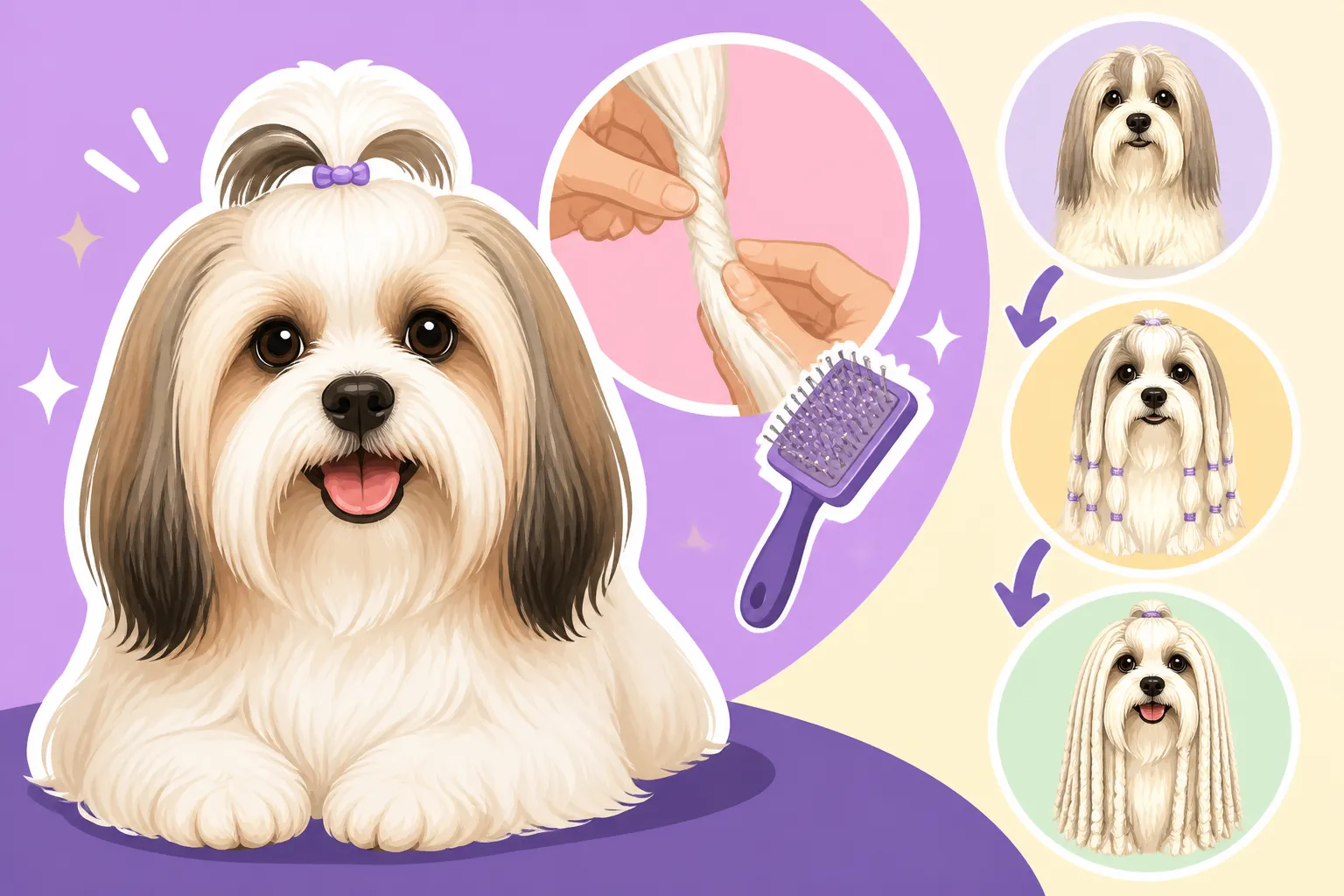
Once those natural mats begin to form, the real work starts. This is where you manually separate the coat into small, even sections, from the skin outwards, usually about the width of your finger. You'll gently twist and pull apart the matted sections, encouraging them to form into distinct cords. This isn't just a one-time task; it's an ongoing process that you'll need to do consistently, often daily or every other day, for many months. Each budding cord needs to be checked, separated from its neighbors, and ensured it's forming a clean, distinct rope. If you neglect this, the individual cords will merge, creating larger, unmanageable mats that defeat the purpose of cording. The goal is to create uniform cords all over the body, which requires incredible attention to detail and a lot of time spent on the floor with your dog. You can find specialized separating combs and tools on platforms like Amazon or Chewy to help with this meticulous work.
Daily Life and Maintenance for a Corded Havanese
Once the cords have fully formed, the ongoing maintenance routine shifts from the intensive separation phase to regular care that keeps the cords healthy, clean, and well-defined. This phase is less about formation and more about preservation, but it still demands consistency and specific techniques.
Bathing and Drying a Corded Coat
Bathing a corded Havanese is a fundamentally different experience than bathing a brushed one. You can't just scrub and rinse like normal. The cords act like sponges, absorbing a tremendous amount of water and taking ages to dry. The key is to thoroughly saturate the cords with a mild, residue-free shampoo, gently squeezing the suds through each cord rather than rubbing the coat. Rinsing is even more critical; any shampoo residue left behind can irritate the skin or make the cords stiff and brittle.
After rinsing, the real challenge begins: drying. Air-drying a corded Havanese is not an option as it can lead to mildew, skin infections, and a strong, unpleasant odor. You'll need a powerful force dryer, which you can find on Chewy or Amazon, to blast air deep into each cord. This is a multi-hour process, often requiring several hours for even a small Havanese, as you must ensure every single cord, right down to the skin, is completely dry. How Long a Corded Havanese Takes to Dry is a common question, and the answer is: a very long time! Many owners will use a cool setting on a professional force dryer and spend hours methodically drying each cord.
Ongoing Cord Separation and Hygiene
Even after cords are fully formed, they don't maintain themselves. You'll still need to dedicate regular time, typically once a week or every two weeks, to separate the cords at the base, near the skin. This prevents them from re-matting and ensures that new hair growth integrates smoothly into existing cords. You'll also need to inspect the skin beneath the cords for any signs of irritation, redness, or dryness. It's easy for debris, dirt, or even parasites to get trapped within the dense cords, so vigilance is key.
Beyond the cords themselves, general hygiene is paramount. Special attention must be paid to areas around the mouth, eyes, and rear end. Food can get caught in beard cords, leading to staining and odors. Whether a Havanese's Beard Stains is certainly amplified with cords. The cords around the eyes might need to be carefully tied back or trimmed to prevent irritation and allow the dog to see clearly. The sanitary area requires diligent trimming to keep it clean and prevent waste from getting trapped. It's a holistic approach to grooming where cleanliness in all areas contributes to the overall health and well-being of your corded companion.
Practical Considerations and Potential Challenges
While the corded Havanese can be a stunning sight, it's vital to enter this journey with open eyes, fully aware of the practical implications and potential difficulties. This isn't just about aesthetics; it's about making a lifestyle choice for both you and your dog.
Time Commitment and Professional Expertise
The time commitment involved in cording a Havanese is substantial, particularly during the initial formation period and then for ongoing maintenance. It’s not just the hours spent separating and drying; it's also the mental commitment to consistency. Missing even a few sessions can set you back significantly, turning carefully formed cords into a matted mess that can be painful to fix.
Finding a professional groomer who is experienced in cording, especially for a Havanese, can also be a challenge. Cording is a niche skill, and many groomers specialize in traditional brushed coats or puppy cuts. You might need to do extensive research, consult with breed clubs, or even travel to find someone knowledgeable. Most owners who cord their Havanese end up learning to do it themselves due to the scarcity and cost of professional cording services. The cost implications, if you do find an expert, can be considerable, as the labor involved is far greater than a standard groom.
Hygiene, Odor, and Skin Health
One of the most frequently asked questions about corded dogs is Whether a Corded Havanese Smells. The answer can be yes, if not properly maintained. The dense nature of the cords can trap moisture, dirt, and oils, leading to a musty odor or even mildew if not thoroughly dried after baths. Regular, meticulous cleaning, especially of the face and sanitary areas, is crucial to mitigate this.
Furthermore, the cords make it much harder to inspect your dog's skin for issues. Fleas, ticks, rashes, hot spots, or other skin irritations can go unnoticed for longer periods, potentially worsening before they are discovered. This means you need to be incredibly diligent in your cord separation and skin checks. Any signs of discomfort, scratching, or unusual odors should prompt an immediate, thorough investigation. Special attention to diet, perhaps exploring options from brands like Ollie known for quality ingredients, can contribute to overall skin and coat health, helping to prevent some issues from the inside out.
The Decision: Is Cording Right for You and Your Havanese?
Ultimately, the decision to cord your Havanese is deeply personal. It's not a choice to be made lightly, and it's certainly not for every dog or every owner.
| Aspect | Brushed Coat (Typical) | Corded Coat (Specialized) |
|---|---|---|
| Appearance | Flowing, soft, fluffy; classic show ring look | Distinct, rope-like strands; unique, rustic aesthetic |
| Daily Maintenance | Daily brushing (20-60 min) to prevent mats | No daily brushing; weekly/bi-weekly cord separation (1-2 hrs) |
| Bathing & Drying | Faster baths, quick drying with force dryer (1-2 hrs) | Longer baths, extensive force drying (3-6+ hrs per bath) |
| Matting Risk | High if not brushed daily | High if cords aren't separated and dried thoroughly |
| Groomer Availability | Widely available, standard services | Niche skill, few experienced groomers, higher cost |
| Skin Health | Easier to inspect skin; good air circulation | Requires diligent checks; risk of hidden issues if neglected |
| Odor | Low if clean | Higher risk of musty odor if not dried meticulously |
| Allergy Impact | Hypoallergenic (low-shedding) | Hypoallergenic (low-shedding), but may hold more dander/dust |
| Cost of Maintenance | Regular professional grooms or home grooming supplies | Specialized tools (force dryer), potential for professional cord care |
Consider your lifestyle: Do you have the significant time required for consistent maintenance? Are you prepared for the multi-hour bathing and drying sessions? Can you handle the potential for odor if the cords aren't perfectly clean and dry? What about your Havanese's temperament? Does your dog tolerate long grooming sessions, or are they prone to fidgeting? While cording can be beautiful, it's essential that it doesn't come at the expense of your dog's comfort, hygiene, or overall well-being. For some, it becomes a deeply rewarding bond, a shared project that results in a truly unique and striking companion. For others, the practicalities outweigh the aesthetic appeal, and they find greater joy in maintaining the traditional brushed coat or opting for a The Puppy Cut Most Havanese Owners End Up Choosing for simplicity.
Disclaimer
This article is for general informational purposes only and does not constitute professional advice. Laws, prices and regulations vary by location and change over time. Consult a qualified professional for guidance on your specific situation.