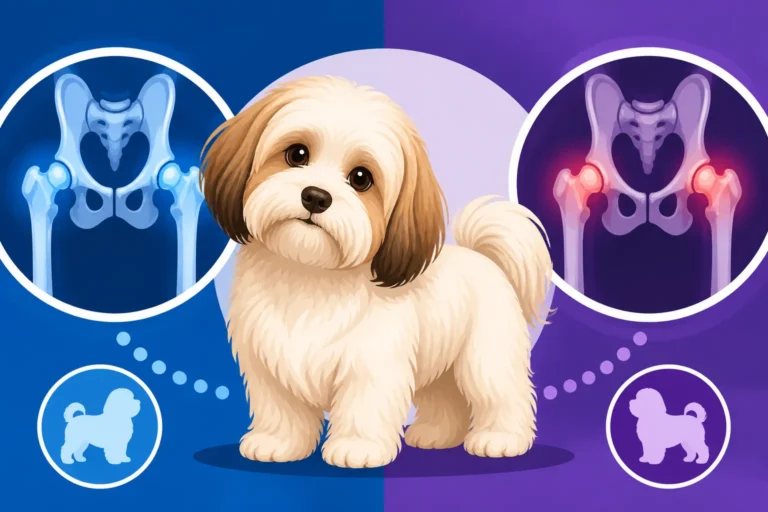
Whether Every Havanese Carries Short Leg Genes
It's a common thought when you first see a Havanese: those endearing, relatively short little legs that carry their fluffy bodies with such a joyful bounce. You might wonder if it’s just how they’re all built, or if there’s a deeper genetic story behind their charming stature. Many prospective owners and even seasoned Havanese lovers often ask if every Havanese inherently carries genes for short legs. This guide will unravel the genetics behind their unique conformation, helping you understand what makes a Havanese, well, a Havanese.
The Ancestral Influence on Havanese Stature
When we talk about the Havanese, we're not just discussing a cute face and a silky coat; we're delving into a rich history that shaped their very physical being. The Havanese is, after all, the only breed Cuba ever produced, evolving from the now-extinct Blanquito de la Habana. These ancestral dogs, much like many European Bichon-type breeds, were characterized by their small size and distinct proportions. Over generations, selective breeding, both intentional and natural, refined these traits.
The "short leg" appearance in Havanese isn't a random mutation; it's deeply ingrained in their genetic makeup as a breed characteristic. This isn't the same as an anomaly in other breeds where short legs might signify a health problem. For the Havanese, it's part of their charming standard, contributing to their unique, springy gait. Understanding this distinction is key to appreciating their breed history. It means that the genes responsible for their leg length are not just present in some Havanese, but are a foundational part of what makes them identifiable as a Havanese. These genetic traits are what define their overall structure and movement, giving them that distinct Cuban flair.
Defining Chondrodysplasia in the Havanese Breed
Now, here's where things can get a little nuanced and sometimes misunderstood. The characteristic shorter limbs of the Havanese are linked to a form of chondrodysplasia, but it's important to understand this term in context. Chondrodysplasia literally means "disordered cartilage growth," and it’s responsible for the short-legged appearance in many dwarf breeds like Dachshunds, Corgis, and Basset Hounds. In these breeds, it's a prominent, defining trait. For the Havanese, it's part of their standard, but it's a specific, generally benign form.
However, the term "chondrodysplasia" can sound alarming, bringing to mind serious skeletal issues. In the Havanese, the genes that contribute to their relatively short, sturdy legs are part of their expected conformation. They are meant to have shorter legs compared to, say, a Poodle of similar body length. This specific type of chondrodysplasia in the Havanese is generally not associated with the severe health problems seen in some other breeds where the condition is more pronounced or results in exaggerated features. It’s the difference between a naturally short-legged dog that moves gracefully and one whose leg structure is so altered it causes pain or dysfunction. For more detail on this, you can look into articles discussing What Chondrodysplasia Does to a Havanese.
How Short Leg Genes Are Passed Down
Understanding how these traits are inherited is crucial for both breeders and those looking to bring a Havanese puppy home. The genes responsible for the characteristic shorter leg length in Havanese are considered polygenic, meaning multiple genes contribute to the final expression of the trait, rather than a single gene being solely responsible. However, some specific genetic markers have been identified as contributing to chondrodysplasia in various dog breeds, and these are often present and selected for in Havanese breeding.
In a nutshell, because short legs are a desired breed characteristic for Havanese, the vast majority, if not all, Havanese carry the genetic predisposition for this trait. It's not like a recessive gene for a coat color that might only pop up occasionally. Instead, it's a fundamental part of their genetic blueprint. Reputable breeders actively select for dogs that fit the breed standard, which includes these proportions. This means that if you have a Havanese, it's almost certain that its genetic code includes the instructions for those adorable, compact limbs. It’s part of their identity, much like their silky hair or their lively personality. This also means that most Havanese are meant to have these proportions, a topic explored in Whether a Havanese Is Meant to Have Short Legs.
Is Every Havanese a Carrier?
Given that the Havanese breed standard calls for a compact, slightly longer than tall body with sturdy, relatively short legs, it’s safe to say that the genetic traits for this conformation are universally present within the breed. So, yes, in essence, every Havanese "carries" these short leg genes because it's what defines their physical type. They wouldn't be a Havanese otherwise! It’s not a question of if they carry them, but rather how those genes express themselves in terms of overall length and bone structure, always within the acceptable range of the breed standard.
However, there's a distinction to be made between carrying the genes for the breed-standard short legs and carrying genes for a more severe, health-impacting form of chondrodysplasia that might lead to conditions like bowed legs or spinal issues. While the Havanese has a type of chondrodysplasia inherent to its standard, breeders must be vigilant to avoid the more extreme expressions that can lead to problems like disc disease or joint issues. This is why The Chondrodysplasia That Runs in Certain Havanese Lines is such an important read, as it delves into the specifics of genetic health.
For instance, while a Havanese should have a certain leg length, an expression of the gene that causes disproportionately bowed legs or severe curvature is generally undesirable and could indicate a more problematic form. This is why careful breeding and understanding of genetics are so important, even within a breed where shorter legs are the norm.
Here's a quick look at the distinctions:
| Leg Type | Appearance | Genetic Basis (Simplified) | Potential Health Concerns |
|---|---|---|---|
| Standard Havanese | Sturdy, relatively short legs, well-proportioned to body. | Breed-defining polygenic traits for compact stature. | Generally none, when within standard. |
| Minor Variation | Slightly shorter or longer than ideal, but still healthy. | Minor variations in polygenic expression. | Minimal, usually cosmetic. |
| Bowed Legs | Legs appear visibly bowed or curved, often disproportionate. | More pronounced expression of chondrodysplasia or other genes. | Joint pain, arthritis, lameness, spinal issues (e.g., IVDD). |
| Severe Dwarfism | Extreme shortening and deformation of limbs, very rare in Havanese. | Specific, more severe chondrodysplasia genes (undesirable). | Severe mobility issues, skeletal deformities, pain. |
Screening and Genetic Testing for Leg Length Traits
For prospective Havanese owners, the best way to navigate the complexities of genetics is to choose a reputable breeder who prioritizes health. Responsible breeders are well aware of the breed's genetic predispositions and actively work to minimize the risk of undesirable traits. They won't just tell you about the cute puppies; they'll be transparent about the health history of their breeding lines.
Breeders should be performing comprehensive health screenings on their breeding stock. While a specific "short leg gene" test isn't typically done in the same way you might test for a single-gene disease, ethical breeders assess the overall conformation of their dogs, ensuring they meet the breed standard without any exaggerated or problematic features. They’ll look for sound structure, good movement, and no signs of conditions that can arise from poor leg conformation, like luxating patellas or early arthritis. Don't be shy about asking if a Havanese breeder screens for Chondrodysplasia or other related issues.
Beyond physical examination, some breeders utilize genetic panels that screen for a range of health conditions. While these panels might not directly test for the "short leg" gene in its benign Havanese form, they can identify markers for other skeletal or joint issues that could be exacerbated by poor conformation. Always ask about the health tests both parents should have, like those outlined in The Health Tests Both Havanese Parents Should Have.
Choosing a Healthy Havanese Puppy
When you're looking for a Havanese puppy, don't let the idea of "short leg genes" scare you away from this wonderful breed. Instead, empower yourself with knowledge and look for the signs of a well-bred dog. A healthy Havanese puppy should have legs that are proportionate to its body, allowing for free and easy movement. Their gait should be lively and springy, not stiff or hesitant. When they stand, their legs should appear straight and not bowed. You can learn more about this by reading Whether a Havanese Puppy's Legs Should Look Straight.
A responsible breeder will provide health clearances for the puppy's parents, often including certifications for hips, elbows, patellas, and eyes. They should be transparent about any known health issues in their lines. This due diligence is crucial because even if the short leg genes themselves aren't a problem, issues like patellar luxation can become more significant if leg structure isn't sound. Don't hesitate to ask to see the parents, observe the puppies' movement, and discuss any concerns you have. This proactive approach helps ensure you bring home a healthy companion. Remember, a good pet insurance plan, like one from Healthy Paws, can provide immense peace of mind should any unexpected health issues arise, no matter how well-bred your puppy is.
Health Considerations for Havanese Leg Structure
While the Havanese's short-legged conformation is generally healthy and breed-appropriate, it's still essential to be mindful of certain health considerations. Their structure means their joints, especially knees and hips, bear weight in a particular way. This can make them more prone to conditions like patellar luxation (slipping kneecaps) if proper breeding practices aren't followed. A good breeder aims to produce dogs with strong, stable joints that can handle their active lives.
Beyond genetic predispositions, environmental factors also play a huge role. Keeping your Havanese at a healthy weight is paramount, as extra pounds put unnecessary strain on their joints. Regular, moderate exercise helps build muscle support around the joints. You also need to protect their joints from injury, especially when they are young and still developing. While a Chondrodysplastic Havanese can walk normally, avoiding excessive jumping from high furniture or repetitive, high-impact activities on hard surfaces can go a long way in preserving joint health throughout their lives. This preventative care is a big part of what makes Caring for a Havanese Past Twelve a more comfortable experience for them.
Supporting Your Havanese's Joint Health
Even if your Havanese has perfectly sound genetics, proactive care is key to lifelong joint health. Think of it as supporting their natural build. Providing ramps or doggy steps for furniture they love to get on and off will reduce the stress of repetitive jumping. Ensuring they have good traction on slippery floors, perhaps with rugs or runners, can prevent slips and falls that might lead to injury.
A balanced diet tailored for small breeds will help maintain an ideal weight. Sometimes, as they age, joint supplements containing glucosamine and chondroitin might be recommended by your vet to further support cartilage health. Discuss this with your veterinarian, who can provide personalized advice based on your dog's individual needs. Regular veterinary check-ups are also crucial to catch any potential issues early. Having a solid pet insurance policy, such as one from Healthy Paws, can cover the costs of these preventative or early intervention treatments, allowing you to focus on your Havanese's well-being without financial stress. Whether you have a puppy or an older Havanese, these considerations are important for their overall health and lifespan. The goal is to let your Havanese enjoy their charming, unique structure without pain or limitation.
Disclaimer
Please remember that this article is intended for informational purposes only and should not replace professional veterinary advice. Always consult with a qualified veterinarian regarding any health concerns for your Havanese.