Whether a Havanese Loses Hearing Early
It’s truly heart-wrenching when you notice subtle changes in your beloved Havanese, especially when it comes to something as fundamental as their hearing. We expect our puppies to be bright-eyed and bushy-tailed, responding to every crinkle of a treat bag or the sound of our voice. But what if they don't? Or what if your once-responsive young adult suddenly seems to be ignoring you? This guide delves into the challenging reality of early hearing loss in Havanese, helping you understand the causes, recognize the signs, and navigate the path forward to ensure your furry family member lives a full, happy life.
Understanding Early Hearing Loss in Havanese
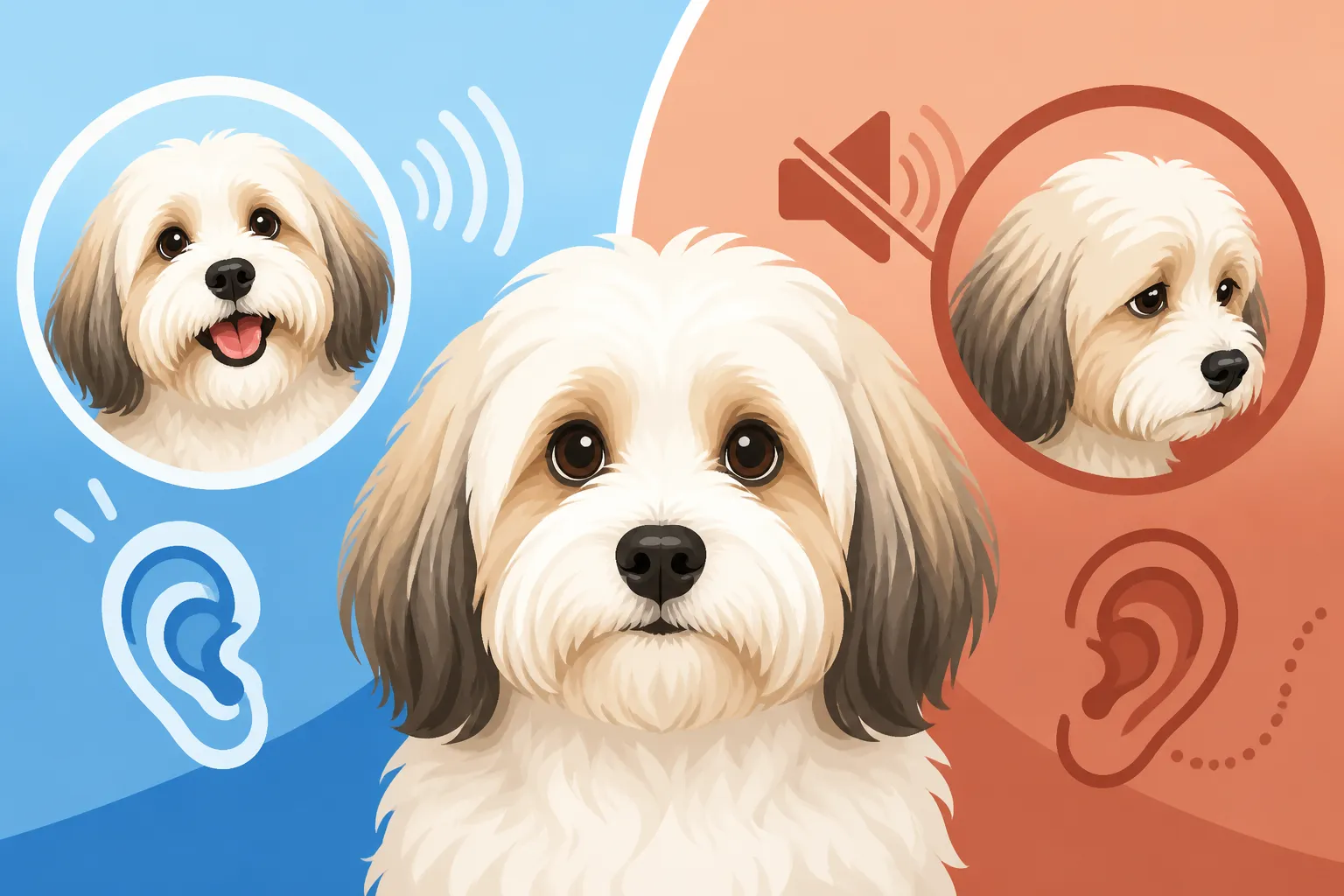
When we talk about a Havanese losing hearing early, it’s not always the same as the gradual deafness that can come with old age. For these vibrant little dogs, "early" can mean anything from being born completely deaf to experiencing significant hearing decline within their first few years of life. This can be particularly frustrating for owners who might assume their intelligent Havanese is simply being stubborn or disobedient, when in reality, they just can't hear. It’s a heartbreaking realization, but understanding the root causes is the first step toward effective management.
Distinguishing Congenital vs. Acquired Deafness
The world of canine hearing loss broadly breaks down into two main categories: congenital and acquired. Congenital deafness means a Havanese is born with little to no hearing capacity, and it’s often tied to genetics. It’s not necessarily common in Havanese compared to some other breeds, but it’s a possibility that responsible breeders are very aware of. You might even wonder Whether a Havanese Can Be Born Deaf if you're experiencing this with a young puppy.
On the other hand, acquired deafness develops after birth. This type of hearing loss can sneak up on you and your Havanese, manifesting as a gradual decline rather than a sudden silence. It can be a consequence of various factors, including recurrent ear infections—a problem that some Havanese are prone to if their long, floppy ears aren't properly cared for, as discussed in Whether a Havanese Gets Ear Infections. Other causes might include trauma to the head, exposure to certain ototoxic medications, or even persistent loud noise. The key difference lies in the timing: congenital deafness is present from day one, while acquired deafness develops over time in a previously hearing dog.
For instance, imagine you have a Havanese puppy, let's call her Luna, who never seems to respond when you call her name from behind, even if you’re making a loud noise. She might startle intensely if you touch her while she’s sleeping, despite you having spoken to her beforehand. This scenario strongly points to congenital deafness. Conversely, if your two-year-old Havanese, Buster, used to come running at the sound of the treat jar rattling, but now he just looks at you blankly until you wave the jar in front of his nose, you might be dealing with acquired, progressive hearing loss. The emotional toll on owners is immense, as the bond often relies so heavily on verbal communication.
Genetic Predispositions and Breed Specifics
While the Havanese is generally celebrated as a robust and healthy toy breed, no dog is immune to genetic vulnerabilities. Inherited deafness, though not overwhelmingly common in Havanese, can occur. It's often linked to the pigment gene (specifically the merle gene, which Havanese don't carry) or extreme piebald spotting, but other genetic factors can also play a role. When considering a Havanese puppy, it's always wise to inquire about the parents' health history and any screenings that have been done. Responsible breeders are transparent about these things, sometimes even showing Whether a Havanese Breeder Should Show CHIC Numbers as proof of comprehensive health testing.
It’s important to understand that while a genetic predisposition exists, it doesn't mean every Havanese will develop hearing issues. What it does mean is that some lines might carry genes that increase the risk, making careful breeding practices crucial. This is similar to how certain eye conditions, like those covered in The Eye Diseases a Havanese Inherits, can be passed down. For now, the most reliable way to test for congenital deafness in puppies is through a specialized test called BAER, which we’ll delve into later.
The frustration often stems from the unknown. You love your Havanese unconditionally, and you want to give them the best life. When faced with the possibility of a genetic condition, it can feel overwhelming. However, understanding that these are simply inherent risks, not a foregone conclusion, allows you to approach the situation with knowledge and proactive care. Even if a Havanese has a genetic predisposition, early detection and appropriate management can make a world of difference in their quality of life.
Recognizing the Subtle Signs of Hearing Decline
Spotting early hearing loss in a Havanese can be tricky, especially because they are such observant and intelligent dogs. They often compensate remarkably well, relying on their keen eyesight and sense of smell, which can mask the problem for quite some time. It's not uncommon for an owner to dismiss initial signs, thinking their dog is just being a typical, sometimes selectively-hearing, Havanese. But paying close attention to their behavior, especially during key developmental stages, can help you catch potential issues sooner.
Puppyhood Indicators: When to Be Concerned
For Havanese puppies, the signs of early hearing loss are often more pronounced but can still be missed if you're not actively looking for them. A puppy with congenital deafness may not react to loud noises – think clapped hands, a dropped pot, or even the vacuum cleaner – which would normally elicit a startle response from a hearing pup. You might notice they sleep through noises that would wake their littermates, or perhaps they don't respond when you enter the room and call their name, only noticing you when you come into their line of sight. These are all critical observations, and if you’re seeing them, you’ll want to consult Spotting a Deaf Havanese Puppy at Home.
Another indicator could be their interaction with littermates or other dogs. A deaf puppy might play more boisterously because they can't hear their siblings' yelps of protest, or they might be more easily startled during play. Conversely, some deaf puppies might seem more withdrawn, as they struggle to interpret social cues that hearing dogs pick up through sound. It's a nuanced situation, and any consistent lack of auditory response warrants a closer look by a veterinarian. Don't dismiss it as just a "quiet puppy" if other signs point to a problem.
Let’s say you’ve brought home a delightful Havanese puppy named Coco. You’ve noticed that while she loves to snuggle, she seems completely oblivious to the doorbell ringing or the kids playing loudly outside. When she’s asleep, you can stomp around the house and she won't stir until you gently touch her. These aren't just quirks; they are significant red flags. Early intervention and diagnosis are paramount, not just for confirming the condition but for beginning the process of adapting your communication style to best suit Coco’s needs, which often includes visual cues and touch.
Young Adult Havanese: Uncovering Gradual Changes
As a Havanese matures, if they develop acquired hearing loss, the changes can be even more subtle and insidious. Your once-attentive companion might start seeming disengaged, ignoring commands they previously knew perfectly. It’s easy to get frustrated and think, "Are they just being stubborn today?" or "Are they pushing boundaries?" But before you label them as a 'difficult' dog, consider if hearing might be the issue. This is especially true for those with How Early Deafness Shows in a Havanese.
You might observe your Havanese having difficulty locating sounds. They might appear confused when you call their name from another room, swiveling their head aimlessly or simply failing to acknowledge you. Sometimes, dogs with hearing loss might start barking excessively – think The Barking a Havanese Does at Every Sound – almost as if they're trying to compensate or are more anxious because they can't hear what's going on around them. They might also become more clingy, needing to be in sight of their human companions more often for reassurance.
A tricky aspect can be unilateral deafness, where a Havanese loses hearing in just one ear. This is discussed in Whether a Havanese Can Be Deaf in One Ear, and it can be incredibly hard to detect because the other ear functions normally. Your dog might respond, but always seems to turn one particular side towards you, or struggles in noisy environments where pinpointing sounds is tougher. If you suspect any form of hearing impairment in your young adult Havanese, even if subtle, a veterinary consultation is absolutely warranted to rule out treatable causes and explore diagnostic options.
Diagnosing and Managing Early Hearing Loss
Discovering that your Havanese has early hearing loss can be a shock, but it’s by no means the end of their happy, fulfilling life. The next crucial steps involve getting an accurate diagnosis and then learning how to effectively manage and communicate with your hearing-impaired companion. This journey requires patience, understanding, and a willingness to adapt, but the bond you share with your Havanese will only grow stronger as you navigate these changes together.
The Importance of Veterinary Consultation and BAER Testing
The very first step when you suspect hearing loss in your Havanese, whether puppy or adult, is a thorough veterinary examination. Your vet will rule out common, treatable causes such as excessive earwax buildup, foreign objects lodged in the ear canal, or an active ear infection. Sometimes, simply cleaning out an impacted ear can restore hearing, offering a huge sigh of relief. If these obvious culprits are ruled out, or if the hearing loss seems more profound or neurological, your vet will likely recommend specialized testing.
The gold standard for diagnosing hearing loss in dogs is the Brainstem Auditory Evoked Response, or BAER, test. This non-invasive test measures the electrical activity in the brainstem in response to auditory clicks played into the dog's ears. Electrodes are placed on the dog's head, and gentle clicks are delivered through small foam insert earphones. The resulting brain activity is recorded and analyzed. A flat line indicates no response, confirming deafness in that ear. It's a reliable and objective way to determine hearing status in each ear independently. Many breeders routinely test puppies from at-risk lines, as seen in Whether a Havanese Litter Should Be BAER Tested.
The BAER test is usually performed by a veterinary neurologist or a specialist at a university veterinary hospital. It typically requires light sedation to ensure the dog remains still during the procedure, which generally takes less than an hour. While initial diagnostic costs might seem daunting, having a robust pet insurance policy, such as those offered by Healthy Paws, can be a true game-changer, helping to cover these specialized tests and alleviate financial stress. This means you can focus on getting the best care for your Havanese without worrying excessively about the bill.
Adapting to Life with a Hearing-Impaired Havanese
Once a diagnosis of early hearing loss is confirmed, the focus shifts to adaptation and enrichment. It’s not about "fixing" the hearing loss, but about embracing new ways of communicating and interacting with your Havanese. The good news is that deaf dogs can lead incredibly happy, full lives, often developing heightened senses of sight and smell to compensate. For more on this, you might find valuable insights in Living With a Deaf Havanese.
The biggest change for owners is often the transition from verbal commands to visual cues and hand signals. This requires patience and consistency, but Havanese are incredibly intelligent and eager to please, making them quick learners. Start by teaching simple hand signals for basic commands like "sit," "stay," "come," and even "potty." Reward generously with high-value treats and praise when they respond correctly to your visual cues. This comprehensive approach, coupled with a good pet insurance plan from a provider like Healthy Paws, can ensure you're financially prepared for whatever comes your way, from ongoing training support to specialized equipment.
Safety becomes an even higher priority for a deaf Havanese. Always keep them on a leash when outside a securely fenced area, as they won't hear cars or other dangers. Consider a vibrating collar for recall in a fenced yard – it's a gentle nudge, not a shock, that gets their attention. Establishing a predictable routine and maintaining a consistent home environment can also help them feel secure and confident. Remember, a Havanese can still live The Fourteen to Sixteen Years a Havanese Lives, even with hearing loss, and a little adjustment from your side will ensure those years are filled with joy.
Supporting Your Havanese Through Life's Changes
Embracing life with a Havanese experiencing early hearing loss isn't about pity; it's about empowerment and connection. Your dog might not hear your voice, but they can still feel your love, see your gestures, and thrive with the right support system in place. It requires a shift in perspective, moving from a sound-centric world to one rich in visual and tactile communication.
Training and Communication Strategies
The foundation of a successful relationship with a hearing-impaired Havanese lies in clear and consistent communication. As mentioned, hand signals are your new best friends. There are many resources available online and through specialized trainers that can teach you a range of common hand signals for dogs. Start small, with simple commands like "sit" or "stay," pairing the visual cue with a positive reward. The key is repetition and making it a fun, engaging experience for your Havanese. They are brilliant little learners, eager to please, and will quickly pick up on the patterns you establish.
For getting their attention when they're not looking at you, a gentle tap on the shoulder or a quick flash of a flashlight (if they're far away) can work wonders. Some owners utilize vibrating collars (not shock collars!) which offer a silent buzz to alert the dog, serving as a "hey, look at me!" signal. Consistency is paramount. Everyone in the household needs to use the same signals so your Havanese doesn’t get confused. This dedication to visual communication will build trust and confidence in your Havanese, helping them feel secure and understood in their world.
Consider setting up a home environment that minimizes startling. Always approach your sleeping Havanese from the front or gently nudge them awake so they're not surprised. Using baby gates to delineate safe spaces can also be helpful. Remember, your patience and understanding are the greatest gifts you can give your hearing-impaired companion. Every Havanese thrives on connection, and finding new ways to connect will strengthen your bond immeasurably.
Daily Care and Well-being
Beyond communication, the daily care and overall well-being of your Havanese remain crucial, perhaps even more so. Regular veterinary check-ups are non-negotiable, not just for general health, but also to monitor their ears for any secondary issues, even if the primary deafness isn't ear-related. Your annual vet visits become even more critical, and having a plan from Healthy Paws can make those routine check-ups and any necessary follow-ups much more manageable. They may still require ear cleaning, for instance, which is part of What a Havanese Needs Every Day.
Mental stimulation is vital for all Havanese, and especially for those with hearing loss. Engage them with puzzle toys, scent work games (where they have to sniff out hidden treats), and visual fetch or hide-and-seek games. These activities keep their minds sharp and prevent boredom, which can sometimes lead to undesirable behaviors. Ensure they get plenty of supervised exercise, always on a leash or in a securely fenced area where they can't wander into harm's way.
Making simple environmental adjustments can also enhance their safety and comfort. Ensure their sleeping area is in a low-traffic spot where they won't be easily startled. Consider a dog bed with good orthopedic support, especially as they get older, and place non-slip mats on hard floors to prevent slips and falls. This holistic approach to care, covering their physical, mental, and emotional needs, will ensure your Havanese, regardless of their hearing status, continues to enjoy a vibrant and loving life as a cherished member of your family.
Here's a quick guide to understanding the journey of diagnosing early hearing loss:
| Step | Description | Key Action |
|---|---|---|
| 1. Initial Observation | You notice your Havanese not responding to sounds, startling easily, or exhibiting unusual behaviors that suggest hearing issues. This is often the first, alarming sign. | Document specific behaviors and instances. Note when they occur and what sounds your dog might be missing. |
| 2. Routine Vet Check-up | Your general veterinarian will conduct a thorough physical exam, checking ears for blockages, infections, or other treatable causes of hearing loss. They'll also discuss your observations. | Provide your vet with detailed notes on observed behaviors. Ask about ruling out common ear problems. |
| 3. Specialist Referral | If no easily treatable cause is found, your vet may refer you to a veterinary neurologist or audiologist for specialized testing, most notably the BAER test. | Schedule the specialist appointment promptly. Prepare questions about the procedure, costs, and what to expect. |
| 4. BAER Test (Brainstem Auditory Evoked Response) | This is the definitive test for canine hearing. It's a non-invasive procedure that measures brain activity in response to sounds, confirming the presence and extent of hearing loss in each ear. Usually done under light sedation. | Follow pre-test instructions (e.g., fasting). Ensure you understand the results and their implications for your Havanese's future care. Remember, pet insurance like Healthy Paws often covers diagnostic testing of this nature. |
| 5. Diagnosis & Consultation | The specialist will provide a formal diagnosis and discuss the type and degree of hearing loss. They will also offer guidance on management, communication strategies, and any potential co-occurring conditions. | Actively participate in the discussion. Ask for resources on living with a deaf dog, training techniques, and long-term care plans. Inquire about how pet insurance, such as Healthy Paws, can assist with the financial aspects of ongoing care and special needs. |
| 6. Adaptation & Training | Begin implementing new communication methods, focusing on hand signals, visual cues, and tactile prompts. Adjust your home environment for safety and comfort. | Start training immediately with positive reinforcement. Be patient and consistent. Consider working with a deaf dog trainer if available. |
Disclaimer
The information provided in this article is for general informational purposes only and is not a substitute for professional veterinary advice. Always consult with a qualified veterinarian or veterinary specialist for any health concerns or before making any decisions related to your Havanese's medical care.