What Actually Kills Most Havanese
It’s a thought that creeps into every Havanese owner’s mind: what will eventually take my sweet companion from me? While we cherish every single moment with these lively, affectionate little dogs, it’s only natural to wonder about their health journey and the things that might shorten their precious lives. This guide is here to shed light on the most common causes of death in Havanese, empowering you with knowledge to advocate for their health and potentially extend your time together.
Understanding Common Havanese Health Challenges
Before we delve into the direct causes of death, it’s important to understand the general health landscape for Havanese. Like all purebred dogs, they come with certain predispositions that, while not always fatal themselves, can pave the way for more serious conditions or significantly impact their quality of life if not managed. Knowing these early warning signs can make a huge difference.
Orthopedic Concerns and Their Broader Impact
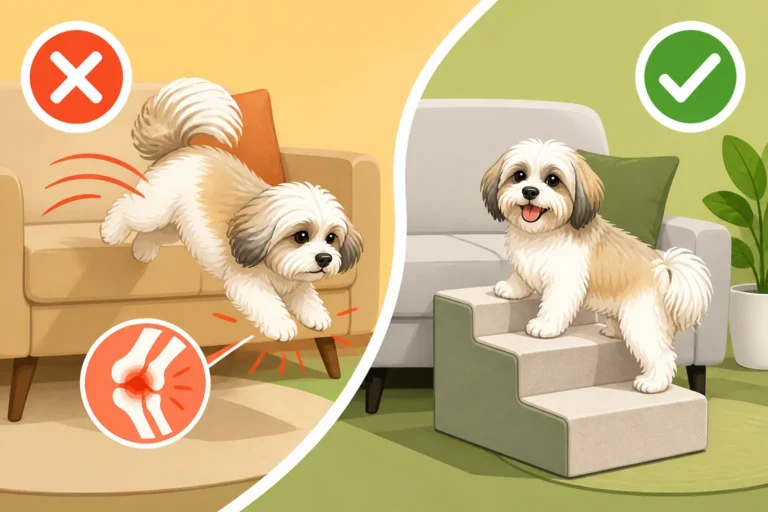
One of the most talked-about health issues in Havanese is their susceptibility to certain orthopedic conditions. These aren't typically direct causes of death, but they can set the stage for other problems or lead to difficult decisions down the line. We often hear about luxating patellas, where the kneecap slips out of place. This can range from a minor skip that corrects itself to a debilitating condition requiring surgery. If you've ever seen your Havanese suddenly skip a step or hold up a back leg, you know the worry it can cause.
Another concern is Legg-Calve-Perthes disease, a condition affecting the hip joint, where the head of the femur degenerates. This typically shows up in younger Havanese and causes pain and lameness. While surgery can often correct it, any surgical procedure carries risks, and the recovery can be extensive. Persistent pain from these conditions can lead to reduced activity, weight gain, and a diminished quality of life, which in turn can exacerbate other health issues. It’s a domino effect, where one problem can silently contribute to another, making early detection and intervention crucial. You can learn more about specific orthopedic issues in our articles on The Kneecaps a Havanese Slips and Legg Calve Perthes and the Limping Havanese Puppy.
Eye Conditions and Dental Disease: More Than Just Discomfort
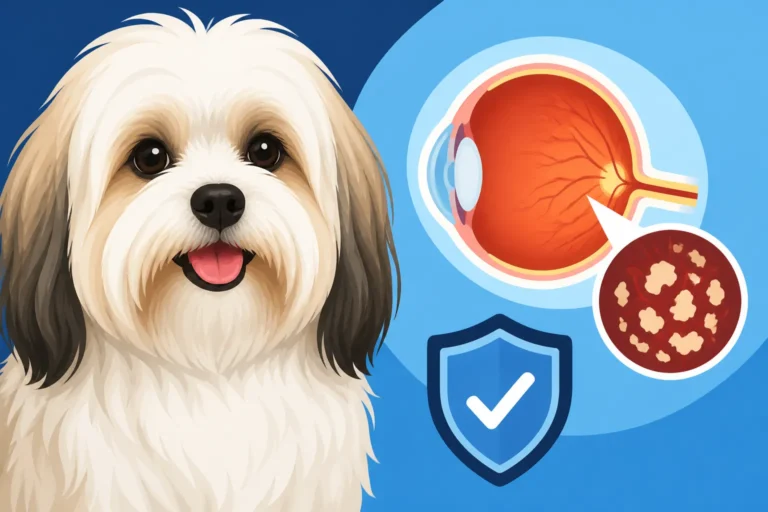
Havanese are also prone to certain eye conditions, such as cataracts and Progressive Retinal Atrophy (PRA). While going blind is terrifying for both dog and owner, these conditions rarely lead directly to death. However, they significantly impact a dog's independence and can make daily life more challenging, increasing the risk of accidents or isolation. Regular eye exams are vital, especially as they age, to monitor for progression and discuss potential treatments. Early detection allows you to prepare and adapt your home environment to support your visually impaired Havanese. You can find out more by reading The Eye Diseases a Havanese Inherits.
Beyond sight, dental disease is an incredibly common, yet often underestimated, problem in small breeds like the Havanese. Their small mouths are prone to overcrowding, making them perfect breeding grounds for plaque and tartar. Left untreated, this isn't just about bad breath; it's a gateway for bacteria to enter the bloodstream. These bacteria can travel to vital organs like the heart, kidneys, and liver, causing serious infections and damage over time. Imagine the cumulative stress on your dog's system from a constant low-grade infection, slowly eroding their health from the inside out. Preventing dental disease through regular brushing and professional cleanings is one of the easiest ways to safeguard their overall health. Our guide on Dental Crowding in a Havanese Mouth offers more insight into this common problem.
The Most Common Causes of Death in Havanese
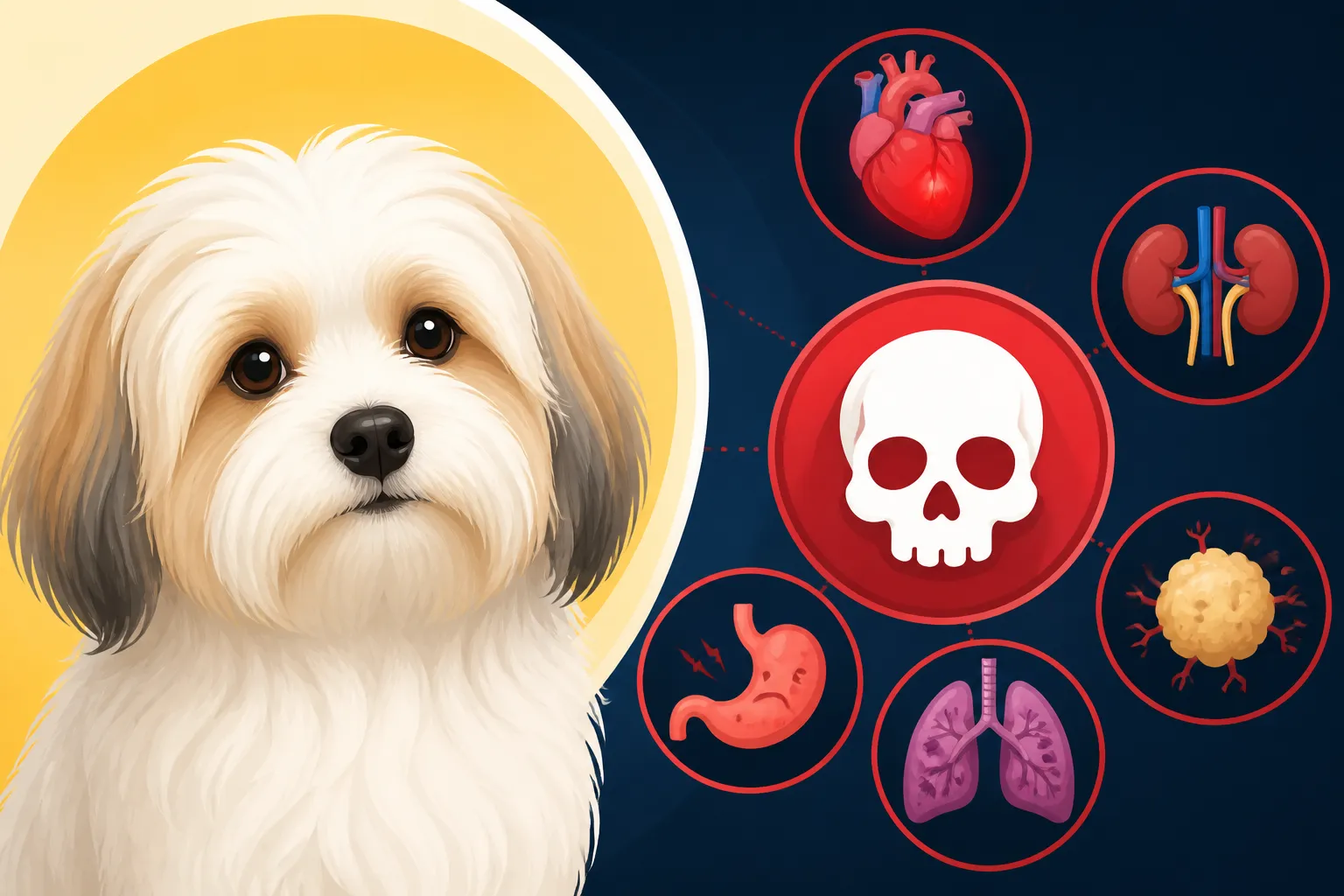
Now, let’s address the elephant in the room. While Havanese are generally a healthy breed with a good lifespan, averaging 14-16 years, certain conditions unfortunately claim more lives than others. Knowing what these are helps us be vigilant and proactive.
Cancer: A Frightening Reality
Just like in humans, cancer is a leading cause of death in dogs, and Havanese are not immune. It's a broad term encompassing many different types, each with its own characteristics and prognosis. Common cancers seen in Havanese include lymphoma, mast cell tumors, and hemangiosarcoma, among others. The insidious nature of cancer means it can often be subtle in its early stages, presenting as a new lump, a change in appetite, lethargy, or unexplained weight loss. Owners might initially dismiss these as signs of aging or minor ailments, delaying diagnosis until the disease has progressed.
The emotional and financial toll of a cancer diagnosis can be immense. Treatment options can range from surgery, chemotherapy, and radiation to palliative care, depending on the type and stage of cancer. While some cancers are highly treatable, others are aggressive and rapidly fatal. The heartbreak of watching a beloved Havanese battle cancer is profound, and the decision-making process for treatment can be overwhelming. Early detection through regular vet checks, careful at-home observation, and immediate investigation of any suspicious changes offers the best chance for successful intervention and potentially more time with your furry friend.
Heart Disease: A Silent Threat, Especially with Age
Heart disease, particularly Mitral Valve Disease (MVD), is another significant concern and a primary cause of death, especially in older Havanese. The mitral valve normally prevents blood from flowing backward into the left atrium when the heart contracts. With MVD, this valve degenerates and thickens, allowing blood to leak, which puts extra strain on the heart. Initially, you might not notice any symptoms, as the heart compensates for years. This is why it's often referred to as a "silent" threat.
As MVD progresses, symptoms become more apparent. Owners might notice a persistent cough, especially at night or when excited, reduced exercise tolerance, increased respiratory rate, or even fainting spells. This is the heart struggling to pump efficiently, leading to fluid buildup in the lungs or other parts of the body. While MVD is progressive and incurable, it can often be managed effectively for years with medication, significantly improving quality of life and extending lifespan. Regular veterinary check-ups are crucial for detecting a heart murmur early, often the first sign of MVD. Our detailed articles like Mitral Valve Disease in an Older Havanese and The Heart Murmur an Older Havanese Develops delve deeper into this condition.
Neurological Conditions: When the Brain is Affected
While perhaps not as statistically common as cancer or heart disease, certain neurological conditions can unfortunately lead to severe disability or death in Havanese. Epilepsy, characterized by recurrent seizures, is one such condition. Seizures can range from mild, subtle episodes to severe, generalized convulsions. While many Havanese with epilepsy can lead relatively normal lives with medication, severe or uncontrolled seizures can be life-threatening. Prolonged seizures can cause brain damage, and in some cases, owners may face the difficult decision of euthanasia if the seizures cannot be managed and quality of life deteriorates.
Other neurological issues, though rarer, can also be devastating. Hydrocephalus, an excess of cerebrospinal fluid in the brain, can cause a range of symptoms from behavioral changes and poor coordination to seizures and head pressing. Congenital conditions like these, or later-onset issues such as disc disease (though less common in Havanese than in breeds with very long backs), can profoundly impact a dog's central nervous system. When the brain or spinal cord is severely compromised, it can lead to intractable pain, loss of bodily function, or irreversible cognitive decline, tragically shortening their time with us. Learning about Whether a Havanese Gets Epilepsy might offer you further peace of mind on this topic.
Here's a quick overview of some of the leading causes of serious illness and death:
| Condition | Common Age of Onset | Key Symptoms | Potential Outcome |
|---|---|---|---|
| Cancer | Middle to Senior Years | Lumps, weight loss, lethargy, loss of appetite, persistent cough, lameness | Life-threatening, requires aggressive treatment or palliative care |
| Heart Disease (MVD) | Senior Years (often >8) | Coughing (especially at night), decreased exercise tolerance, difficulty breathing, fainting | Progressive, can lead to heart failure, managed with medication |
| Neurological Issues | Varies (puppy to adult) | Seizures, circling, head pressing, disorientation, weakness, paralysis | Can be life-threatening or severely debilitating, treatment varies |
| Severe Dental Disease | Any age (worsens with age) | Bad breath, painful eating, loose teeth, gum inflammation | Can lead to systemic infections (heart, kidney), usually preventable |
Proactive Care for a Longer, Healthier Life
The good news is that as Havanese owners, there's a great deal we can do to support our furry friends and potentially extend their healthy years. Proactive care is truly the cornerstone of a long and joyful life.
The Indispensable Role of Regular Veterinary Check-ups and Screenings
Annual veterinary visits are more than just shots; they are your Havanese's preventative health powerhouse. For a young Havanese, these check-ups ensure they're growing properly, their vaccinations are up to date, and any minor issues are caught before they escalate. Your vet will perform a thorough physical exam, listening to their heart, feeling their joints, and checking their teeth and eyes. This routine might seem mundane, but it’s during these exams that subtle changes—like a new heart murmur, a small lump, or early signs of dental trouble—are first detected. Think of it as your Havanese's annual health audit.
As your Havanese enters their senior years, typically around age seven or eight, these visits become even more critical. Many veterinarians recommend additional screenings, such as yearly blood work, to monitor organ function. These blood panels can catch early signs of kidney disease, liver issues, or thyroid imbalances before clinical symptoms appear, allowing for timely intervention. Early detection of conditions like these can buy precious years and significantly improve their quality of life. For instance, managing early kidney disease with diet and medication can prevent progression to kidney failure. It’s always best to be proactive rather than reactive when it comes to their health. Consider discussing Whether a Havanese Needs a Yearly Blood Panel with your vet.
The Power of Proper Nutrition and Weight Management
What we feed our Havanese and how much they weigh has a profound impact on their long-term health. A balanced, high-quality diet provides the essential nutrients for their immune system, coat, energy levels, and overall bodily function. Just like with people, good nutrition is the foundation of good health. Avoid giving too many treats or table scraps, as these can quickly lead to excess weight.
Obesity is a silent killer in many small breeds, including Havanese. Even an extra pound or two on a small dog can put tremendous strain on their joints, especially those already prone to conditions like luxating patellas. Excess weight also increases the risk of heart disease, diabetes, and certain types of cancer, not to mention making them more prone to overheating. Keeping your Havanese at their ideal weight is one of the most impactful things you can do to prevent a cascade of health problems. It helps maintain their mobility, reduces inflammation, and keeps their organs functioning optimally. It's about feeding the right amount of a good quality food and ensuring they get enough appropriate exercise. For more information, read our advice on Keeping a Havanese From Getting Heavy.
Comprehensive Pet Insurance: A Lifeline in Times of Crisis
Facing a major health crisis with your Havanese is not only emotionally draining but can also be incredibly expensive. Imagine being told your beloved dog needs extensive surgery, chemotherapy for cancer, or lifelong medication for heart disease. These costs can quickly run into thousands of dollars, forcing agonizing decisions if finances are a concern. This is where comprehensive pet insurance, like plans offered by Healthy Paws, becomes an absolute lifeline.
Having pet insurance means you can focus on making the best medical decisions for your Havanese based on what they need, rather than what you can afford. It provides peace of mind, knowing that a significant portion of unexpected vet bills for accidents, illnesses, and even emergency care will be reimbursed. Companies such as Healthy Paws often cover a wide range of conditions that can be fatal if left untreated, allowing you to pursue advanced diagnostics and treatments that might otherwise be out of reach. While it's an added monthly expense, it’s a proactive investment that can quite literally save your Havanese's life and alleviate immense stress during an already difficult time. Don't wait until a crisis hits; research options like Healthy Paws when your Havanese is young and healthy to ensure pre-existing conditions aren't an issue.
Navigating the Golden Years and End-of-Life Decisions
As much as we wish our Havanese could live forever, there comes a time when they will enter their golden years, and eventually, we must face the heartbreaking reality of their mortality. This phase of life requires immense compassion and thoughtful decision-making.
Caring for the Aging Havanese: Adapting to Their Changing Needs
The age a Havanese counts as senior generally starts around 7 to 8 years old, though many remain spry well into their teens. As they age, their needs naturally change, and proactive adjustments can significantly improve their comfort and quality of life. You might notice they slow down on walks, sleep more, or become less enthusiastic about play. Arthritis can set in, making stairs difficult or jumps off the couch risky. Providing orthopedic beds, ramps or steps for furniture, and ensuring non-slip surfaces can help manage their physical limitations. Our guide on Caring for a Havanese Past Twelve offers many helpful tips for supporting your senior dog.
Cognitive changes, sometimes referred to as canine cognitive dysfunction, can also occur. This might manifest as disorientation, changes in sleep-wake cycles, house-soiling accidents, or decreased interaction. Regular vet check-ups are essential to differentiate between normal aging and treatable medical conditions. Nutritional supplements, prescription diets, and medications can often help manage these age-related changes, allowing your Havanese to enjoy their senior years with dignity and comfort. It's about being present, patient, and adapting your routine to meet their evolving needs. Understanding The Age a Havanese Counts as Senior is a good first step.
Quality of Life and Euthanasia: The Ultimate Act of Love
One of the most profound and painful decisions a pet owner will ever face is knowing when it's time to say goodbye. It’s a moment steeped in grief and uncertainty, as we desperately want to do what’s best for our beloved companion. Assessing your Havanese's quality of life involves looking at several factors: is their pain manageable? Are they still able to enjoy things they once loved, like eating, short walks, or interacting with family? Do they have more good days than bad days? Are they able to maintain basic bodily functions without constant struggle?
This is where open and honest conversations with your veterinarian are invaluable. They can offer an objective perspective, help you understand their condition, and guide you through the process. Sometimes, the most loving and compassionate choice is to relieve their suffering through euthanasia. It’s a selfless act to spare them from prolonged pain or a decline in dignity, even when our hearts ache with the thought of their absence. This decision is never easy, but it comes from a place of deep love and commitment to their well-being. Knowing When an Old Havanese Has Had Enough is a conversation every Havanese owner eventually needs to have with themselves and their vet.
It's a heavy topic, but understanding the common health challenges and leading causes of death in Havanese helps us be better advocates for their health throughout their lives. By focusing on preventative care, early detection, and compassionate support, we can strive to give our cherished Havanese the longest, happiest, and healthiest lives possible.
Disclaimer
This article is intended for informational purposes only and does not constitute veterinary advice. Always consult with a qualified veterinarian for any health concerns or before making any decisions about your Havanese's care.