Whether Leaving the Radio On Helps a Havanese
It's heartbreaking to leave your sweet Havanese alone, only to return to a stressed-out pup, perhaps a mess, or tales of incessant barking from your neighbors. Many of us grapple with separation anxiety in our beloved companion breeds, and it's natural to try anything that might offer comfort. One popular suggestion is leaving the radio or TV on, and in this guide, we'll delve into whether this simple act truly helps soothe a lonely Havanese.
Understanding Havanese Separation Anxiety
Let's be real, the Havanese breed was practically designed to be by your side. They're often called "Velcro dogs" for a reason – they thrive on companionship and want to be involved in every aspect of your day, from your morning coffee to your evening Netflix binge. This wonderful trait, however, can also be their Achilles' heel when it comes to being left alone.
The Root of the Problem
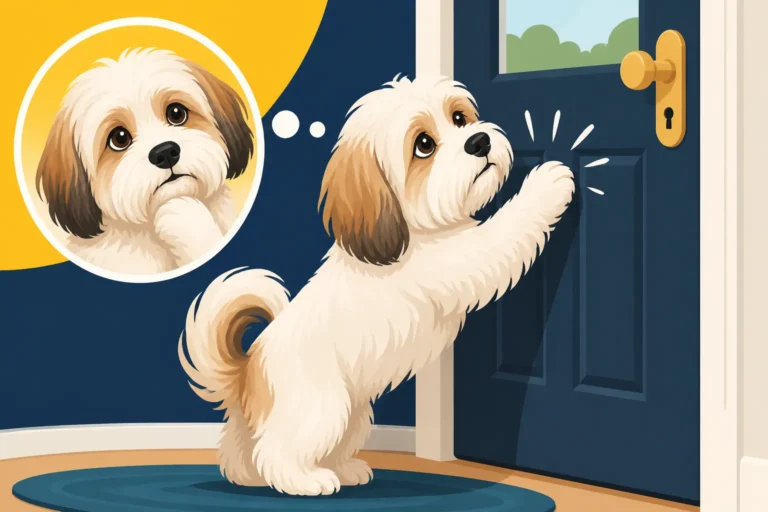
Havanese, with their charming, outgoing personalities, form incredibly strong bonds with their human families. This deep attachment, while lovely, can manifest as intense anxiety when those humans depart. It's not about being "naughty" or "disobedient"; it's a genuine panic response. You might see a variety of signs: excessive barking or howling the moment you step out, destructive chewing of doorframes or furniture, house-soiling accidents even if they're perfectly potty trained, pacing, drooling, or frantic attempts to escape their confinement. It's a gut-wrenching experience for both dog and owner. For a deeper dive into these behaviors, check out Signs a Havanese Has Separation Anxiety.
It's truly a difficult situation because you love your Havanese, and you want them to be happy and secure, even when you're not there. But life demands we leave our homes sometimes, whether for work, errands, or social engagements. The guilt can be immense, and the search for a solution becomes a top priority.
Why They Struggle When You Leave
Imagine being utterly devoted to someone, and then suddenly, they vanish without a trace, leaving you in silence. That's often what it feels like for a Havanese suffering from separation anxiety. The quiet house, the absence of familiar scents and sounds, the sudden shift from constant company to complete solitude – it can be overwhelming. Their fear isn't about being abandoned forever, but about the uncertainty of when, or if, you'll return.
This isn't just a puppy phase that they'll grow out of. For many Havanese, this anxiety is deeply ingrained. They were bred for centuries to be pampered companions in the laps of Cuban aristocracy, not solitary guardians. Their genetics predispose them to seek and require human interaction. When that interaction is abruptly removed, their stress levels can skyrocket. Understanding this isn't to excuse destructive behavior, but to approach it with the empathy and patience our furry friends deserve. They're not trying to annoy you; they're genuinely distressed. If you're wondering how much time is too much, read our article How Many Hours a Havanese Can Be Left Alone.
The Theory Behind Using Audio for Comfort
So, where does the idea of leaving the radio on come from? It's not just a random guess; there's some sound psychological reasoning behind it for both pets and people.
Mimicking a Human Presence
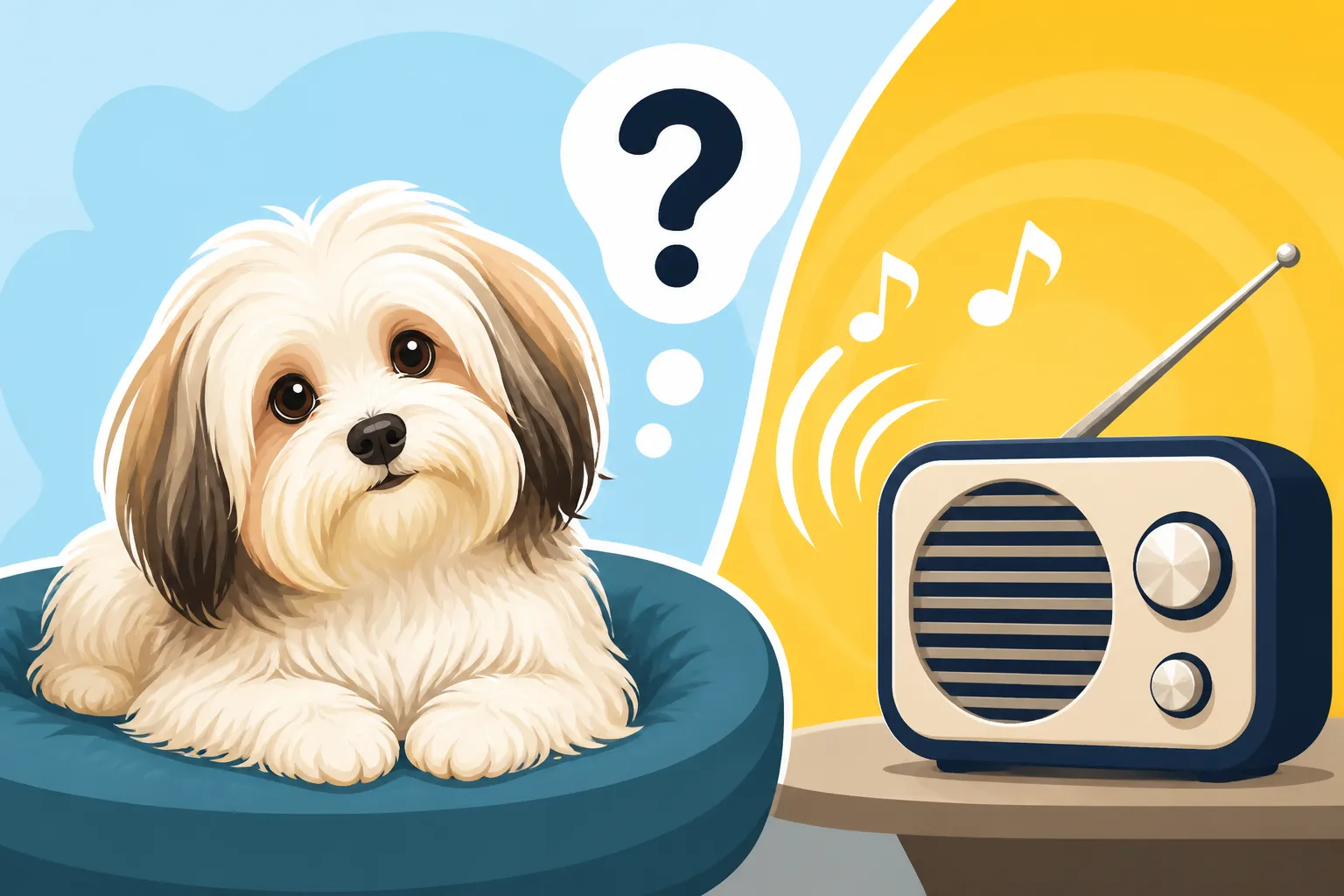
For a Havanese, silence often equals absence. When the house falls quiet, it's a stark reminder that their beloved human is gone. By filling that silence with the sound of human voices, whether from talk radio or an audiobook, you're essentially creating an auditory illusion of company. It's a comforting background hum that suggests life is still happening, even if you're not physically there.
Think about it from your Havanese's perspective. When you're home, there's always some level of noise – your footsteps, the rustle of clothes, the clinking of dishes, your voice. When you leave, that all stops. A radio or TV can bridge that gap, making the transition from your presence to your absence less jarring. It might not trick them into thinking you're in the next room, but it can certainly reduce the feeling of absolute isolation.
Masking Outside Noises
Another huge benefit of background noise is its ability to mask other sounds. Our homes are full of external stimuli: the neighbor's dog barking, the mail carrier's truck rumbling down the street, children playing outside, or even just the creaks and groans of an old house settling. For an anxious Havanese, each of these sounds can be a trigger, sending them into a barking frenzy or increasing their overall stress. They might jump at every little noise, convinced it's a threat or a sign of you returning (or not returning).
By providing a consistent, low-level sound, the radio can effectively "camouflage" these sharp, sudden, or repetitive external noises. This means fewer startling moments, less hyper-vigilance, and potentially a calmer Havanese. It helps create a predictable auditory environment that can be incredibly soothing. For more on managing their vocal tendencies, check out The Barking a Havanese Does at Every Sound.
The Calming Effect of Routine Sounds
Humans find comfort in routine, and dogs are no different. If leaving the radio on becomes a regular part of your departure ritual, your Havanese might begin to associate that sound with a predictable pattern. It's not just about covering silence; it's about establishing a consistent sensory input that signals, "Okay, mom/dad is leaving, but this sound means everything is still normal."
Certain types of music, particularly classical, have even been shown to have a genuinely calming physiological effect on dogs, reducing heart rate and stress behaviors. The consistent tempo and often harmonious nature of classical pieces can act as a sonic balm, promoting relaxation rather than excitement. It shifts their focus from the anxiety of your departure to a more neutral, pleasant auditory experience.
Practical Application: Choosing the Right Audio and Volume
So, you're ready to try it. But what exactly should you play, and how loud should it be? This isn't a one-size-fits-all solution, and a little trial and error might be needed to find what truly resonates with your Havanese.
What Kind of Audio Works Best?
When it comes to choosing the right sound, you have several options, each with its own merits:
- Classical Music: This is perhaps the most widely recommended option. The reason? Classical music, especially instrumental pieces, often features slower tempos, consistent rhythms, and a lack of sudden, jarring changes or loud vocals that could startle a dog. There are even specialized albums and playlists available on streaming services like Amazon Music specifically curated for calming anxious dogs, often featuring gentle piano, harp, or string arrangements. The goal is a tranquil, steady soundscape.
- Talk Radio or Podcasts: For some Havanese, the sound of human voices can be incredibly comforting. It mimics the natural chatter of a household. If you choose this route, opt for programs with calm, consistent speaking voices and avoid anything with intense discussions, sudden loud noises, or dramatic shifts in tone. A gentle news program or a podcast with a relaxed interview style might be more effective than a high-energy morning show.
- Audiobooks: Similar to talk radio, audiobooks provide a continuous stream of human voice. The advantage here is that the narrative generally flows at a consistent pace, and the voice actor's tone is usually quite measured. This can be less distracting than talk radio which might jump between different segments or commercials.
- Specific Dog-Calming Apps/Playlists: The pet industry has responded to separation anxiety with dedicated solutions. You can find apps or YouTube channels that offer continuous streams of specially composed music, nature sounds, or even white noise tailored for canine relaxation. These are often designed to mask other sounds effectively while providing a soothing backdrop.
Setting the Right Volume
This is crucial. Too loud, and it can be just as overstimulating or startling as the noises you're trying to mask. Too quiet, and it won't be effective in providing comfort or masking external sounds. The sweet spot is usually a volume level similar to how you would play background music or talk radio when you're at home and just want to hear it comfortably without it dominating the room.
A good rule of thumb is to set it at a conversational level. You should be able to hear it clearly, but it shouldn't blast through the house. When you're testing it, try walking outside your door or to another room to gauge how audible it is from different perspectives, mimicking where external noises might originate. The aim is to create a consistent, enveloping sound, not a jarring distraction.
Consistency is Key
Whatever you choose – be it classical music, talk radio, or a dog-specific playlist – consistency is absolutely vital. You can't just throw it on occasionally and expect miracles. The audio needs to become a reliable, predictable part of their "alone time" routine.
Start playing it before you even begin your departure routine (putting on shoes, grabbing keys). This helps your Havanese associate the sound with you being home, then gently transitions into you leaving, rather than the sound suddenly appearing as you walk out the door. Keep it playing continuously while you're gone. When you return, don't immediately turn it off. Let it play for a few minutes while you settle back in, again reinforcing that it's a background element of their day, not solely linked to your absence. Over time, this consistency can help your Havanese feel more secure and less anxious when you're not physically present.
| Audio Type | Pros | Cons | Best For |
|---|---|---|---|
| Classical Music | Proven calming effect, consistent tempo | May not fully mask human absence for some dogs | General anxiety, masking loud outside noises |
| Talk Radio/Podcasts | Mimics human presence, familiar voices | Content can be jarring, sudden changes, commercials | Havanese who respond well to human voices |
| Audiobooks | Consistent voice, predictable flow | Still human voices, can be specific genres | Dogs needing a constant, gentle human sound |
| Dog-Calming Apps | Tailored for canines, specific frequencies | Can require subscription, variety might be limited | Severe anxiety, specific sound masking needs |
| White Noise/Nature Sounds | Excellent for masking, consistent | Lacks human element, might be too "sterile" for some | Hyper-sensitive dogs, noisy environments |
When Audio Alone Isn't Enough (and What Else to Consider)
While leaving the radio or other audio on can be a helpful tool in your arsenal against separation anxiety, it's important to be realistic. For many Havanese, especially those with more severe cases, it's just one piece of a much larger puzzle.
Recognizing Severe Separation Anxiety
Sometimes, the signs your Havanese displays go beyond simple discomfort and indicate a truly distressing level of anxiety. If your pup is exhibiting destructive behavior that causes self-harm (like broken nails or bloody paws from trying to escape a crate), intense and prolonged vocalization that doesn't cease, significant loss of appetite or refusal to drink water while alone, or is losing weight due to stress, these are red flags. These aren't behaviors that background music alone can fix.
In such cases, simply masking the silence might provide a tiny bit of relief, but it won't address the underlying panic. This kind of severe anxiety often requires a multi-faceted approach, potentially involving behavioral modification techniques, professional guidance, and sometimes even medication prescribed by a veterinarian. It's crucial not to dismiss these intense signs, as they point to a significant welfare issue for your Havanese. If you're seeing signs that your Havanese truly cannot be left alone, refer to The Havanese That Cannot Be Left Alone.
Holistic Approaches and Training
For separation anxiety, the most effective strategies often involve a combination of environmental management, training, and sometimes even veterinary intervention.
- Desensitization and Counter-Conditioning: This is a cornerstone of separation anxiety training. It involves gradually accustoming your Havanese to your departures by making them non-events. You might start by simply picking up your keys and putting them down, or walking to the door and back, without actually leaving. Pair these actions with high-value treats to create positive associations. Over time, you slowly increase the duration of your absence, always starting small and building up. The goal is to teach them that your departure is not something to fear.
- Crate Training: A crate, when introduced properly and positively, can become a safe, comfortable den for your Havanese. It should never be used for punishment. For many dogs, a crate offers a sense of security and limits destructive behavior, helping them feel less exposed and vulnerable. However, if your Havanese panics in a crate, it can actually exacerbate anxiety, so it's vital to ensure they view it as a haven. Explore Whether Crate Training Suits a Havanese for more detailed guidance.
- Enrichment Before You Leave: A tired Havanese is often a calmer Havanese. Before you leave, engage your pup in some focused activity: a brisk walk, a game of fetch (even indoors!), or a short training session. Mental stimulation, like working on a puzzle toy, can also be incredibly beneficial. A session with a program like BAXTER & Bella online puppy school could give you some great ideas for engaging activities that tire out your Havanese mentally and physically. If they're a bit sleepy and content, they're less likely to spiral into anxiety the moment you walk out the door.
- Professional Help: If you've tried various methods and your Havanese's anxiety persists or worsens, it's time to call in the experts. A certified professional dog trainer specializing in separation anxiety or a veterinary behaviorist can provide tailored strategies and support. They can assess the severity of the anxiety and develop a comprehensive plan that might include behavioral modification protocols, environmental adjustments, and, in some cases, anxiety-reducing medication. Don't feel like a failure for seeking help; it's the most loving thing you can do for a distressed pet. For guidance on when to seek outside help, check out Whether a Havanese Needs a Professional Trainer.
Combining Audio with Other Tools
Audio is most effective when it's part of a broader strategy. Think of it as one ingredient in a comforting recipe for your Havanese.
- Interactive Toys and Long-Lasting Chews: Provide a frozen Kong stuffed with peanut butter (check ingredients for xylitol!), yogurt, or wet food, or a dental chew. These can keep your Havanese occupied for a significant period after you leave, associating your departure with a high-value reward. The mental effort of getting the treat out can also be tiring.
- Comfort Items with Your Scent: Leaving an old t-shirt or a blanket that smells strongly of you can provide an additional layer of comfort. Your scent can be a powerful reassurance, making them feel like you're not entirely gone.
- Calming Aids: Consider diffusers that release canine-appeasing pheromones, which can have a subtle calming effect. Some owners also find thundershirts or anxiety wraps helpful, as the gentle, constant pressure can be soothing for some dogs, similar to swaddling a baby.
The key is experimentation and patience. Every Havanese is an individual, and what works wonders for one might not be as effective for another. By combining a thoughtful audio strategy with solid training, enrichment, and potentially professional guidance, you can significantly improve your Havanese's comfort and well-being when they're home alone. And if you're exploring options for medication, read our article Whether Medication Helps an Anxious Havanese.
Disclaimer
This article is for general informational purposes only and does not constitute professional advice. Laws, prices and regulations vary by location and change over time. Consult a qualified professional for guidance on your specific situation.