Whether a Havanese Scratches at the Door
There's nothing quite like the sound of frantic scratching at the door to jolt you out of a peaceful moment or, worse, wake you in the middle of the night. If you're a Havanese owner, you know their sweet, charming nature can sometimes come with a side of determined, often noisy, behavior, and door scratching is a common, albeit frustrating, one. This guide will delve into the myriad reasons why your beloved Havanese might be turning your beautiful doors into their personal scratching post and, more importantly, equip you with compassionate, effective strategies to put an end to this habit.
Understanding Why Your Havanese Scratches at the Door
It's easy to get upset when you see those little paws damaging your home, but remember, your Havanese isn't doing it to spite you. There's always a reason behind their actions, and often, it's a way for them to communicate something they can't express with words. Understanding the 'why' is the first step towards finding a lasting solution.
The Call of Nature: Potty Breaks and Bathroom Urgency
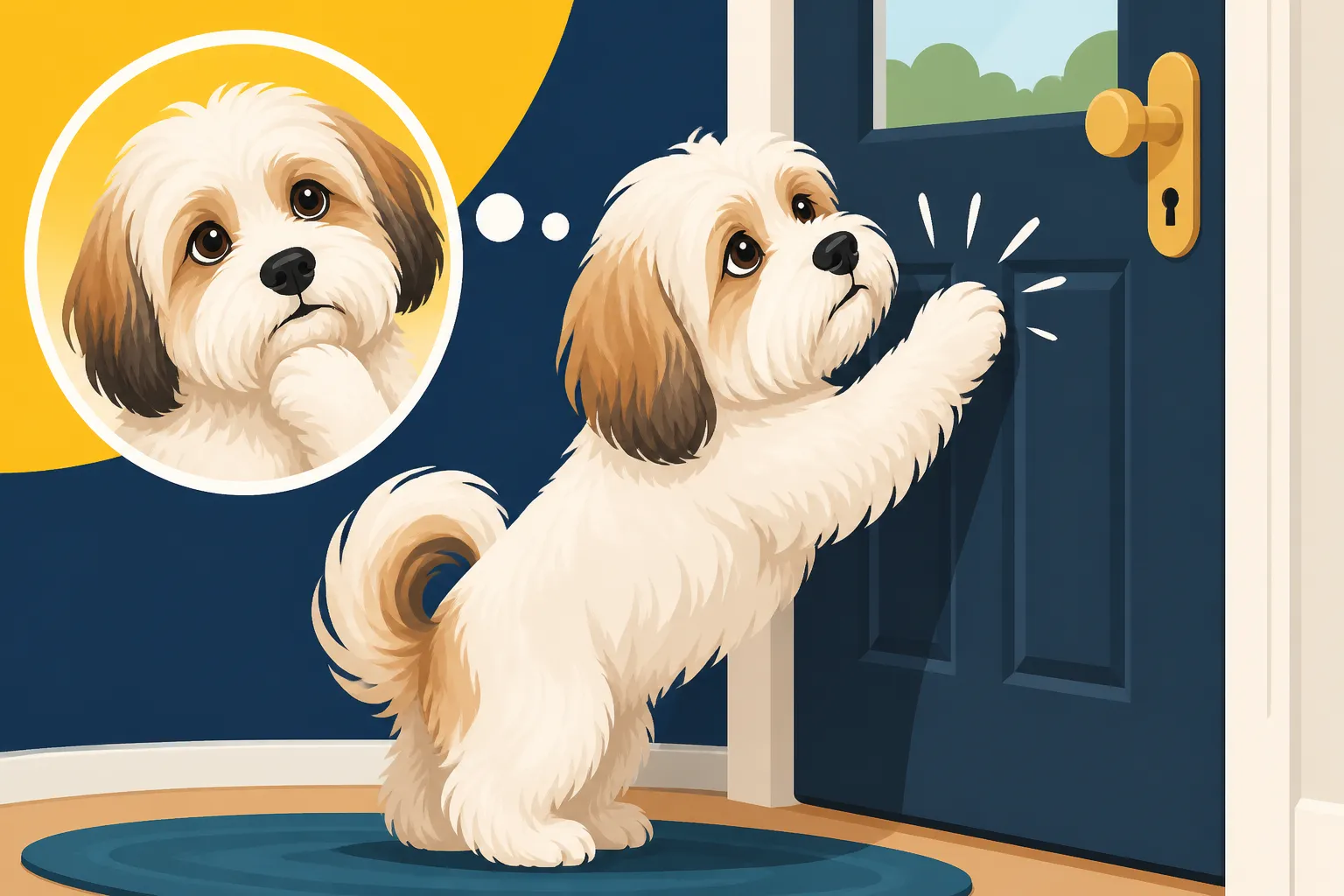
One of the most common reasons a Havanese will scratch at a door, especially one leading outside, is a simple, undeniable need to relieve themselves. They might have a full bladder or bowel, and in their urgency, they resort to the most attention-grabbing method they know.
Imagine your Havanese, who usually gives a soft whine or sits by the back door, is now desperately scratching at it. This sudden change in behavior often signals a more immediate need. Perhaps their regular potty schedule has been disrupted, or they've had a sudden stomach upset. For puppies, their small bladders mean they can't hold it for long, and a few minutes of delay can feel like an eternity, leading to frantic door scratching as a last-ditch effort to communicate. Even older Havanese, as they age, might find it harder to "hold it" and become more insistent in their demands to go out. It's crucial not to dismiss this as mere naughtiness, but rather an urgent plea for help.
Sometimes, it's not just the need to go, but a preference for where they go. If your Havanese is accustomed to a specific potty spot, like a patch of grass in the backyard, and the weather is particularly bad – think pouring rain, heavy snow, or freezing temperatures – they might be scratching at the door, not just to go out, but to express their reluctance about the conditions. They might be asking, "Can we find a better spot?" or "Please, just let me out quickly!" Understanding these nuances is key. For more on this, you might find Housetraining a Havanese in a Cold Climate helpful, as it addresses some of these outdoor challenges.
Separation Anxiety and Demand for Attention
Havanese are known for being incredibly devoted "Velcro dogs." They thrive on companionship and are happiest when they're by your side. This intense bond, while charming, can sometimes manifest as separation anxiety or an insatiable demand for your attention, which can lead to door scratching.
If your Havanese starts scratching at the door the moment you leave the room, or if they only scratch when you're on the other side of a closed door, it's a strong indicator that they want to be with you. This isn't just a casual desire; for some Havanese, being separated from their person can cause genuine distress. They might whine, pace, or even try to chew at the doorframe in addition to scratching. This behavior often escalates when they sense you're preparing to leave the house, or when they are confined to a different room than you. They are essentially trying to "dig" their way back to you, driven by a powerful instinct to remain part of the "pack." It's a heartbreaking display of their emotional dependence, and it’s a clear signal they're struggling with solitude.
Beyond true anxiety, some Havanese quickly learn that scratching at the door gets your attention. Even if that attention is you coming to scold them, it's still attention in their eyes. This is a learned behavior, reinforced by your reaction. If they scratch, and you open the door, even to say "no," they've achieved their goal: you appeared. This is particularly true if they follow you everywhere, as discussed in Whether a Havanese Follows You to the Bathroom. They might scratch to be let into the bathroom, your home office, or any other room where you've closed them out. They've discovered that scratching is a highly effective way to summon you, and once a behavior is reinforced, it becomes much harder to extinguish.
Boredom, Energy, and a Need for Stimulation
Despite their small size, Havanese are intelligent and surprisingly energetic little dogs. A bored Havanese is a destructive Havanese, and door scratching can be one of the many outlets for pent-up energy or a lack of mental engagement.
Think about it: if your Havanese hasn't had enough exercise or mental stimulation during the day, where does all that energy go? It often manifests as unwanted behaviors, and scratching at a door can be a way to "work" that energy off. They might not necessarily want to go through the door, but the act of scratching provides an activity, a way to engage their paws and minds, even if it's not a constructive one. This is especially prevalent in younger Havanese who are still bursting with puppy energy and curiosity. If their daily routine lacks engaging walks, interactive play sessions, or puzzle toys, they will find their own entertainment, and unfortunately, your door might become the target.
Moreover, Havanese are quite clever, possessing what some call "the circus dog brain." They love to learn and solve problems, as highlighted in Why the Havanese Learns Tricks Faster Than Most Toys. If their minds aren't challenged, they can easily become bored and restless. Scratching at the door can be a crude form of problem-solving—they're trying to figure out how to get to the other side or simply relieve their mental stagnation. A dog that's been mentally stimulated with training sessions, new tricks, or engaging toys is generally a calmer, more content dog less likely to resort to destructive behaviors out of sheer boredom.
Environmental Factors and External Stimuli
Sometimes, the culprit isn't internal at all, but something happening just beyond the door. Havanese have keen senses, and external sights, sounds, or even smells can trigger their desire to investigate or react.
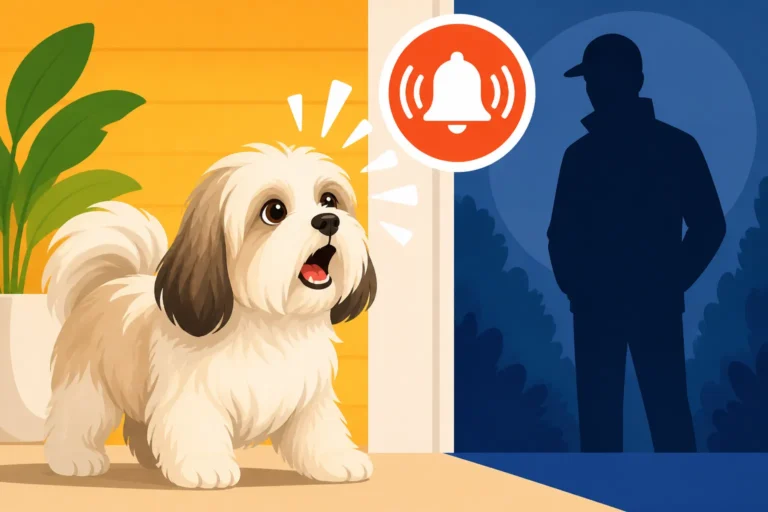
Imagine your Havanese is quietly napping, only to spring up and start scratching furiously at the front door. What changed? Perhaps a delivery driver just walked by, a squirrel darted across the porch, or another dog barked down the street. These external stimuli can ignite their curiosity, territorial instincts, or simply their desire to be part of the action. They might want to greet the visitor, chase the squirrel, or "warn off" the perceived intruder. The door becomes the barrier preventing them from acting on these instincts, leading to frustrated scratching as they try to get closer to the source of the stimulus. This is similar to how they might react to any loud or unusual noise, which you can read more about in Whether a Havanese Barks at Every Noise.
Even something as subtle as a change in temperature or light can provoke door scratching. If the sun is shining brightly outside after a cloudy morning, your Havanese might associate that with playtime or a walk and start scratching to be let out. Conversely, if they're used to being outside and suddenly feel too hot or too cold, they might scratch to be let back in. Their world is often defined by what's on the other side of that threshold, and any change in that external environment can prompt them to want access to it.
Effective Strategies to Stop Door Scratching
Once you've zeroed in on the likely reasons behind your Havanese's door scratching, you can start implementing targeted strategies. The key here is consistency, patience, and a positive approach. Punishing a dog for anxiety or a basic need is rarely effective and can damage your bond.
Establishing a Consistent Potty Schedule
If your Havanese is scratching because they need to go out, the solution lies in preempting that urgency. A consistent potty schedule is foundational for any dog, but especially for intelligent breeds like the Havanese who thrive on routine.
Start by taking your Havanese out frequently, especially first thing in the morning, last thing at night, after meals, after waking from naps, and before you leave the house. Observe their natural rhythms. Does your puppy usually need to go every two hours? Take them out every 1.5 hours to catch them before they feel desperate. For adult Havanese, while they can hold it longer, aim for at least 3-5 opportunities throughout the day. When you take them out, reward them enthusiastically with praise and a small, high-value treat immediately after they've done their business. This teaches them that going outside is a positive, rewarding experience. If they still have an accident indoors, clean it up thoroughly with an enzymatic cleaner and avoid scolding; their mistake is often a reflection of a missed cue or an oversight in their schedule.
Beyond a fixed schedule, learn to recognize your Havanese's subtle cues for needing to go out. Before they resort to scratching, they might pace, sniff the floor, wander towards the door, or offer a soft whine. By paying close attention and responding to these gentler signals, you can reinforce that these are the preferred ways to communicate their needs, not destructive scratching. Providing a designated spot, like a potty pad in a specific area, can also offer an alternative if immediate outdoor access isn't always possible. Learning Whether a Havanese Learns to Use a Pad can give you more insights into indoor potty options.
Managing Separation Anxiety and Building Independence
Addressing separation anxiety requires a multi-faceted approach focused on building your Havanese's confidence and teaching them that being alone isn't scary. This isn't an overnight fix, but with dedication, you can help your furry friend feel more secure.
One of the most effective methods is gradual desensitization. Start by leaving your Havanese alone for very short periods, just a few seconds, then increasing the duration slowly. The goal is to return before they become anxious. Practice this by going to the other side of the door, waiting a few seconds, and then coming back in, without fanfare. Repeat this many times a day, slowly extending the time. You can also give them a special, high-value chew toy or puzzle feeder (like those found on Amazon) just before you leave, and take it away when you return. This creates a positive association with your departure. For comprehensive guidance, online dog training platforms like BAXTER & Bella offer structured programs that can walk you through building independence and tackling separation anxiety, providing tools and exercises that you can do at home.
Enrichment is also crucial. Ensure your Havanese has plenty of appropriate toys and activities to keep them busy when you're gone. Interactive toys that dispense treats, long-lasting chews, or even a radio playing soft music can help create a calming environment. Avoiding dramatic goodbyes and hellos can also reduce the emphasis on your departure and return. The less of a fuss you make, the less momentous the separation becomes. For more detailed insights into managing time alone, consider reading How Many Hours a Havanese Can Be Left Alone. Remember, a tired and mentally stimulated Havanese is a more content Havanese, and less likely to engage in destructive behaviors when left alone.
Boosting Physical Exercise and Mental Enrichment
Havanese, despite their size, are not couch potatoes. They need regular physical exercise and, perhaps even more importantly, consistent mental stimulation to stay happy and prevent boredom-induced behaviors like door scratching.
Ensure your Havanese gets at least two good walks a day, even if it's just a brisk stroll around the block or a lively play session in a securely fenced yard. Beyond just walking, incorporate games like fetch or hide-and-seek indoors. These activities burn off physical energy and also engage their minds. A Havanese that has had a satisfying play session or a stimulating walk is far less likely to resort to scratching your door out of sheer restlessness. Remember, a lack of physical activity can lead to a build-up of energy that needs an outlet, and if you don't provide a constructive one, they will find their own.
Mental enrichment is just as vital. Havanese are intelligent and eager to please, making them excellent candidates for learning tricks and engaging in dog sports. Teach them new commands, practice their existing repertoire, or introduce them to puzzle toys that require them to figure out how to get a treat. Even simple games like "find the treat" hidden around the house can provide valuable mental exercise. Consider incorporating some trick training into your daily routine; The Circus Dog Brain Inside a Havanese can give you a deeper understanding of their innate intelligence and desire to perform. Rotate their toys regularly to keep things interesting, and invest in a variety of textures and types to prevent boredom.
Training for Calmness at the Door
Teaching your Havanese to be calm around doors is a fundamental step in stopping unwanted scratching. This involves positive reinforcement and teaching alternative, acceptable behaviors.
Start by observing when your Havanese typically scratches. Is it when you approach the door, when you pick up your keys, or when someone is at the door? Once you identify the trigger, begin to desensitize them to it. Practice approaching the door, touching the handle, or even opening it a tiny crack, without letting your Havanese get excited or scratch. If they remain calm, immediately reward them with a treat and praise. If they start to scratch, simply stop what you're doing, turn your back, or even leave the area. Only resume when they are calm again. This teaches them that calm behavior gets them what they want (your attention, or eventually, the door opening), while scratching achieves nothing.
Introduce a "settle" or "mat" command. Teach your Havanese to go to a specific mat or bed near the door and lie down calmly. Reward them heavily for staying on their mat as you interact with the door. This gives them a positive, alternative behavior to focus on instead of scratching. You can use their favorite treats or toys as rewards, as explored in What a Havanese Will Work For. Over time, they'll associate the door area with a calm, settled state, rather than frantic energy and scratching. This process requires a lot of repetition and patience, but it pays off in a well-mannered Havanese who respects boundaries.
Practical Tools and Preventative Measures
While working on the underlying behavioral issues, it's also smart to implement some practical tools and preventative measures to protect your doors and deter the scratching in the short term. These solutions can buy you time and prevent further damage while you train.
Door Protectors and Physical Barriers
Sometimes, a physical barrier is the most immediate way to stop the damage and redirect your Havanese's attention. There are several products on the market designed specifically for this problem.
One popular option is a clear door scratch shield or film. These are adhesive sheets that you apply to the bottom portion of your door, making it scratch-proof. Your Havanese might still try to scratch, but their efforts will be futile, and the lack of satisfying feedback (no new marks, no sound of scratching wood) can help extinguish the behavior. You can find various sizes and materials on platforms like Amazon, ranging from rigid plastic sheets to more flexible films. Another simple solution is a heavy-duty baby gate. If your Havanese is scratching at a door to a room you want to keep them out of, placing a gate a few feet away from the door can prevent them from reaching it while still allowing them to see or hear you. This subtle barrier can break the habit without completely isolating them.
For Havanese who scratch at the base of the door, a temporary protector made from a sturdy material like polycarbonate or thick vinyl can be cut to size and attached. Some owners even use furniture blankets or heavy-duty tarps draped over the bottom of the door, secured with tape or clips, as a temporary deterrent. The aim is to make the act of scratching unrewarding and unpleasant for your dog, without causing them harm. These physical deterrents give you a buffer zone to implement your training strategies without worrying about continuous damage to your home.
Here's a quick comparison of popular door protection methods:
| Method | Description | Pros | Cons |
|---|---|---|---|
| Clear Adhesive Film | Transparent film applied directly to the door. | Invisible, good for aesthetics, easy to apply. | May not cover entire door, can peel over time. |
| Hard Plastic Shields | Rigid plastic panels that attach to the door. | Durable, excellent protection, often reusable. | More visible, can be cumbersome to install, may look less appealing. |
| Baby Gate | Freestanding or tension-mounted barrier. | Prevents access completely, useful for room separation. | Not a direct door protector, requires space, Havanese might learn to jump. |
| Furniture Blankets | Heavy fabric draped over door, secured. | Cheap, quick, provides soft barrier. | Unsightly, can be pulled down, not a long-term solution. |
Crate Training and Designated Safe Spaces
Crate training, when done correctly, can be a powerful tool to manage a Havanese who scratches at doors. A crate provides a secure, den-like space where your dog can feel safe and contained, rather than attempting to scratch their way out of a room.
The key is to introduce the crate as a positive, comfortable place, not a punishment. Start by making it inviting with soft bedding, a favorite toy, and occasional treats. Feed meals in the crate, and never force your Havanese inside. The goal is for them to willingly enter and relax there. Once they are comfortable, the crate can serve as their safe haven when you need to step away or when they are otherwise prone to scratching doors. It teaches them to settle in their own space, reducing the need to seek you out or express anxiety through destructive means. This can be especially effective for managing separation anxiety, offering them a predictable, secure environment. If you're exploring this option, you'll find great tips in Whether Crate Training Suits a Havanese.
For times when you're home but need to contain your Havanese, perhaps while you're cooking or have guests, a playpen can also serve as an excellent designated safe space. Like a crate, it provides a defined area where they can play with toys without having access to doors. This prevents the opportunity for scratching, helping to break the habit. Always ensure that any crate or playpen is appropriately sized, allowing your Havanese to stand up, turn around, and lie down comfortably. Providing engaging chew toys within their safe space is also crucial for mental stimulation.
Understanding When Professional Help is Needed
While many door-scratching issues can be resolved with consistent training and management, there are times when the problem is more deeply rooted, and professional help becomes invaluable.
If you've tried various strategies consistently for several weeks or months and see no improvement, or if the behavior is escalating, it might be time to consult a professional. Persistent, intense scratching, especially if accompanied by other anxiety behaviors like excessive vocalization, pacing, destructive chewing, or inappropriate elimination when left alone, points towards more severe separation anxiety. In these cases, a certified professional dog trainer or a veterinary behaviorist can help diagnose the root cause and develop a tailored behavior modification plan. They have the expertise to assess your specific situation, identify triggers you might have missed, and guide you through advanced training techniques.
Sometimes, underlying medical conditions can also contribute to sudden changes in behavior, including increased urgency to go out or general restlessness. For instance, urinary tract infections, digestive issues, or even pain can make a dog more anxious or desperate to get outside. A visit to your veterinarian is always a good first step to rule out any health issues before diving deeper into behavioral solutions. Your vet can conduct a thorough examination and recommend appropriate tests. Knowing when to call in the experts can save you a lot of frustration and ensure your Havanese gets the most effective and compassionate care. For insights on finding such help, you might consider Whether a Havanese Needs a Professional Trainer.
Disclaimer
This article is for general informational purposes only and does not constitute professional advice. Laws, prices and regulations vary by location and change over time. Consult a qualified professional for guidance on your specific situation.