Whether Puppy Class Is Enough for a Havanese
Bringing home a Havanese puppy is a whirlwind of joy, excitement, and, let's be honest, a good dose of overwhelm. Many new puppy parents wonder if enrolling their little fluffball in a basic puppy class is truly enough to set them up for a well-behaved life, or if it's just the tip of the iceberg. This guide will dive deep into what puppy class offers, what it doesn't, and how you can ensure your Havanese grows into a confident, well-adjusted companion.
The Foundation of Puppy Class: What It Really Offers
Puppy class is often the first formal step in a Havanese's training journey, and for good reason. It provides a structured environment that addresses several critical developmental needs during those crucial early weeks. It's not just about teaching "sit" and "stay," though those are certainly part of the curriculum! It's about laying a strong, positive foundation for future learning and behavior.
Socialization Beyond the Playpen
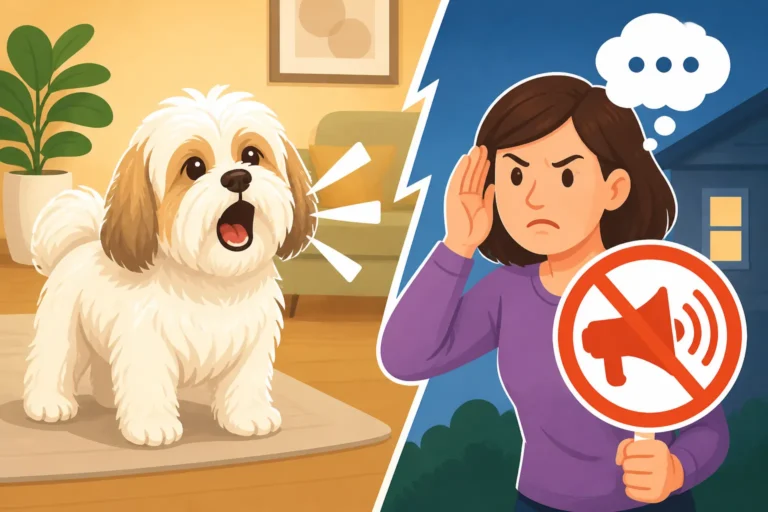
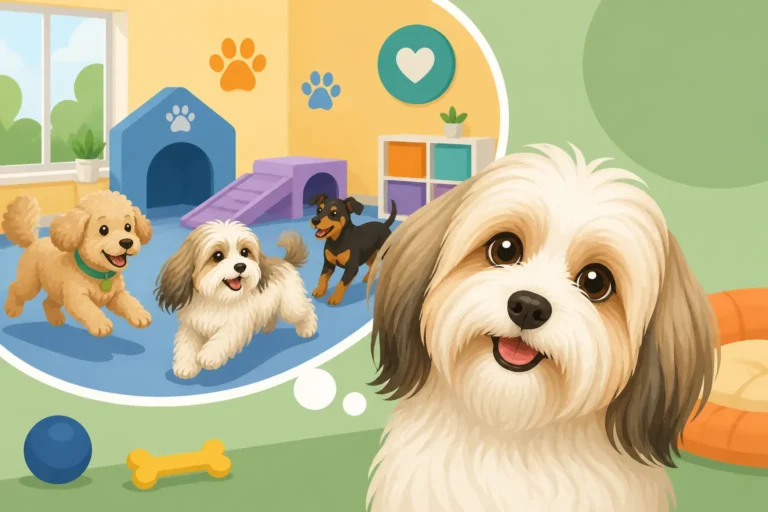
One of the biggest benefits of a well-run puppy class is the opportunity for supervised socialization. Your Havanese puppy gets to interact with other puppies of various breeds, sizes, and temperaments, all under the watchful eye of a professional trainer. This early exposure is invaluable. It teaches them appropriate dog-to-dog communication skills, helps them learn bite inhibition through play, and builds confidence in navigating new canine encounters. Think of it as their first social club, where they learn the rules of engagement. Without this kind of early, positive exposure, a Havanese might grow up to be fearful or overly reactive to other dogs, leading to issues like excessive barking at the sight of another dog on walks, which is a common frustration for many owners. The Barking a Havanese Does at Every Sound is often rooted in underdeveloped social skills or anxiety.
Beyond just other puppies, a good class will also expose your Havanese to various sights, sounds, smells, and people. They might hear unexpected noises, see different types of flooring, or be handled gently by strangers. All these experiences, when positive, contribute to a well-rounded and resilient adult dog. It helps them generalize that new things aren't necessarily scary, which is vital for a breed as sensitive and people-oriented as the Havanese.
Basic Obedience and Problem Prevention
Of course, puppy class covers basic commands. You'll work on foundational cues like "sit," "down," "come," and "stay." These aren't just parlor tricks; they're essential life skills that build a common language between you and your Havanese. When your Havanese knows "come," you have a reliable recall for safety. "Stay" can prevent them from bolting out the door. These commands provide a framework for managing your puppy's behavior in everyday situations, from preventing them from jumping on guests to keeping them safe during walks.
More importantly, puppy class often introduces strategies for preventing common puppy problems before they become ingrained habits. This includes discussions on nipping, jumping, crate training, and the ever-present challenge of house-training. For instance, house-training a Havanese can sometimes feel like an uphill battle, especially if you live in a cold climate where they might be reluctant to go outside. Housetraining a Havanese in a Cold Climate requires consistent strategies, many of which are introduced in puppy class. Trainers will often share tips on how to structure potty breaks, recognize signals, and avoid common mistakes that inadvertently prolong the process. This proactive approach saves you a lot of headache down the line.
Empowering the Owner: Learning to Communicate
Perhaps one of the most underestimated benefits of puppy class isn't just what your puppy learns, but what you learn. As an owner, you gain invaluable insight into canine body language, learning theory, and effective communication strategies. You discover how to teach your Havanese, not just what to teach them. Understanding positive reinforcement, timing, and consistency is key to unlocking your Havanese's potential.
Trainers demonstrate proper leash handling, how to interrupt unwanted behaviors without punishment, and how to motivate your specific dog. This knowledge empowers you to continue training at home, customizing methods to suit your Havanese's unique personality. It transforms you from a bewildered new owner into a confident, capable trainer for your own dog. Many puppy classes encourage owners to practice drills at home, reinforcing the idea that learning is a continuous process. You'll often leave class with a clearer roadmap of what to do next and how to tackle the various phases of The First Year With a Havanese Puppy.
Beyond the Basics: When Puppy Class Isn't Quite Enough
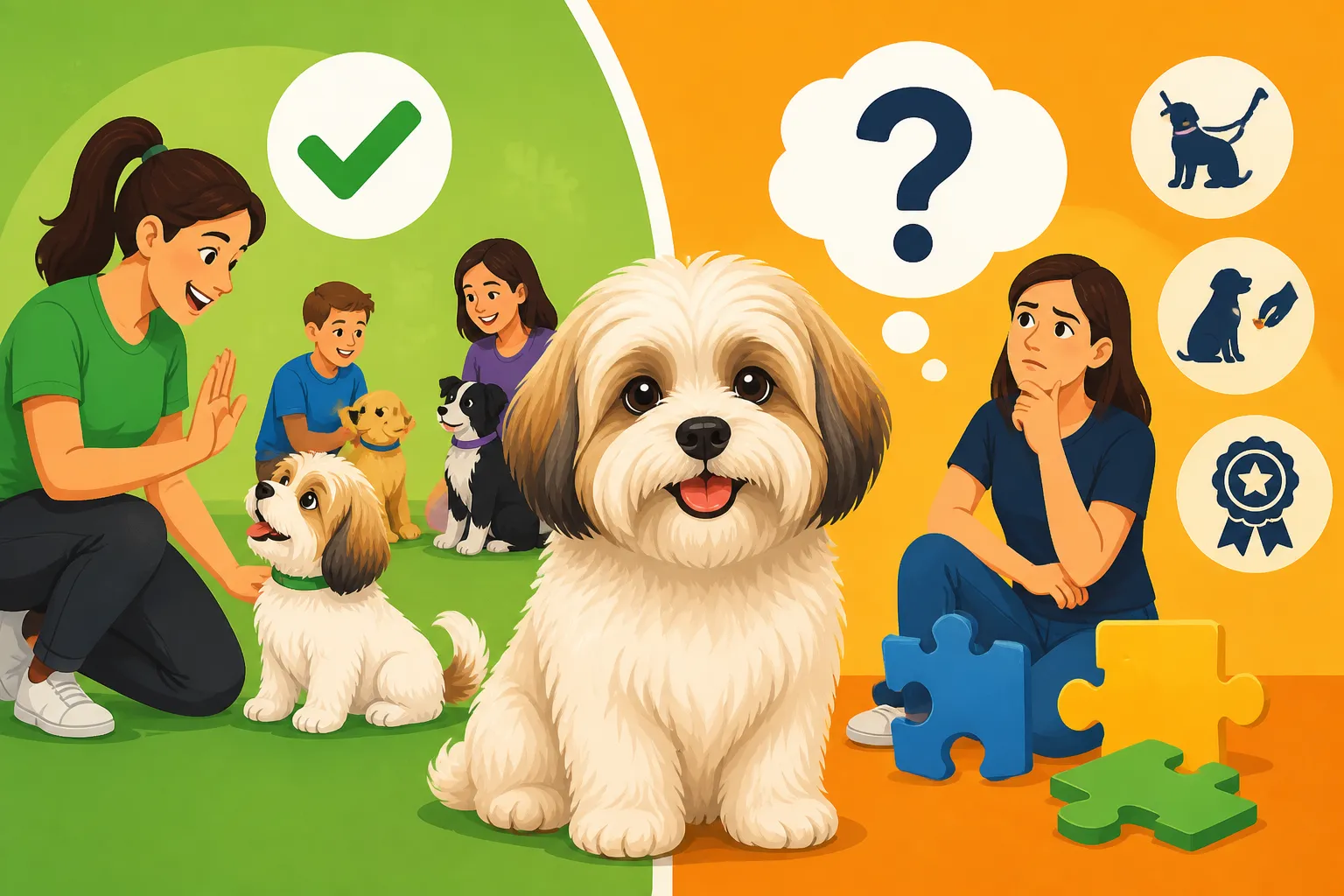
While puppy class is a phenomenal starting point, it's rarely the final destination for your Havanese's training journey. Think of it as kindergarten; essential, but not enough to prepare them for life. Havanese are incredibly intelligent, often described as having "the circus dog brain," and they thrive on continued mental engagement and learning. The Circus Dog Brain Inside a Havanese isn't just a cute saying; it reflects their capacity and desire to learn.
Addressing Specific Havanese Traits
Havanese, with all their charm, come with certain breed-specific tendencies that might require more targeted training than a general puppy class can provide. For example, their strong bond with their people, while endearing, can sometimes lead to Why a Havanese Follows You Into Every Room and even separation anxiety if not managed proactively. While puppy class might touch on preventing anxiety, deeper work might be needed to help a Havanese truly feel comfortable being left alone. Similarly, their glorious long coats require consistent grooming, and teaching a Havanese to tolerate brushing and handling often extends far beyond the basic introduction in puppy class. Teaching a Havanese to Lie Still for Grooming is a skill that takes patience and ongoing practice throughout their lives.
A generic puppy class curriculum might not delve into the nuances of these breed traits. It's up to you, the owner, to recognize these patterns in your specific Havanese and seek out additional resources or training methods. This might involve focusing on desensitization to grooming tools, building independence through structured alone time, or engaging in specific training games to channel their intelligence constructively.
Continuing Education for Lifelong Learners
Just like people, dogs benefit from continuous learning. After puppy class, your Havanese is ready for the next level. Adolescent dogs, generally between six months and two years, go through a second "fear period" and can test boundaries, much like human teenagers. If training stops after puppy class, you might find old habits resurfacing or new, challenging behaviors emerging. Continuing education, whether through intermediate obedience classes, specialized workshops, or self-guided advanced training, helps reinforce good habits and introduces new skills.
Havanese are known for enjoying trick training and dog sports. Teaching a Havanese Tricks It Will Perform All Day is an excellent way to keep their minds engaged and strengthen your bond. Classes like "Canine Good Citizen," agility, or even scent work can provide outlets for their intelligence and energy that go far beyond basic commands. This ongoing engagement prevents boredom, which can often lead to destructive behaviors, and ensures your Havanese remains a well-adjusted member of the family.
The Role of Advanced Training
For some Havanese and their owners, advanced training becomes a necessity or a passion. If your Havanese develops specific behavioral issues that weren't covered or resolved in puppy class – perhaps excessive reactivity, persistent separation anxiety, or resource guarding – you'll need specialized help. This could mean enrolling in a behavior modification class, working one-on-one with a certified professional dog trainer, or even consulting with a veterinary behaviorist. Whether a Havanese Needs a Professional Trainer often becomes clear when general classes aren't enough to address deeply ingrained or complex issues.
Advanced training also caters to those who want to explore dog sports or therapy work. Havanese can excel in various disciplines, from agility to rally obedience to becoming certified therapy dogs. These paths require dedication to advanced skills, precision, and a strong partnership between dog and handler. Puppy class merely opens the door; advanced training takes you through it.
Supplementing Puppy Class: Tools and Resources
Recognizing that puppy class is just the beginning empowers you to actively seek out ways to supplement your Havanese's education. There's a wealth of resources available to help you continue fostering a well-behaved and happy dog.
At-Home Practice and Consistency
The most critical supplement to any formal training is consistent practice at home. Your Havanese spends far more time with you than in a classroom. Daily, short training sessions (5-10 minutes) are far more effective than infrequent, long ones. Practice the commands learned in puppy class in various environments, gradually increasing distractions. This helps your Havanese generalize their learning, understanding that "sit" means "sit" whether in the quiet living room or at a busy park.
Consistency among all family members is also vital. Everyone should use the same commands, hand signals, and reward systems. This prevents confusion for your Havanese and ensures a unified approach to their education. Investing in high-quality, positive reinforcement tools like clickers (if you choose to use one, Whether Clicker Training Suits a Havanese), yummy treats, and engaging toys from retailers like Amazon can make training sessions fun and rewarding for both of you. Remember, your Havanese is eager to please and thrives on positive interaction.
Online Resources and Professional Guidance
If in-person classes aren't feasible or you need more specialized help, online resources have expanded tremendously. Platforms like BAXTER & Bella offer comprehensive online puppy training programs that provide structured lessons, live Q&A sessions, and a supportive community. These can be excellent for continuous learning at your own pace, complementing or even replacing some aspects of a traditional class if geographical limitations exist. There are also countless reputable websites, books, and YouTube channels run by certified trainers that offer valuable insights into various training challenges and techniques.
For specific challenges or for pushing into advanced skills, don't hesitate to seek out professional guidance. A good trainer can observe your Havanese's behavior in your home environment and provide tailored advice. This personalized attention can be a game-changer for breaking through training plateaus or addressing complex behavioral issues that might feel overwhelming to tackle alone.
The Importance of Mental Stimulation
Havanese are intelligent little dogs, and physical exercise alone often isn't enough to satisfy their minds. Mental stimulation is just as crucial as physical activity. Puzzle toys, snuffle mats, and interactive feeders can challenge your Havanese to think and problem-solve to get their food or treats. These activities can be particularly helpful for dogs who struggle with being left alone, providing a distraction and positive association with solo time.
Beyond physical toys, engaging your Havanese in scent games, teaching them new tricks, or even just varying your walk routes to expose them to new smells and sights provides rich mental enrichment. A mentally tired Havanese is often a well-behaved Havanese. Remember, How Fast a Havanese Learns a New Trick is often astounding, and they genuinely enjoy the process of learning.
Making the Most of Your Havanese's Training Journey
Training a Havanese is a marathon, not a sprint. It's a continuous journey that evolves as your puppy grows from a tiny fluffball into a mature companion.
Tailoring Training to Your Havanese's Personality
Every Havanese is an individual, even within the same litter. Some are bold and fearless, others are more sensitive and reserved. Some might be highly food-motivated, while others prefer praise or play. Effective training means recognizing and adapting to your Havanese's unique personality and motivations. For a sensitive Havanese, overly harsh corrections can be counterproductive, potentially leading to fear or withdrawal. A playful Havanese might learn best through games and short, energetic sessions. If your Havanese seems to get bored easily, you might want to consider how Whether a Havanese Gets Bored of Drilling can impact their learning and adjust your approach.
Observe your Havanese closely. What rewards do they truly value? What environments make them uncomfortable? By understanding their individual quirks, you can tailor your training methods to be most effective and enjoyable for them, fostering a positive and trusting relationship. This personalized approach will yield far better results than a one-size-fits-all strategy.
The Ongoing Commitment
Puppy class is an invaluable first step, offering foundational skills and crucial socialization. However, viewing it as the only training your Havanese needs is a common pitfall. The world is full of stimuli, and your Havanese will constantly encounter new situations that require them to apply what they've learned, and often, learn something new.
The commitment to training extends throughout your Havanese's life. This doesn't mean constant formal classes, but rather a consistent integration of training into daily routines. Continue practicing commands, reinforcing good manners, and providing mental enrichment. An older Havanese, even a senior one, can still learn new things and benefits from mental engagement. Regular short training sessions maintain their cognitive function and keep your bond strong. Remember, a well-trained Havanese isn't just a joy to live with; they are safer, more confident, and ultimately, happier dogs.
| Aspect | What Puppy Class Typically Covers | What May Require Additional Training / Focus |
|---|---|---|
| Socialization | Supervised play with other puppies, exposure to new people/sounds. | Confidence building with new adult dogs, diverse environments, specific fear reduction. |
| Basic Obedience | Sit, down, stay, come, leash walking basics, polite greetings. | Advanced obedience (long stays, reliable recall in distractions), off-leash work, formal competition skills. |
| Problem Prevention | Nipping, jumping, crate training introduction, basic house-training. | Persistent house-training issues, separation anxiety, excessive barking, resource guarding, reactivity. |
| Owner Education | Basic learning theory, positive reinforcement, handling fundamentals. | Advanced behavior modification, understanding complex canine body language, specialized sport training techniques. |
| Grooming Tolerance | Brief introductions to handling, paws, ears. | Consistent desensitization to clippers, brushes, bathing, drying for a Havanese's coat. |
| Mental Stimulation | Simple puzzle toys, short training games. | Advanced puzzle solving, scent work, trick titles, agility, therapy dog training. |
Disclaimer
This article is for general informational purposes only and does not constitute professional advice. Laws, prices and regulations vary by location and change over time. Consult a qualified professional for guidance on your specific situation.