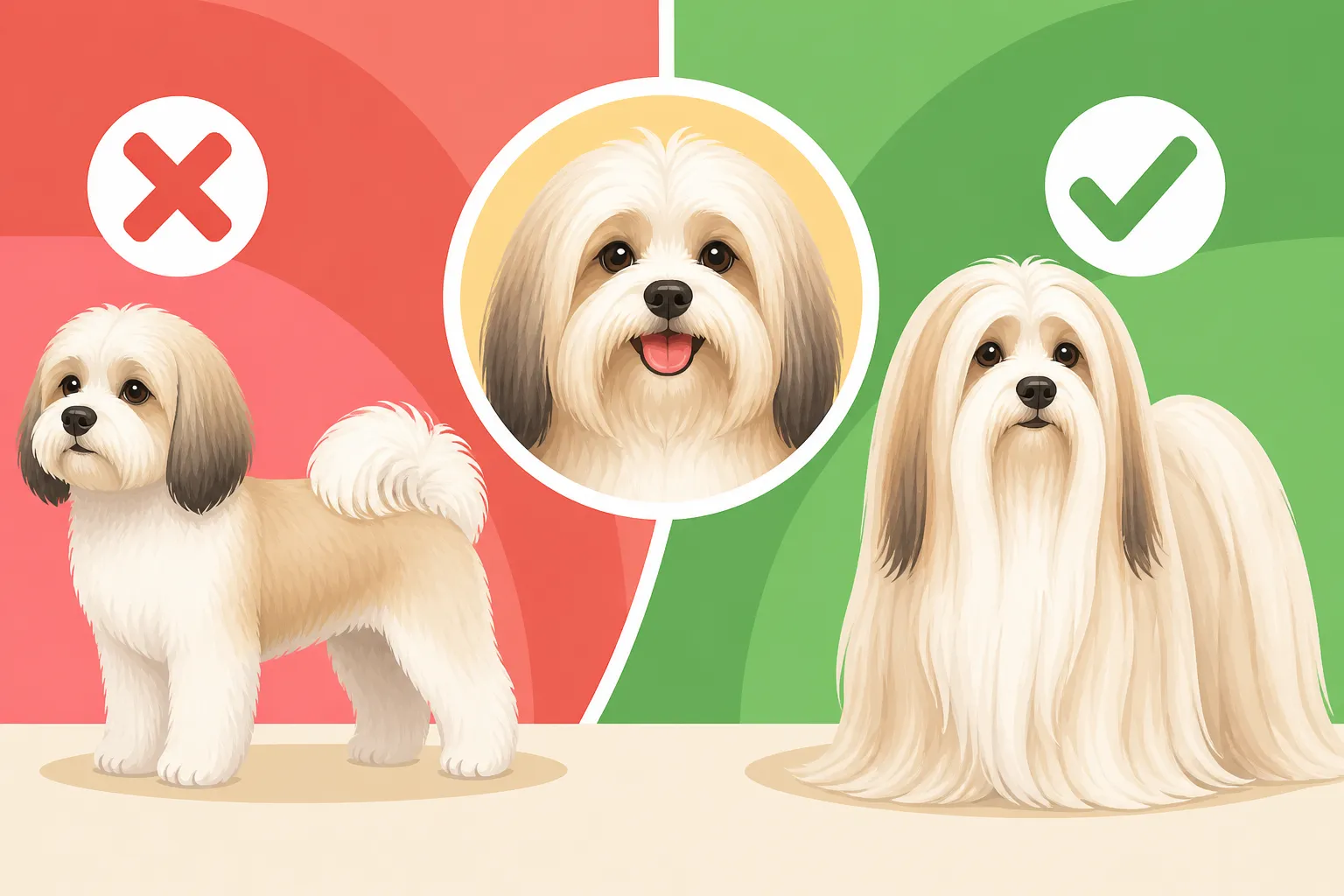
Whether a Havanese Coat Reaches the Floor
One of the most stunning features of the Havanese is their gorgeous, flowing coat, but many new owners wonder if that luxurious hair actually reaches the floor or if that's just a show ring fantasy. It's a common concern, especially when you're picturing your daily life with a little fluffball, and you want to understand the reality of managing such a magnificent mane. This guide will dive deep into whether a Havanese coat typically achieves floor-length status, what factors influence it, and what it truly means for the dedicated Havanese parent.
The Havanese Breed Standard and Coat Length
When you look at images of Havanese in dog shows, particularly those competing at the highest levels, you'll often see them sporting coats that elegantly sweep the ground. This is the ideal presented in the breed standard, which describes the Havanese coat as long, silky, and flowing. But what does that really mean for the average Havanese living its best life on your couch or romping in the park?
Ideal vs. Practical Presentation
The breed standard for the Havanese calls for a double coat that is soft, silky, and "reaching 6 to 8 inches in length." It goes on to say that the length should give the impression of a flowing, natural coat. For a dog that stands around 8.5 to 11.5 inches tall at the shoulder, a coat reaching 6-8 inches can indeed come quite close to the floor, if not touching it, especially when the dog is standing still or moving gracefully. This is the look breeders and exhibitors strive for, showcasing the breed's natural beauty and elegance.
However, this "ideal" presentation is often the result of meticulous care, extensive grooming, and perhaps even some strategic handling in the show ring. For a pet Havanese, maintaining such a coat can be an immense commitment. Owners often find that while their dog's coat has the potential to grow quite long, keeping it pristine and floor-length requires a level of dedication that simply isn't feasible or desired for a beloved family companion that enjoys rolling in the grass or splashing in puddles. The distinction between a show dog's groomed perfection and a pet's comfortable reality is significant.
Genetic Predisposition for Length
The capacity for a Havanese's coat to grow long is inherently genetic. Reputable breeders work to preserve the breed's characteristics, including that signature silky, flowing coat. So, yes, a healthy Havanese, particularly one from good lines, does possess the genes to grow a very long coat. It's not a trick of grooming; the hair follicles are programmed to produce a continuous growth cycle, much like human hair, rather than shedding out at a certain length.
However, even within the breed, there can be slight variations in coat texture and growth rate. Some Havanese might have a slightly wavier or denser coat, while others have that almost straight, incredibly fine "Havana silk" texture. These variations can influence how the coat hangs and whether it visually appears to reach the floor as easily as another. A denser, wavier coat might look fuller but perhaps not as long as a pin-straight, flowing one, even if the actual hair length is comparable. Understanding Whether a Havanese Coat Texture Varies by Line can help manage expectations.
Factors Influencing a Havanese's Coat Growth
Achieving that magnificent, floor-sweeping Havanese coat isn't just about genetics; several other factors play a crucial role in how long and healthy your dog's hair will grow. These elements are within your control as an owner and can significantly impact the visual outcome.
Age and Growth Cycles
A Havanese puppy starts with a soft, relatively short "puppy coat." As they mature, typically between 8 and 18 months, this puppy coat transitions into the adult double coat. This "coat change" period is notorious for intense matting and can be a challenging time for owners. During this phase, the new adult hair is growing in, pushing out the softer puppy fluff, and the two textures can intertwine, creating tangles and mats with astonishing speed. It's during and after this transition that the Havanese's coat really starts to gain length and density. You might find yourself wondering Why a Havanese Mats at Eight Months and Not Before.
For most Havanese, their coat will continue to grow throughout their lives, never truly stopping. This means that if left untrimmed, the hair will just keep getting longer and longer. This continuous growth is why a Havanese is considered a "non-shedding" breed (though they do shed a tiny amount of hair, much like humans do), as the individual hairs have a very long anagen (growth) phase. This continuous growth is what allows for the potential of a floor-length coat.
Genetics and Bloodlines
While all Havanese are genetically predisposed to long hair, the exact texture, density, and growth rate can vary slightly between individual dogs and bloodlines. Some lines might consistently produce dogs with exceptionally thick, fast-growing coats, while others might have a slightly less profuse or slower-growing coat. These subtle genetic differences contribute to the overall appearance of the coat.
For instance, a Havanese bred from lines known for producing show champions might have an even stronger genetic inclination towards the long, flowing coat described in the standard. Conversely, some pet lines might have slightly easier-care coats that, while still long and beautiful, might not reach quite the same extreme lengths or density as their show-bred cousins without significant effort. It's a spectrum, and each Havanese is unique.
Nutrition and Health
Just like with humans, a Havanese's diet and overall health play a massive role in the condition and growth of their coat. A dog receiving a high-quality, balanced diet rich in essential fatty acids (like Omega-3 and Omega-6) will typically have a healthier, shinier, and stronger coat that is less prone to breakage and matting. Ingredients found in premium dog foods can support skin health, which is the foundation for healthy hair growth.
If your Havanese is on a diet that might not be optimal, or if they have underlying health issues, you might notice their coat becoming dull, brittle, or not growing to its full potential. Certain health conditions, nutrient deficiencies, or even stress can impact hair growth and quality. Brands like Ollie focus on fresh, human-grade ingredients that often boast benefits for coat health, while readily available quality kibbles from Chewy also prioritize nutrition. Ensuring your Havanese is Feeding a Havanese That Weighs Twelve Pounds with proper nutrition is paramount for a magnificent coat.
The Reality of a Floor-Length Coat for a Pet Havanese
While the Havanese breed standard and genetics promise a long, flowing coat, the practicalities of maintaining a floor-length mane for a pet Havanese are often a significant wake-up call for new owners. It's a beautiful vision, but it comes with a considerable commitment that not every family is prepared for.
Lifestyle Considerations
Let's be real: a dog with a floor-length coat and an active, happy life are often at odds. Imagine your Havanese romping in the backyard, splashing through puddles, or running through tall grass. That gorgeous coat becomes a magnet for dirt, burrs, leaves, and anything else it sweeps up. Wet hair can quickly lead to mats, and outdoor adventures mean constant cleaning. If your Havanese loves to snuggle on furniture, their long coat can also pick up lint and debris from carpets and upholstery.
For families with active lifestyles, young children, or multiple pets, a floor-length coat can quickly become a source of frustration. It requires immediate attention after any outdoor excursion and can hinder your dog's ability to play freely without getting tangled or dirty. The question then becomes: do you want your Havanese to live fully and joyfully, or do you want a pristine, floor-length coat at all costs? Many owners find a happy medium, opting for a slightly shorter, more manageable length that still showcases the breed's beauty.
Grooming Commitment
Maintaining a truly floor-length Havanese coat is a monumental grooming task. We're talking about daily, thorough line brushing sessions that can easily last 30 minutes to an hour, depending on the dog's size and coat density. This isn't just a quick brush-over; it involves systematically parting the hair and brushing from the skin out to prevent mats from forming deep within the coat. Missing even a day can result in serious tangles, especially during the dreaded "coat change" period.
Beyond daily brushing, a long-coated Havanese requires frequent bathing – sometimes weekly, coupled with painstaking drying. Air drying a Havanese is a recipe for disaster; the coat must be blow-dried completely, section by section, to ensure it dries straight and mat-free. This process itself can take hours. Then there are regular trims around the eyes, paw pads, and sanitary areas. This level of grooming often means professional grooming appointments every 4-6 weeks, which can add up significantly, or a huge investment of time and equipment for the home groomer. Understanding What a Full Havanese Groom Costs or How Long Brushing a Havanese Takes Daily can help paint a clearer picture.
Practical Challenges
Beyond the time commitment, there are other practical challenges. Long coats can impede a dog's vision if a topknot isn't meticulously maintained, leading to eye irritation and tear staining. The hair around the mouth and beard can get wet and stained after drinking and eating, requiring constant cleaning. The hair on the feet can collect debris and make walking uncomfortable or slippery on smooth surfaces.
Consider also the discomfort for the dog. While Havanese love attention, even the most tolerant dog can become weary of prolonged daily grooming sessions. If mats develop, the de-matting process can be painful. Furthermore, very long coats can sometimes be snagged or pulled, leading to discomfort or injury. For these reasons, many owners choose not to pursue the floor-length ideal, prioritizing their dog's comfort and ease of living over an aesthetic preference.
Maintaining a Long Havanese Coat
If you are committed to keeping your Havanese's coat long, potentially even floor-length, be prepared for a rigorous but rewarding routine. It demands consistency, the right tools, and a good understanding of coat care.
Daily Brushing Techniques
The cornerstone of a long Havanese coat is daily brushing, and not just any brushing – we're talking about line brushing. This technique ensures you reach the skin, preventing mats from forming at the base of the hair, which are the hardest to get out.
- Gather Your Tools: You'll need a good quality pin brush, a slicker brush, and a metal comb with both fine and wide teeth. A detangling spray is also your best friend. Brands found on Amazon or Chewy offer a wide array of grooming tools.
- Sectioning: Lay your Havanese on its side or have it stand on a grooming table if possible. Start with a small section of hair at the bottom of the leg or flank, using your free hand to hold up the rest of the coat.
- Brush from Skin Out: Spray the section lightly with detangling spray. Using your slicker brush first, gently brush down through the section, ensuring the bristles reach the skin. Follow with a pin brush to smooth the hair.
- Comb Through: Once brushed, use your metal comb to check for tangles. Start with the wide-toothed side, then move to the fine-toothed side. If the comb snags, go back to brushing until it glides through easily.
- Move Upwards: Gradually release more hair from the top and repeat the process, working your way up the body. Don't forget the sensitive areas like armpits, behind the ears, and the groin, where mats form easily. The article How Often a Havanese Must Be Brushed covers this in more detail.
Bathing and Drying Routines
Bathing a long-coated Havanese is not a quick dip; it's a careful process to prevent matting and ensure thorough cleaning and drying.
- Pre-Bath Brush: Always, always, always brush your Havanese thoroughly before a bath. Any existing mats will tighten and become impossible to remove once wet.
- Shampoo and Condition: Use a good quality shampoo and conditioner designed for long, silky coats. Lather gently, avoiding scrubbing that can create tangles. Rinse thoroughly until the water runs clear. For tips on choosing the right products, check out Which Shampoo Suits a Havanese.
- Towel Dry: Gently squeeze excess water from the coat with a towel. Do not rub vigorously, as this causes mats.
- Force Dryer is Key: A high-velocity force dryer is essential for drying a long Havanese coat without causing mats. Section the coat and dry it completely, brushing as you go to ensure each strand is straight and dry. Heat can damage the hair, so use a cool or low-heat setting. Drying a Havanese Properly explains this further.
- Post-Dry Brush: Once completely dry, give the coat another thorough brushing and combing to ensure no tangles have formed.
Product Selection and Tools
Having the right tools makes all the difference in managing a long Havanese coat.
- Brushes and Combs: As mentioned, a slicker brush, a quality pin brush, and a metal comb are indispensable.
- Shampoo and Conditioner: Look for formulas that are moisturizing, detangling, and gentle. Hypoallergenic options are great for sensitive skin.
- Detangling Spray: This is your secret weapon. Use it liberally during brushing sessions to help the comb glide through and prevent static.
- Force Dryer: A professional-grade force dryer might seem like an extravagance, but it's invaluable for drying thick, long coats quickly and efficiently, preventing mildew and mats.
- Scissors: Small, blunt-nosed scissors are useful for carefully trimming around the eyes and paw pads.
- Topknot Supplies: If you keep a topknot to keep hair out of the eyes, you'll need gentle hairbands or clips. Whether a Havanese Needs a Topknot provides more insight.
Investing in good products and tools from stores like Chewy or Amazon will save you countless headaches and ensure your Havanese's coat remains a source of pride, not frustration.
Alternatives to a Floor-Length Coat
Let's face it, not everyone has the time, energy, or desire to maintain a floor-length Havanese coat. And that's perfectly okay! There are wonderful, practical alternatives that still allow your Havanese to look adorable and be comfortable. Many owners find that a shorter style or even cording is a fantastic compromise.
Puppy Cuts and Shorter Styles
By far the most popular choice for pet Havanese owners is the "puppy cut" or a similar shorter style. This involves clipping the coat to a more manageable length, typically between 1 to 3 inches all over. The beauty of the puppy cut is that it dramatically reduces grooming time while still leaving enough fluff to showcase the Havanese's charming appearance.
With a puppy cut, daily brushing might still be recommended, but it becomes much quicker and less prone to severe matting. Baths are easier, drying is faster, and your dog can enjoy outdoor activities without becoming a walking burr magnet. It’s also much cooler for them in warmer weather. You'll still need regular trips to the groomer, perhaps every 6-8 weeks, to maintain the desired length and shape. This style is often the go-to for ease of care and is discussed further in The Puppy Cut Most Havanese Owners End Up Choosing. Other variations include a "teddy bear cut" or a "kennel clip," each offering different lengths and styles to suit your preference and lifestyle.
Cording
Cording is another unique coat style for Havanese, though it's much less common than a traditional long coat or a puppy cut. Similar to Puli or Komondor dogs, cording involves allowing the coat to naturally separate into long, rope-like cords rather than brushing it out. The Havanese coat has the right texture and density to form cords.
Achieving a corded coat is a significant undertaking, especially in the initial stages. It requires patience and a specific grooming technique to separate the maturing coat into individual cords as it grows. Once established, corded coats require different maintenance: they aren't brushed, but rather, the cords must be regularly separated by hand to prevent them from fusing into large mats. Bathing a corded Havanese is also a specialized process, and drying takes an incredibly long time. While visually striking and surprisingly low-shed once corded, it's not a low-maintenance option; it just shifts the type of grooming required. Cording a Havanese and What It Commits You To provides an in-depth look at this unique grooming choice.
Here's a quick comparison of popular Havanese coat styles:
| Coat Style | Description | Grooming Frequency | Main Benefits | Main Challenges |
|---|---|---|---|---|
| Floor-Length | Long, flowing coat, often touching the ground | Daily, extensive | Showcases breed standard, elegant appearance | Intense matting, high time commitment, impractical |
| Puppy Cut | Clipped to 1-3 inches all over | Weekly light brush | Easy to maintain, comfortable for dog, versatile | Requires regular professional trims |
| Cording | Coat forms into natural rope-like cords | Hand separation | Unique look, once established, no brushing needed | Long drying time, initial setup, specialized care |
Common Misconceptions and Expectations
When it comes to the Havanese coat, there are a few widespread ideas that can set owners up for frustration if they're not grounded in reality. Understanding these can help you better appreciate your Havanese and its beautiful, unique coat.
The "Always Long" Myth
Many people see pictures of show Havanese and assume that their pet Havanese will naturally develop and maintain a coat of that exact length and pristine condition without much effort. This is rarely the case. As we've discussed, achieving a floor-length coat is a result of genetics and an incredibly diligent grooming routine. Without constant care, a long Havanese coat will quickly become matted, dirty, and uncomfortable for the dog.
The "always long" myth can lead to disappointment for owners who aren't prepared for the grooming commitment or who find that their dog's lifestyle isn't suited to such an extensive coat. It's more realistic to expect a Havanese coat to grow long if allowed, but whether it truly "reaches the floor" in a functional, healthy way for a pet is another matter entirely. Most pet Havanese are kept in shorter, more practical cuts, which are still beautiful and allow the dog to be a happy, active member of the family.
The "No Shed" Myth
Another common misconception, especially with breeds like the Havanese, is that they "don't shed." While it's true that Havanese are low-shedding compared to many other breeds, and are often a good choice for people with allergies, they are not entirely non-shedding. All dogs, including Havanese, lose hair. The difference is how they lose it. Instead of shedding individual hairs that fall out and collect on furniture and floors, the Havanese's long, continuously growing hair traps the loose, dead hair within the coat.
This trapped hair is precisely what causes matting if not brushed out regularly. When you brush a Havanese, you are essentially removing the shed hair that would otherwise fall out or create tangles. So, while you might not see tumbleweeds of dog hair around your house, you will absolutely be brushing a significant amount of hair out of your Havanese's coat during grooming sessions. It's a trade-off: less hair on your furniture, more hair caught in the brush.
Ultimately, whether your Havanese coat reaches the floor is a combination of its genetic potential and your dedication to an intensive grooming routine. For most pet owners, a slightly shorter, more practical cut provides the perfect balance of beauty, comfort, and manageability, allowing your Havanese to thrive as a beloved family member.
Disclaimer
This article is for general informational purposes only and does not constitute professional advice. Laws, prices and regulations vary by location and change over time. Consult a qualified professional for guidance on your specific situation.